Skip to content
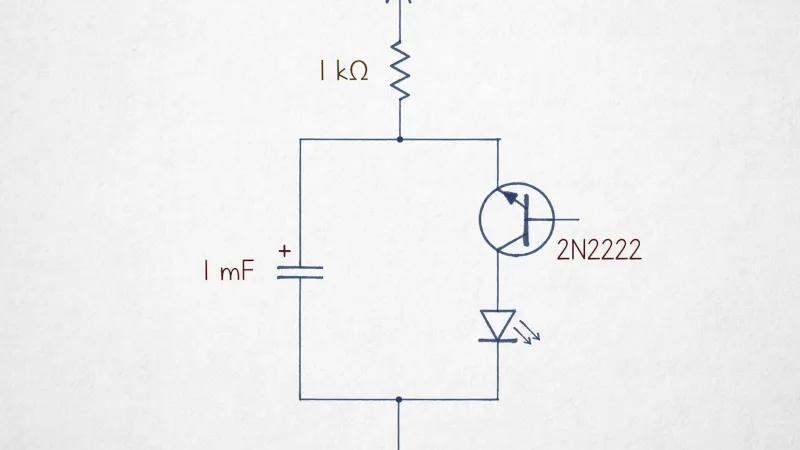
Reverse-engineered schematic of the IBM 604’s TR-3 module. (Credit: Ken Shirriff)
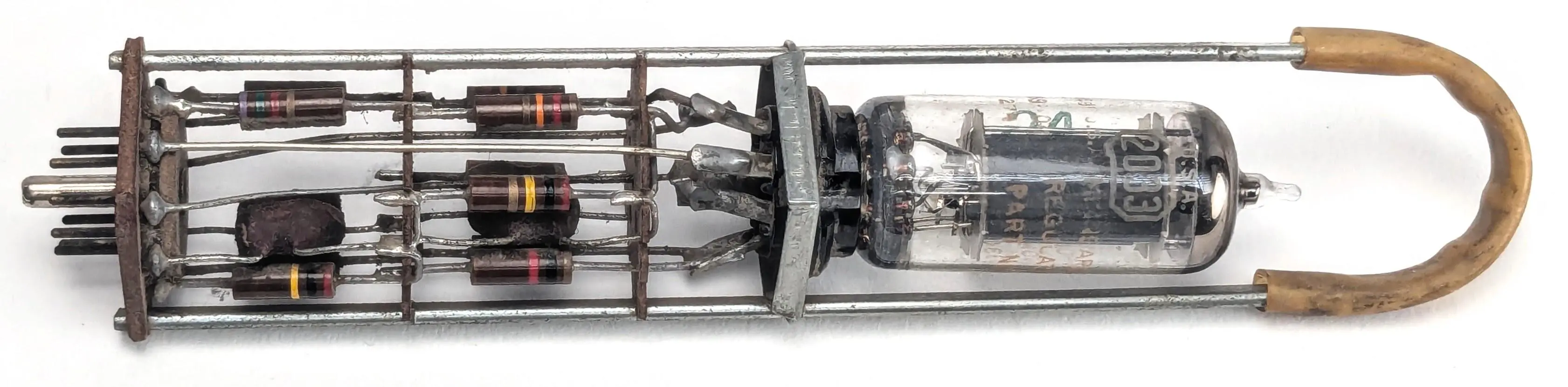
Taking a break from ogling microscopic features in Intel’s semiconductor processors, [Ken Shirriff] is back to instead poking at decidedly macroscopic pluggable modules from the 1948 IBM 604 Electronic Calculator. This time around it’s one of the so-called trigger modules in the form of the TR-3, which uses a flip-flop circuit to implement the timing signals and pulses that made the 604 work.
This differs from the thyratron module that we covered previously. A thyratron is a high current switch and rectifier, which is useful more for the periphery of the computer system. These TR-3s on the other hand were used to implement the basic logic circuits, even if a flip-flop by itself seems rather boring, being just a circuit that toggles between two states.
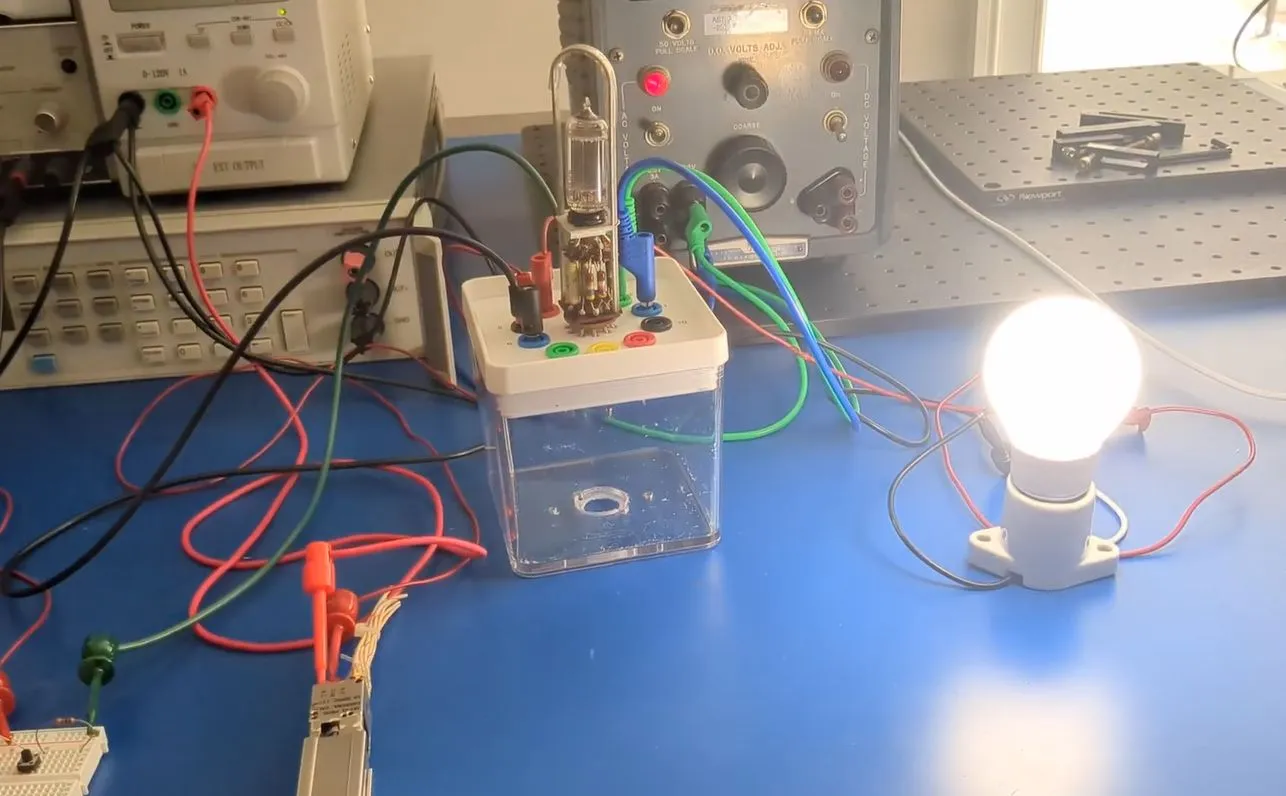
In this TR-3 module we find a 2033 dual triode design which thus increases density by having the two inverters of the flip-flop in the same tube. The rest of the module is taken up by the requisite capacitors and resistors that complete the circuit. After wiring up this original module, [Ken] was able to make it trigger somewhat reliably, requiring a stable input trigger.