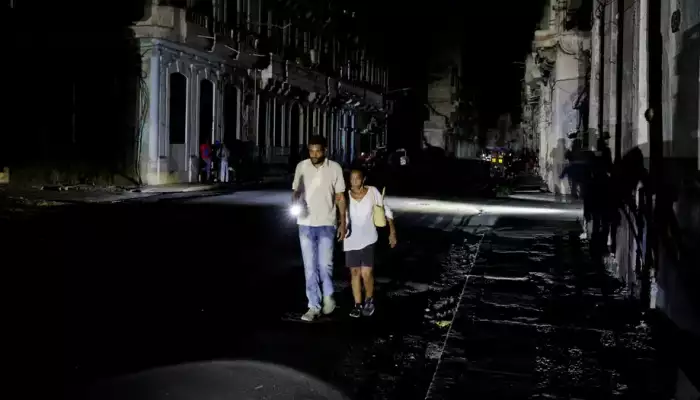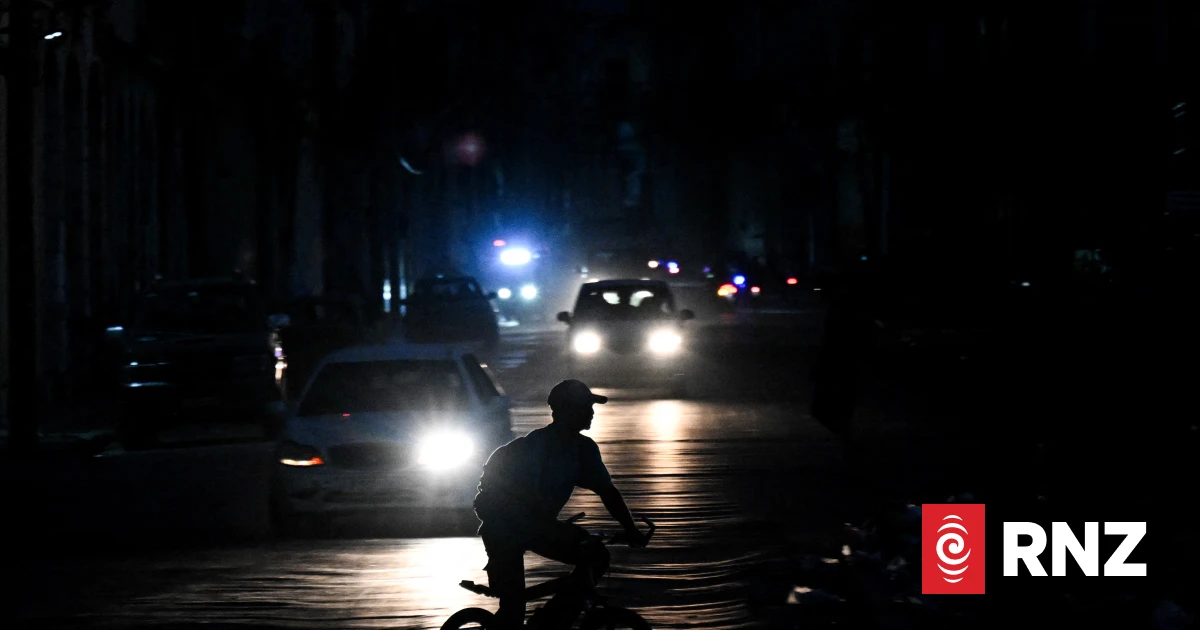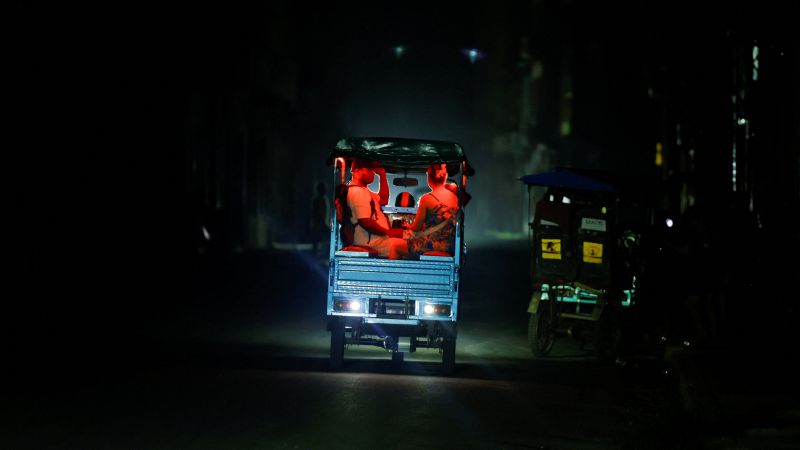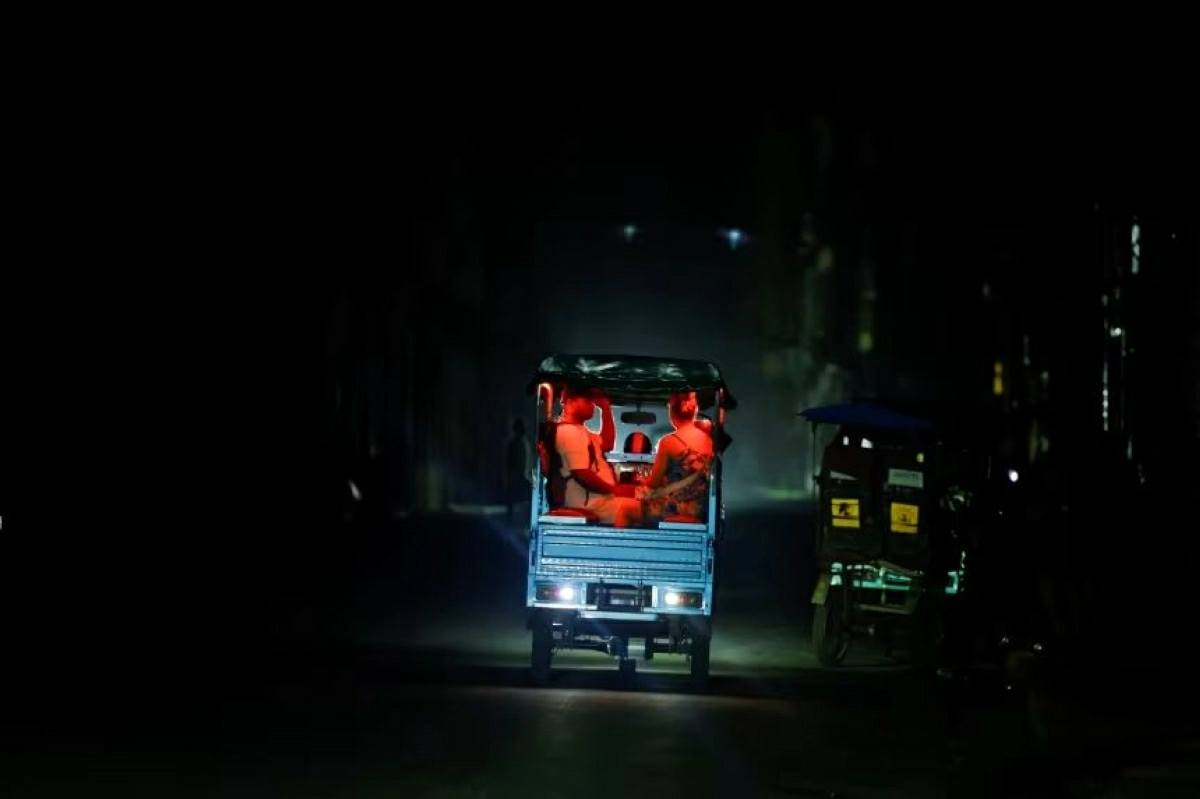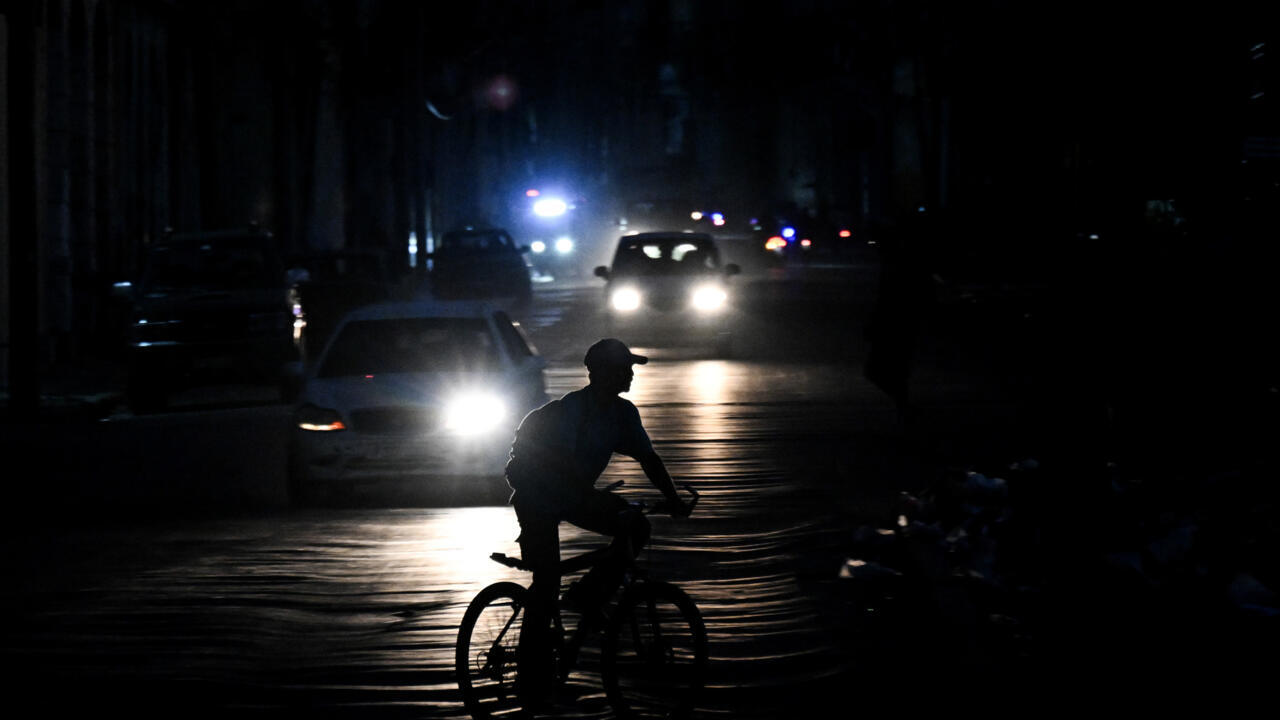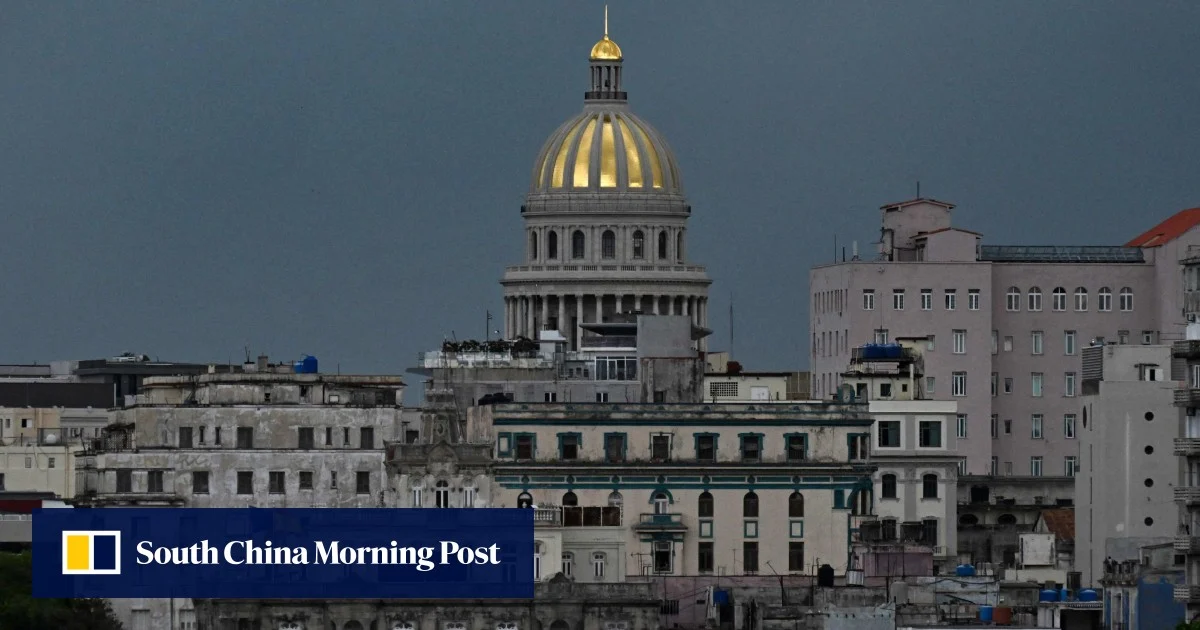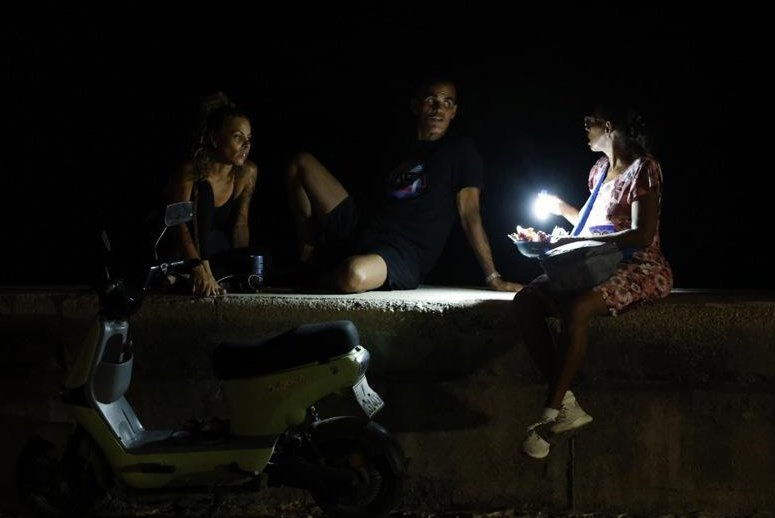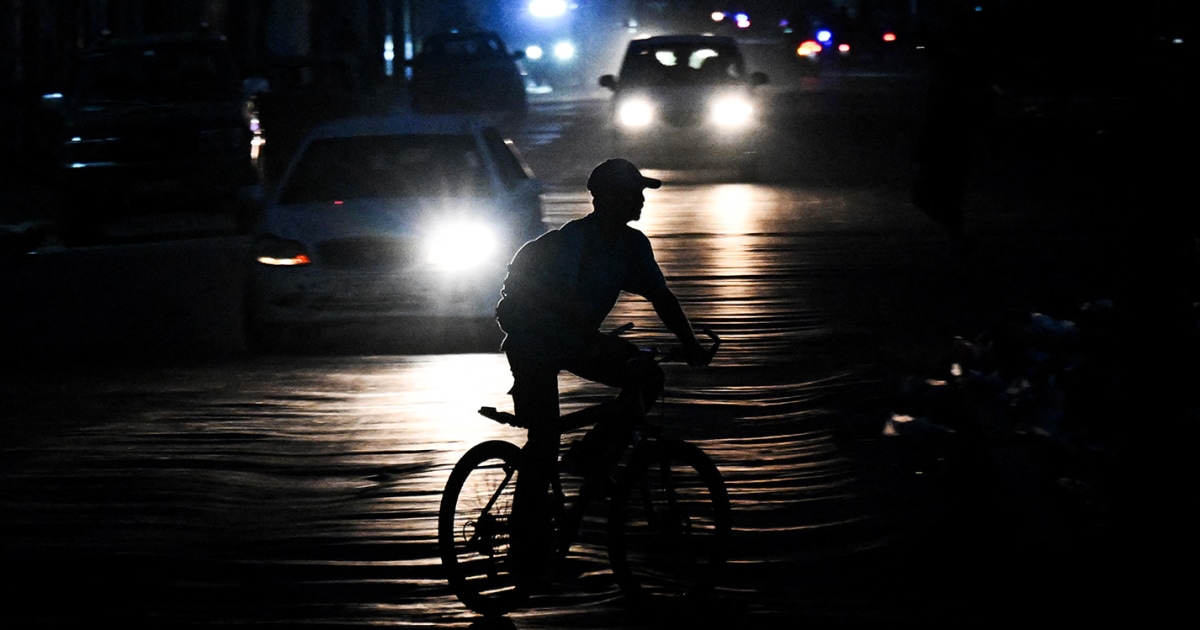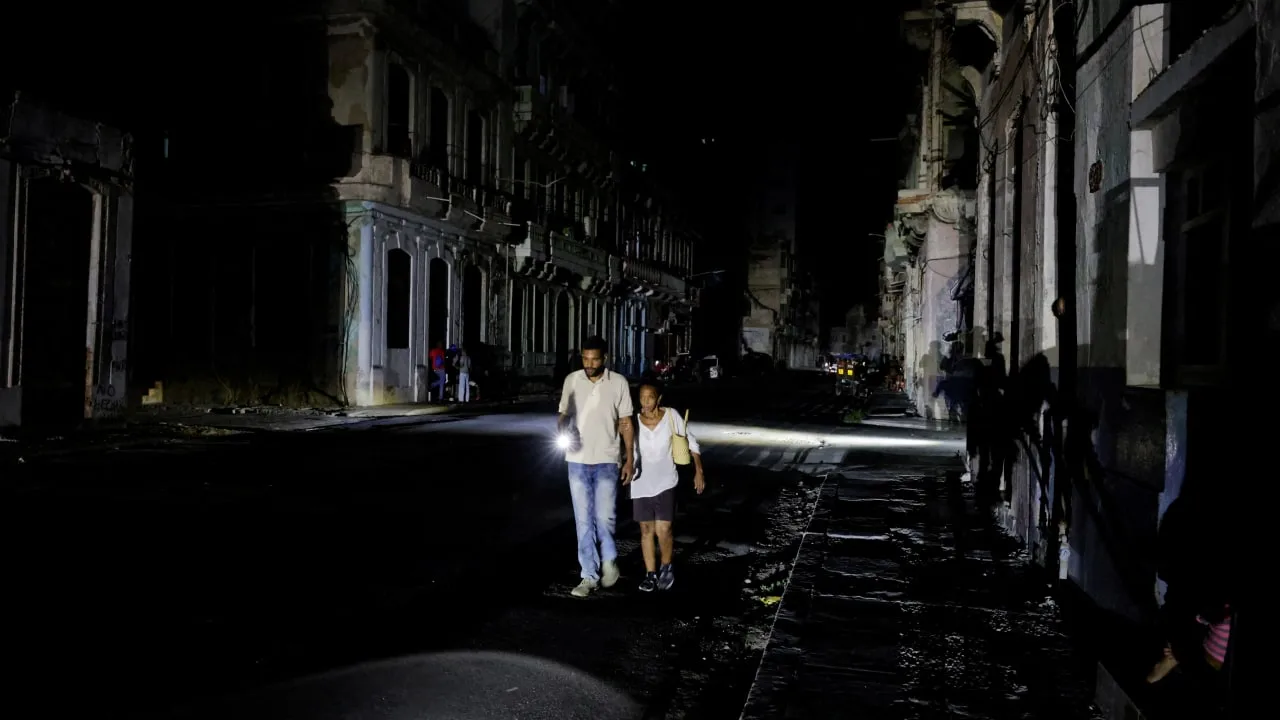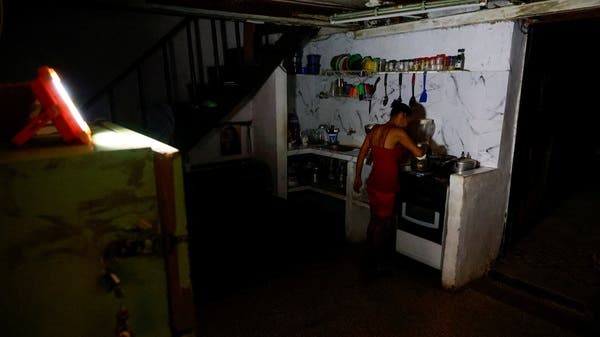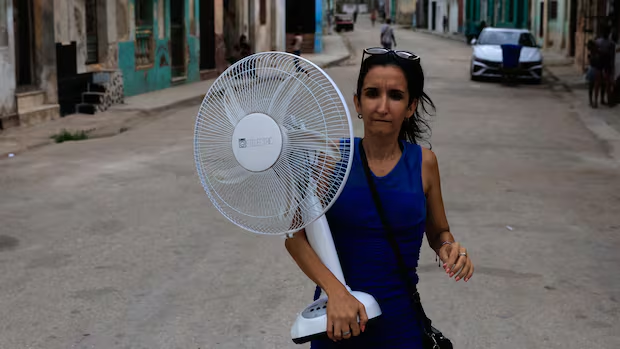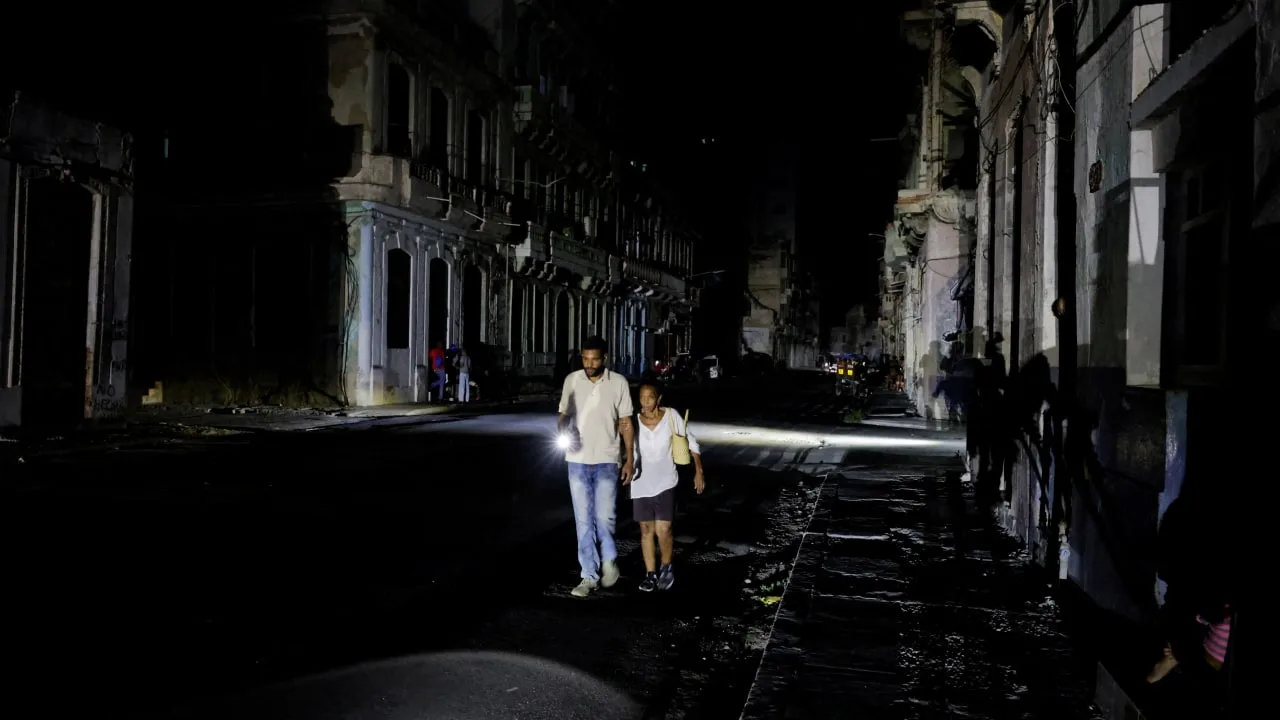
Jerusalem Post/World NewsBlackouts affecting the entire island, home to about 10 million people, have become increasingly frequent in recent months.Follow us on GooglePeople walk down a street as Cuba's national power grid collapsed, marking the third major outage in nine days, in Havana, Cuba, July 14, 2026.(photo credit: REUTERS/Norlys Perez)ByREUTERSAUGUST 4, 2026 01:41Cuba's national electrical grid collapsed again on Monday, state-run media reported, as the government was trying to reestablish the system following a country-wide blackout on Sunday night.Cuba's aging power generation system is under severe strain from fuel shortages, deteriorating infrastructure and a US-imposed oil blockade.Blackouts affecting the entire island, home to about 10 million people, have become increasingly frequent in recent months.Three outages hit Cuba over the course of nine days in July, followed by the outage on Sunday just before 11 p.m. local time.Electric grid collapsed amid efforts to fix previous blackout"Despite the progress made today, an oscillation triggered the collapse," said Lazaro Manuel Alonso, news director of Cuba's state-run television, in a post shared via social media.Military personnel hold flags as they attend the March of Torches, which is held annually in celebration of the birth anniversary of Cuba's independence hero Jose Marti, in Havana, Cuba, January 27, 2026. (credit: REUTERS/Norlys Perez)A US-imposed oil blockade, after Trump's administration deposed Venezuelan President Nicolas Maduro in January, has crippled the island's already aging energy infrastructure.Venezuela was Cuba's primary fuel supplier, and subsequent US pressure also led Mexico to halt oil shipments to the island.Havana blames a decades-old US trade embargo for its failing infrastructure, while Washington says the blackouts are due to the mismanagement of Cuba's state-run economy.Follow us on Google
Cuba's electric grid collapses again, less than a day after last blackout | The Jerusalem Post
Blackouts affecting the entire island, home to about 10 million people, have become increasingly frequent in recent months.
273 words~1 min read