Everyone has been asking what the trillion-dollar AI buildout is actually for. A senior Google DeepMind executive has now given an unusually blunt answer. The spending, he says, is a bet on machines that improve themselves.
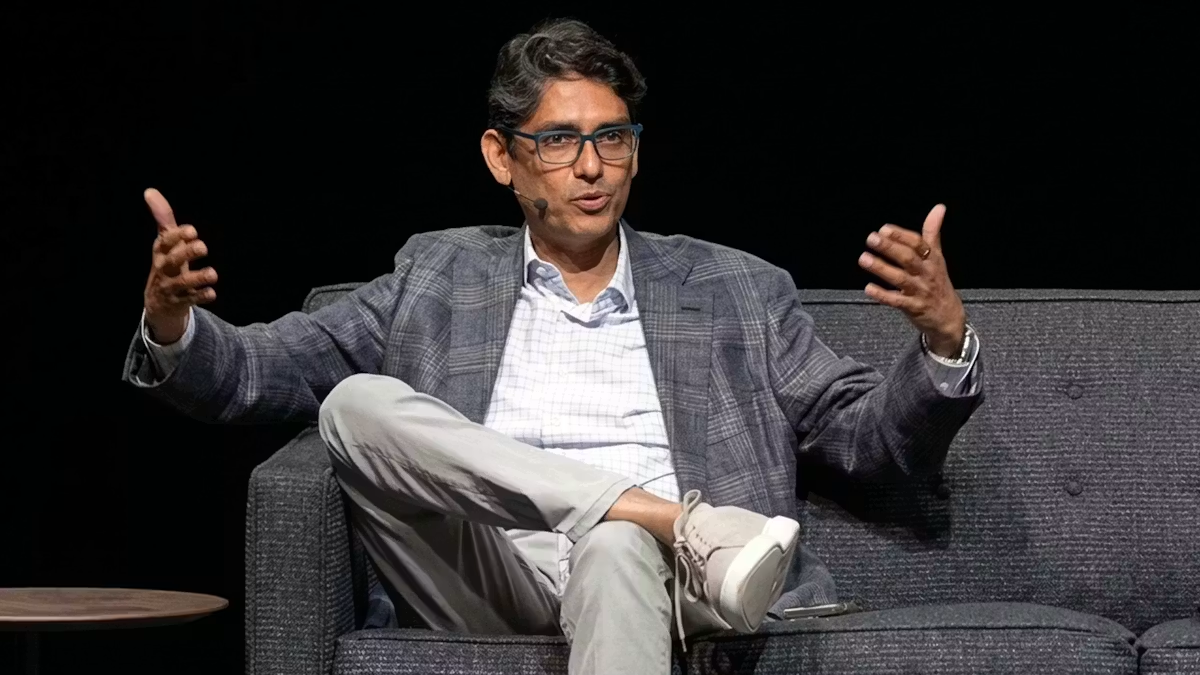
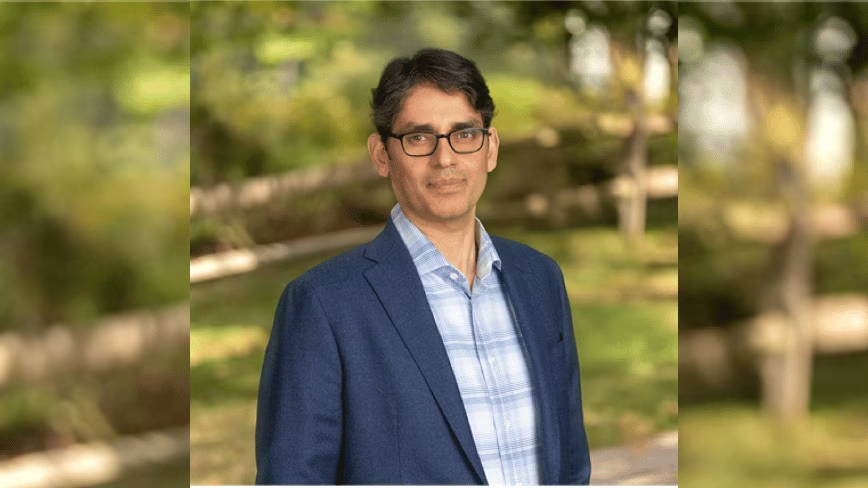
Jasjeet Sekhon, DeepMind’s chief strategy officer, made the case at a summit at UC Berkeley. Recursive self-improvement, or RSI, is “becoming a key component of the AI investment thesis,” The Information first reported. RSI is the idea of AI that can rewrite and upgrade itself, generating ever more capable successors without humans in the loop.
The striking part is the candour underneath it. Sekhon admitted that AI revenues “don’t sustain the capital expenditures we’re making so far.” The money is being spent, in other words, on a promise. He argued that betting against it would be unwise, since there are already “the makings of RSI.” He offered a neat analogy: steam engines built the next steam engine.
The new north star
What makes the framing land is what it replaces. For years the industry justified its spending by pointing at artificial general intelligence. Sekhon is effectively swapping one distant goal for another. RSI, on this telling, is the new AGI: the payoff that turns today’s data centres from a cost into the most valuable machines ever built.