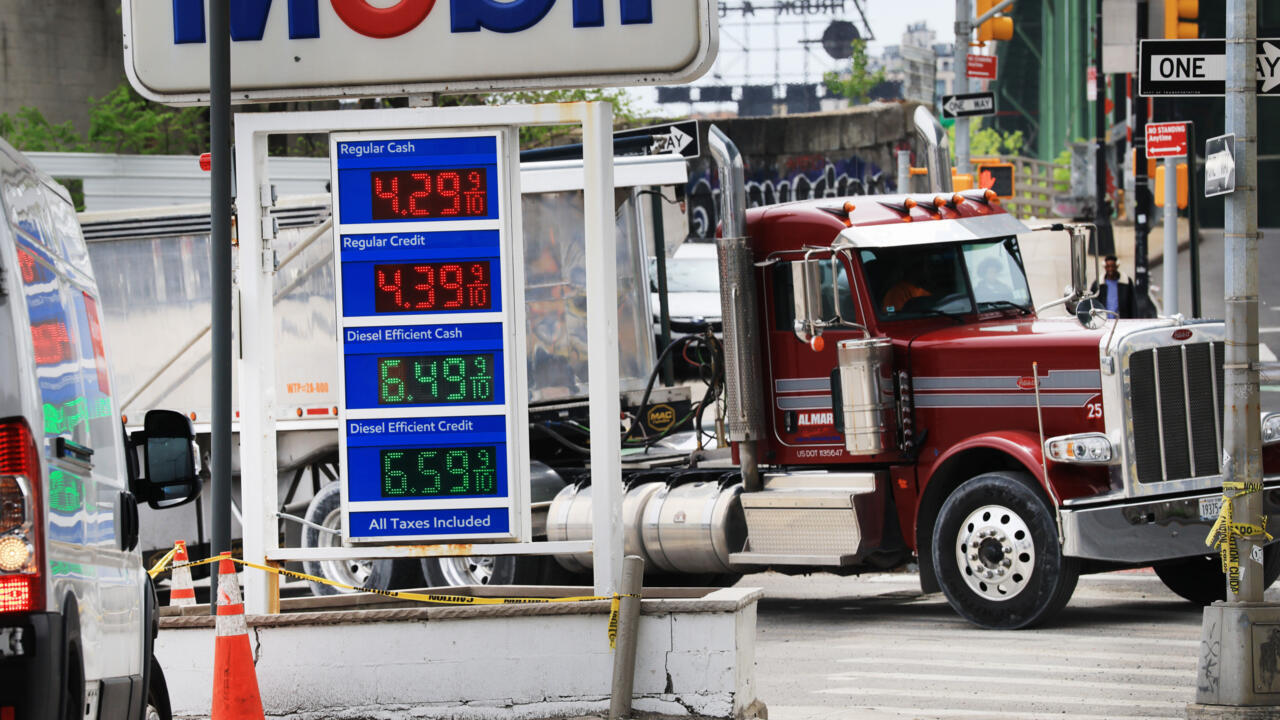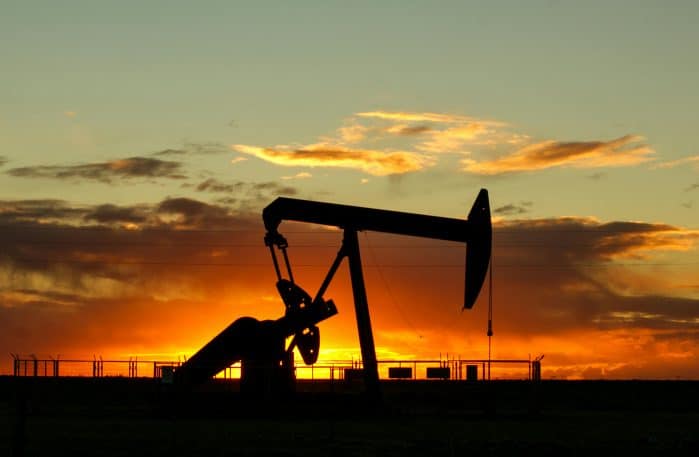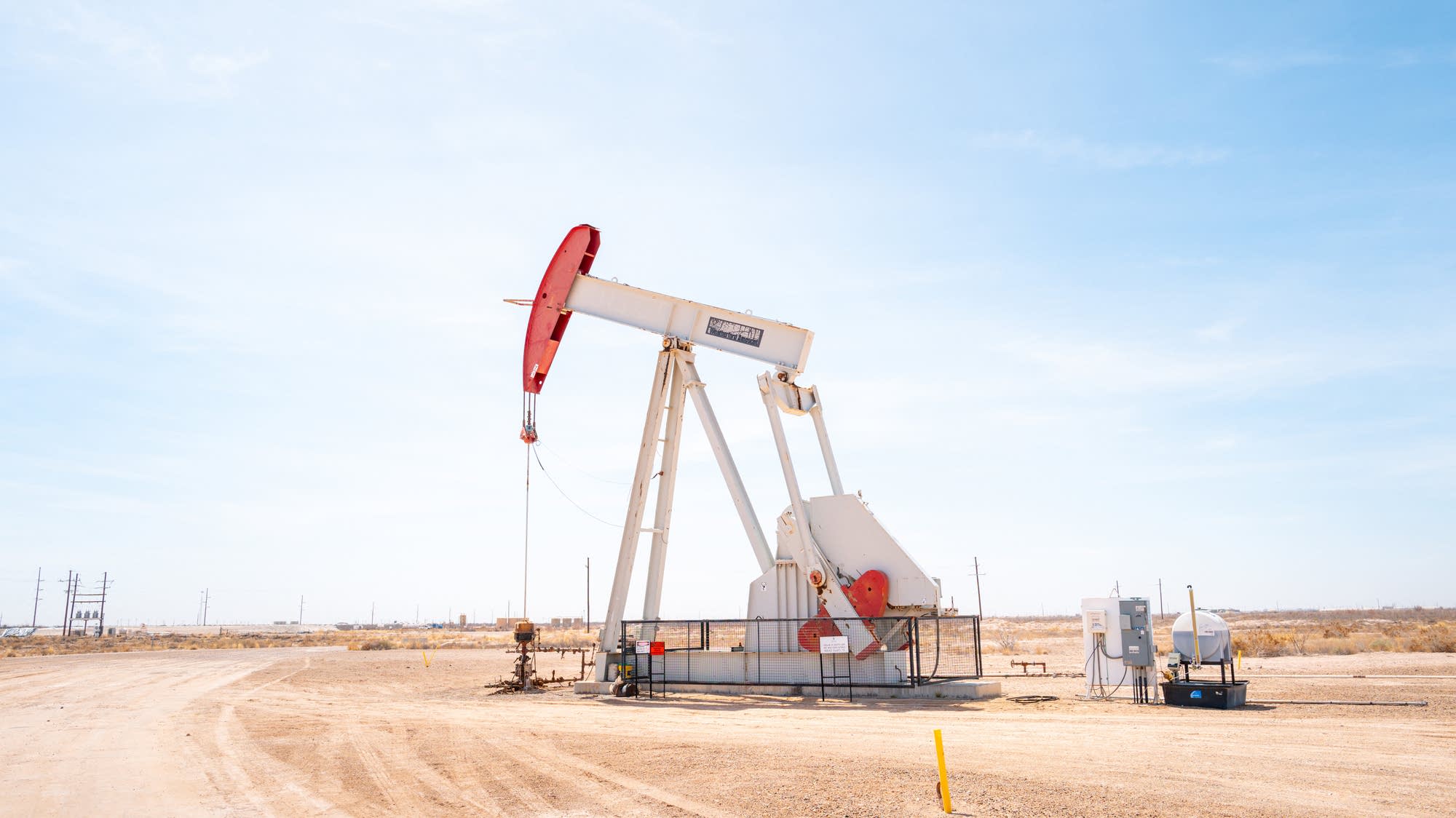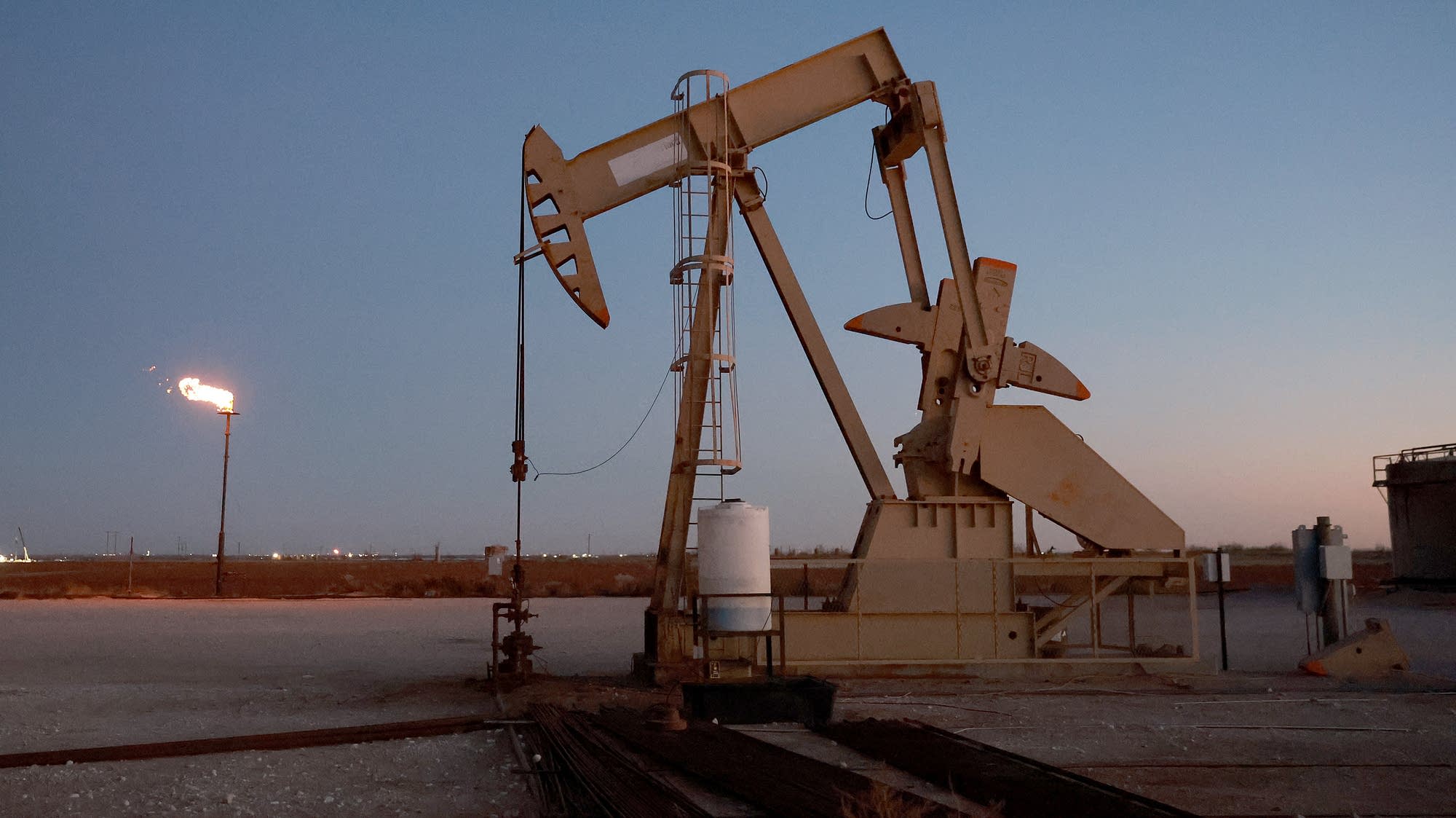
Oil and gas companies are starting to turn in their second quarter report cards, and thus far, the likes of ExxonMobil and Chevron have shown that they are raking in high earnings due to elevated wartime oil and refined product prices.Exxon hit record production out of the Permian Basin (the engine of U.S. oil production), but regardless of if you’re a Permian-only operator like Diamondback Energy or a big international oil major like Chevron, there’s one price lifting all boats out there.“The West Texas Intermediate, or WTI, crude oil spot price averaged about $95.75 a barrel in the second quarter,” said Andy O’Conor, senior vice president of energy and natural resources ratings at Morningstar DBRS. “[That’s] almost a $24-a-barrel increase from the average in the first quarter.” Employment and new oil rigs in the Permian Basin and other parts of Texas had been on the decline. But higher oil prices due to the war have reversed that trend, according to Karr Ingham, president of the Texas Alliance of Energy Producers. “We'll see how long it lasts, but that's that's an extraordinary story in 2026, is the rig count in Texas, in the Permian, ceasing to decline, and not only flattening out but turning north and going up pretty strongly in recent months,” Ingham said.And that drilling could boost production somewhat, he said. “You’re not getting another million barrels a day out of the Permian or out of Texas in the near term,” Ingham said. “You might get a few 100,000 barrels a day over the course of a few months.” Activity in the Permian Basin can only grow so much, because publicly traded companies are cautious.“We're not seeing them picking up rigs dramatically,” said Stephen Cunningham, a corporate energy reporter at Argus Media.That comes from a lesson the companies learned the hard way coming out of the pandemic when oil prices tanked. “They're desperate to avoid a return to the boom-bust cycles of the bad old days in the last decade,” Cunningham said.Capital discipline is key.“The investors don't want to hear that that they're increasing their drilling CapEx tremendously in a in a pricing environment … that's ridiculously volatile,” said Tom Seng, professor of energy finance at Texas Christian University. Even if war in the Middle East is dragging on longer than expected, prices are too volatile for making too many long-term investments.
High oil prices lift all boats in the Permian Basin, but companies remain cautious
Oil companies that drill in West Texas are seeing big wartime profits, but many are holding back on aggressive capital spending, wary of repeating the boom-bust cycles that followed the pandemic when prices collapsed after a drilling surge.
393 words~2 min read