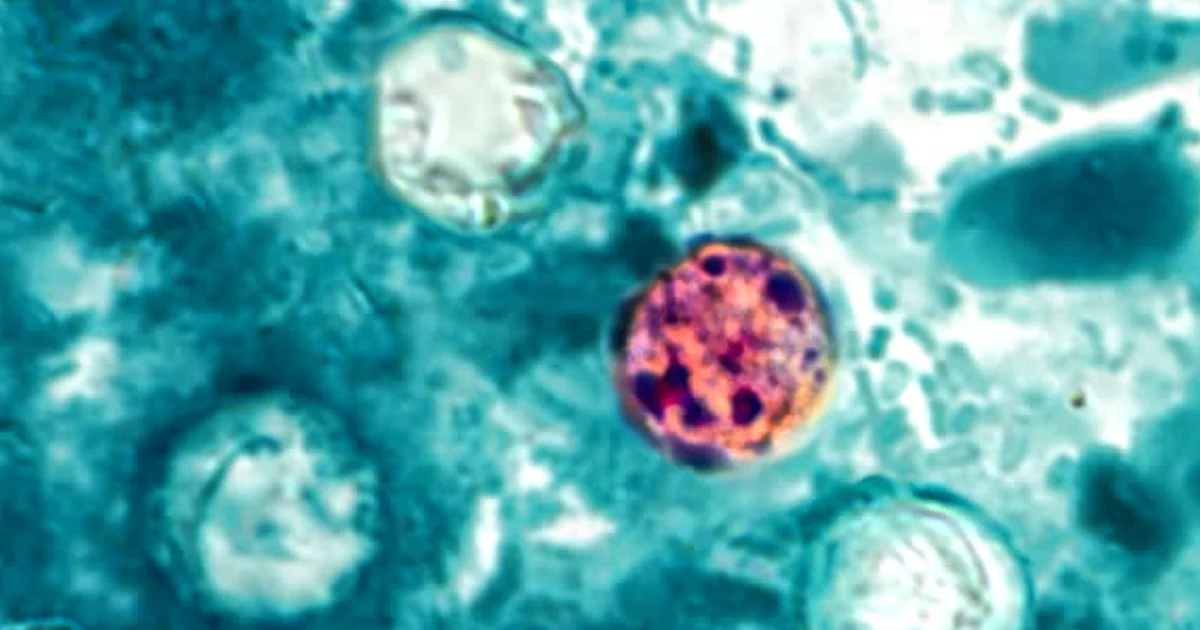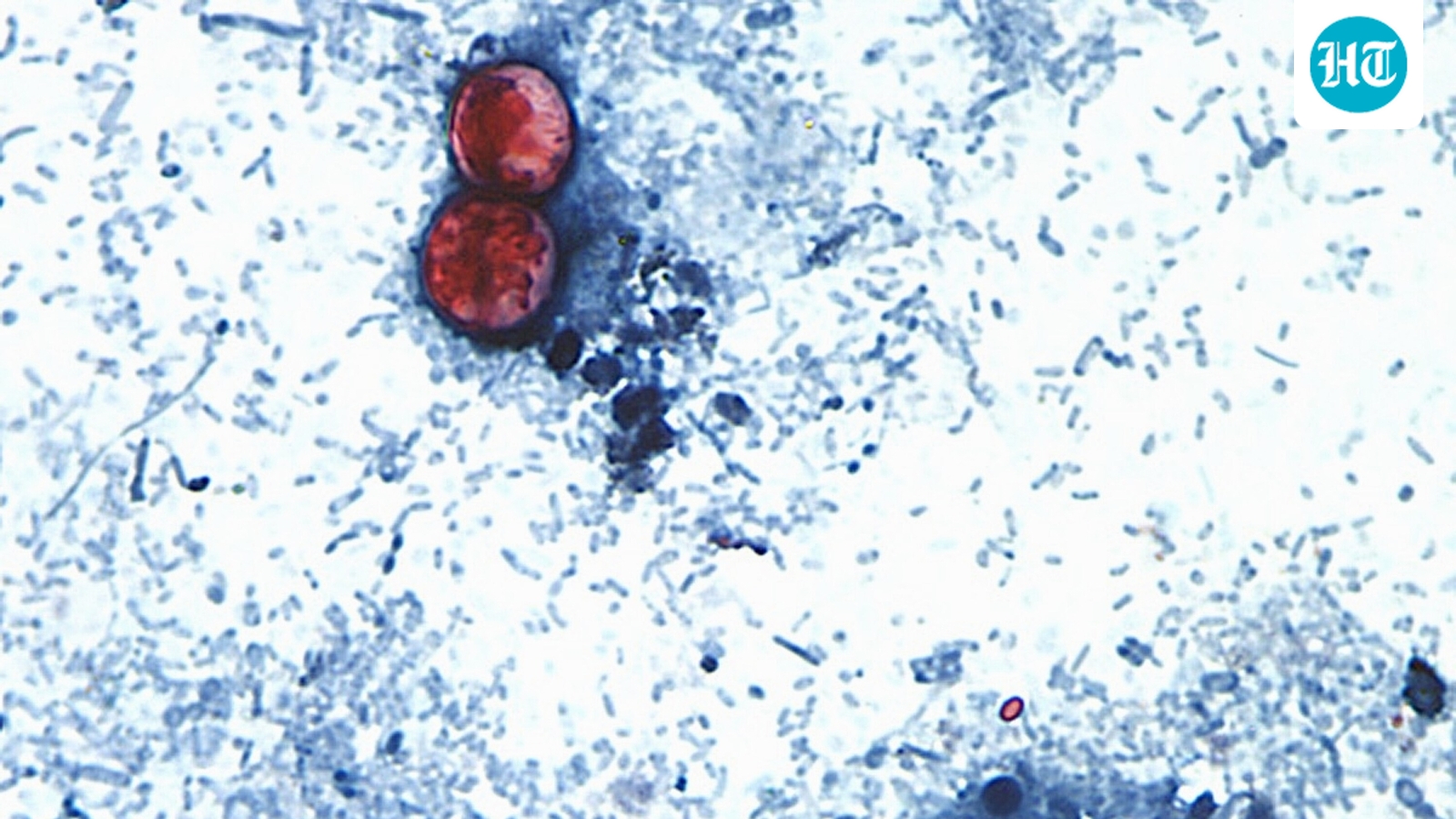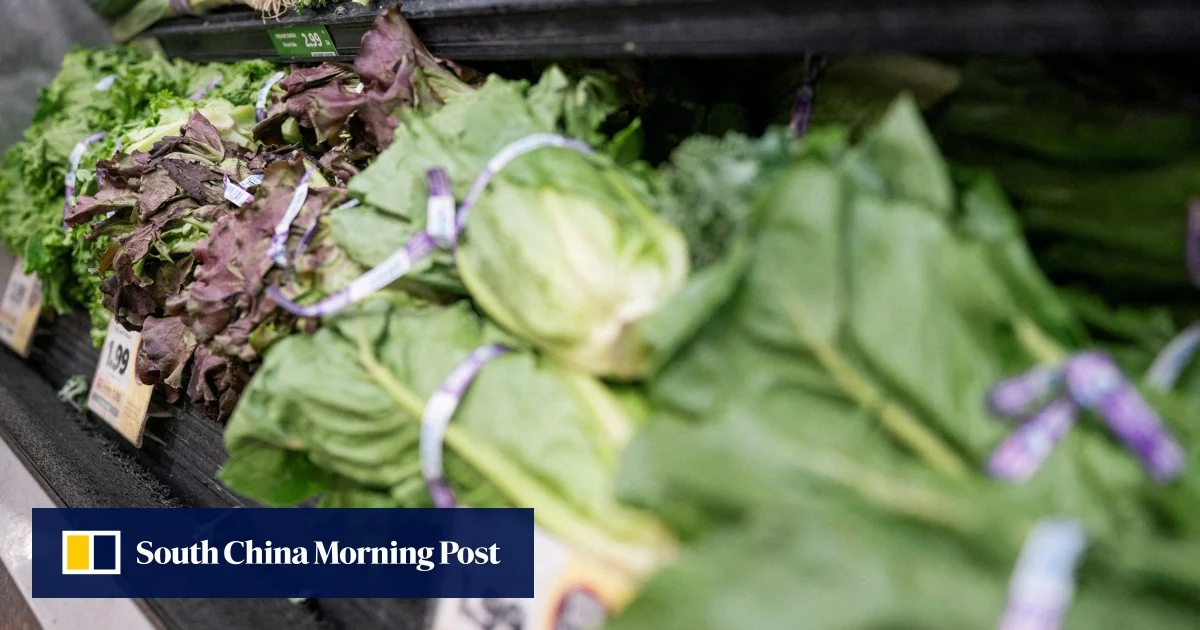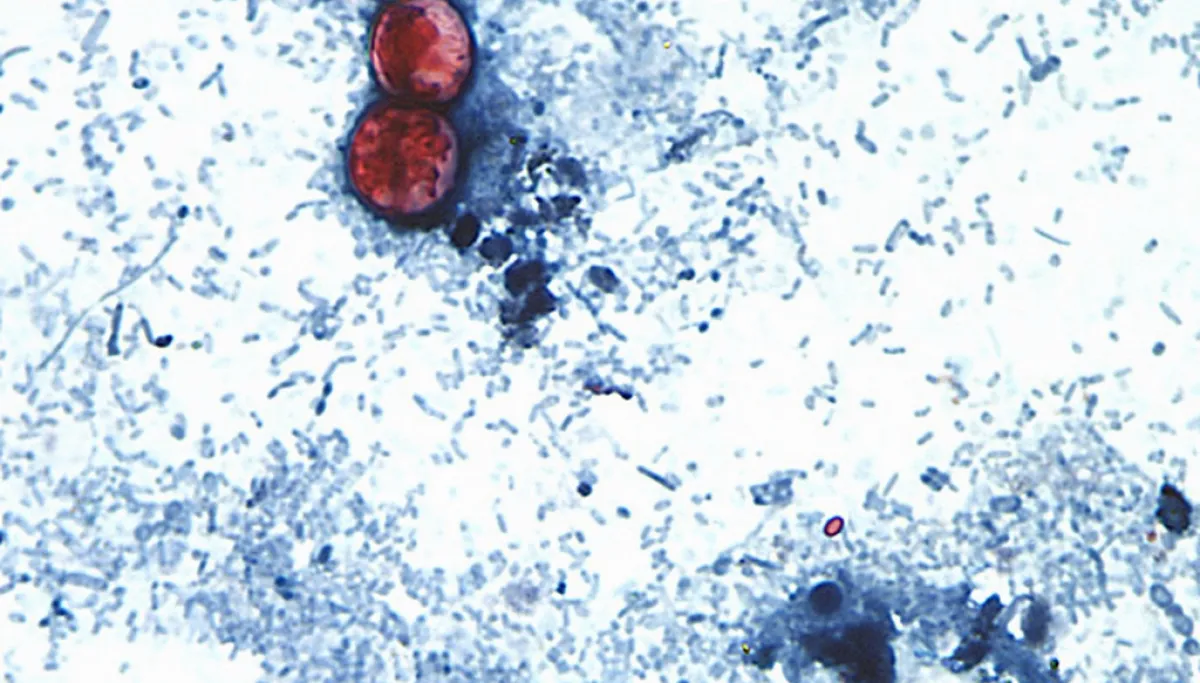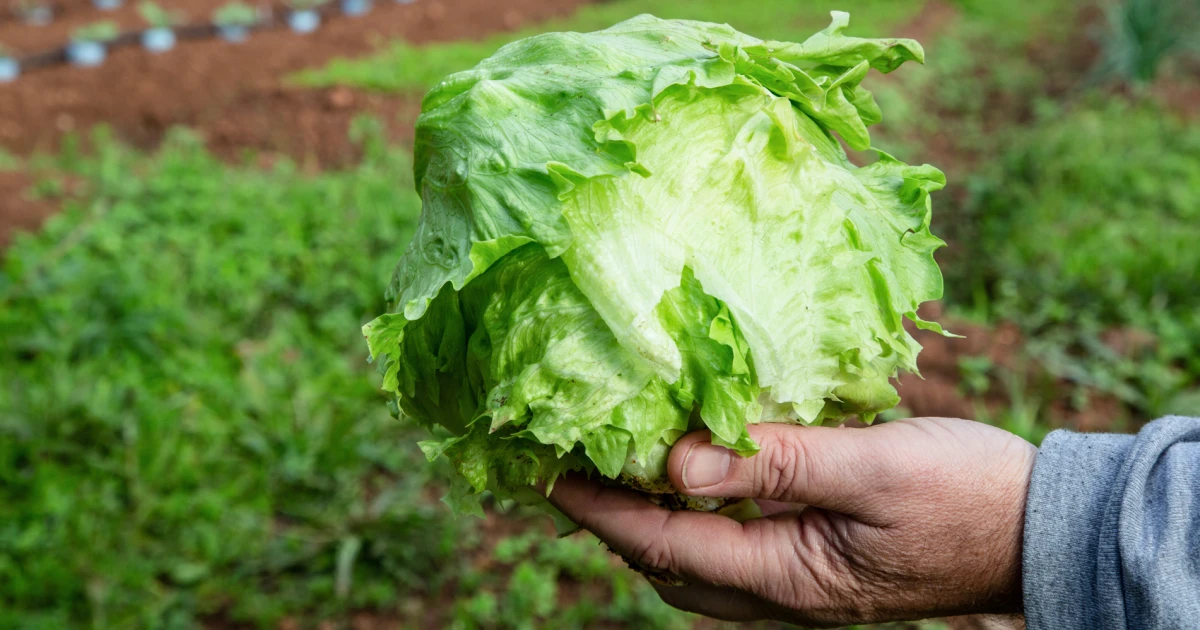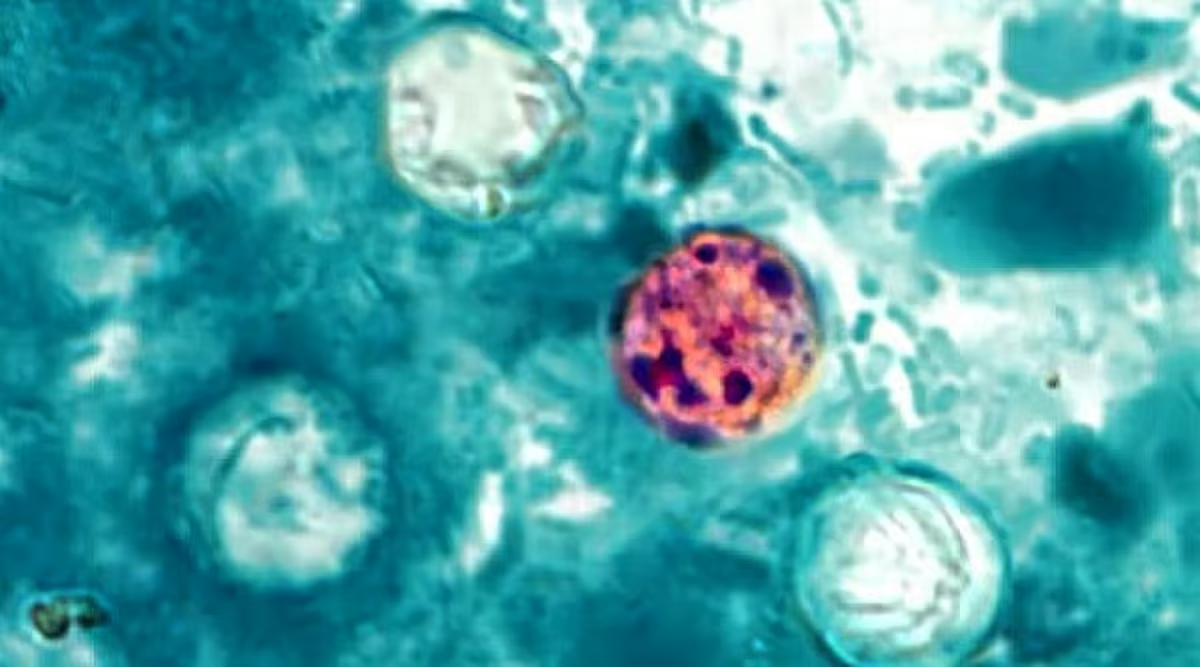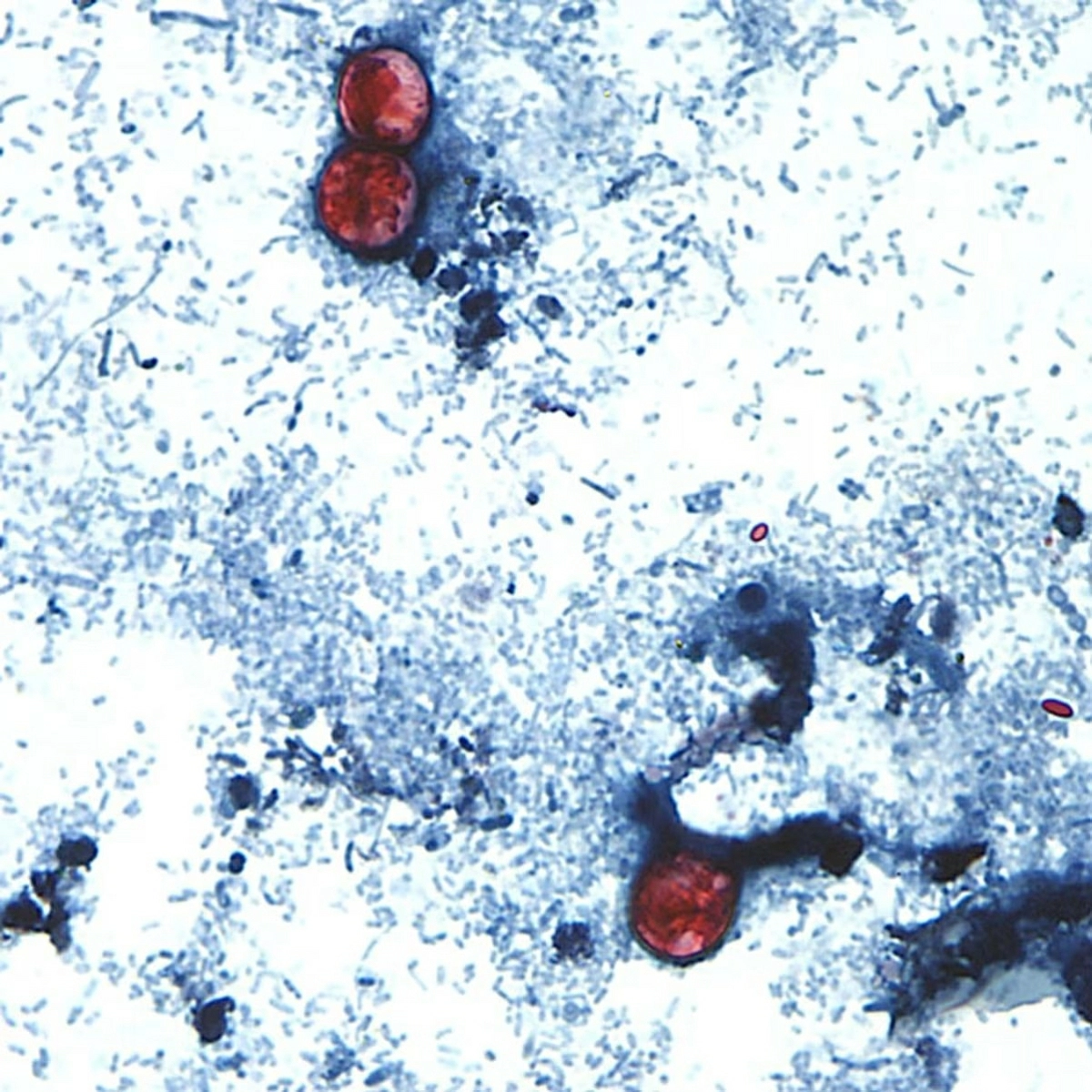
Update (Aug. 3, 2026): This story has been updated to include the news that Michigan has confirmed two people have died as part of the cyclospora outbreak, although the CDC says the illness is usually not life threatening.There are more than 6,700 confirmed cases of cyclosporiasis in the country and 11,500 unconfirmed cases across 45 states as of July 28, according to the Centers for Disease Control and Prevention. Taylor Farms, also known as Taylor Fresh Foods, announced earlier this month that it was voluntarily removing all iceberg lettuce that it had sourced from central Mexico. The company is a supplier for many supermarkets, including Whole Foods, Walmart, Target and Albertsons, along with fast-food chains like Taco Bell.Recalled products were distributed in dozens of states, including Alabama, Arkansas, Florida, Michigan, Ohio, Pennsylvania, Texas and Wisconsin. Taco Bell has also removed affected Taylor Farms lettuce from its restaurants. There are 1,947 people infected with cyclospora across nine states who reported exposure to Taco Bell, including Illinois, Indiana, Kansas, Michigan and Pennsylvania, according to the CDC. Cyclospora is a parasite that can cause frequent diarrhea. Last week, the Food and Drug Administration said that a sample of Taylor Farms lettuce was found to be a false positive for cyclospora. However, the FDA said that “does not change the basis” for its ongoing investigation into the outbreak or the data supporting the recall by Taylor Farms. “Even though there was a false positive linked to a batch of Taylor Farms lettuce that wasn’t part of the recall, the FDA has been clear that the agency’s evidence shows a link between the illnesses reported and a farm in central Mexico,” said Laurie Beyranevand, director of the Center for Agriculture and Food Systems at Vermont Law and Graduate School.We spoke to food systems and food safety experts about how you can protect yourself, how the supply chain for produce can lead to big outbreaks like these and the financial fallout from cyclospora. Should you still be worried about the outbreak?Francisco Diez-Gonzalez, director of the Center for Food Safety at the University of Georgia, said he wouldn’t necessarily use the word “worry,” but consumers should be aware about the outbreak and follow the latest updates from regulatory agencies.On Monday, Michigan health officials reported that two people have died as part of the ongoing outbreak. They are the first confirmed deaths related to cyclospora in the U.S. Health officials say both had "significant underlying health conditions."However, cyclospora is "not usually life-threatening," according to the CDC.Other pathogens like E.coli and salmonella are as likely to get someone sick in small quantities, but they lead to more fatalities, said Jaydee Hanson, policy director at the Center for Food Safety.Even though cyclospora has dominated the headlines in recent weeks, people should be proactive about the threat of foodborne illnesses in general. “I think we should always be cognizant of the fact that we can contract a foodborne illness from our food,” said Carolyn Dimitri, a professor of food studies at New York University. Dimitri pointed out that there are 48 million cases of foodborne illness a year.What’s been contaminated? Iceberg lettuce is the only produce confirmed to be linked to this cyclospora outbreak, Diez-Gonzalez said. In the past, other foods that have been commonly linked to cyclospora include basil, cilantro, parsley, blackberries and raspberries. There are other sources of lettuce, like romaine, that have no confirmed relationship with the outbreak, Diez-Gonzalez said. “A lot of romaine lettuce is not grown in Mexico. It's grown in California or in Arizona,” Diez-Gonzalez said. How to protect yourself When buying produce, there are ways you can mitigate risks. “So far, the outbreak has been linked only to iceberg lettuce, but to be extra cautious, consumers could buy full heads of greens rather than the bagged and prewashed versions, remove the outer leaves which are most likely to be contaminated, and thoroughly wash the rest,” said Laurie Beyranevand of Vermont Law and Graduate School. “Or, they could focus on vegetables that can be peeled or that they would eat cooked. Given the nature of this particular parasite, it’s not unlikely other products aren’t affected or that we won’t continue to see issues like this.”And you should practice good hygiene. “You have to wash your hands a lot. Wash your hands the way we used to wash our hands when we were all worried about getting COVID. I think we've sort of given up that practice,” said Carolyn Dimitri from New York University. Dimitri said it’s not practical to eliminate produce from your diet, but you should be judicious and be aware that some foods carry a higher risk. What role does market consolidation play in the outbreak? Taylor Farms makes 40% of all packaged salads sold in the U.S. and supplies 265 million servings of fresh food across North America each week, according to the company.“We need companies like Taylor Farms because we have huge companies at the retail level and at the food service level that demand that amount of produce to be delivered,” Diez-Gonzalez said. But if the source for food comes from a single company, and that food is contaminated, that magnifies the spread of the outbreak, Diez-Gonzalez said. “An outbreak like this is definitely unprecedented. We have not seen this number of people getting sick from cyclospora,” Diez-Gonzalez said. Taylor Farms has been linked to other outbreaks before and has had to issue recalls. For example, in 2024, the company supplied McDonald’s with the slivered onions that were connected to numerous E.coli cases. In 2013, there was another cyclospora outbreak linked to lettuce from the company. What’s been the financial fallout for these companies? Taco Bell’s same-store sales dipped this quarter, experiencing a peak drop in mid-July, but they’re beginning to recover, said executives of Yum Brands, Taco Bell’s parent company, in a post-earnings call on Thursday. Overall, sales are down 2%. Consumers have become “increasingly aware that this is an industry-wide issue,” said Yum Brands CEO Chris Turner in the call. While regulatory agencies haven’t confirmed that other restaurants are linked to the outbreak, Taco Bell isn’t the only one that faced a sales hit. Chipotle executives say that its late-July sales dipped, even though the company’s lettuce comes from California and isn’t affected. Chipotle also uses romaine lettuce, not iceberg. However, the company was able to beat second-quarter expectations and raised its full-years sales forecast. Taylor Farms may not have to work as hard as other companies to regain consumers’ trust because their products go to other companies, said Darin Detwiler, a food safety expert and an associate teaching professor at Northeastern University.
Should you still be worried about getting cyclospora?
There are now cases across 45 states.
1,105 words~5 min read