Monday, August 3rd 2026 - 00:30 UTCFull article
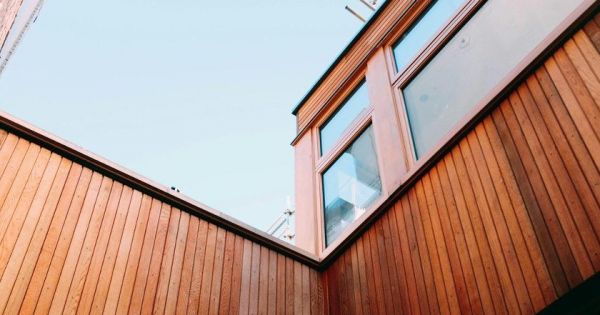
Russia holds roughly a fifth of the world's forest area, and for two decades one species from that vast resource dominated Europe's timber facades: Siberian larch. Dense, cheap for what it offered, and shipped west in enormous volumes, it became the default cladding board from Norway to the Netherlands. Then, in 2022, the trade stopped almost overnight — and the European market has been improvising ever since.
What makes the timber different
Larix sibirica grows across a huge belt of continental Russia where summers are short and winters brutal. Trees put on growth so slowly that the annual rings pack tightly together, producing kiln-dried timber commonly quoted at around 590 kilograms per cubic metre — markedly denser than Scots pine at roughly 510 or spruce at around 430.
That slow growth translates into practical advantages outdoors. Under the European EN 350 durability standard the heartwood is generally rated class three, moderately durable, which in practice means decades of service in vertical cladding without any chemical treatment. Left uncoated, the boards weather from warm honey tones to an even silver-grey that many architects deliberately design for.