Germany's Energy Revolution: Wind and Solar Overtake Fossil Fuels for the First Time
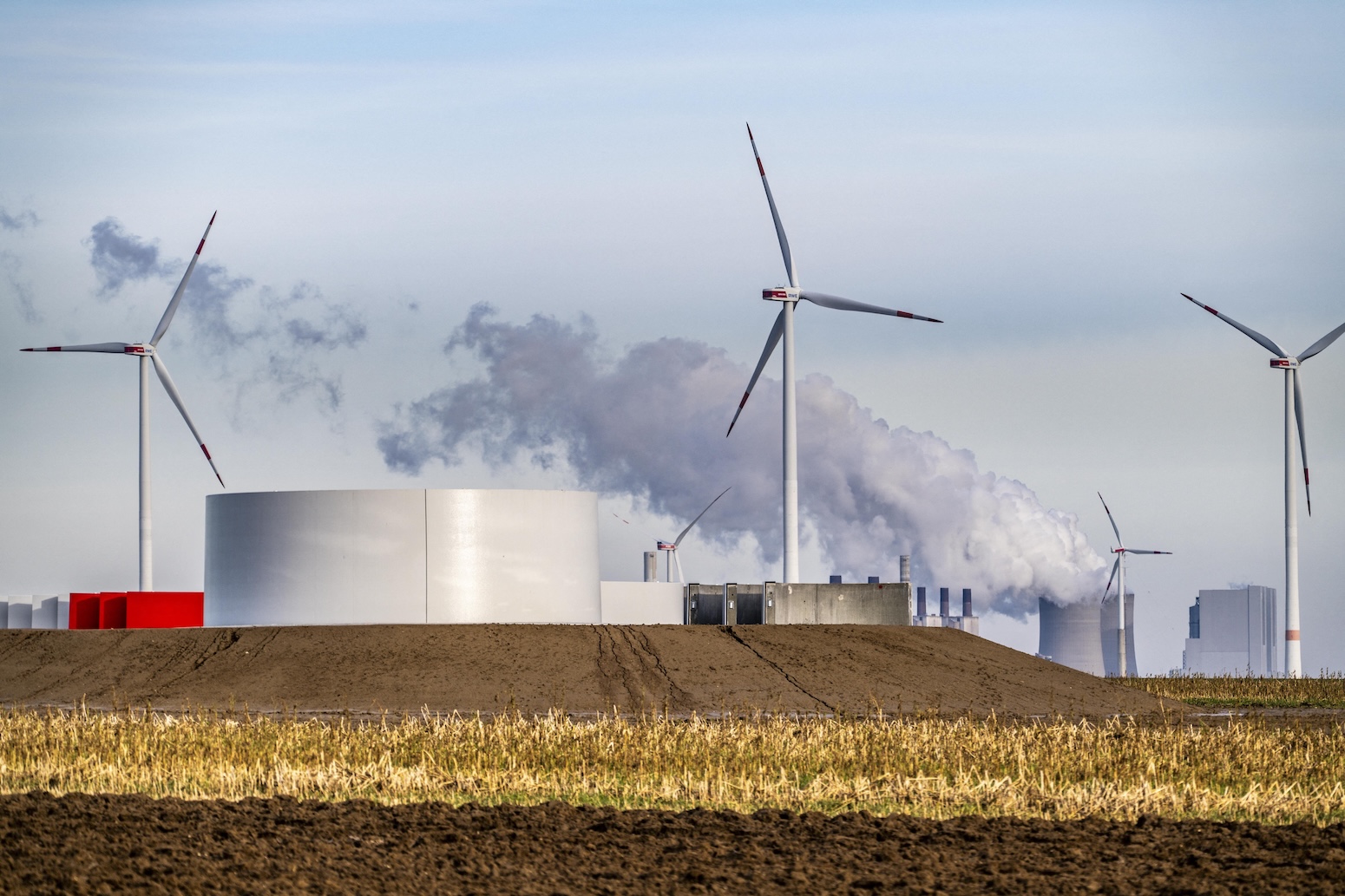
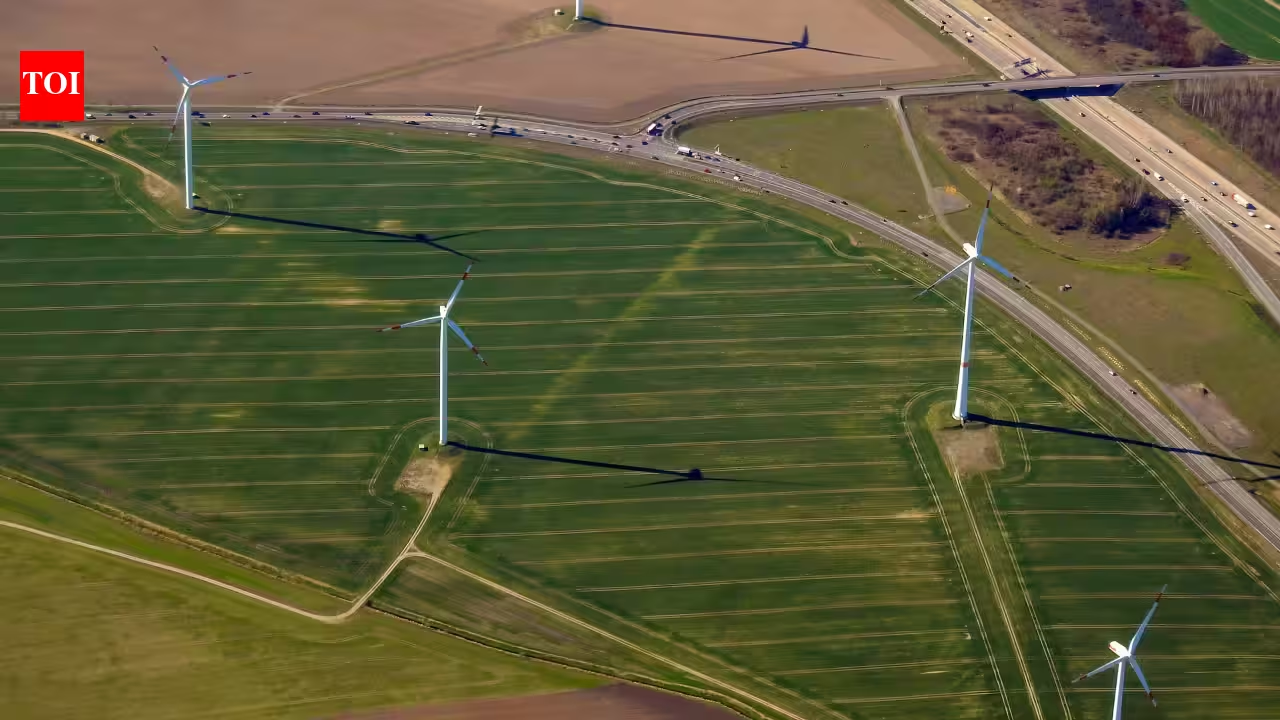
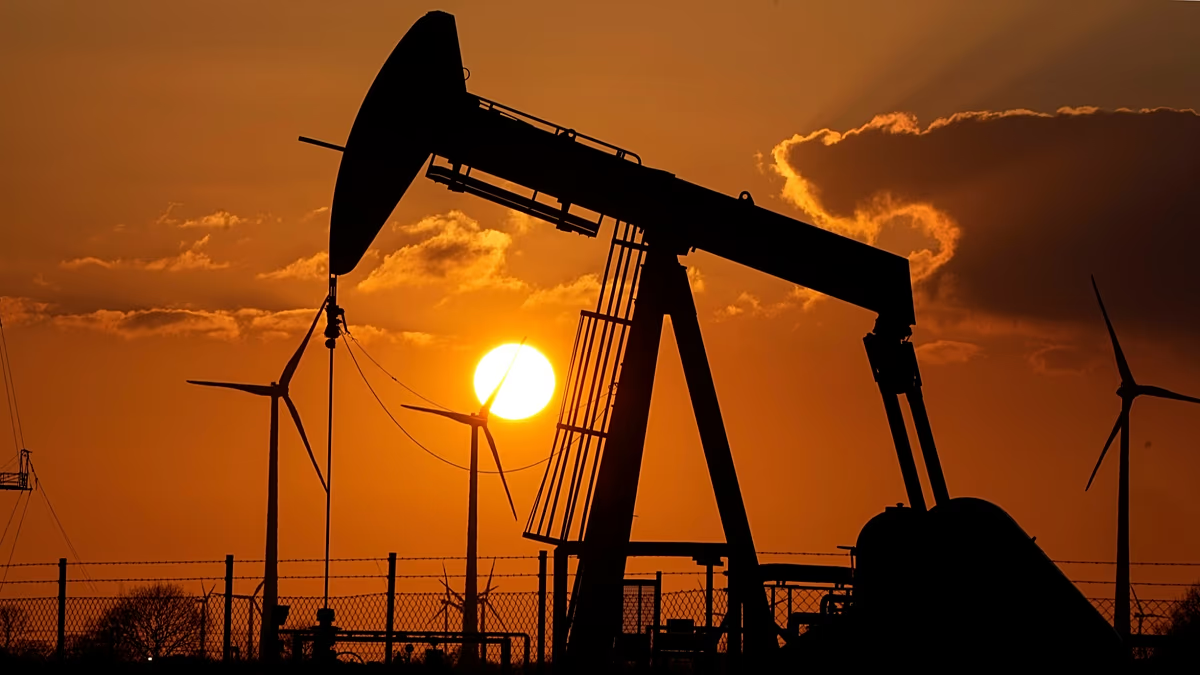
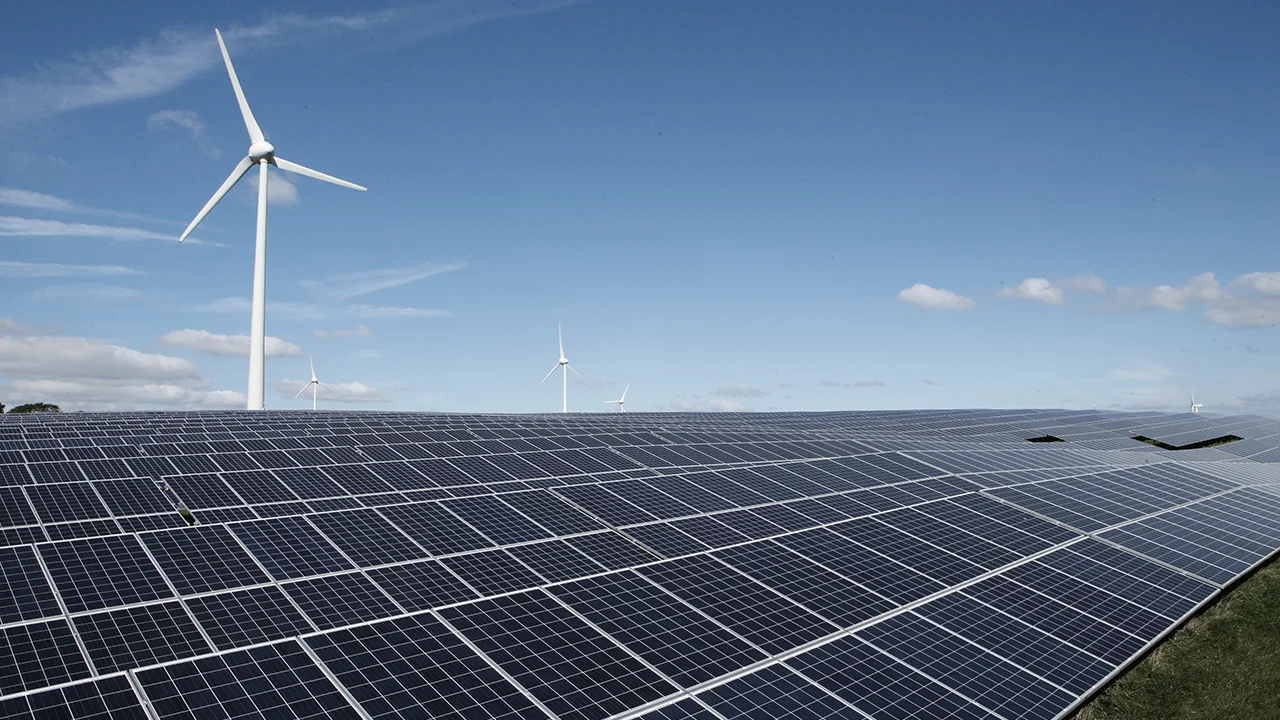
In 2026, Germany crossed a historic threshold: for the first time, wind and solar photovoltaic (PV) systems generated more electricity than fossil fuels across the year. This isn't just a statistic—it's a fundamental shift in how Europe's largest economy powers itself. According to data from the Fraunhofer Institute for Solar Energy Systems (ISE), renewable sources (wind, solar, hydro, and biomass) contributed over 62% of Germany's net public electricity generation, with wind and solar alone accounting for roughly 54%. Meanwhile, fossil fuels (coal, gas, and oil) fell to just 28% of the mix.
But what does this milestone actually mean? Is it a fluke of favorable weather, or a structural transformation? And what technical and policy lessons can other nations draw from Germany's 'Energiewende'?
The Numbers Behind the Milestone
Let's break down the figures that made headlines on Hacker News and across the energy world.