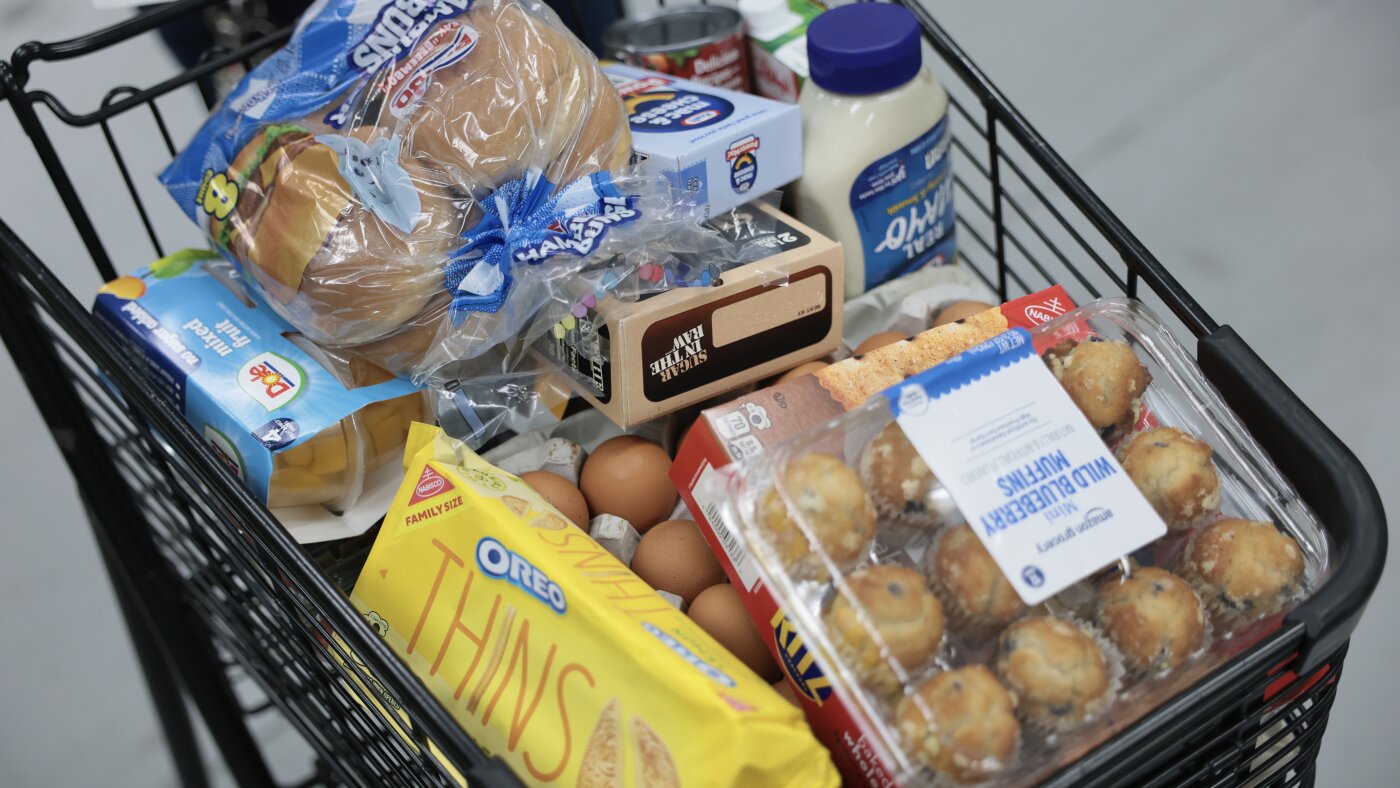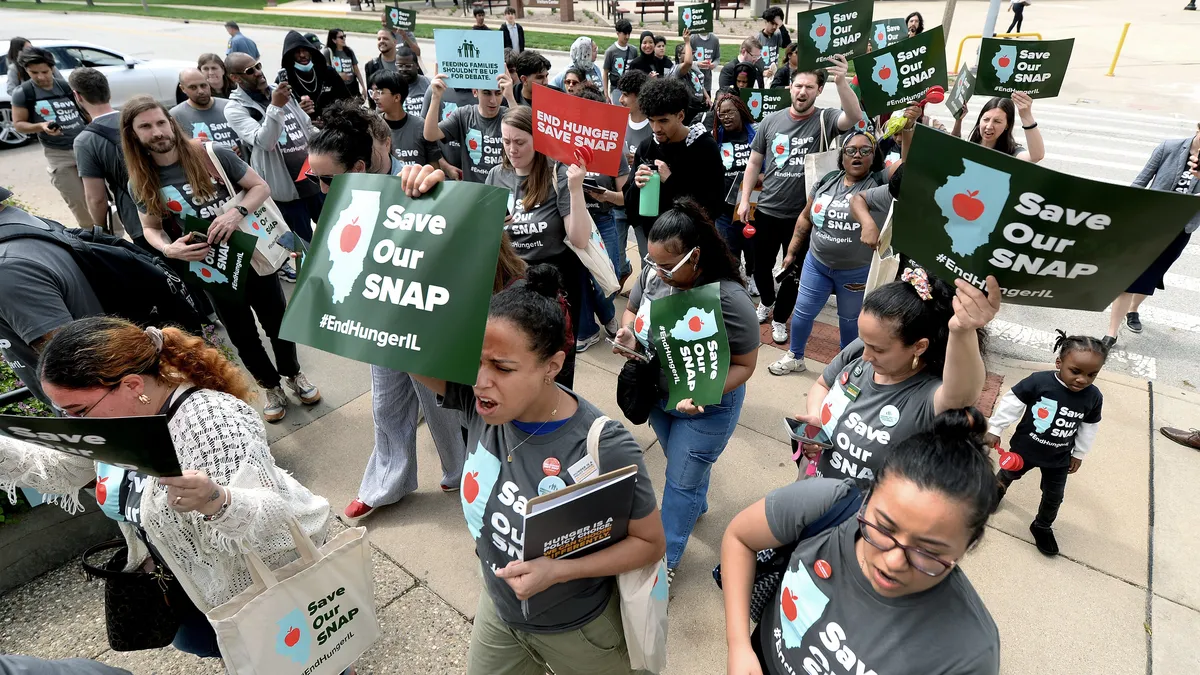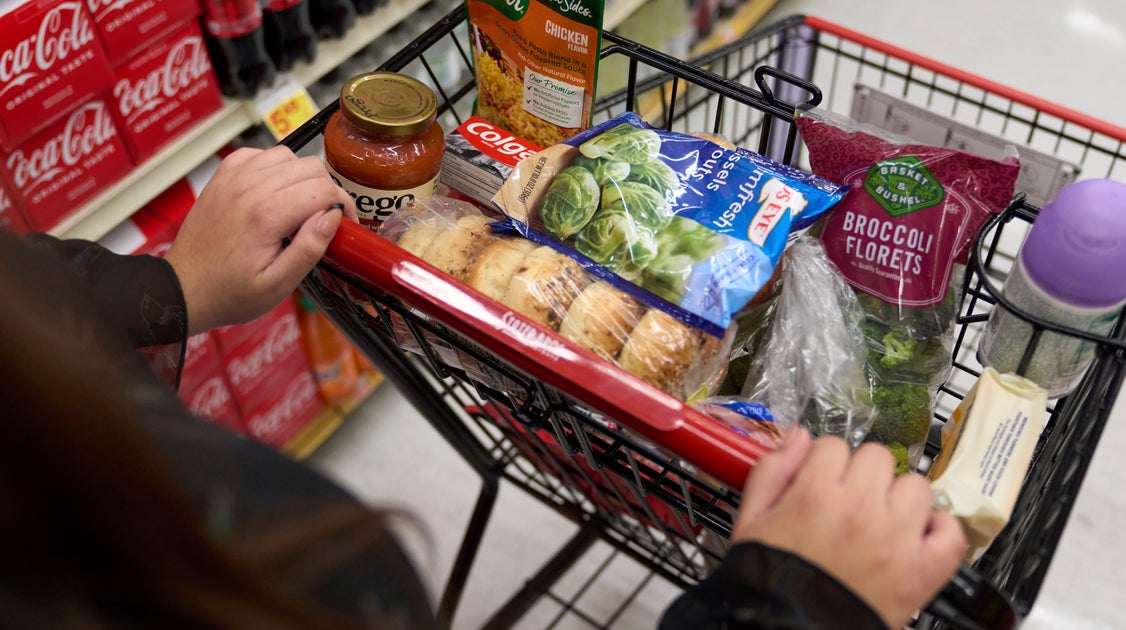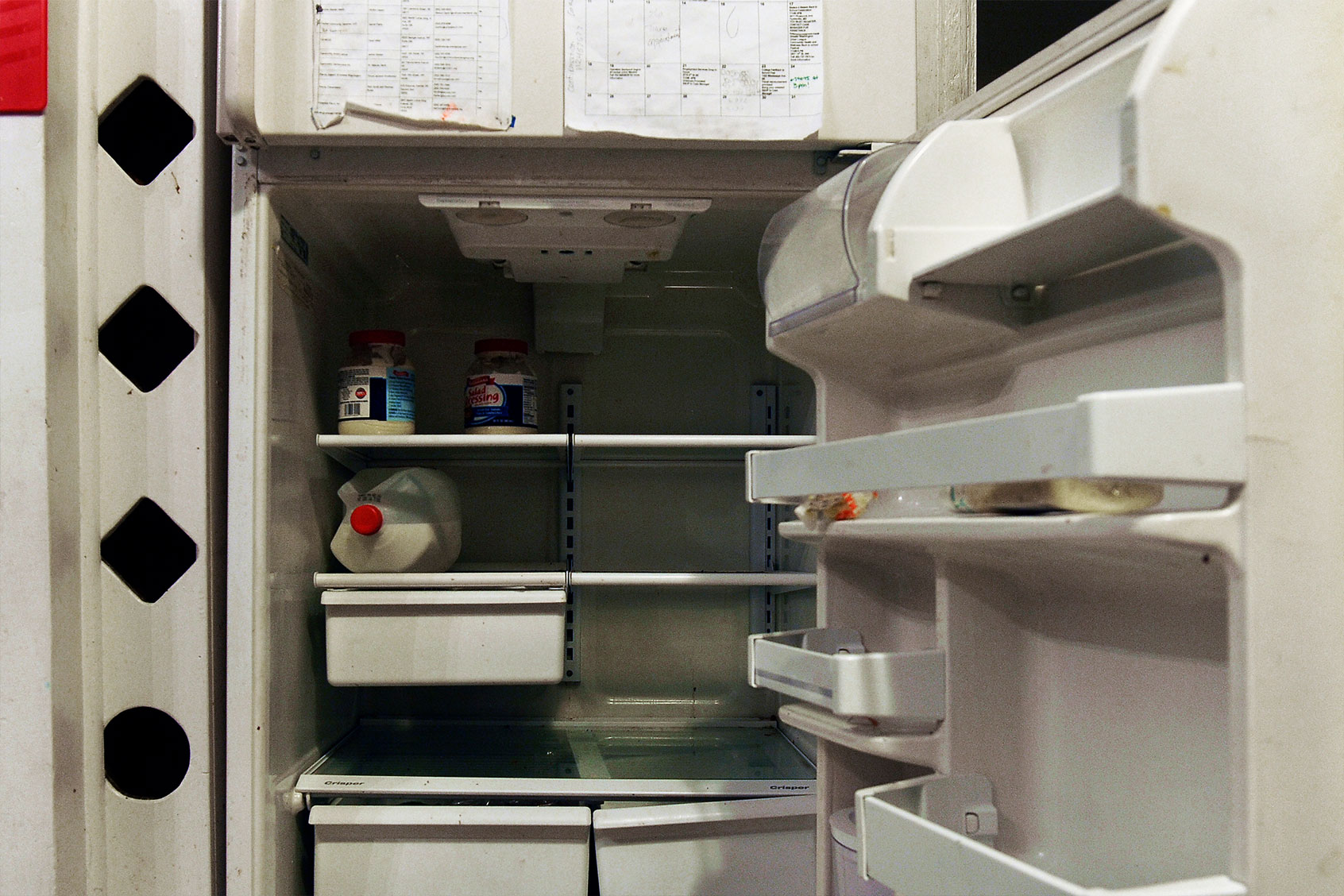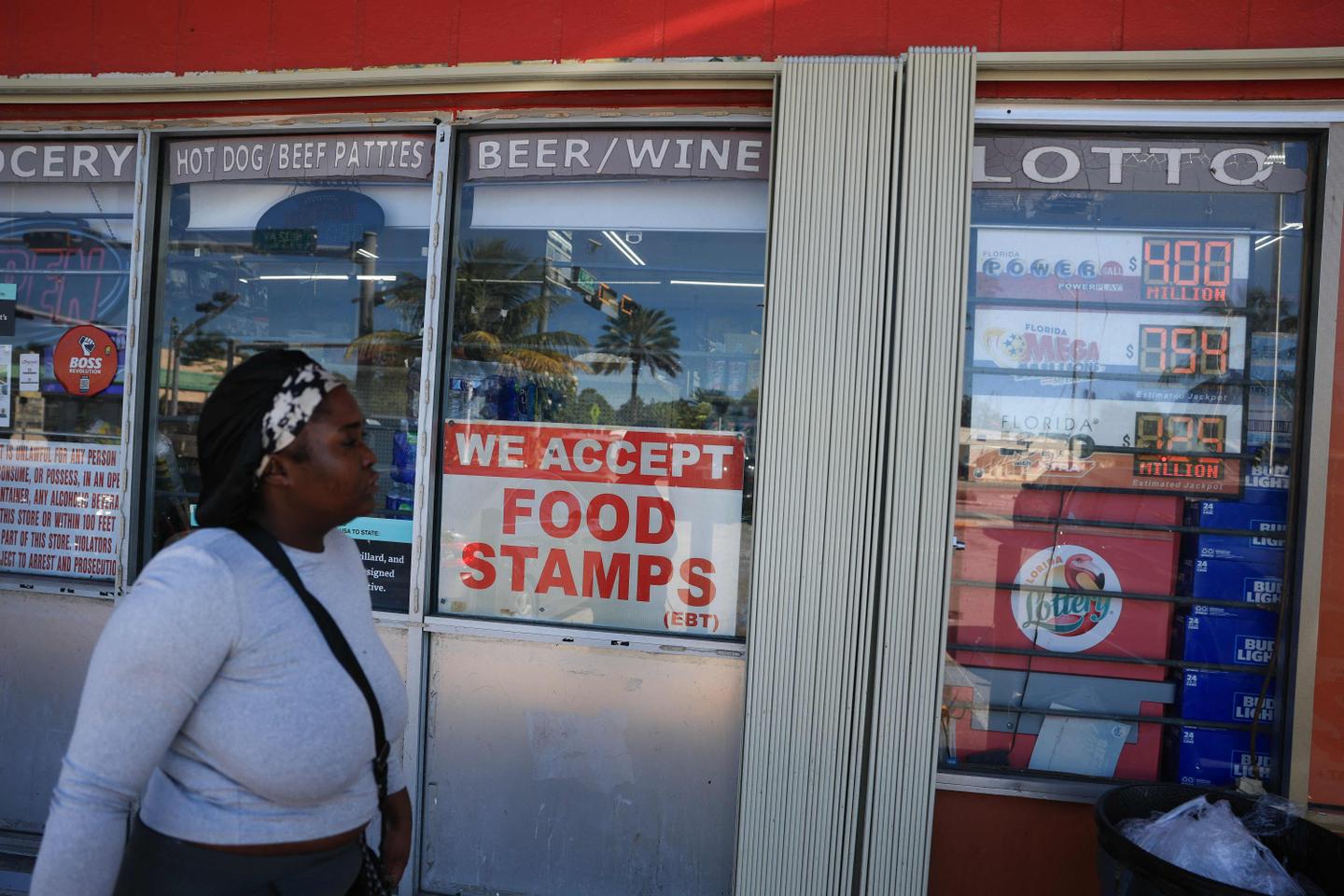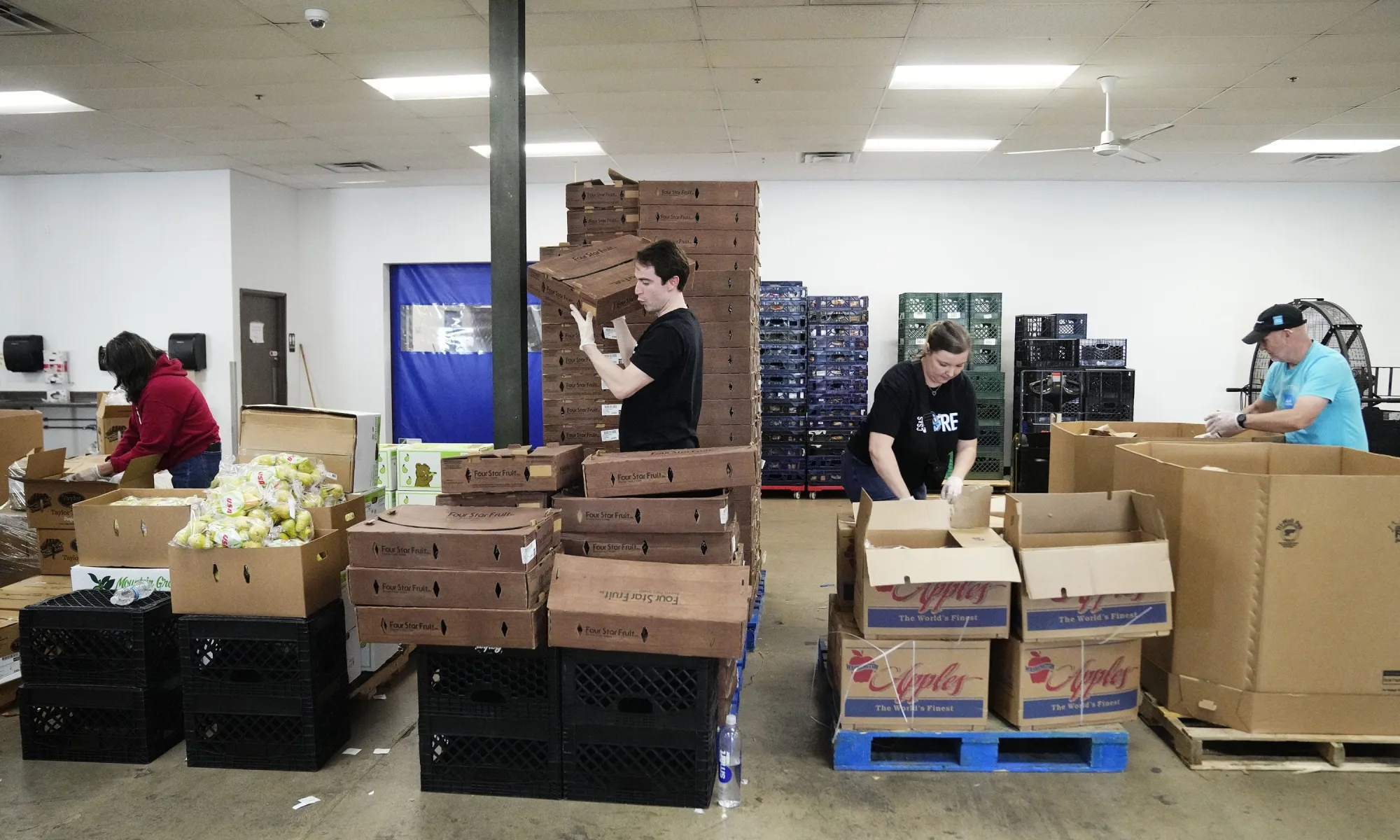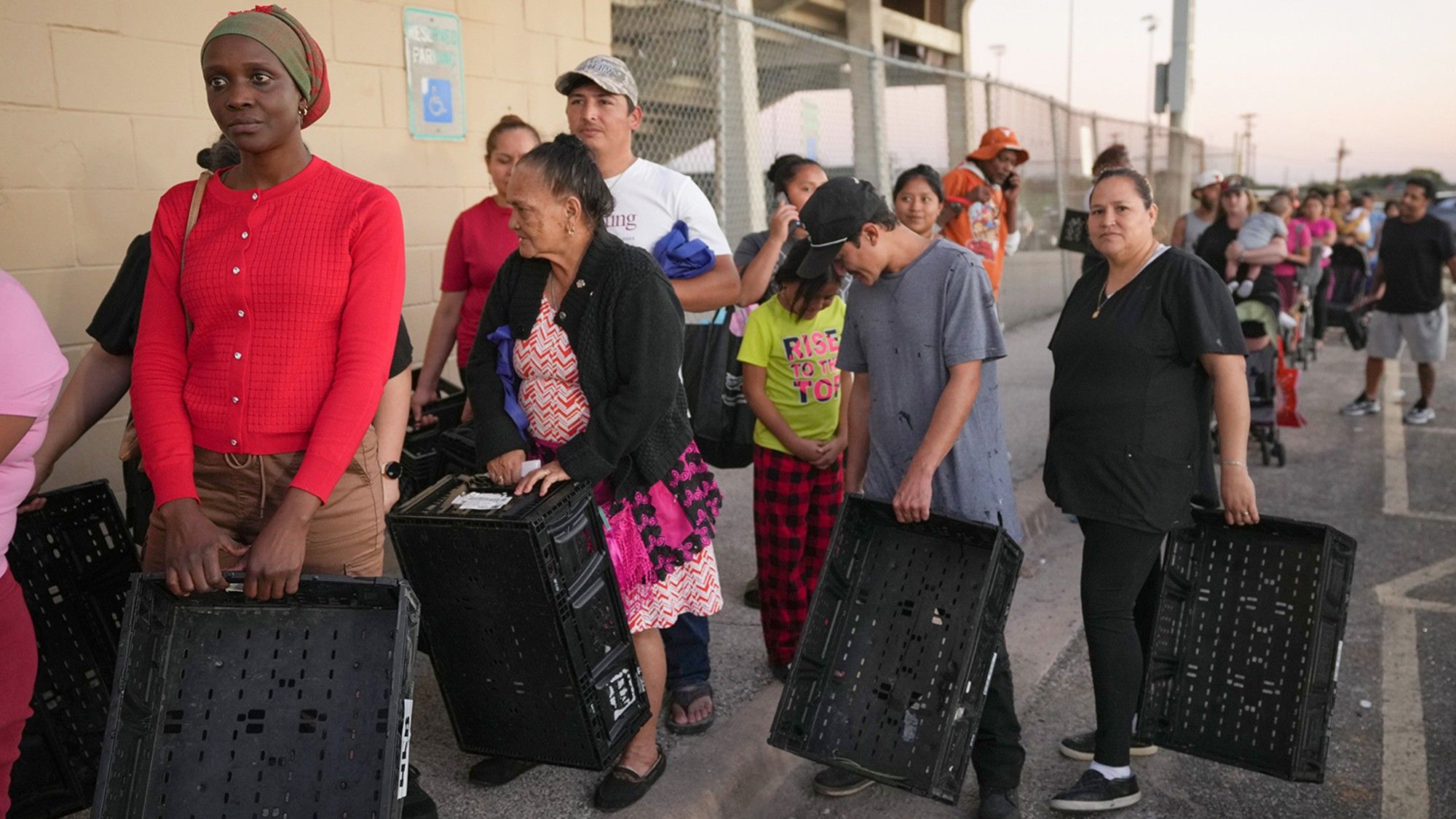
How big a problem is hunger in the U.S.? The nonpartisan Urban Institute reports that nearly 1 in 4 adults last year experienced household food insecurity, defined as not having enough to eat or knowing where the next meal may come from. That’s up from 1 in 5 in 2020. (The Trump administration stopped collecting data on food insecurity in 2025, saying the information was used to “fearmonger.”) For nearly 40 million low-income Americans, the Supplemental Nutrition Assistance Program—commonly known as food stamps—serves as a lifeline. The 62-year-old program gives recipients an average of $187 a month to spend on groceries. Qualifying households must have an annual income below 130% of the poverty line, which this year is $15,960 for a single person and $38,680 for a family of five. Nearly 80% of households receiving SNAP benefits have members who are over 60, disabled, or under 18. But more than 4 million people—including at least 776,000 children—have been dropped from the program’s rolls over the past year, largely because of changes to SNAP included in the One Big Beautiful Bill (OBBB) passed by the Republican-led Congress last summer. With grocery prices up by nearly a third since 2020, a growing number of Americans are now struggling to put food on the table. “I go to sleep thinking about what are we going to [eat],” said Dee McDonald, a 65-year-old cancer survivor raising three grandsons in Mesa, Ariz., and who last year lost her SNAP benefits. “I’m exhausted.”
Cutting the food safety net
Republicans tightened access to SNAP benefits. Millions more Americans are now going hungry.
309 words~1 min read