In a randomized trial, a novel system for autonomous control of supplemental oxygen for inpatients who needed it improved the proportion of time spent with adequate oxygen levels.The study showed safety of the approach and lower oxygen use overall compared with usual care.The trial could not assess clinical outcome effects like reduced respiratory decompensation, shorter hospital stays, or improved survival.
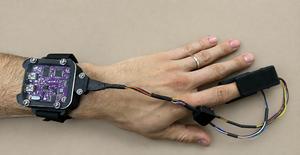
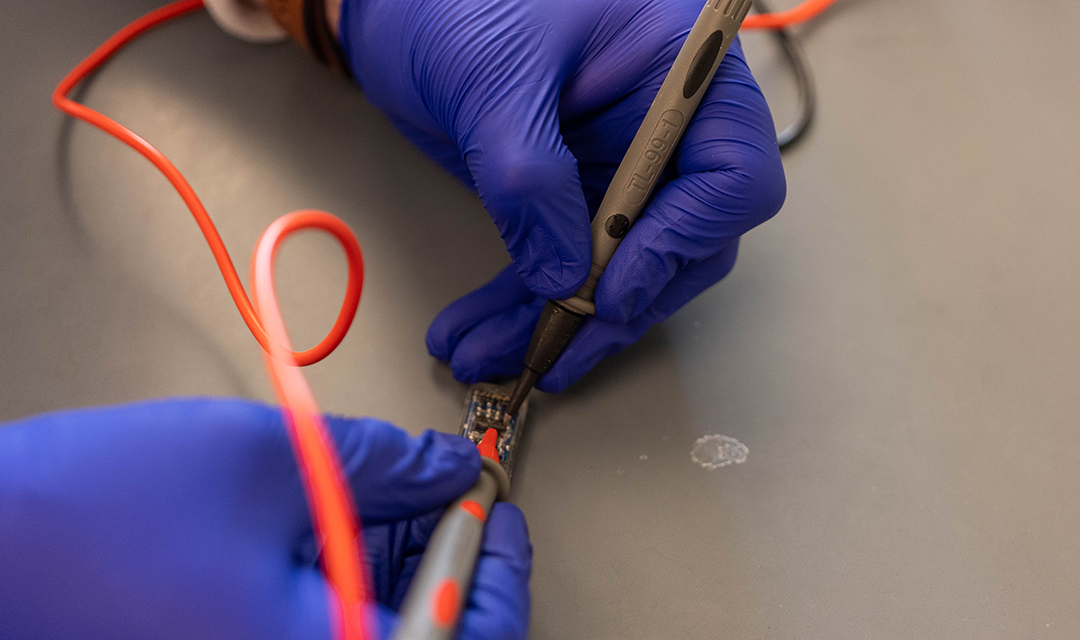
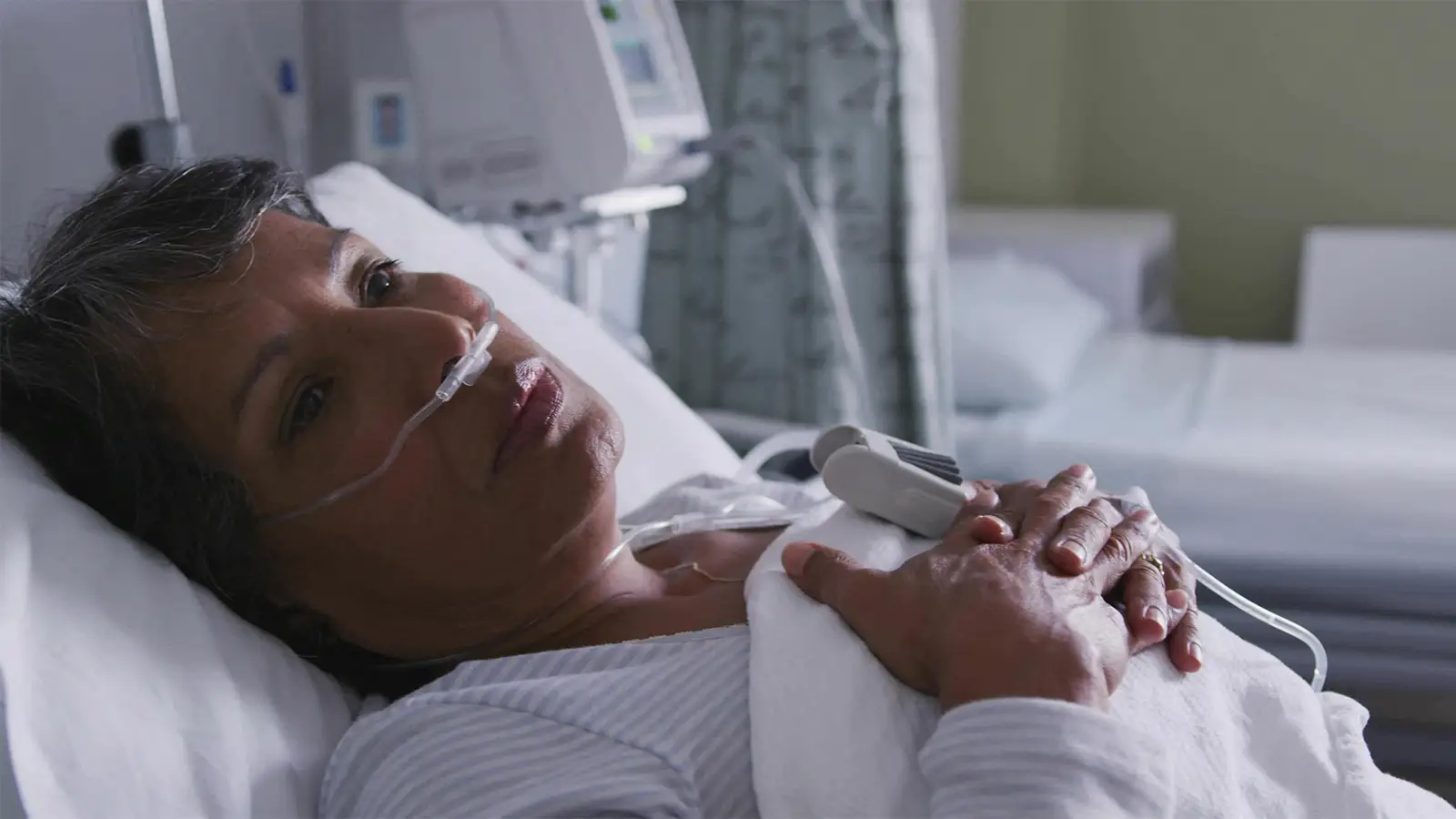
A novel system for autonomous control of supplemental oxygen for adult inpatients who needed it for acute illness or injury improved the proportion of time spent with adequate oxygen levels, the SAVE-O2 AI trial showed.
The proportion of time spent in the targeted normal oxygen saturation range of 90-96% was an adjusted 21 percentage points higher compared with manual oxygen titration by clinicians over the first 72 hours (85% vs 63%, P<0.001), reported David Douin, MD, MSc, of the University of Colorado Anschutz School of Medicine in Aurora, and colleagues in JAMA Internal Medicine.
Use of the closed-loop system to automatically adjust the flow of oxygen to maintain the target range also cut mean time spent in the hypoxic range under 88% compared with usual care (2.0% vs 3.6%, P=0.002), they said. The findings also were presented at the Military Health System Research Symposium in Kissimmee, Florida.