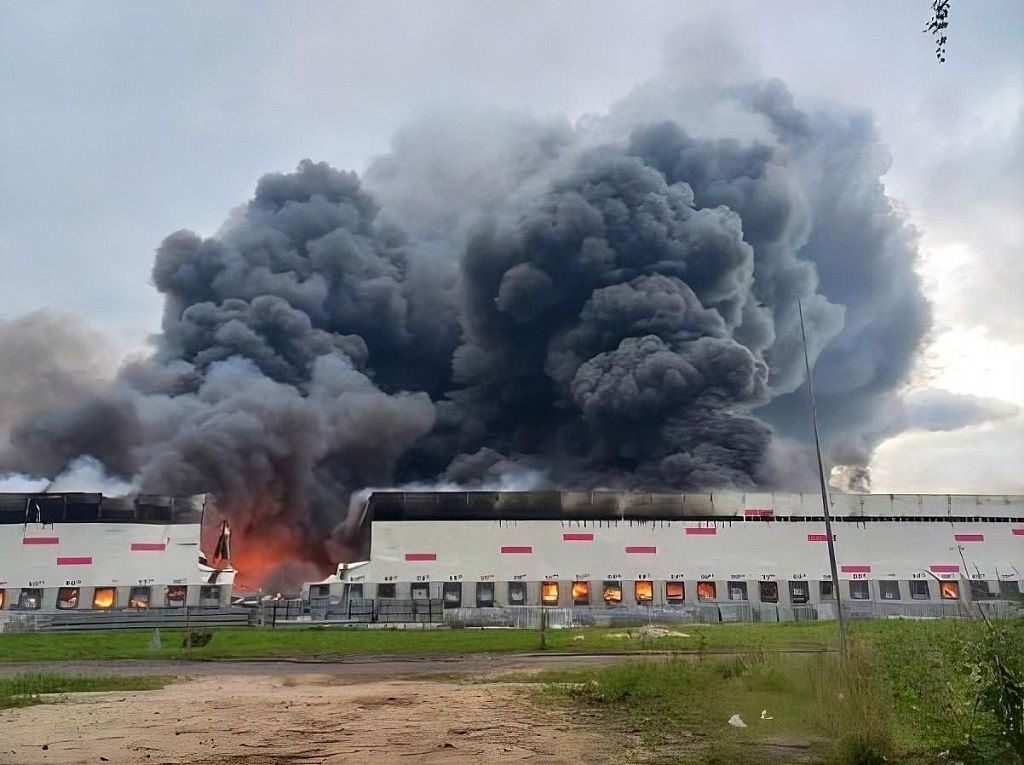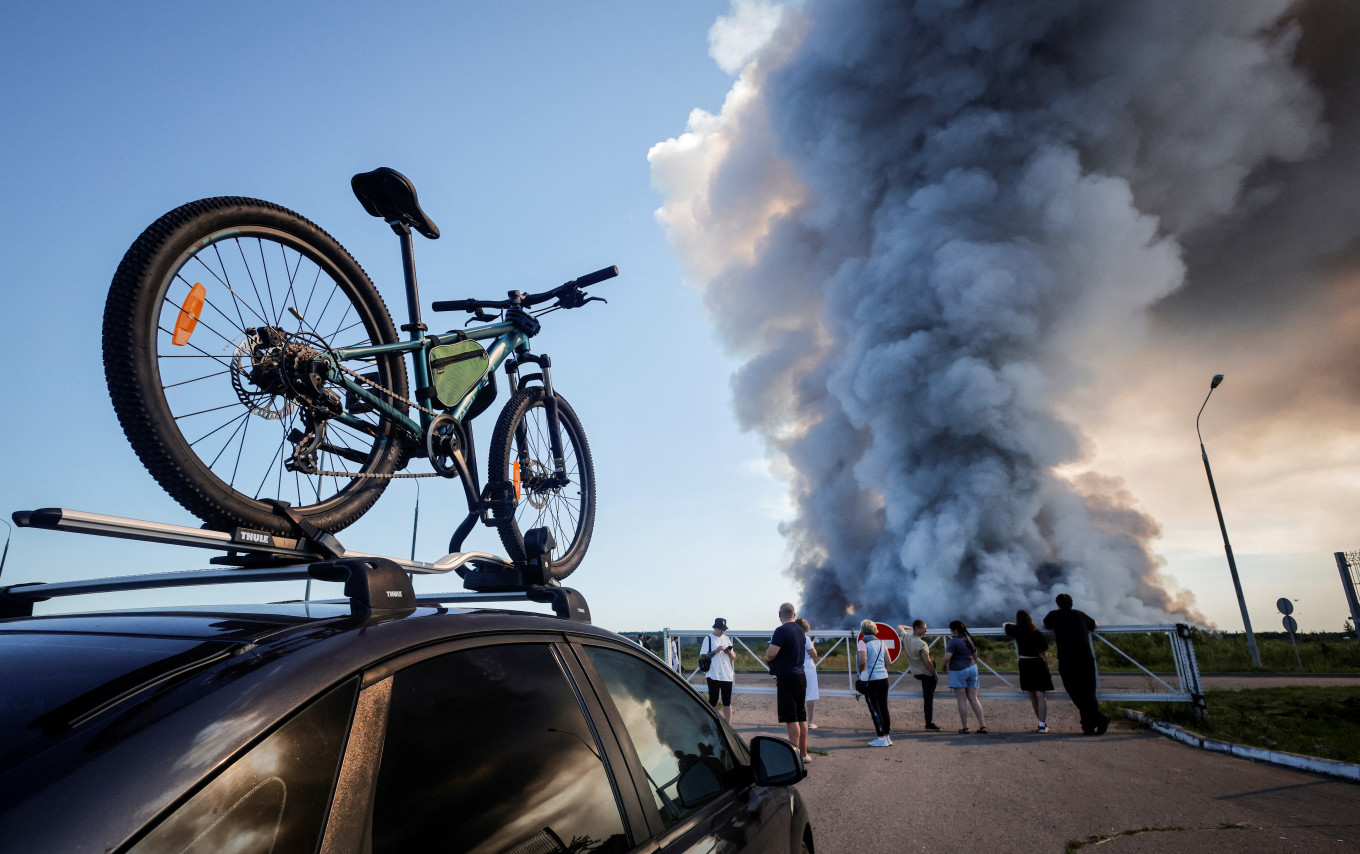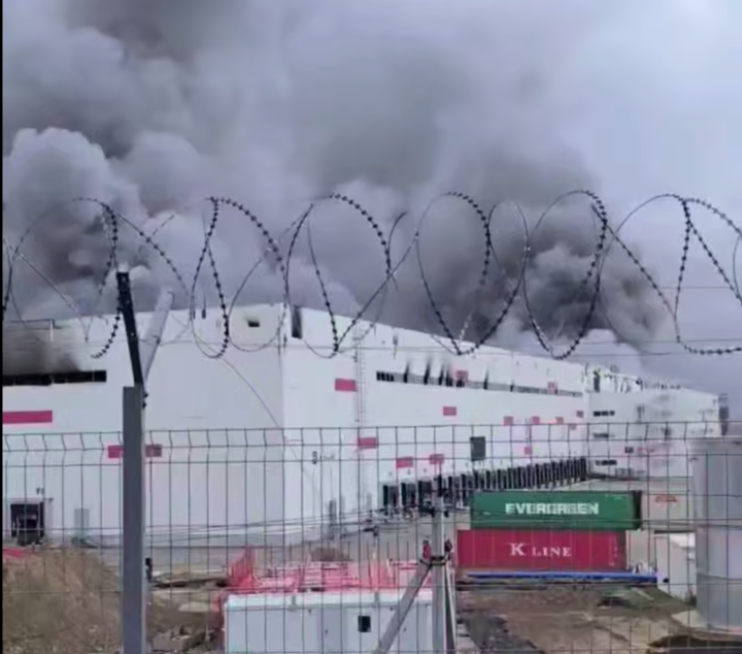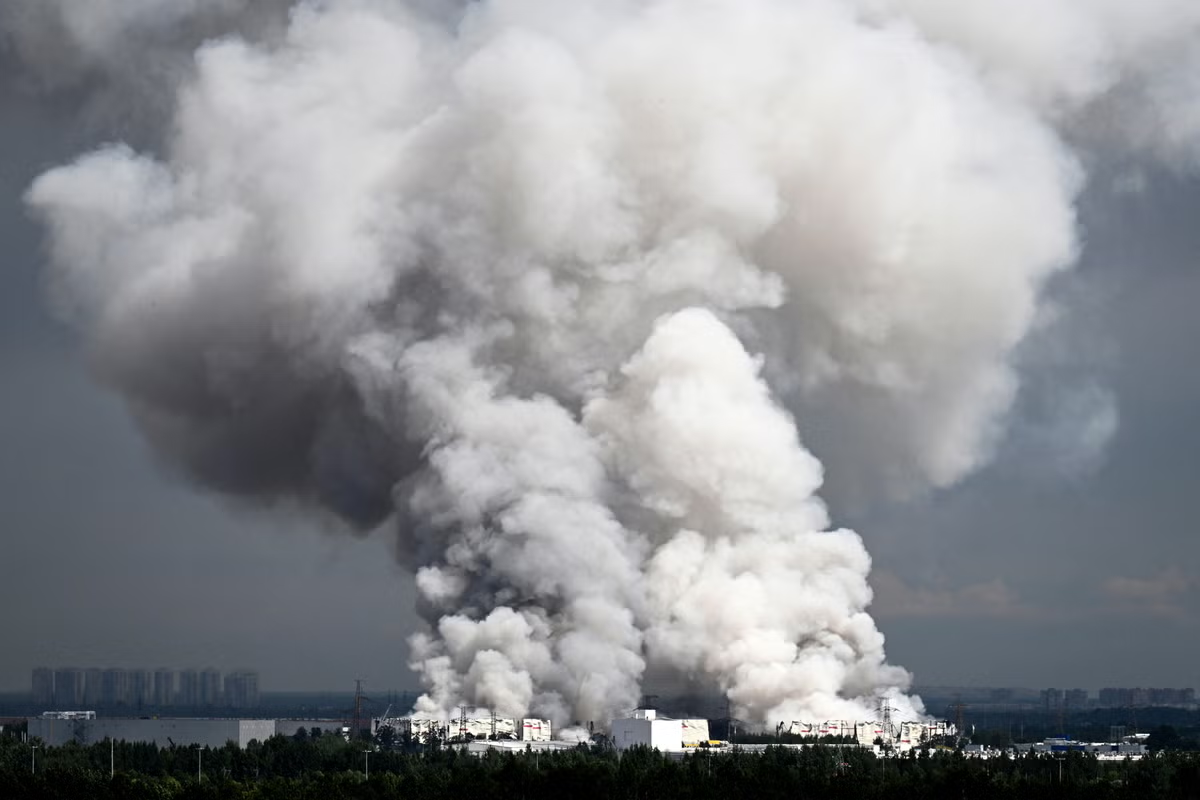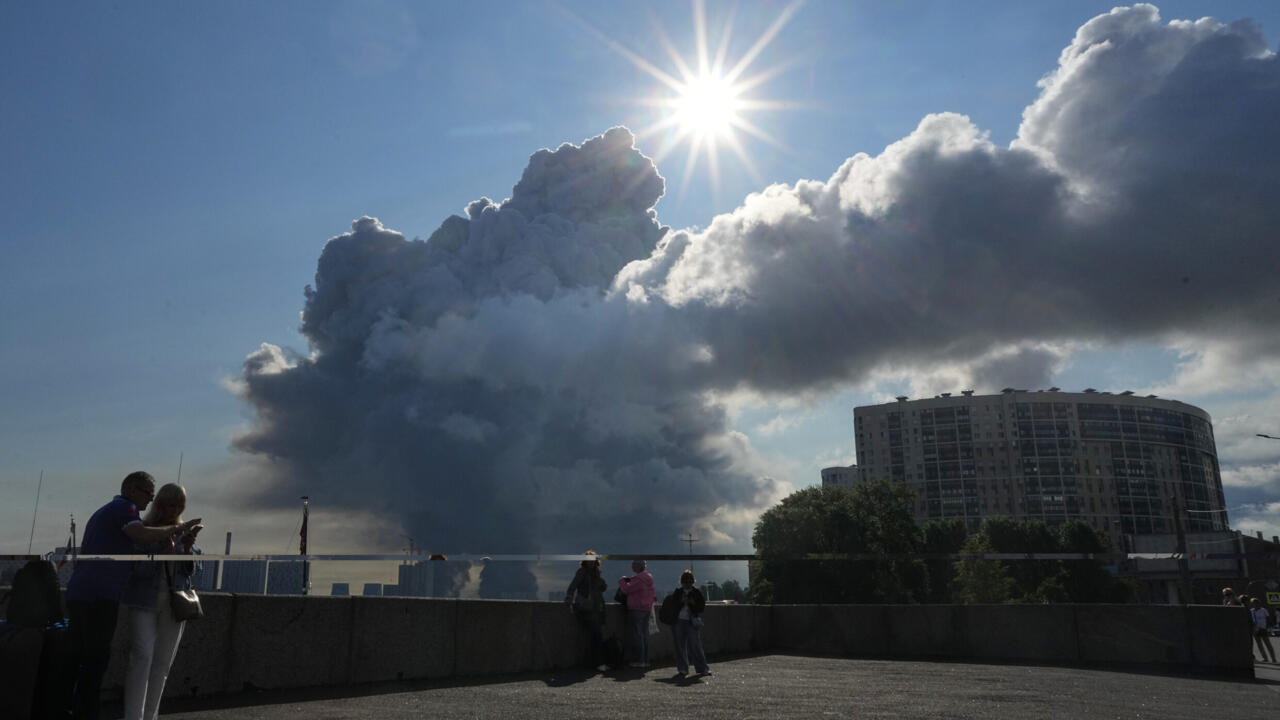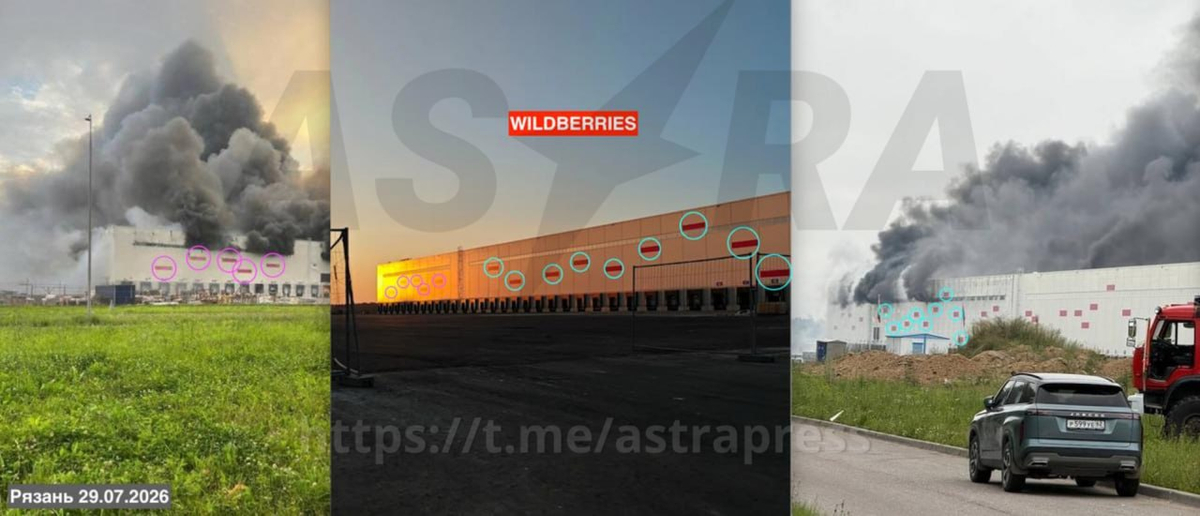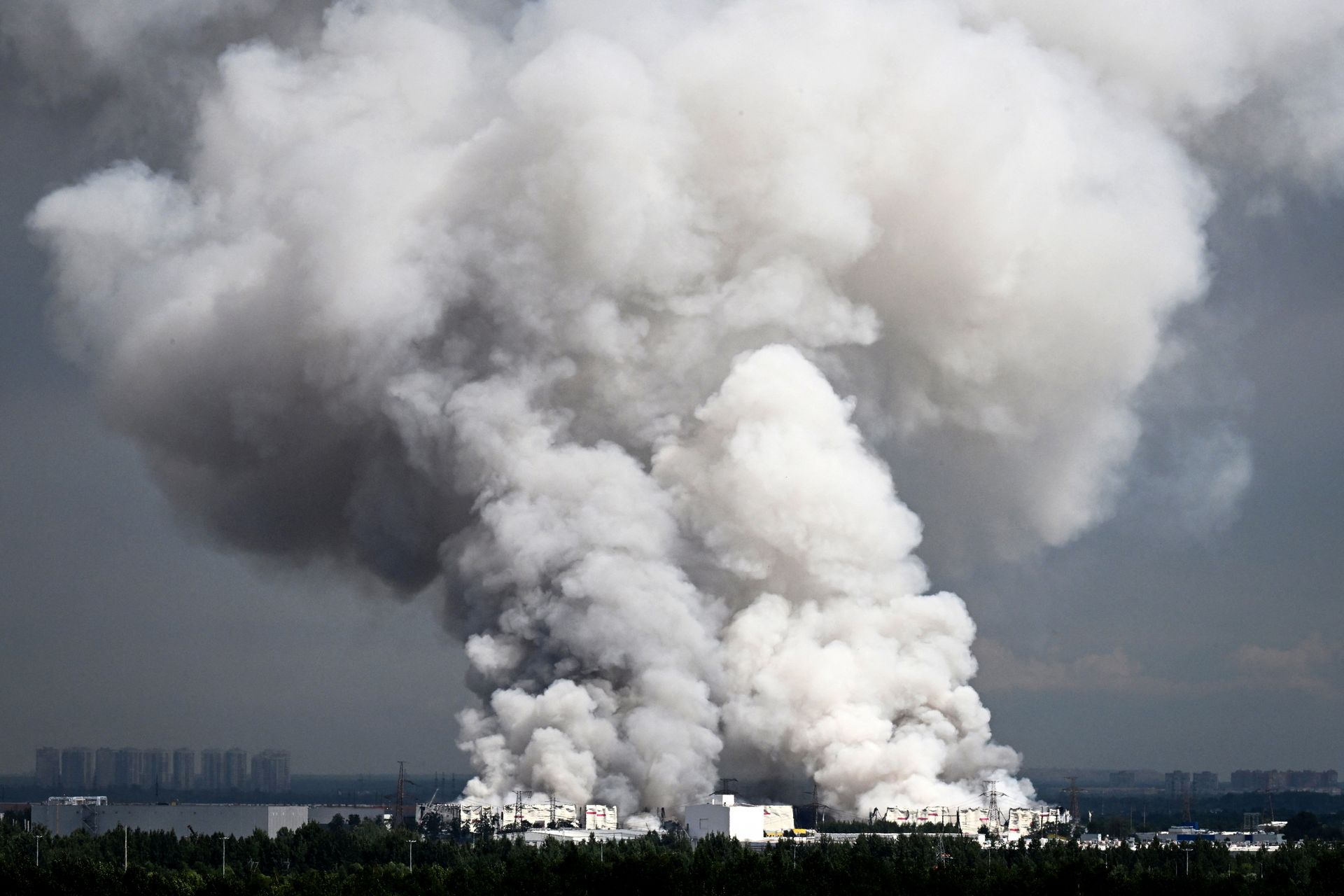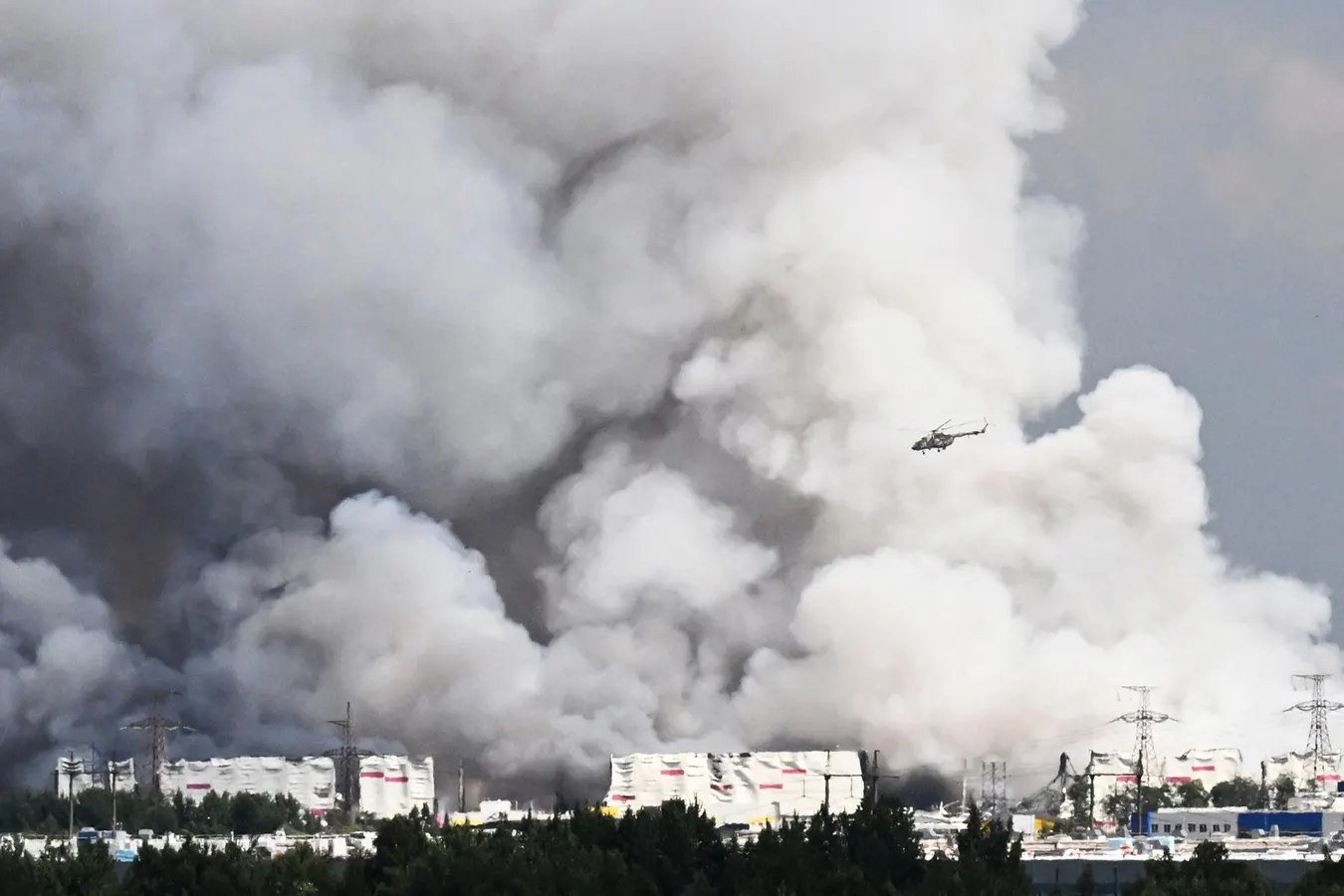
Desperate to blunt the threat posed by Ukrainian drone attacks, the operator of Wildberries, Russia’s leading e-commerce platform, is looking to lease warehouse space in neighboring Kazakhstan.In response to a series of recent Ukrainian drone strikes across Russia that have destroyed at least 10 percent of Wildberries’ inventory, representatives of RMB Group, the e-commerce platform’s parent company, are scouring Kazakhstan and are “ready to occupy all available warehouse space in the country,” according to the Russian business daily Kommersant, citing four anonymous real estate sources. Ukraine has asserted that Wildberries is a legitimate military target because the platform has been used to distribute equipment and electronics that are used on the battlefield in Ukraine. Wildberries representatives deny any connection to the warfare in Ukraine.Wildberries representatives told Kommersant that the company is building a 100,000 square meter facility near Almaty and another facility of 160,000 square meters near Astana. But those warehouses won’t be ready until 2027 at the earliest, and they appear mainly intended for serving the Kazakh market. Additional space is needed in Kazakhstan to handle the distribution of goods to customers in Russia. According to the Kommersant sources, Wildberries is reluctant to find new warehousing space in Russia to replace facilities destroyed by drones, and instead wants to add storage capacity in Kazakhstan. At the same time, Russian vendors are reportedly balking at making deals, worried that the risks of working with Wildberries outweigh any financial reward. Warehouse inventory in Kazakhstan is reportedly very limited.While warehousing goods in Kazakhstan would likely shield the company’s facilities from Ukrainian drone attacks, it could pose other difficulties for Wildberries’ efforts to quickly and efficiently deliver goods. Kazakhstan and Russia are both members of the Eurasian Economic Union, which, in theory, facilitates free trade between the two countries. In reality, the Kazakh-Russian border is far from open.Over the past year, cargo trucks have faced lengthy waits to clear customs at border points all along the frontier. And in July, Kazakh authorities introduced police checkpoints at major border crossings, ostensibly to eliminate gas-purchase tourism by Russians seeking to circumvent gasoline shortages in Russia. Vendors in Kazakhstan and Kyrgyzstan are reporting significant losses due to Ukraine’s destruction of Wildberries’ warehouses in Russia. Some small businesses in Kyrgyzstan that rely on Wildberries’ distribution network have been hurt so badly that the State Tax Service in Bishkek has offered them tax holidays until the end of the year. Kazakh businesses have not been hit as hard, but still have reportedly lost at least $3 million worth of merchandise. Meanwhile, Central Asia is experiencing a second massive wave of Russian immigration, similar to that which occurred in 2022 after the start of Russia’s unprovoked attack on Ukraine. Kazakh authorities have reported a large increase in real estate purchases and investments by Russians. The catalyst for the new wave is fear in Russia that the Kremlin will resort to a military draft/full mobilization in the fall, aiming to bolster the depleted Russian army and solidify its eroding fighting capability in Ukraine. Armenia is also reporting a large influx of Russians.By EurasianetMore Top Reads From Oilprice.comOil Prices Plunge 5% as Trump Halts Iran Strike PlansIran Rejects Oman’s Proposal to Evenly Divide Hormuz ControlShell Sells Cyprus Gas Stake to MOL for $720 Million
Ukrainian Drone Attacks Push Russia's Largest Online Retailer Abroad | OilPrice.com
Ukrainian drone attacks on Wildberries warehouses are pushing Russia's largest e-commerce company to seek warehouse space in Kazakhstan despite significant logistical and border challenges.
543 words~2 min read