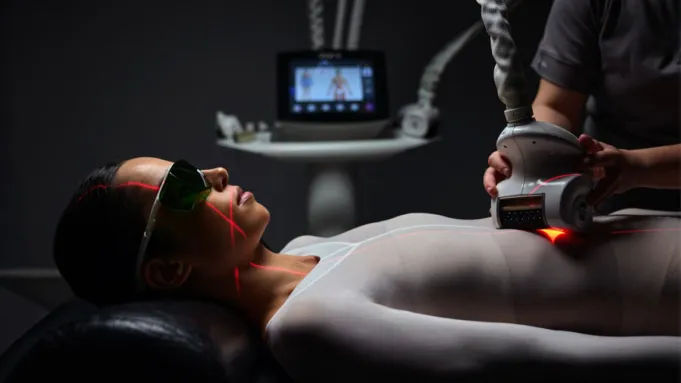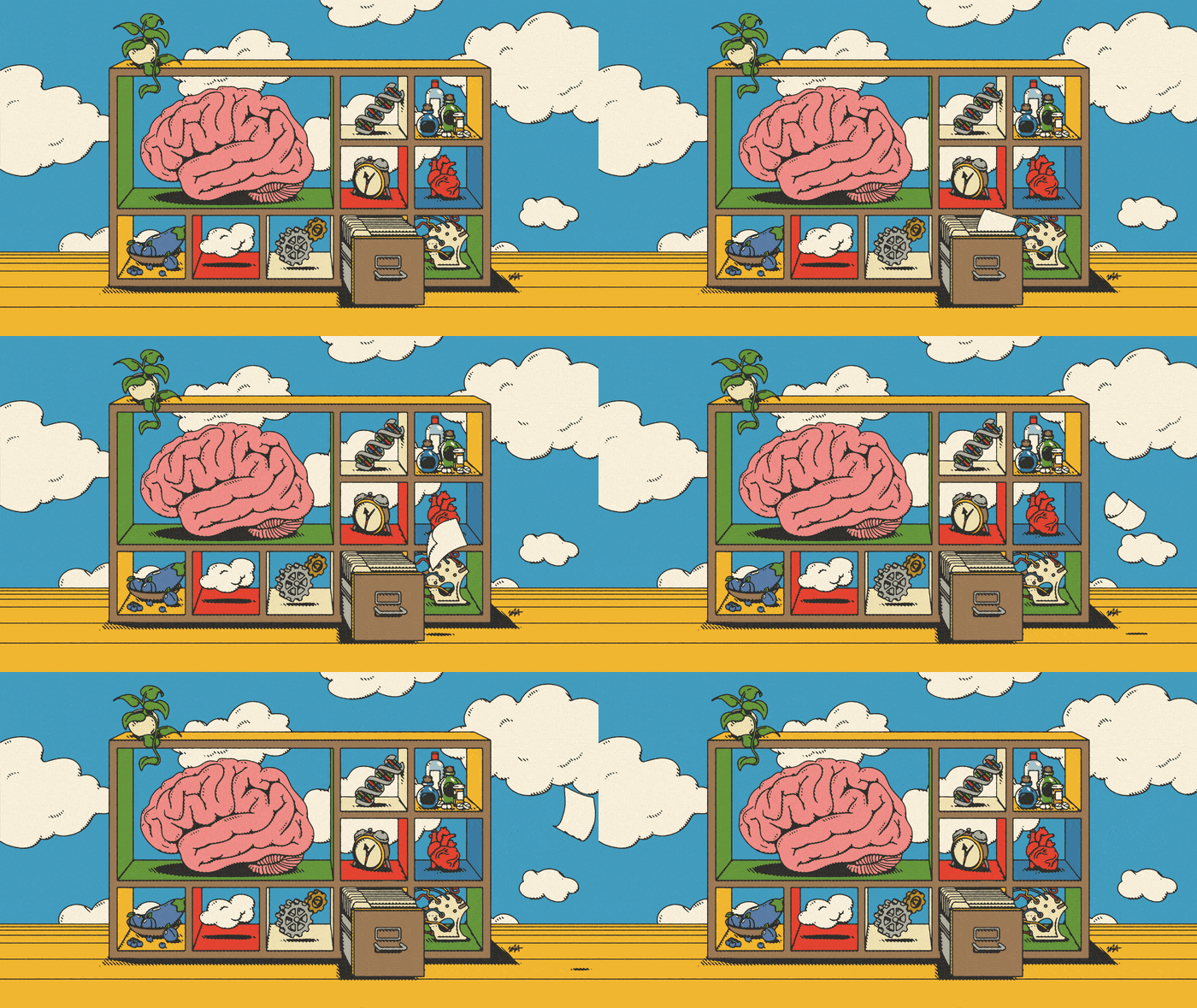
“Health optimization” and “body hacking” is all the rage as people strap on wearable technology, undergo blood tests to monitor health biomarkers and commit to extreme exercise, supplements, diets and often unapproved medical therapies to maximize longevity.
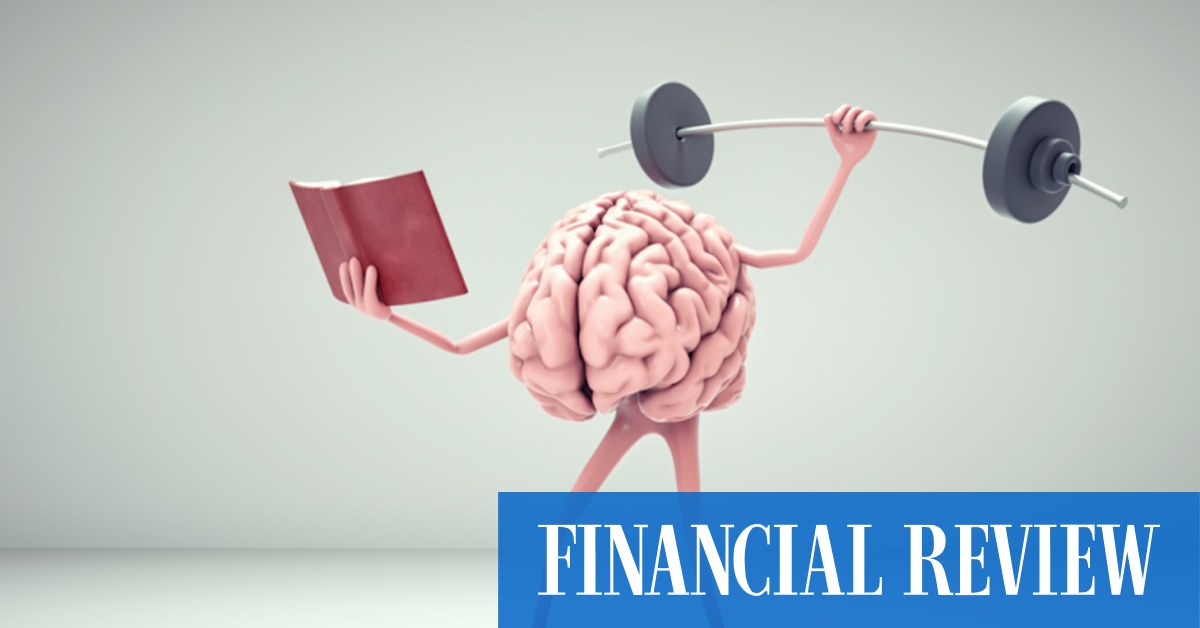
Yet, while physical health is important, UC Berkeley neurologist Mark D’Esposito says the value of many of these interventions is unsubstantiated and, in the end, pointless if you don’t also maximize brain health — the brain’s ability to perform at its best at all ages. Unfortunately, without valid tests of brain health and proven methods to improve brain function, most health optimizers tend to ignore that three-pound mass between their ears.
D’Esposito, a professor of psychology and member of Berkeley’s Helen Wills Neuroscience Institute, wants to change that focus and bring brain health front and center.
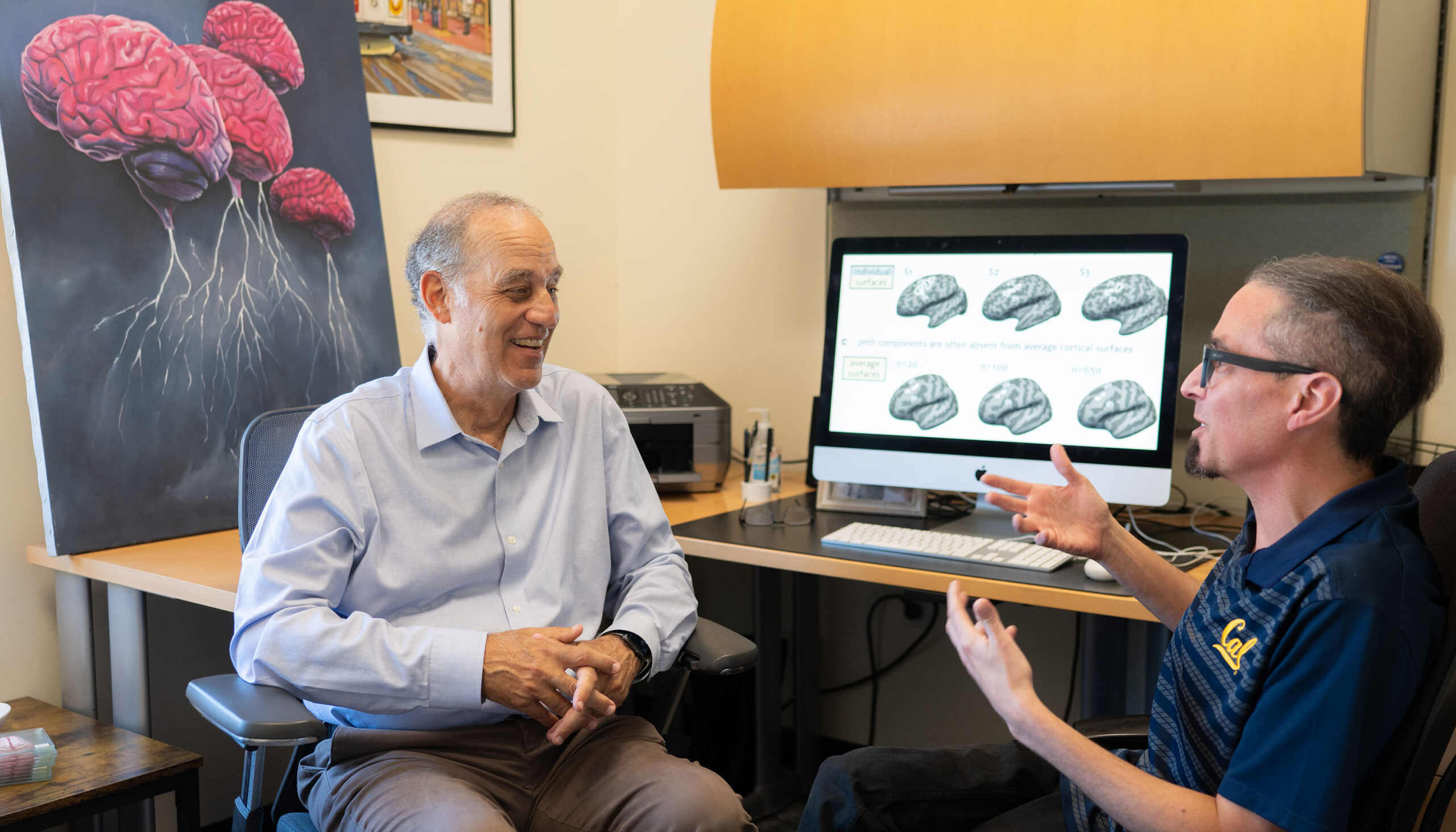
After 35 years of research using MRI scans to understand brain function in healthy people as well as those with brain disorders like Alzheimer’s disease and Parkinson’s disease, he is now trying to establish MRI benchmarks for brain health that everyone can use. This new focus has taken him out of the lab to proselytize, through podcasts and public talks, about the importance of brain health and what science tells us about how to improve it.