Will the F-16s Decide the Future of Bulgarian Combat Aviation?
The honest answer is no, not by themselves, and that is precisely the problem the F-16 delay has exposed. The jets are necessary. What Bulgaria still lacks, according to some experts, is everything that is supposed to surround them: a long-term plan, political consensus, and public communication that doesn't collapse into partisan noise the moment a MiG-29 parts shortage makes headlines.
Where the F-16 program actually stands
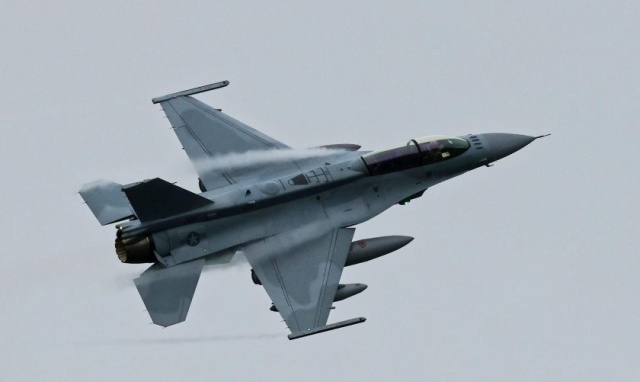
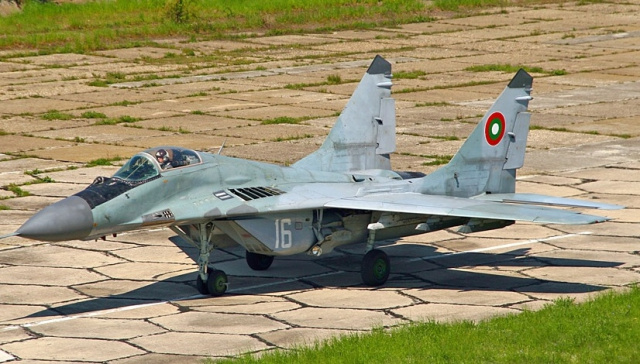
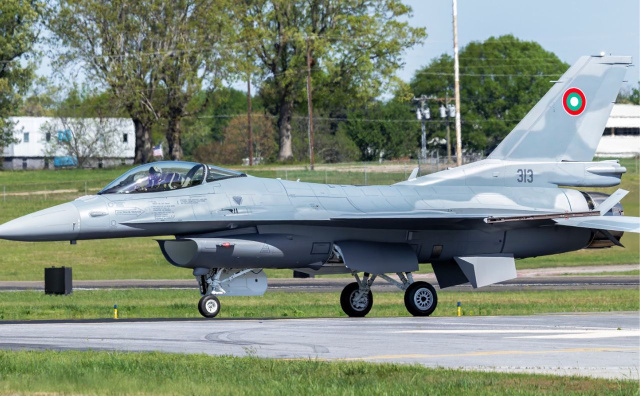
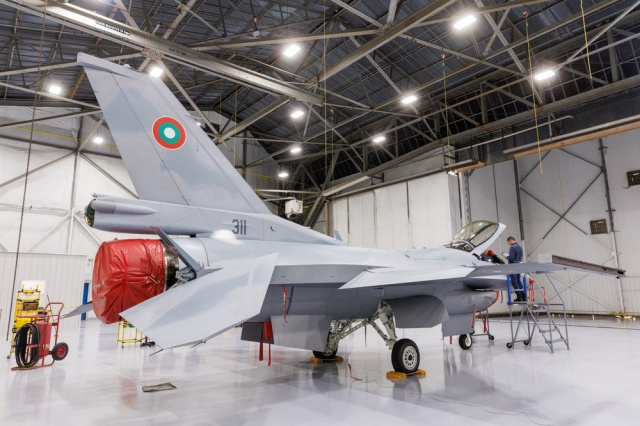
Bulgaria contracted 16 F-16 Block 70 jets in two batches of eight, the first signed in 2019, the second in 2022. The first batch was completed by late 2025, but the transition has been slower than the delivery ceremonies suggested. Lockheed Martin has been producing roughly three aircraft a month instead of the planned four, and Bulgaria's own pilot pipeline has lagged behind the airframes arriving, a gap independent reporting has put anywhere between two and six certified pilots depending on when the count was taken, against a program target of 32. Officials now expect full operational readiness only in 2028, while the second batch of eight, needed to complete the squadron, keeps slipping. In the meantime, Sofia has been forced into an awkward hedge: hunting for MiG-29 spare parts and used airframes from Poland and Hungary just to keep the existing Soviet-era fleet flying air policing duty.