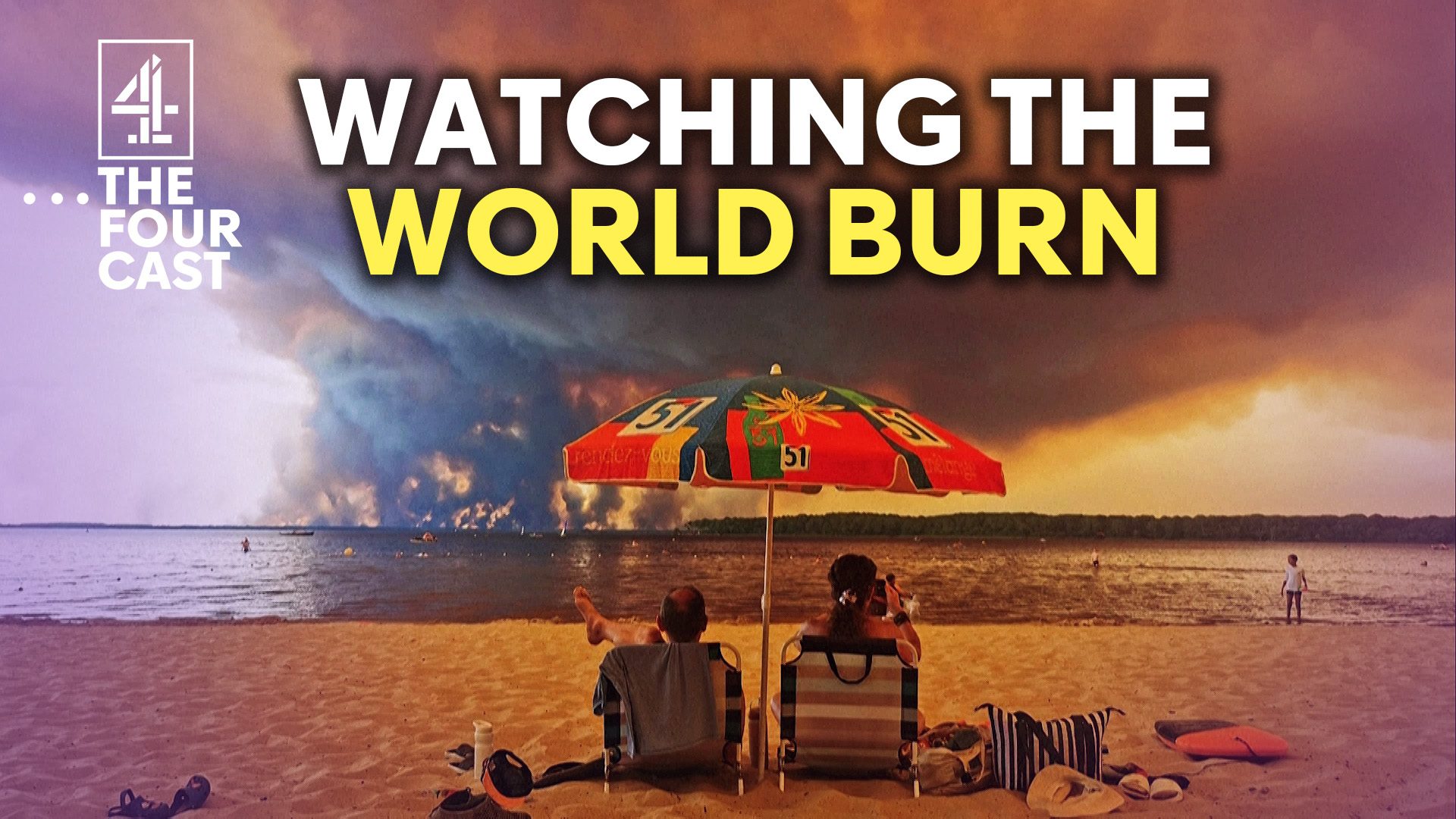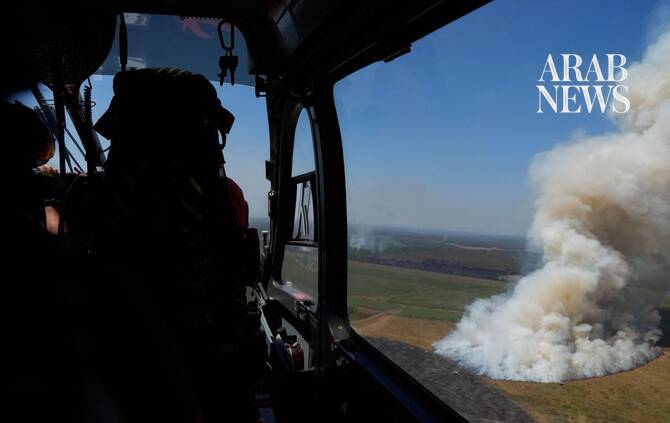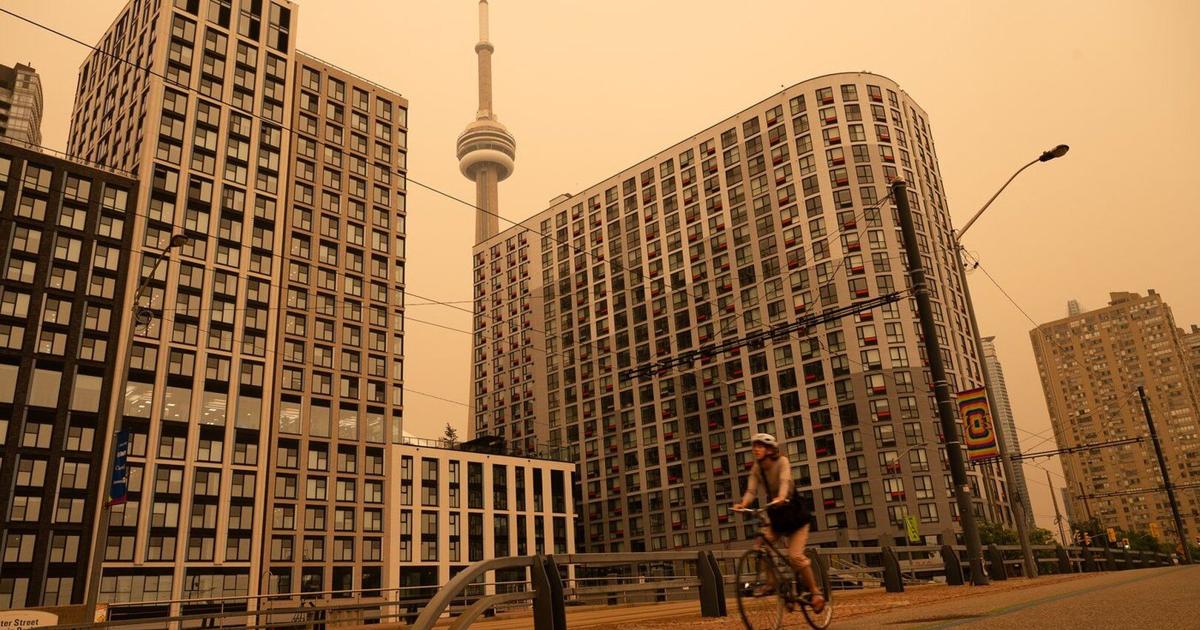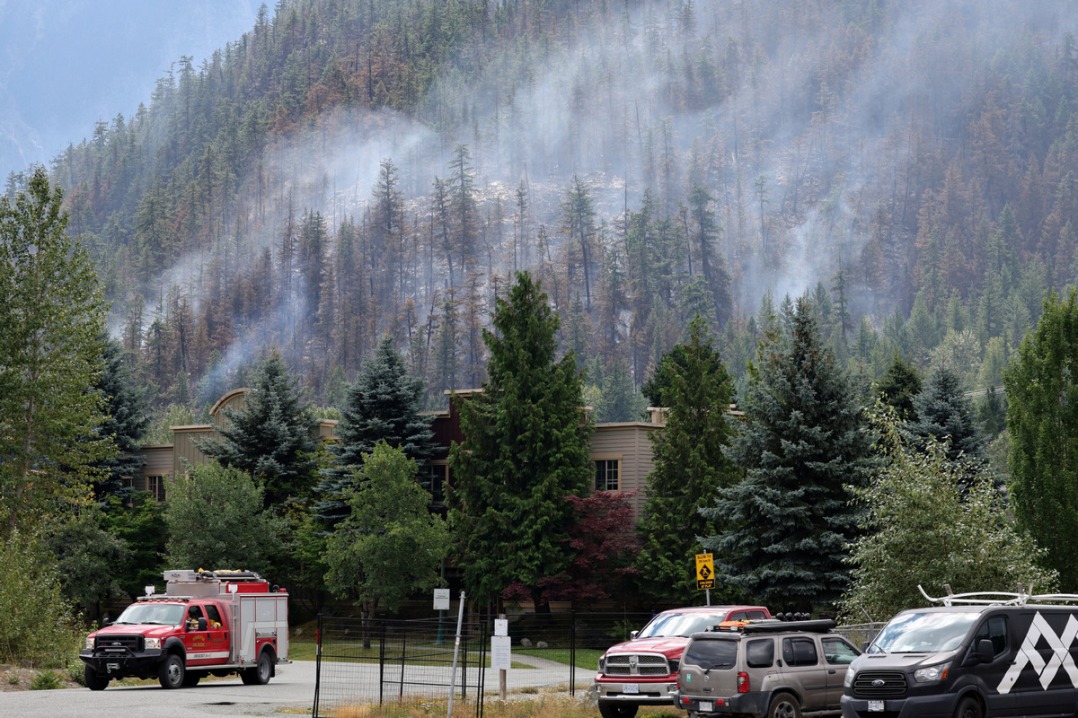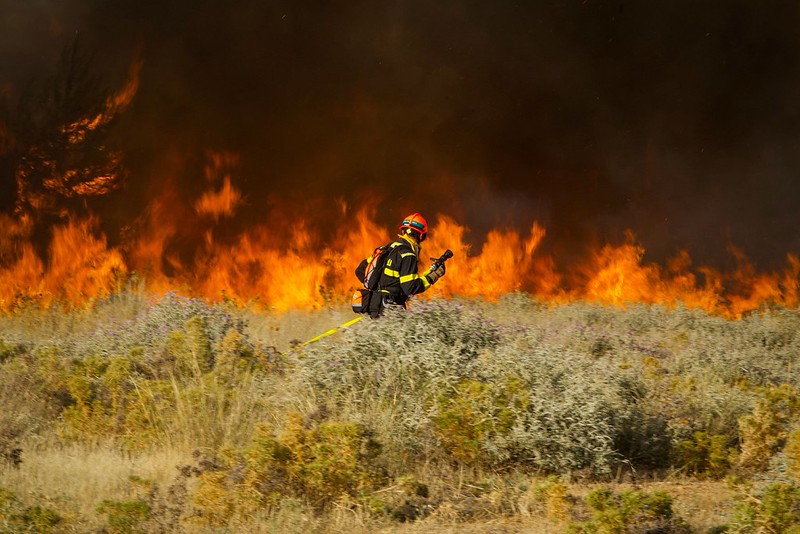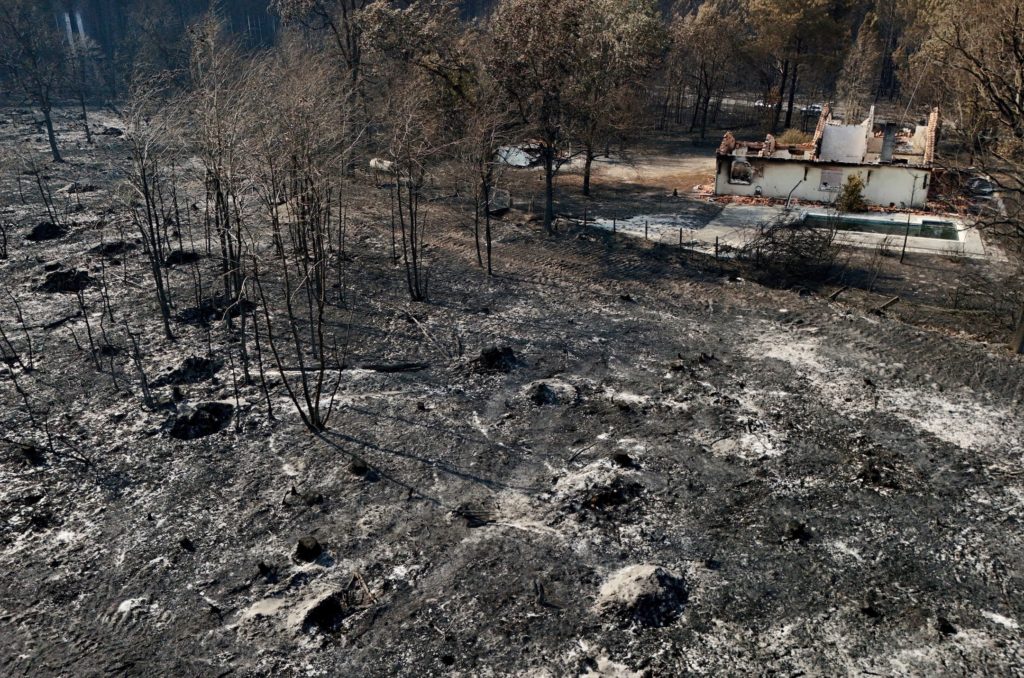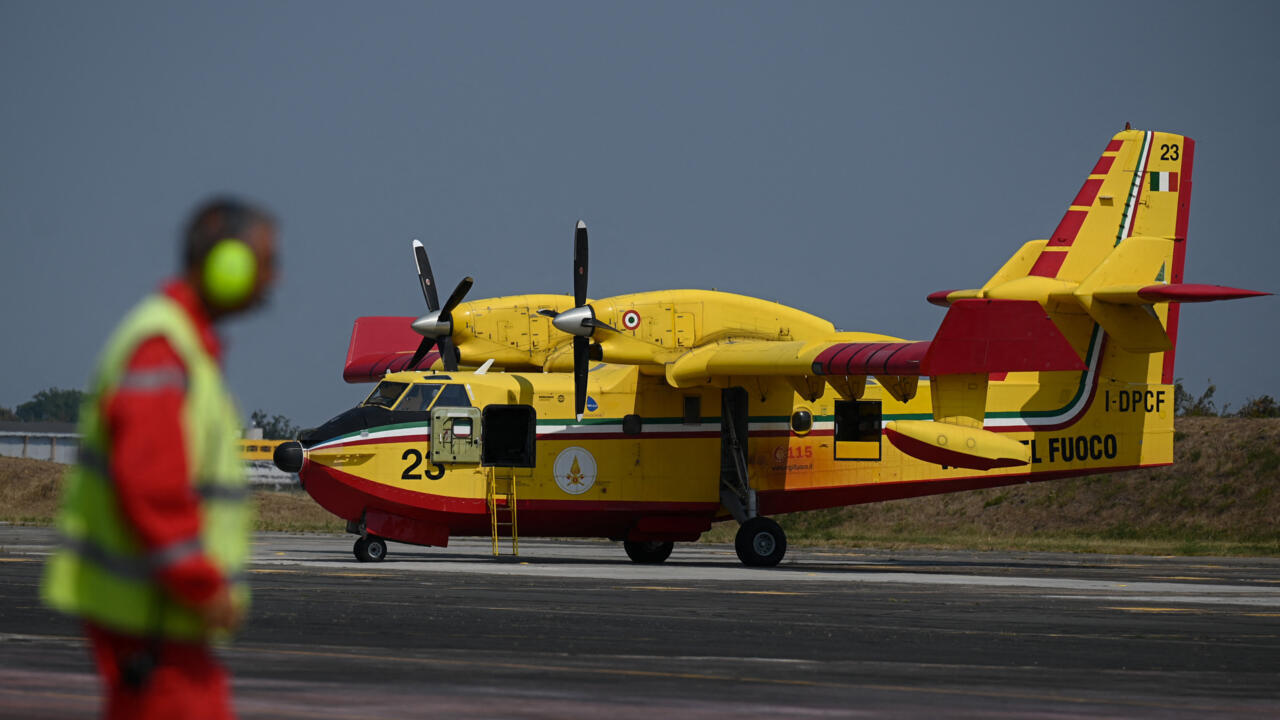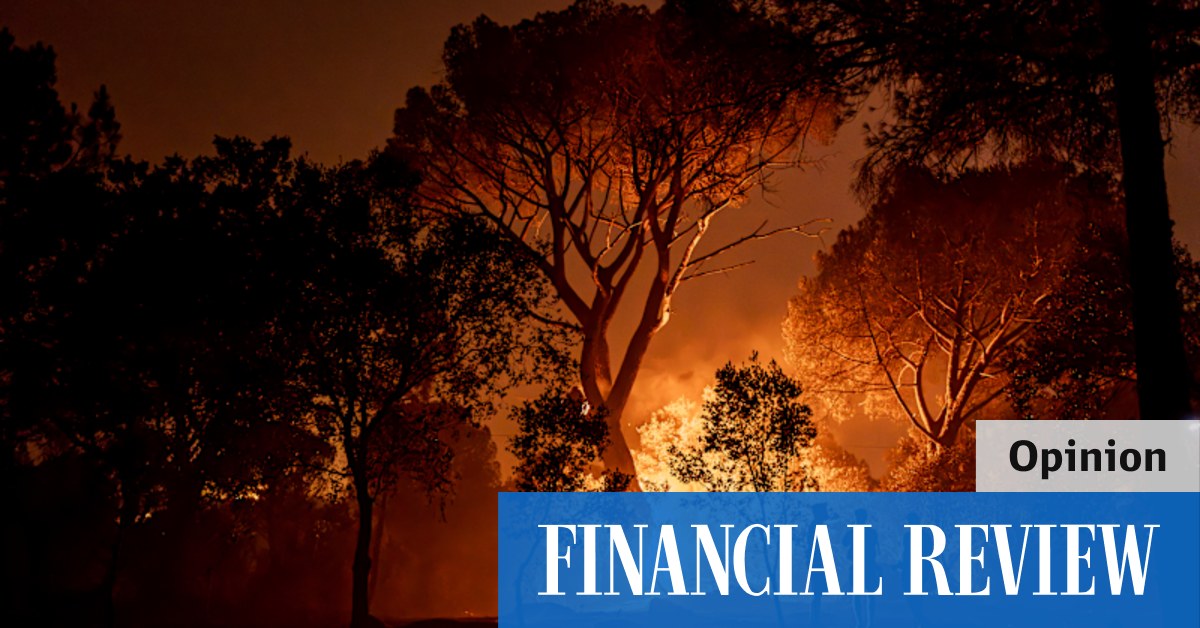
Policy makers’ response to the half dozen Intergovernmental Panel on Climate Change (IPCC) reports seems to be “TL;DR”, and we are now staring down a visceral version of those thousands of pages of ignored warnings. One of the worst wildfire seasons on record has displaced more than 300,000 people in France, Spain, and Portugal. Sweltering heat waves in Europe have created conditions incinerating 2,500 square kilometres and counting . In Northern Ontario, one First Nation had to flee by boat as a wall of fire consumed their entire community, and many are now demanding a public inquiry into how emergency planning, or lack thereof, went so wrong.
Averting the worst of what the future has in store requires an urgent combination of prevention and preparation. Halting as many climate destabilizing emissions as soon as possible should be top priority, while ensuring we adequately resource our emergency response. Sadly, Canada is failing badly on both those fronts.
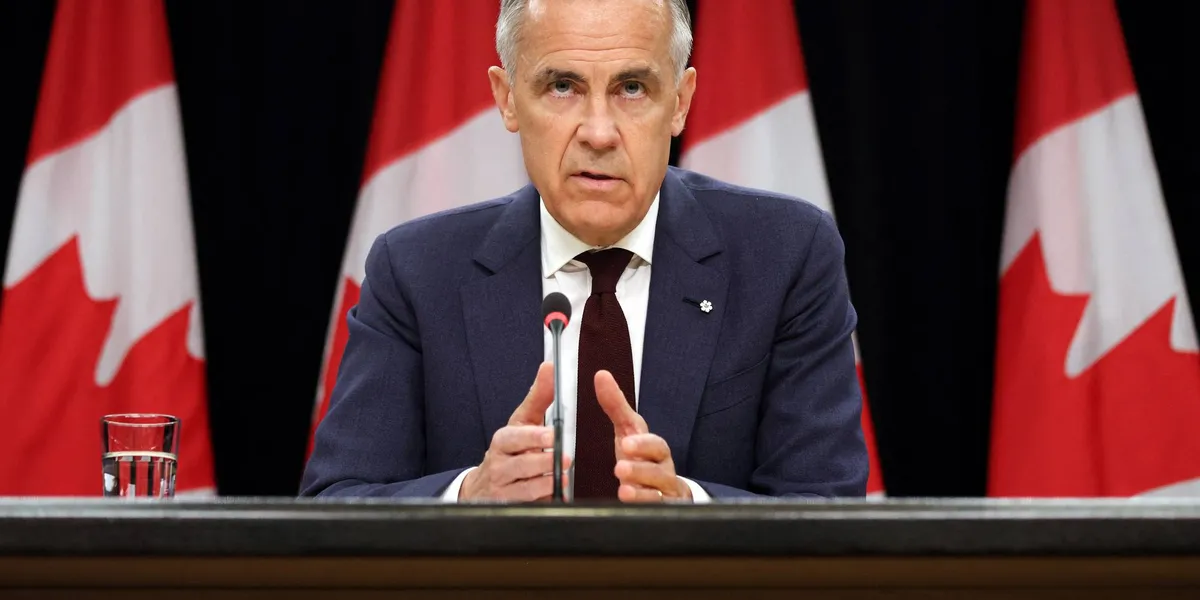
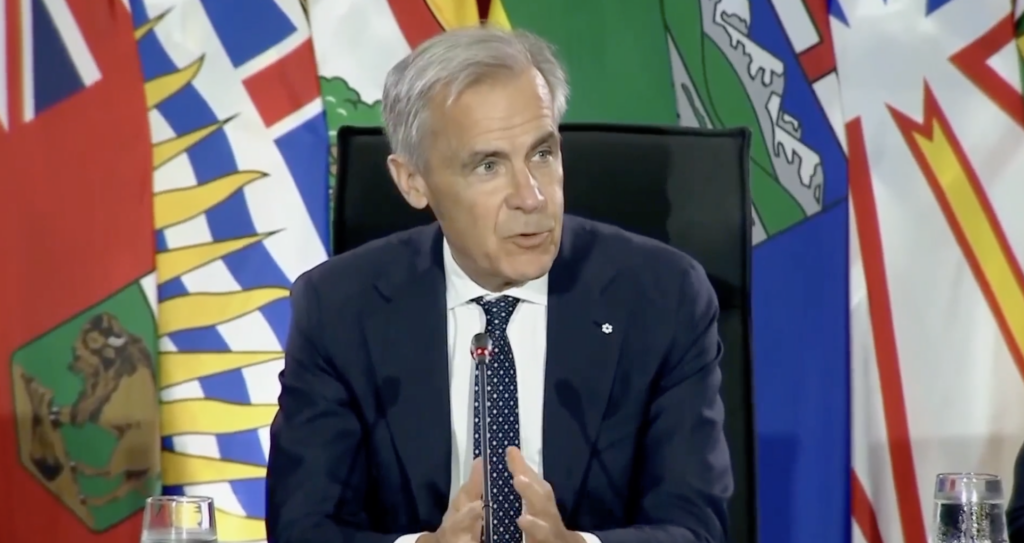
Prime Minister Mark Carney fessed up this summer that his enthusiastic embrace of new fossil fuel developments – often propped up by public money – will mean his government has essentially abandoned its emissions targets. Billions in taxpayers’ dollars are available to backstop a new bitumen pipeline to the west coast or dubious carbon capture technologies, but apparently the cupboard is empty for emergency preparedness funding.