Why Silicon Valley's 'Neurodiversity Hiring' Programs Are Failing Autistic Workers (And How LLMs Are Quietly Fixing the Interview)
Introduction: The Good Intentions Trap
In 2015, when SAP, Microsoft, and JPMorgan launched their flagship "Neurodiversity Hiring" programs, the headlines were glowing. "Tapping a neglected talent pool," proclaimed Forbes. "The competitive advantage of cognitive difference," echoed Harvard Business Review. Fast forward to 2024, and the sheen has worn off. Internal surveys from these very programs often reveal a sobering statistic: while hiring rates for autistic candidates have risen, retention rates—specifically for those hired through these dedicated pipelines—lag significantly behind neurotypical hires. The culprit isn't a lack of skill. It isn't a lack of intelligence. It is the interview itself.
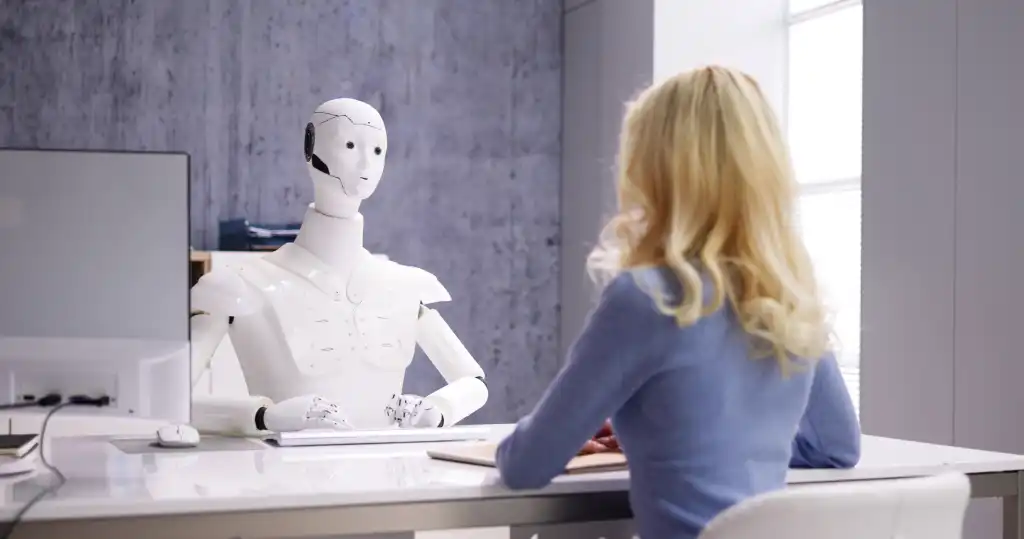
The traditional behavioral interview—that performative dance of eye contact, small talk, and reading ambiguous social cues—remains a formidable barrier. For many autistic individuals, it is not a test of competence but a test of neurotypical masking. And this is where a silent revolution is taking place. While HR departments cling to outdated playbooks, the rise of Large Language Models (LLMs) like GPT-4 and Claude is quietly dismantling the gatekeeping power of the interview. This isn't about AI replacing humans; it's about AI exposing the arbitrary nature of human assessment. Let’s dissect why these programs are failing and precisely how the Technology of tomorrow is offering the Future of work to those it forgot.