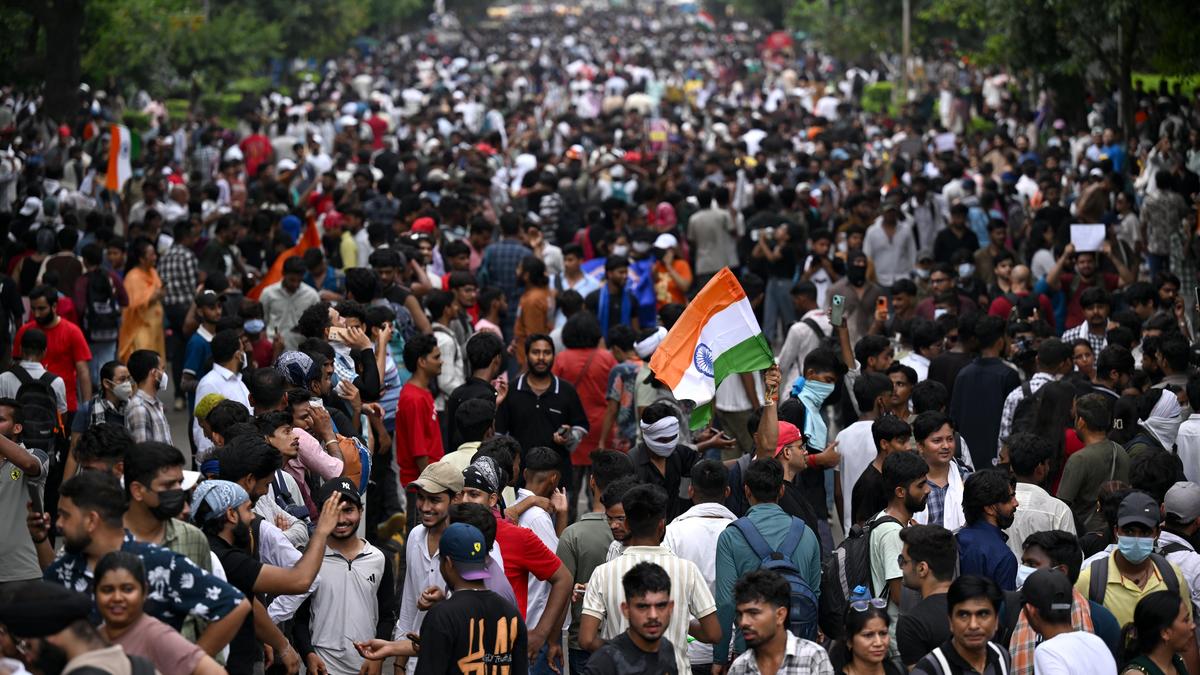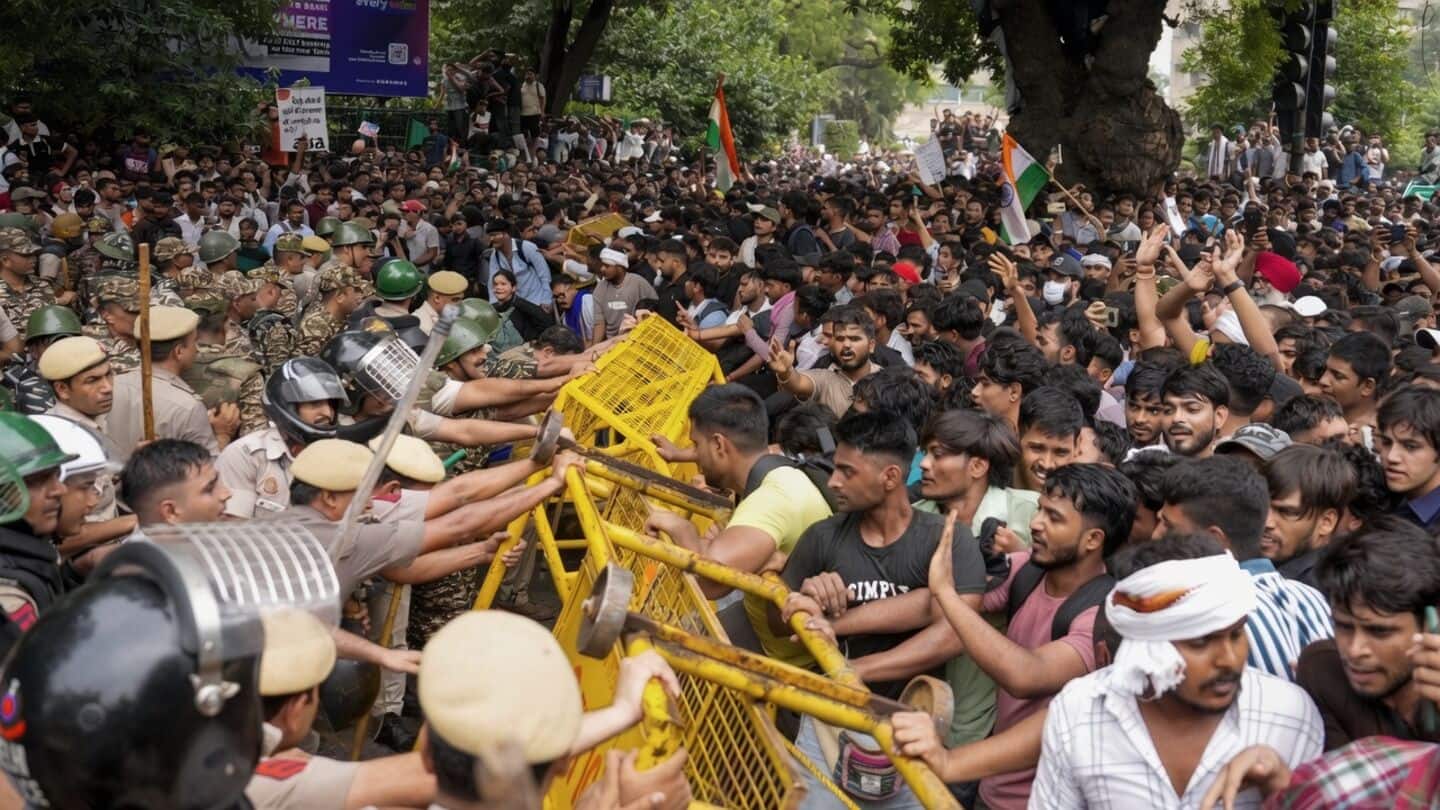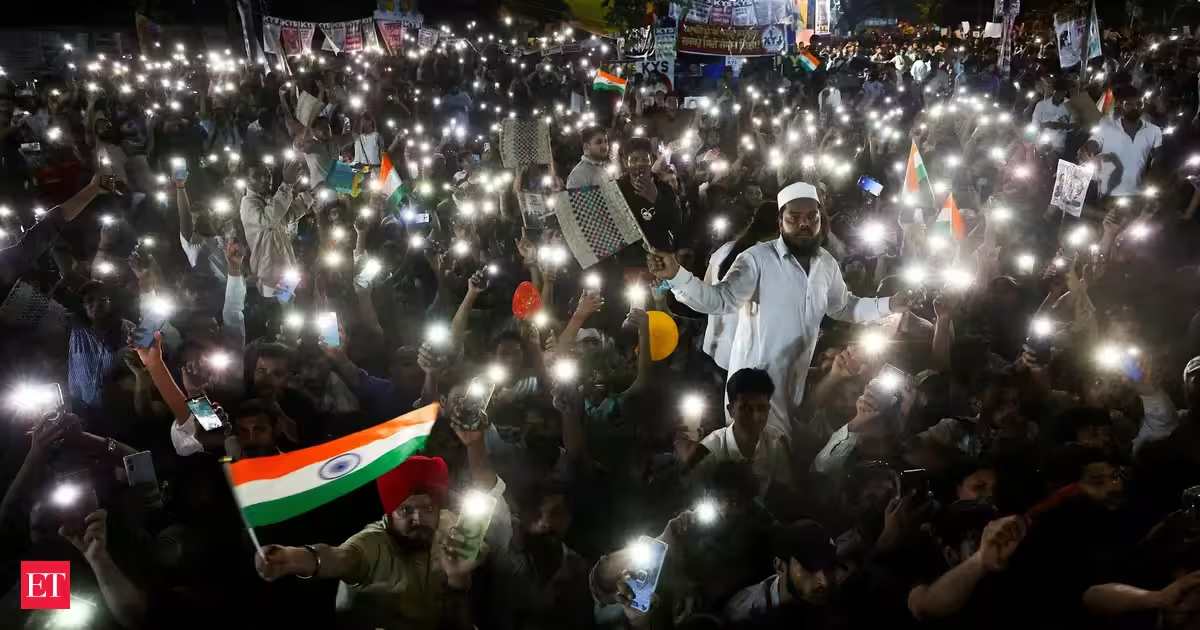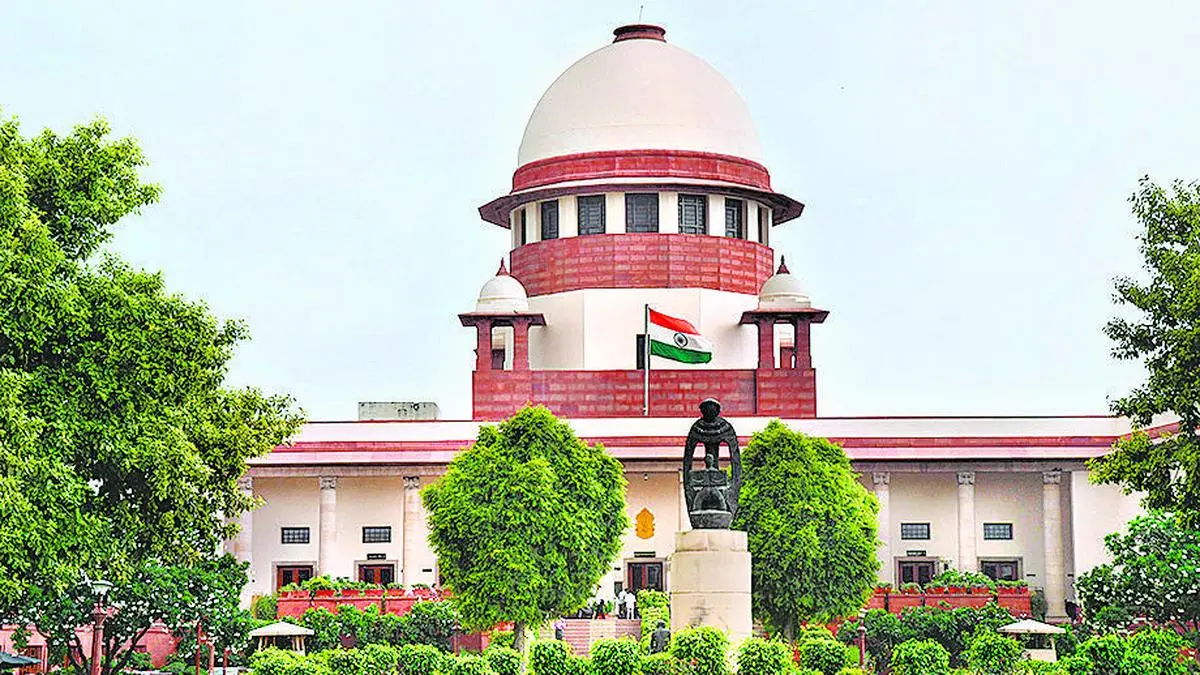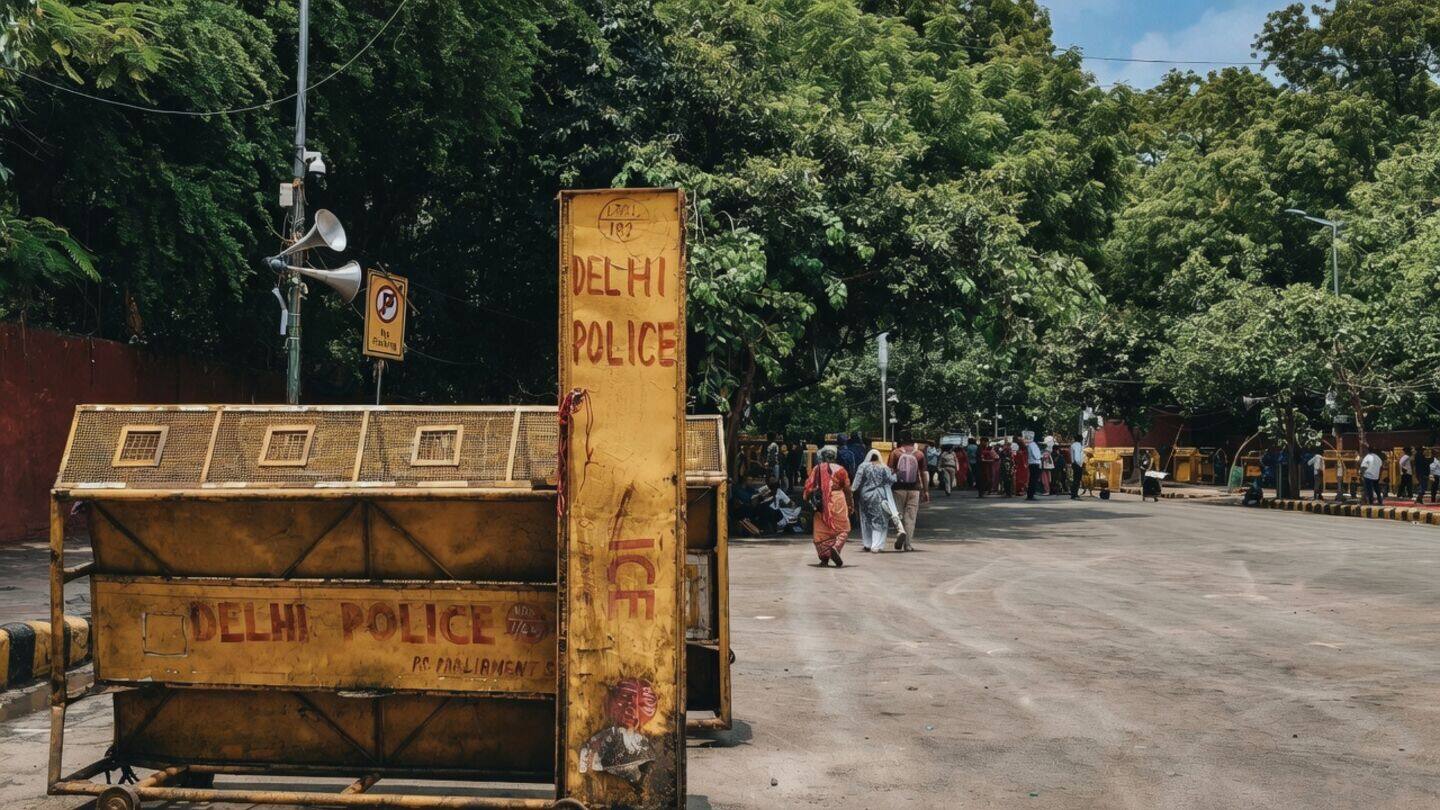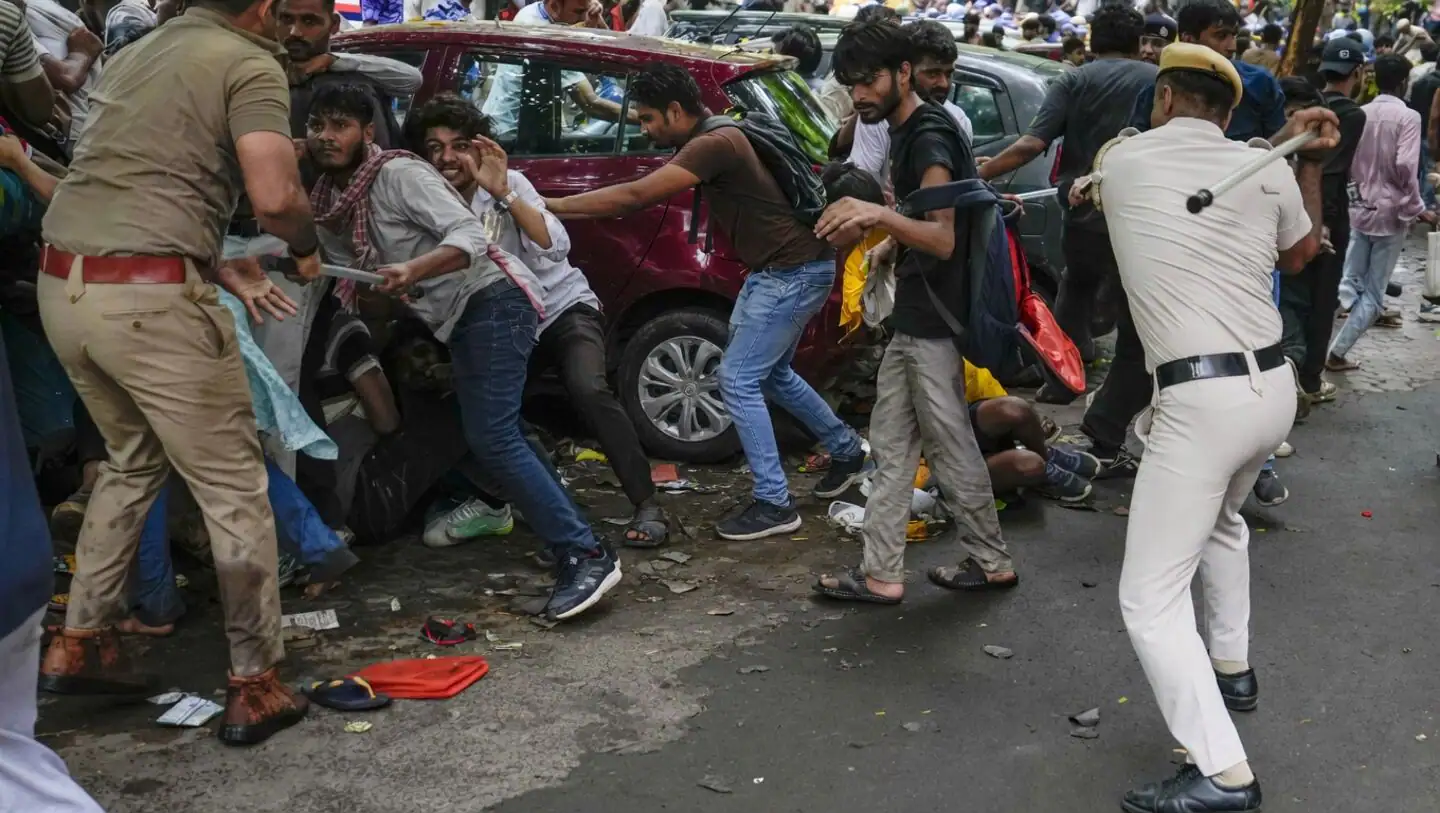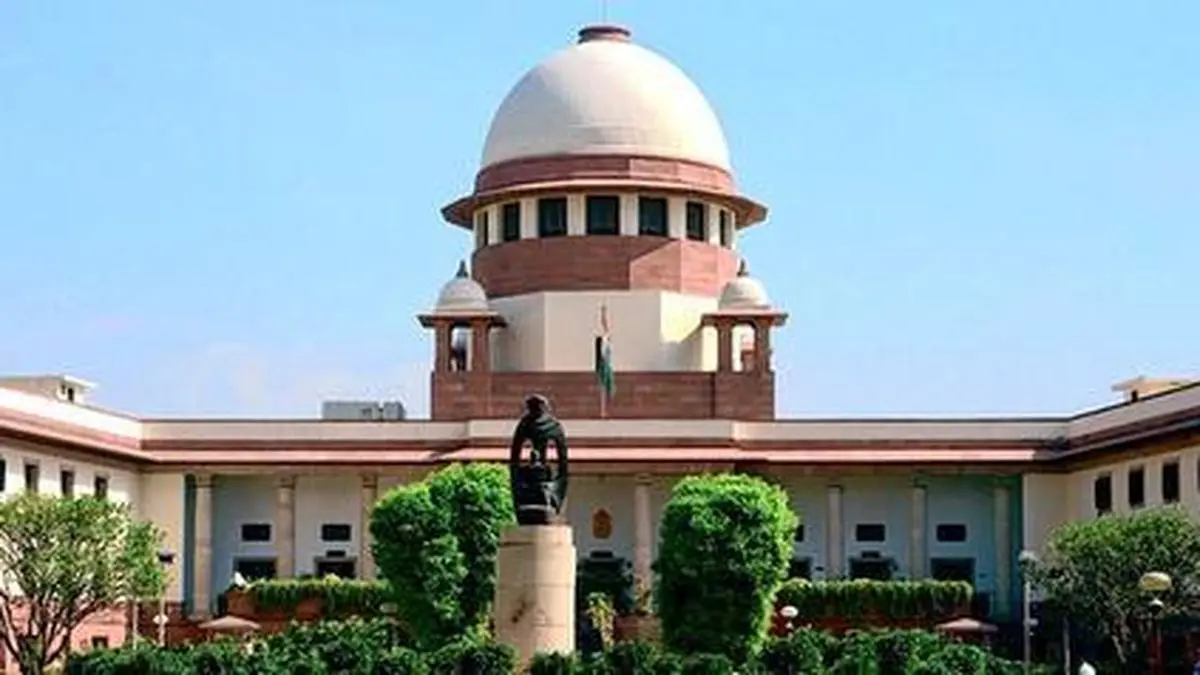
The petition has come days after the court’s repeated observations upholding the right of citizens to peaceful and lawful protest.
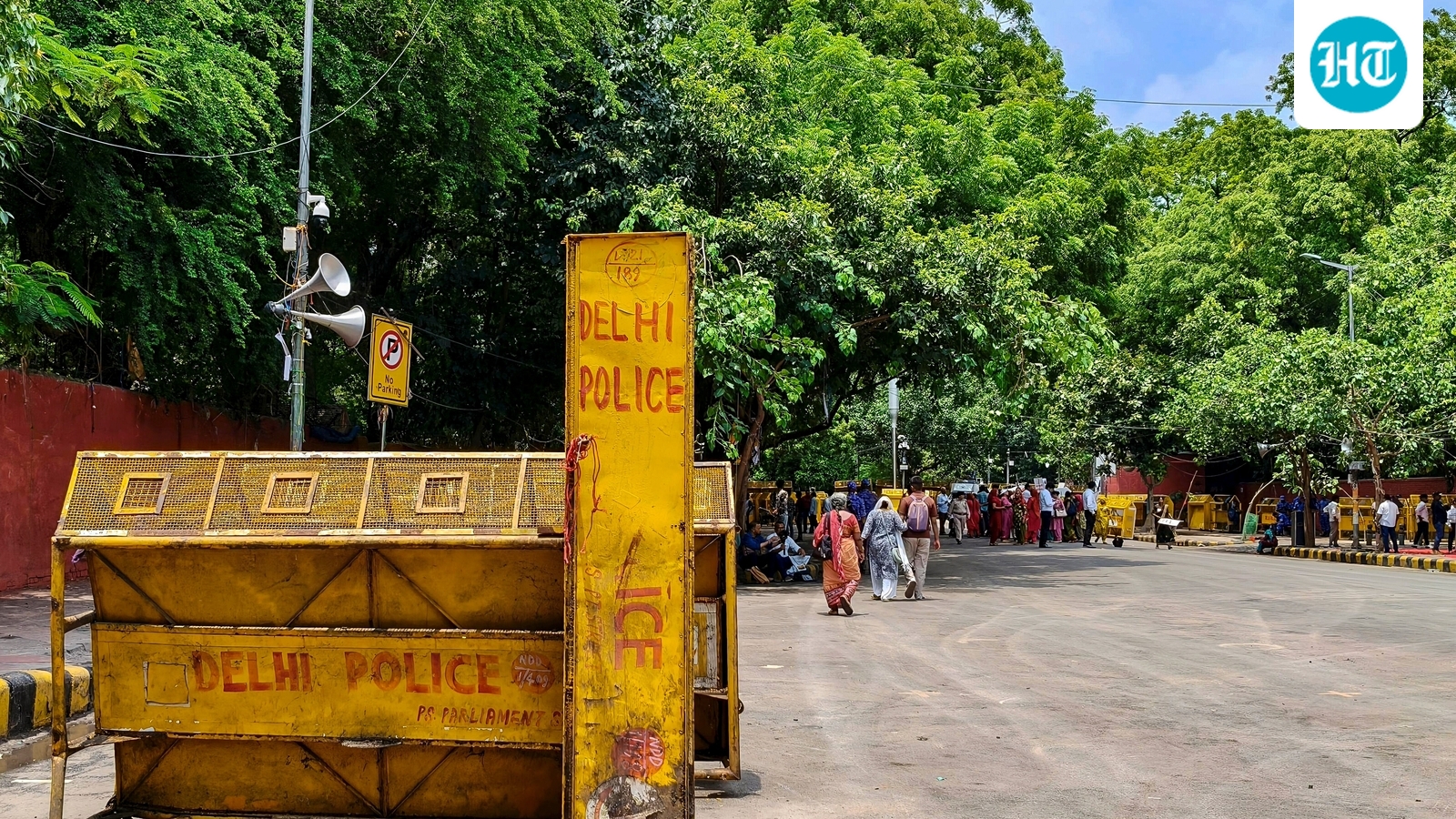
The Supreme Court on Monday asked Solicitor-General Tushar Mehta to consult with the Union government authorities on an “important” petition that Jantar Mantar is not the “right site” to hold protests.“The petition says Jantar Mantar is not the right site anymore for such protests due to ingress-egress issue, supply of medical essentials etc… I think this is important. Please take instructions, Solicitor. Issue notice and list this separately,” Chief Justice of India Surya Kant, heading a three-judge Bench, addressed the law officer.The petition, filed by Satish Chand Kaushik, represented by advocate Aakarshan Aditya, urged the discontinuation of Jantar Mantar as the ordinary designated venue for public protests and demonstrations, and to designate Ramlila Maidan, or another sufficiently large and secure ground, as the principal protest venue for the national capital. Aditya argued that Jantar Mantar was designated in an earlier era for limited, identifiable, and manageable demonstrations.“Another July 20 incident should be avoided,” the petitioner counsel said, in a reference to the police crackdown on protests led by the Cockroach Janta Party at Jantar Mantar recently. “They (the government) know how to handle it. If they cannot, come to us,” Chief Justice Kant said.The petition has come days after the court’s repeated observations upholding the right of citizens to peaceful and lawful protest. The court had, however, balanced the freedom to express dissent with the right to not break the peace or occupy public space.“Today, digitally mobilised movements can transform a few hundred persons into several thousand within hours, without a reliable command structure, verified organisers or an enforceable estimate of attendance. Its proximity to Parliament, Central Vista, government establishments, and diplomatic and commercial areas creates an avoidable convergence of mass mobilisation, national-security sensitivity, and restricted physical space,” the counsel submitted.Ordinary people were finding it extremely hard to commute in central Delhi due to prolonged traffic snarls caused by protests and demonstrations, the petitioner said. Kaushik’s side referred to the Aam Aadmi Party (AAP) national convenor Arvind Kejriwal’s national townhall programme held outside the Constitution Club to protest the implementation of the E20 ethanol blended fuel policy.golden ruleIn 2018, the Supreme Court had held that the golden rule was the right to protest should be balanced with the right of residents to live peacefully. The observation had come in a decision lifting the ban on protests at Jantar Mantar and Boat Club. “Democracy and dissent go hand in hand, but then the demonstrations expressing dissent have to be in designated places alone,” the court had noted.In its 2020 judgment in the Shaheen Bagh anti-Citizenship Amendment Act protests case, a three-judge Bench had held that fundamental rights did not live in isolation. “The right of the protester has to be balanced with the right of the commuter. They have to co-exist in mutual respect,” the court had said in a judgment which found the indefinite “occupation” of a public road by the Shaheen Bagh protesters unacceptable.Published on August 3, 2026