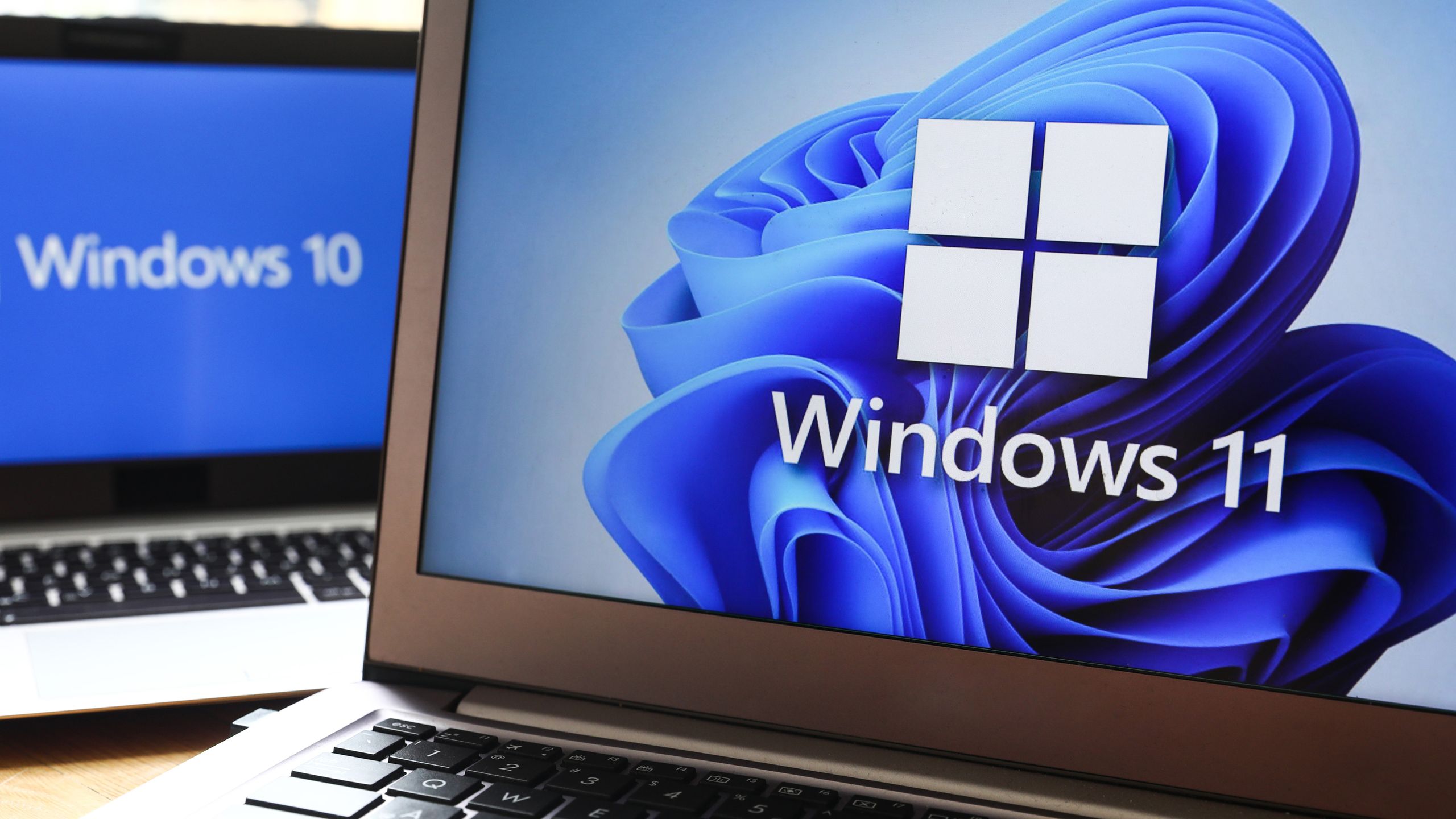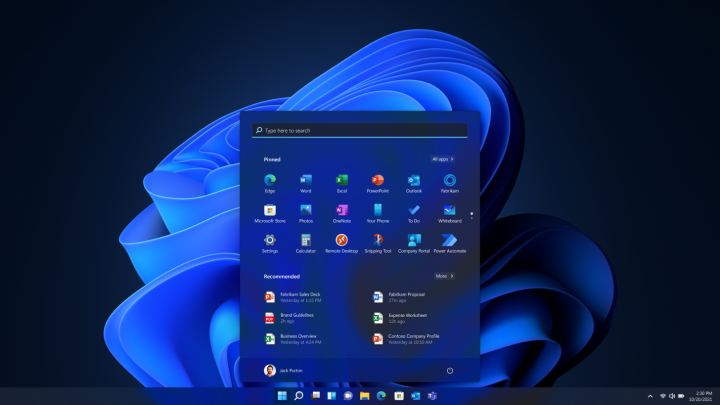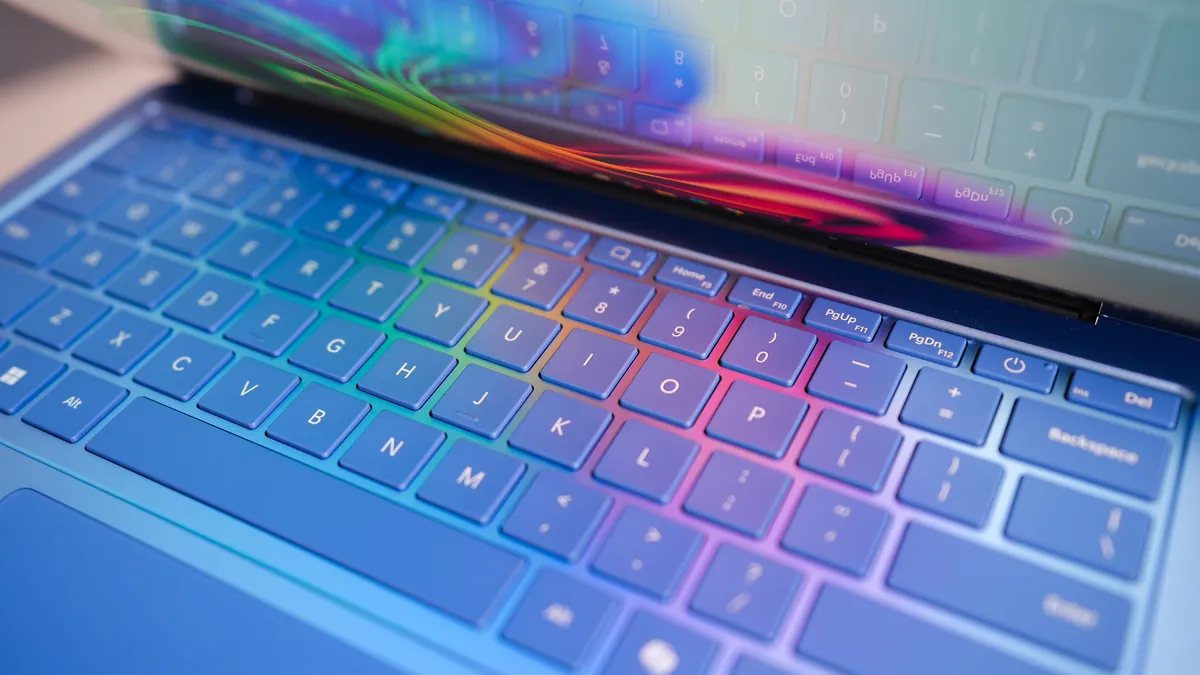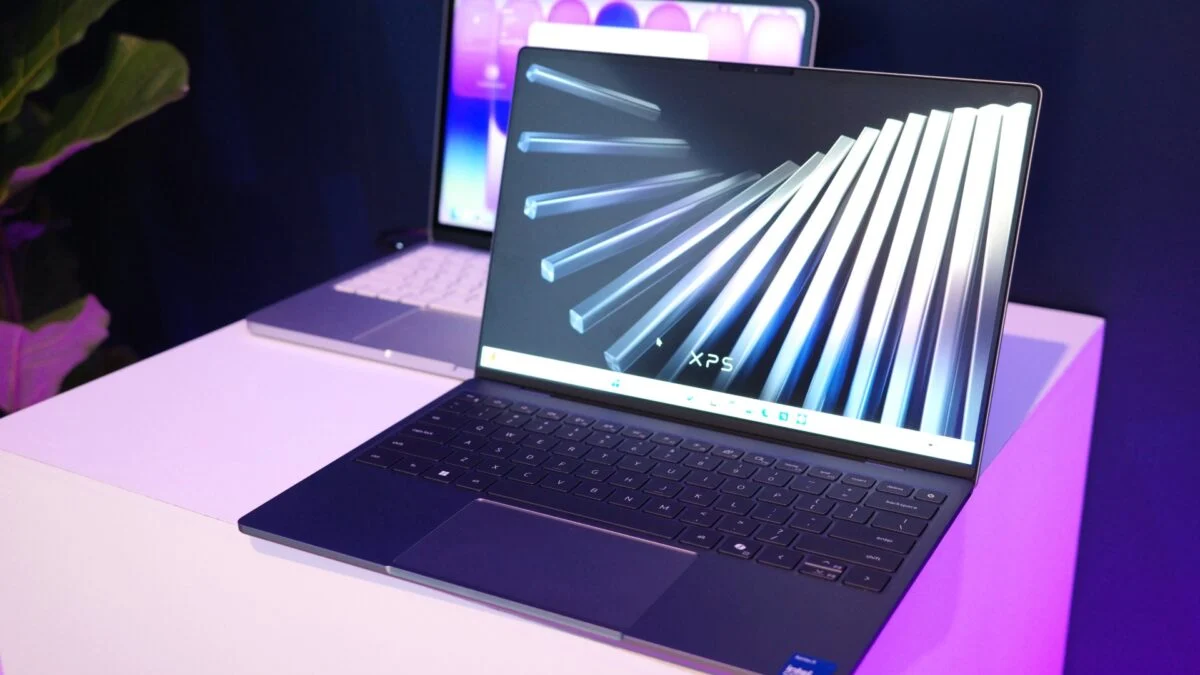
Close to five years after Microsoft first launched Windows 11, the tech giant is finally offering the smallest token of love for cheap Windows machines. It’s not so much out of the goodness of its AI-fueled heart. Microsoft has to support minimum-specced laptops because every other PC is too damn unaffordable. Over the weekend, Microsoft’s president of Windows and devices, Pavan Davuluri, reiterated that the company plans to fix Windows 11, namely to quit forcing Copilot AI integration where it isn’t necessary, offer more control over widgets and taskbar orientation, and enable a faster File Explorer. Microsoft further promised to fix Windows 11’s Achilles’ heel—the excessive amount of memory the operating system hogs, even during minimal use. The Windows maker said it would reduce the operating system’s “memory footprint to deliver a fast and responsive Windows experience across the PCs customers use every day,” namely for systems with 8GB of RAM. For years, Microsoft has pushed 16GB as the baseline for new PCs. That RAM spec was one of the requirements for receiving the Copilot+ standard, the company’s designation for systems capable of running AI features such as the oft-maligned Recall. Three years after Copilot+’s debut, it’s safe to say the race to AI-ify our PCs was not worth the cost. The company’s own Surface PCs have seen massive price hikes in the last few months. The minimum-specced Surface Laptop 13-inch with 16GB of RAM now starts at $1,150. The same model with half the memory sits at $950.
Can Microsoft Really Make Windows 11 Suck Less on Weak PCs?
The RAM apocalypse could be a gift to cheap PCs, if you can consider any laptop today ‘cheap.’
596 words~3 min read