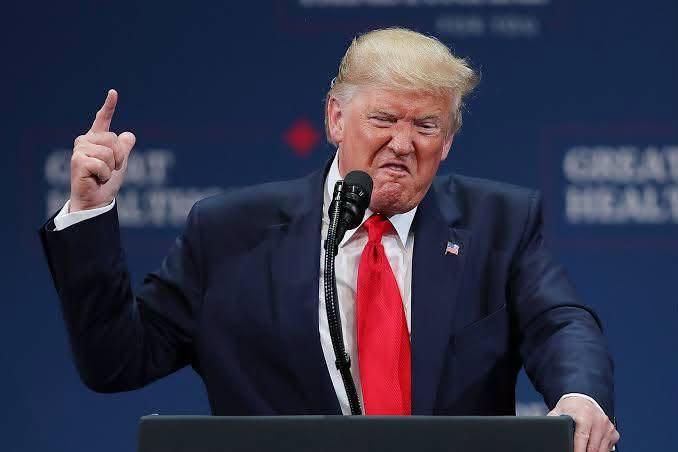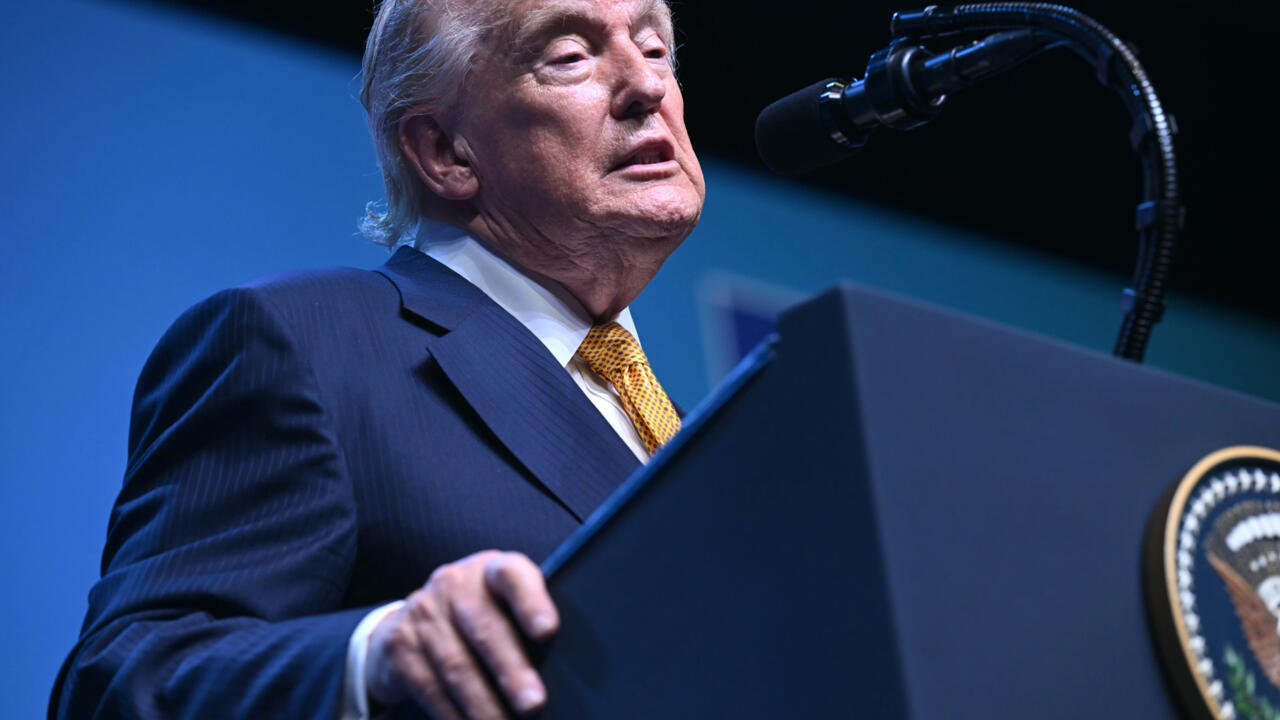
LONDON: Oil prices tumbled Monday (Aug 3) and stocks mostly rose after US President Donald Trump said he was preparing for new talks with Iran aimed at ending the war in the Middle East.Crude futures slid more than 6 per cent, even though Iran denied that any negotiations were taking place and earlier truces have failed.While tech stocks are still under pressure in Asia on concerns of over-investment, wider stock market indexes were mostly higher in New York and Europe as the lower oil prices raise the prospect of lower interest rates."Trump's decision to restart talks with Iran has knocked a large chunk out of the oil-risk premium and given bonds room to rally," said Patrick Munnelly, market strategist at the Tickmill Group.
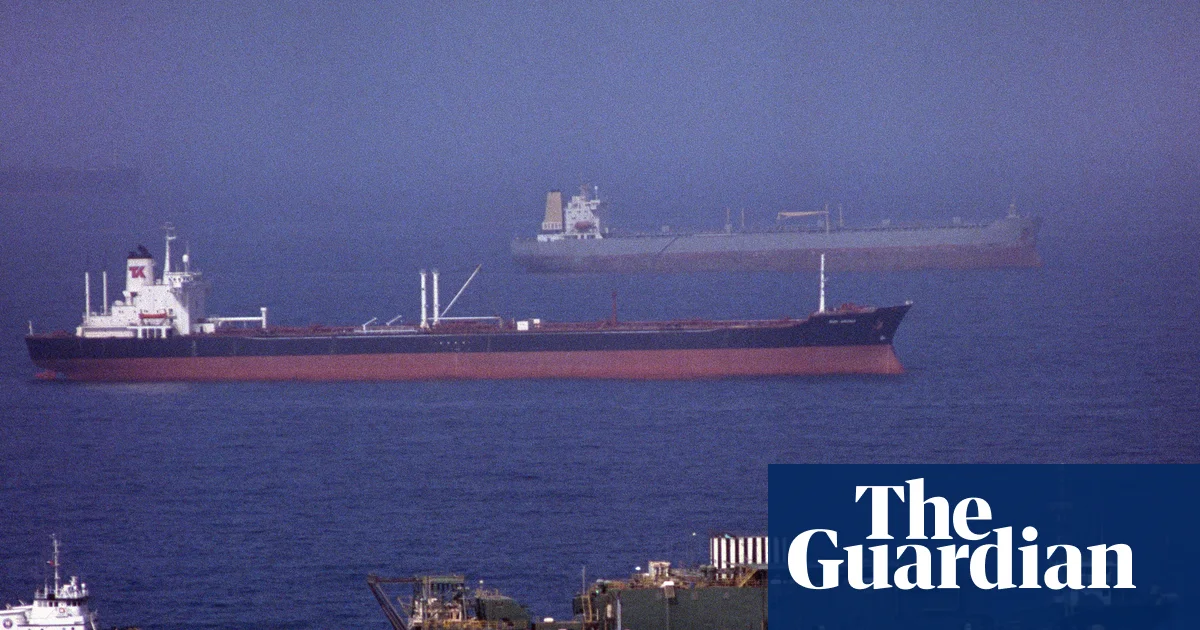
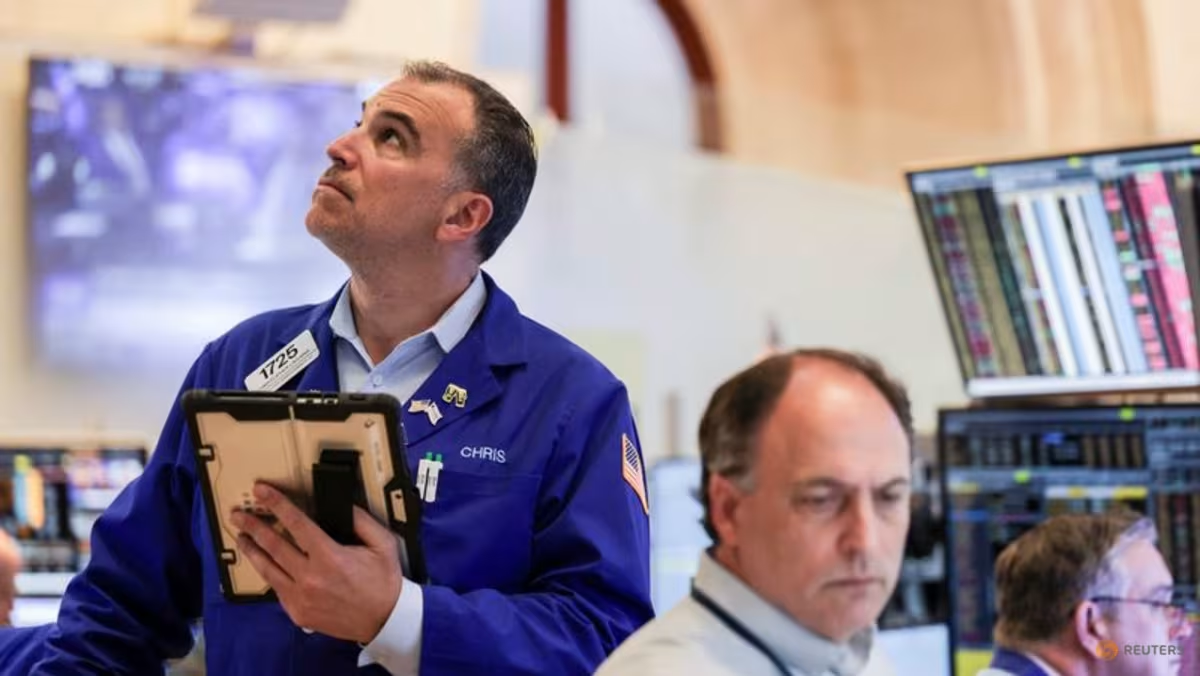
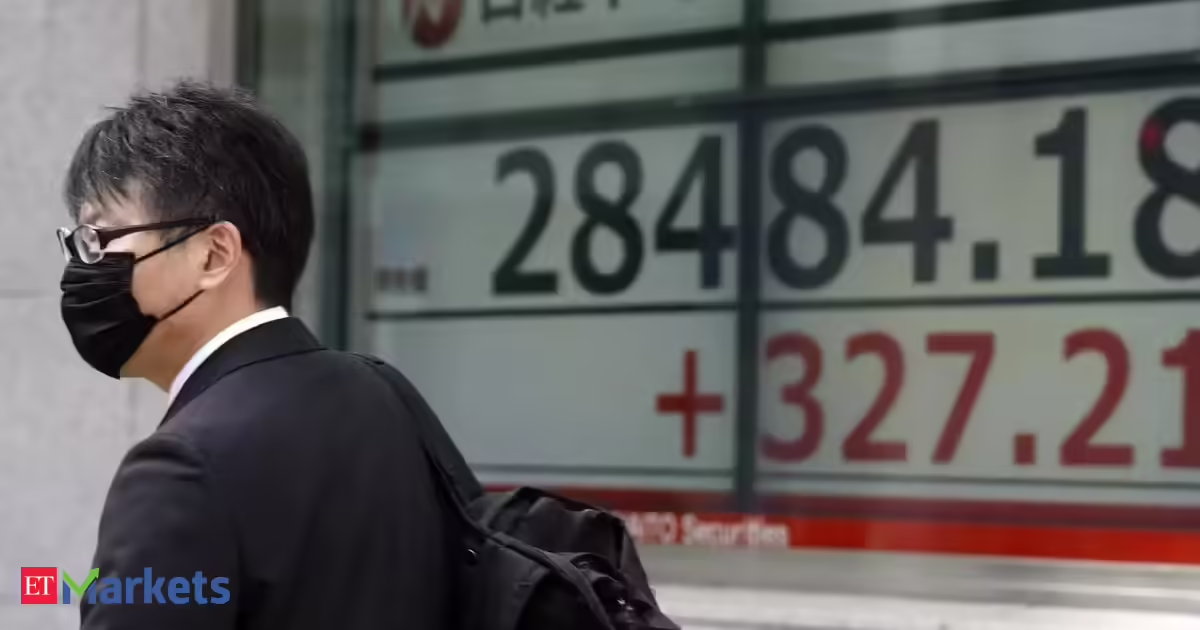
Oil's sharp fall "has eased the immediate inflation scare", he said.The yen meanwhile surged against the dollar after US and Japanese authorities confirmed Monday that they had bought Japan's currency on the open markets after months of weakness.While a weaker yen helps big exporters, it also inflates import costs for Japan, and the main Japanese stock index fell nearly 1 per cent on Monday.Elsewhere on Asian markets, technology companies again saw heavy losses as traders worry about whether massive investments in artificial intelligence will deliver long-lasting profits.The chipmakers SK Hynix and Samsung dragged down South Korea's Kospi index after a rally on Friday.In New York, all the main indexes were higher in early trading.European stock markets, which feature fewer technology names than their Asian and US counterparts, were strongly higher at mid-afternoon, with Paris and Frankfurt both up more than 1 per cent.But London was flat after the share price of one of its biggest constituents, the pharmaceutical group AstraZeneca, slumped six per cent on a report that it could merge with US rival Bristol Myers Squibb.Oil companies, which figure prominently in London's indexes, followed oil prices lower.Beyond the geopolitical risks, attention is also on the prospects for the US economy after the Federal Reserve held interest rates steady last week despite calls from some of its policymakers to raise rates to fight inflation."The focus as we move through the week will be the US non-farm payrolls report, which will be another test of the resilience of the US labour market," said Kathleen Brooks, research director at the trading platform XTB.On currency markets, the dollar traded mixed, rising against the pound and the euro but down sharply against the yen after coordinated intervention by central banks.The yen soared late last week after wallowing near its weakest dollar level since 1986, hit by higher US interest rates, rising oil prices and persistent capital outflows from Japan.Despite falling on Monday, oil prices remain well above levels seen before the United States and Israel attacked Iran, sparking a war that has sharply curtailed Gulf exports of oil and other key products.Trump said Saturday that the "perimeters" of a deal were there, with the latest negotiations covering the Strait of Hormuz, which has become a main sticking point in the conflict. Earlier, Trump had threatened to hit Iran "very hard".The decline in oil prices was aided by an agreement between Saudi Arabia, Russia and five other OPEC+ members to boost production by 188,000 barrels a day from September, analysts said.