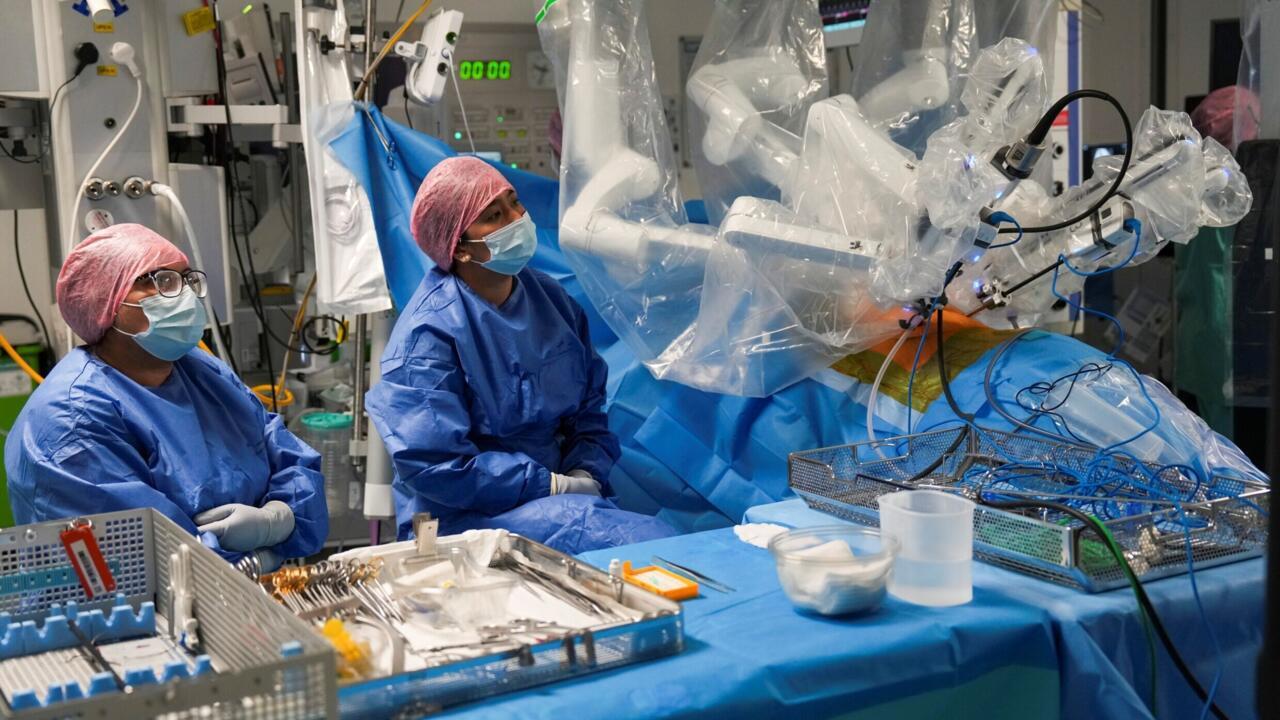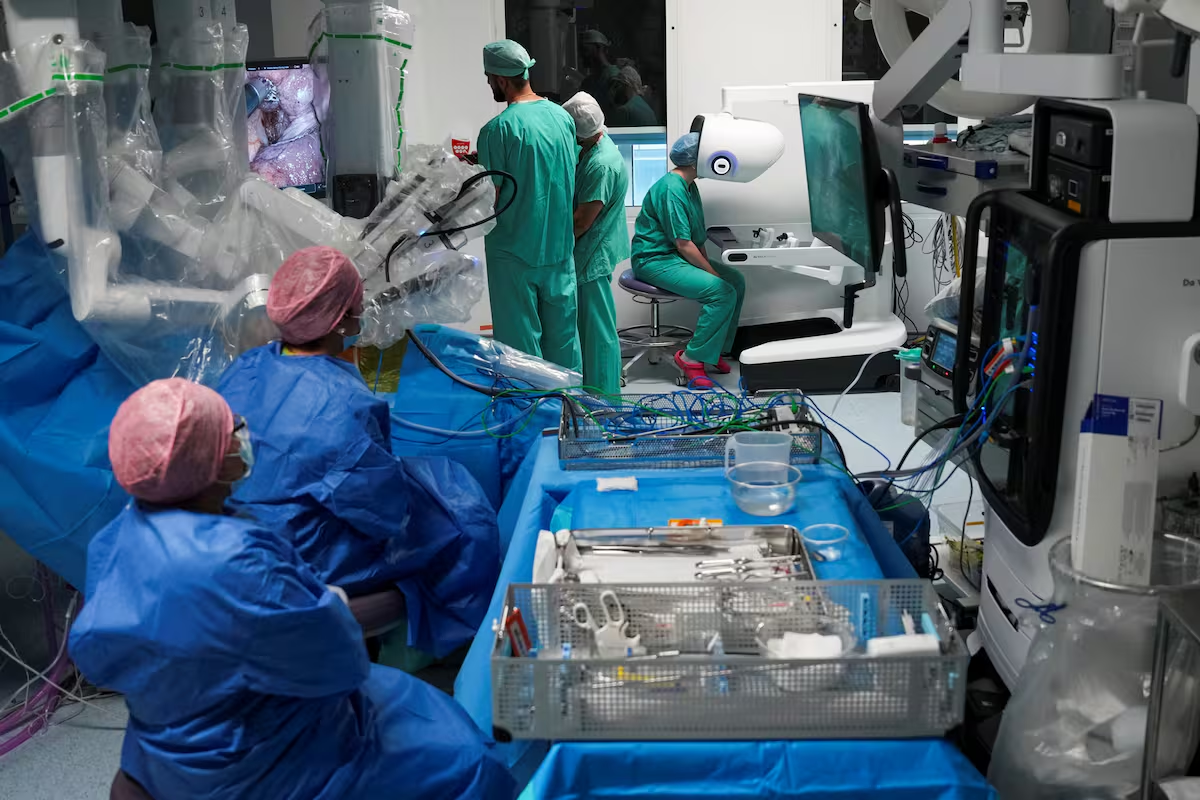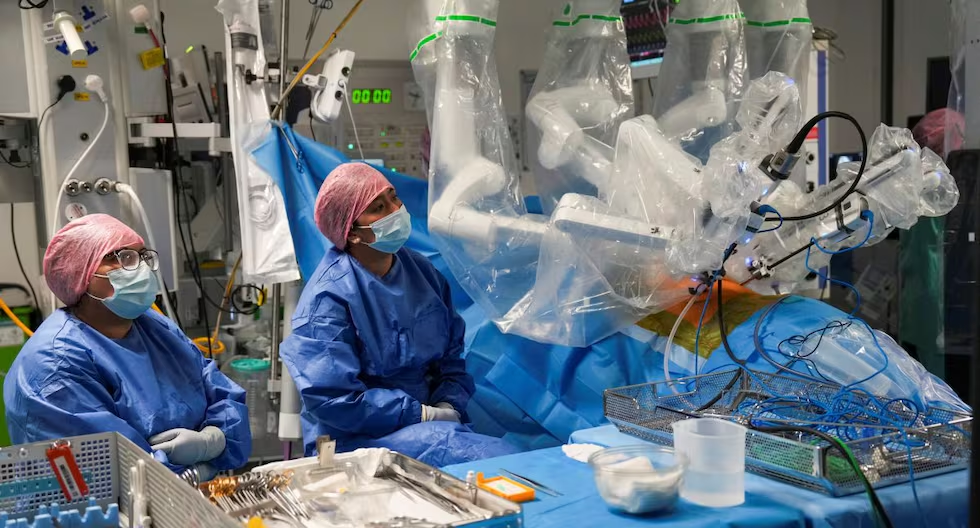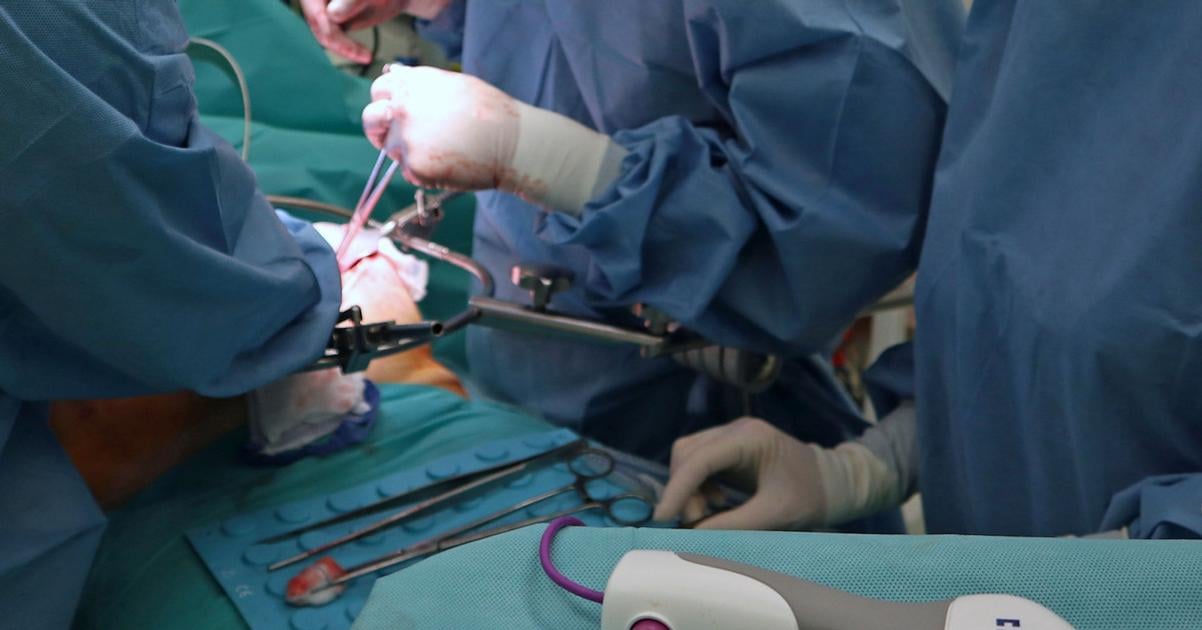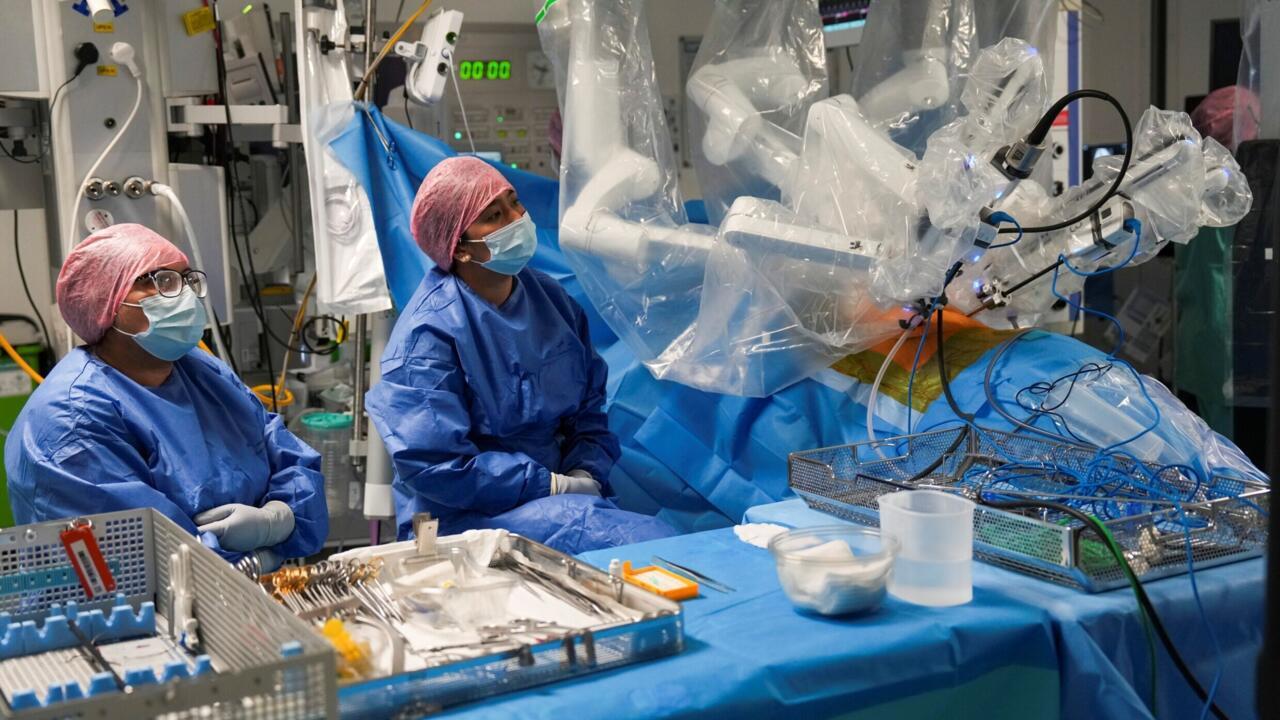
"We've done some very, very intricate operating today," said the 60-year-old consultant thoracic surgeon."We've saved a lot of lung, we've gone around some really, really small vessels and really small airways."He was addressing three surgeons from another English hospital observing Stamenkovic using the new da Vinci 5 robotic-assisted surgical system, made by US company Intuitive.The equipment will arrive in their operating theatre later this year, part of a drive to increase the use of robotics in keyhole surgery across the UK's National Health Service. Throughout the roughly two-hour operation, Stamenkovic's instructions echoed through a microphone to his surgical team, which includes nurses specially trained as robotic surgical first assistants.
The government has set a target for robotic assistance to be used in 9 out of 10 keyhole surgeries in England by 2035 © CARLOS JASSO / AFP
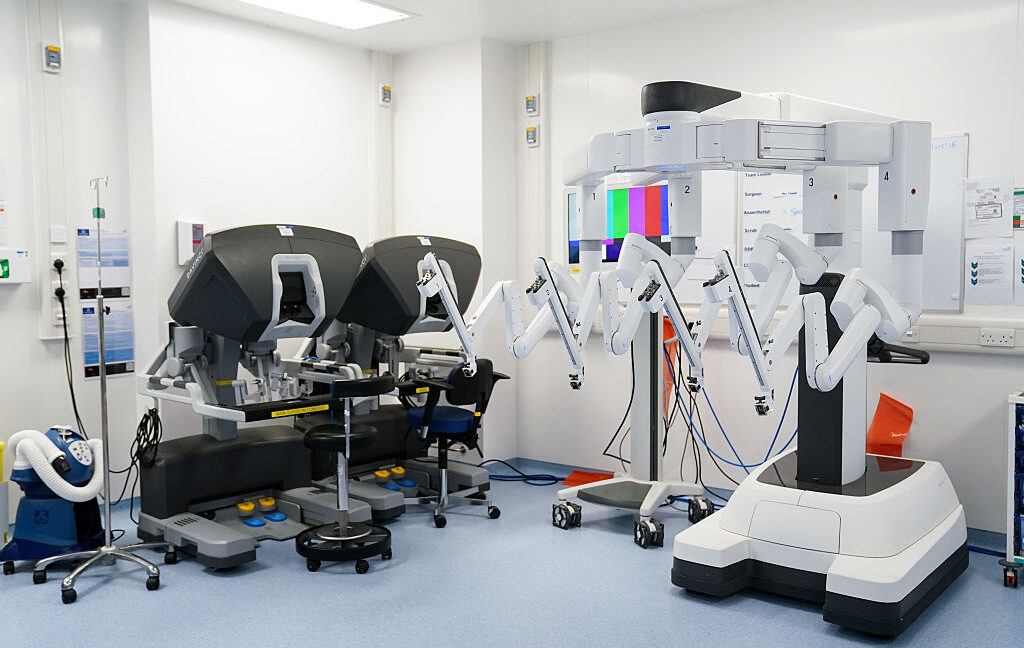
As director of robotic surgery and research at Barts Health NHS Trust, he runs fellowships at St Bartholomew's Hospital in central London, shaping what he says will be the "surgeon of the future."The government has set a target for robotic assistance to be used in 9 out of 10 keyhole surgeries in England by 2035. 'Art form'At first glance, the setup looks like a video game. Stamenkovic carried out the operation via a console at the side of the room, his hand movements translating into the actions of three robotic arms holding operating instruments, looming over a patient lying a few metres away. A fourth arm holds a camera, providing the 3D stream for the surgeon, as well as two screens in the operating theatre.The robotic systems can be used across a range of specialities including urology, gynaecology, colorectal, thoracic, and abdominal or general surgery.Ali Ansaripour, a senior cardiothoracic trainee on a year-long fellowship, is one of the doctors under his wing. "Stepping away" from the patient and adjusting to this setup was the "biggest challenge", Ansaripour said."I think that almost kind of separates you from the patient slightly," he said. "But it gives you incredible vision and makes you very objective in terms of how you deal with the patient."Despite the futuristic appearance, Stamenkovic argued robotics has actually returned keyhole surgery closer to "how the original open surgery used to be".