Audio By Vocalize
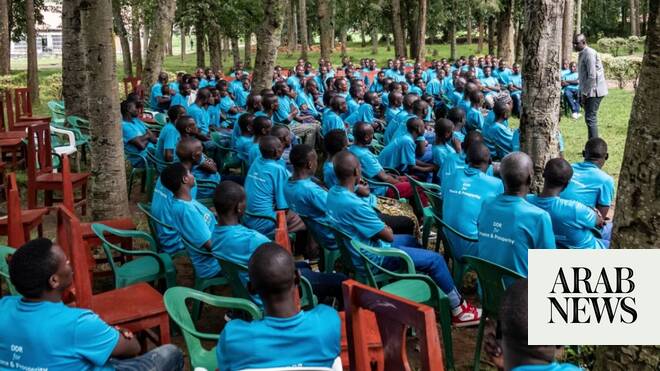
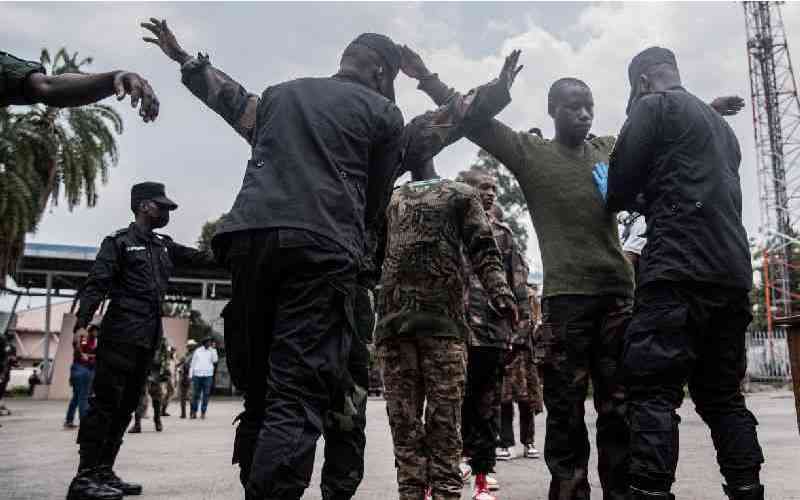
FDLR soldiers are searched by a Rwandan official at the main border crossing between DR Congo and Rwanda in Goma on March 1, 2025, during their repatriation by the M23 movement to Rwanda. [AFP]
The debate between the West and Rwanda over the Kinshasa-backed FDLR militia is not about whether the group exists or whether it has committed atrocities. Both are well established. The real divide lies in how the group is perceived.
Western governments view it primarily as one weakened armed group among hundreds operating in eastern DRC. For them, the FDLR is dangerous, but containable. In other words, an existential threat to Rwanda is treated casually by the West, a reminder that the 1994 genocide against the Tutsi itself happened in a sea of indifference.
So the terror group is condemned and sanctioned, but rarely confronted with the urgency Kigali believes its history demands. To Rwanda, by contrast, the FDLR is the surviving military and ideological heir to the forces that carried out the genocide. Beyond the numbers, its ideology, political ambitions, international networks, and ability to reorganize make it a long-term national security threat.