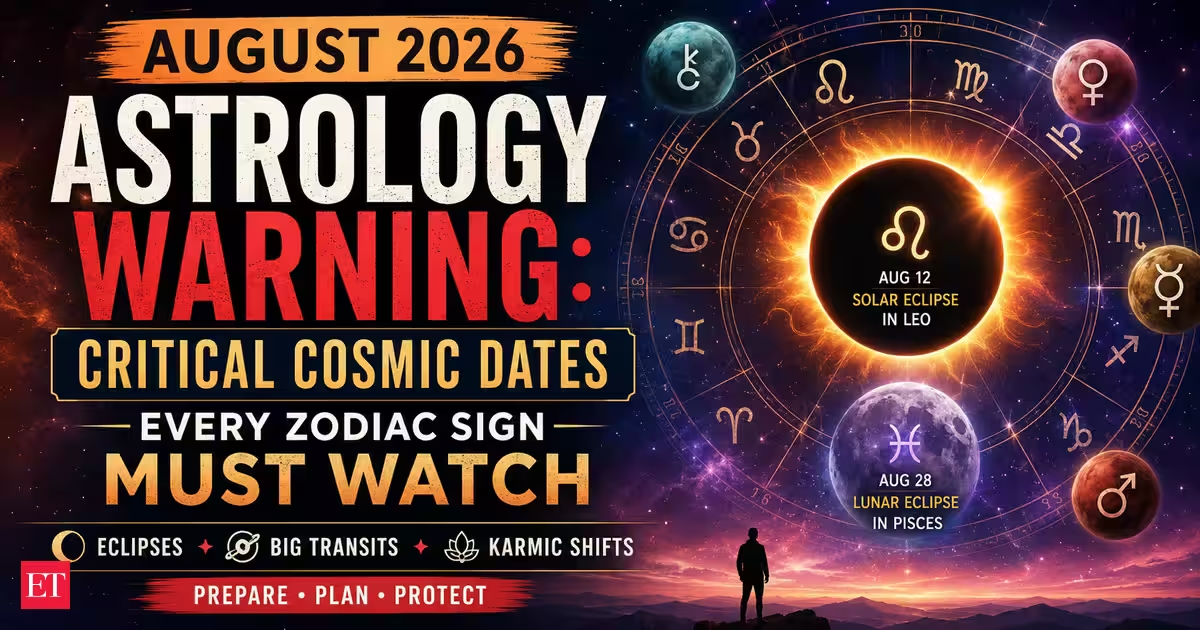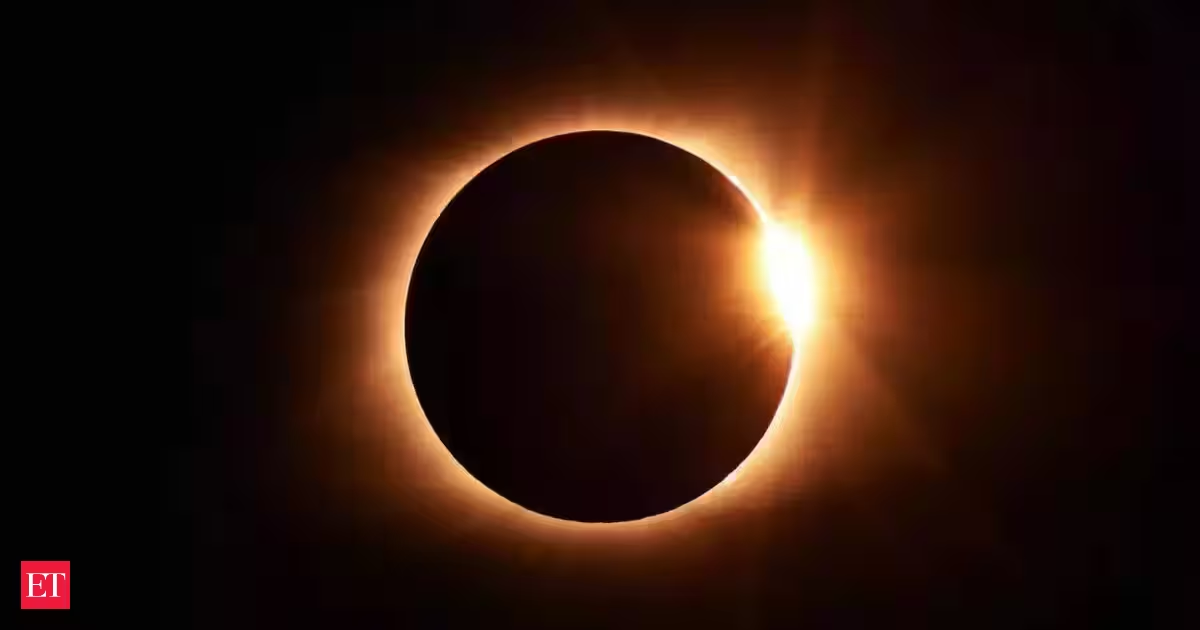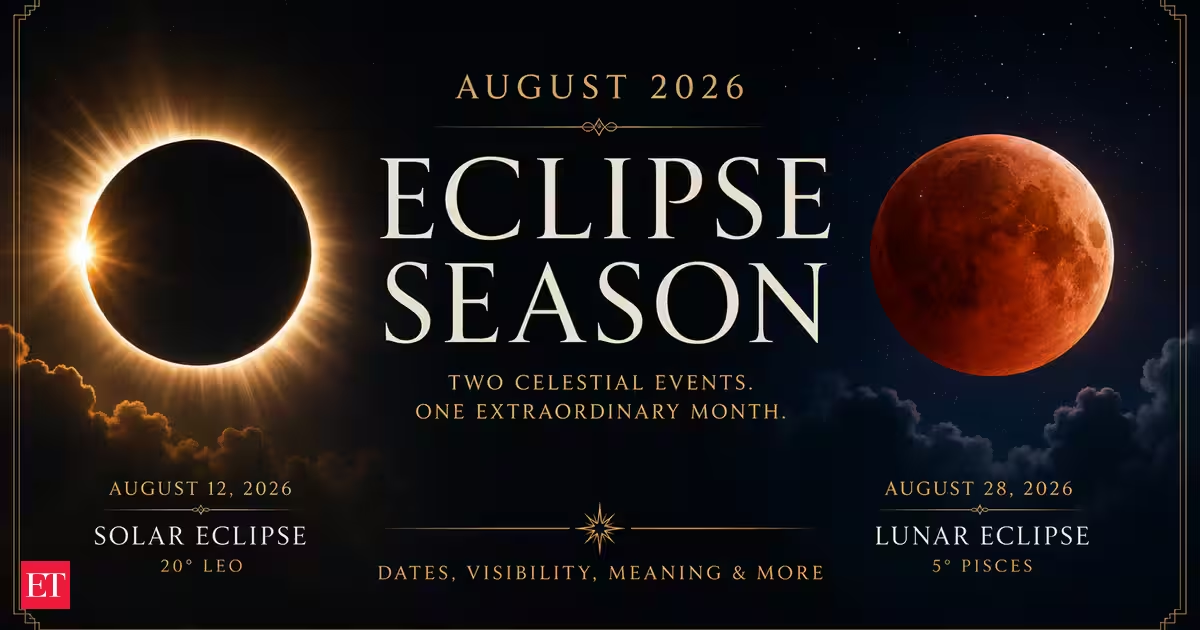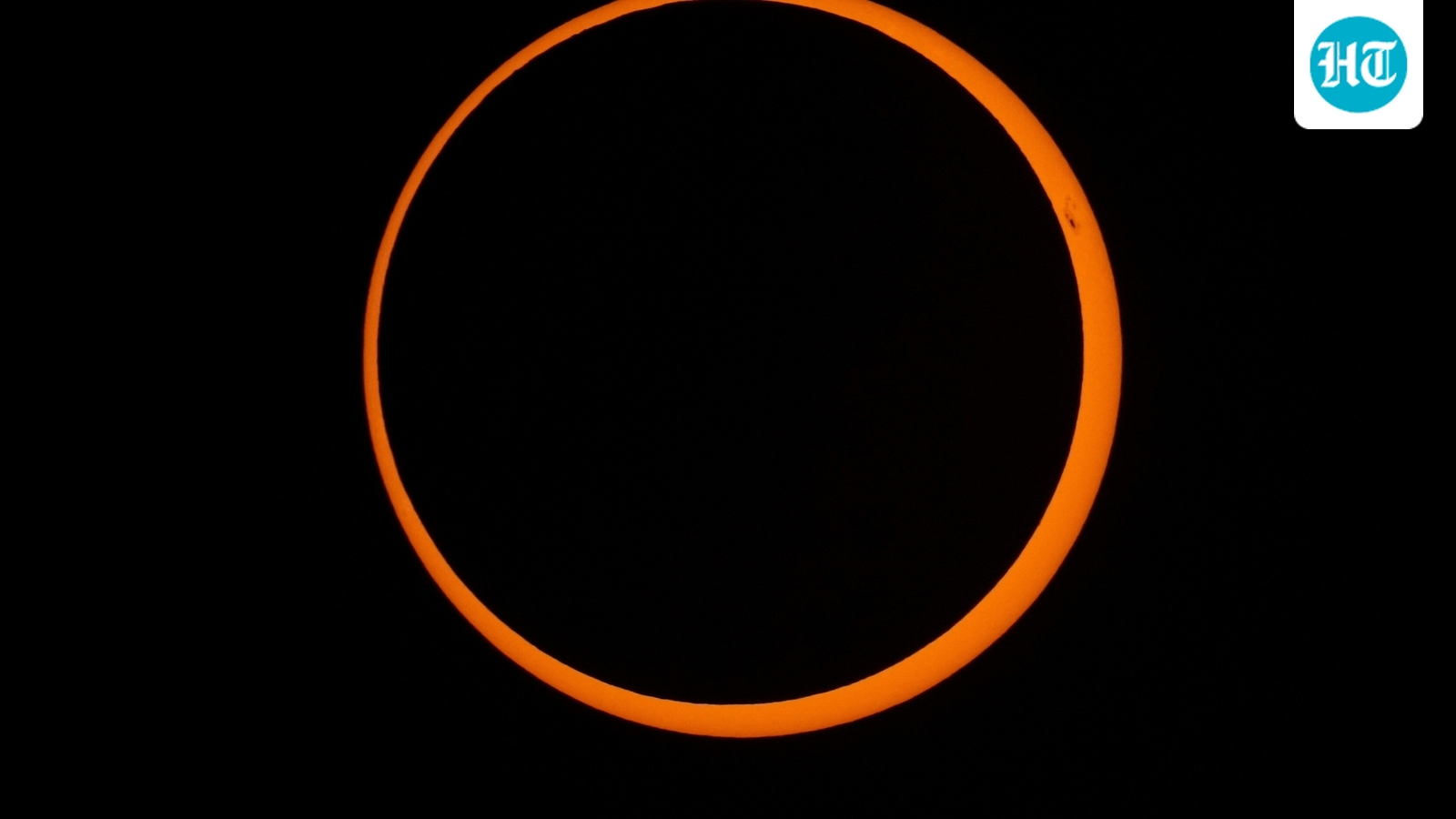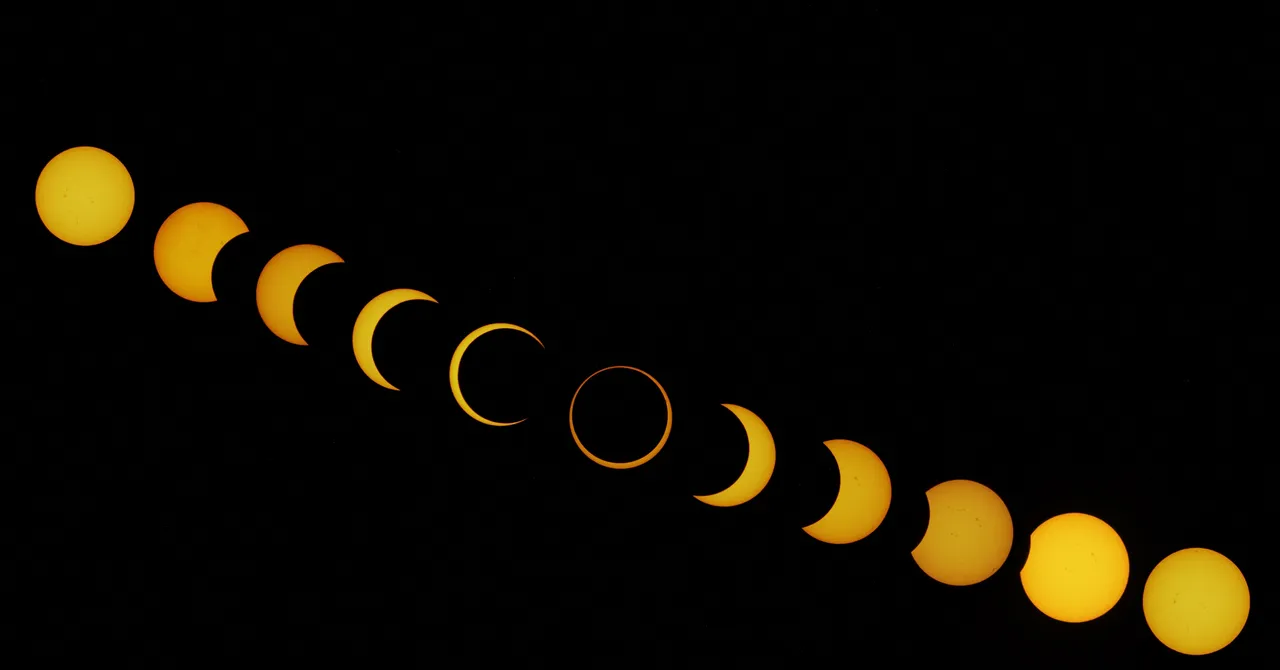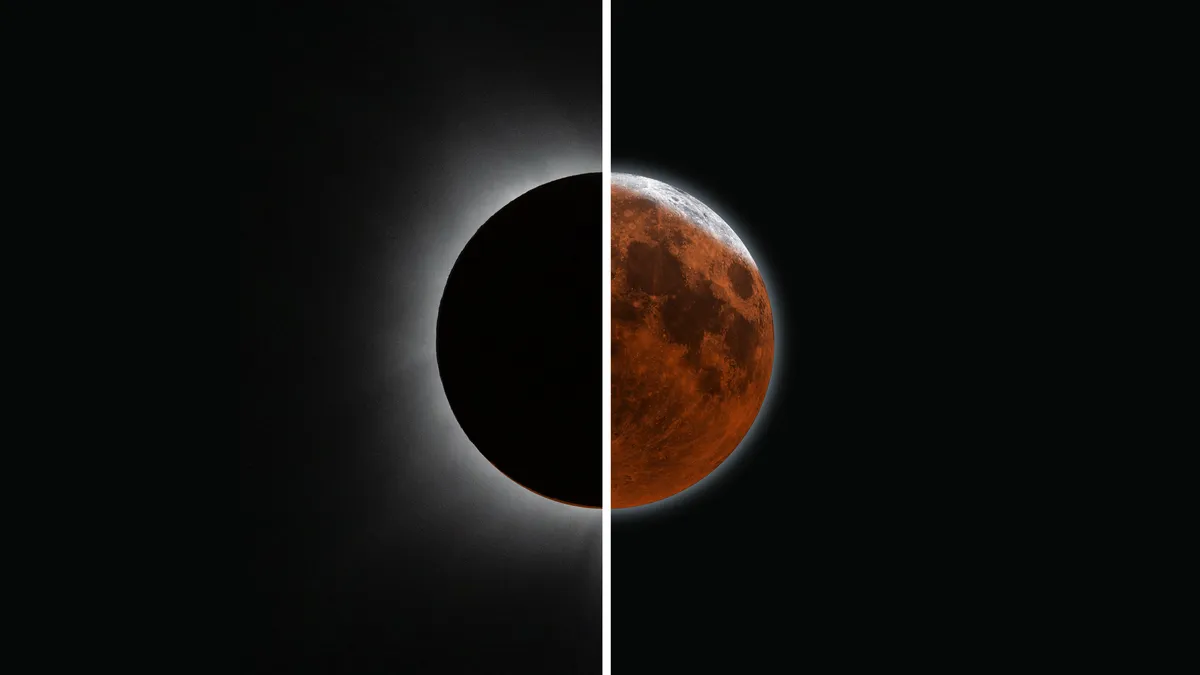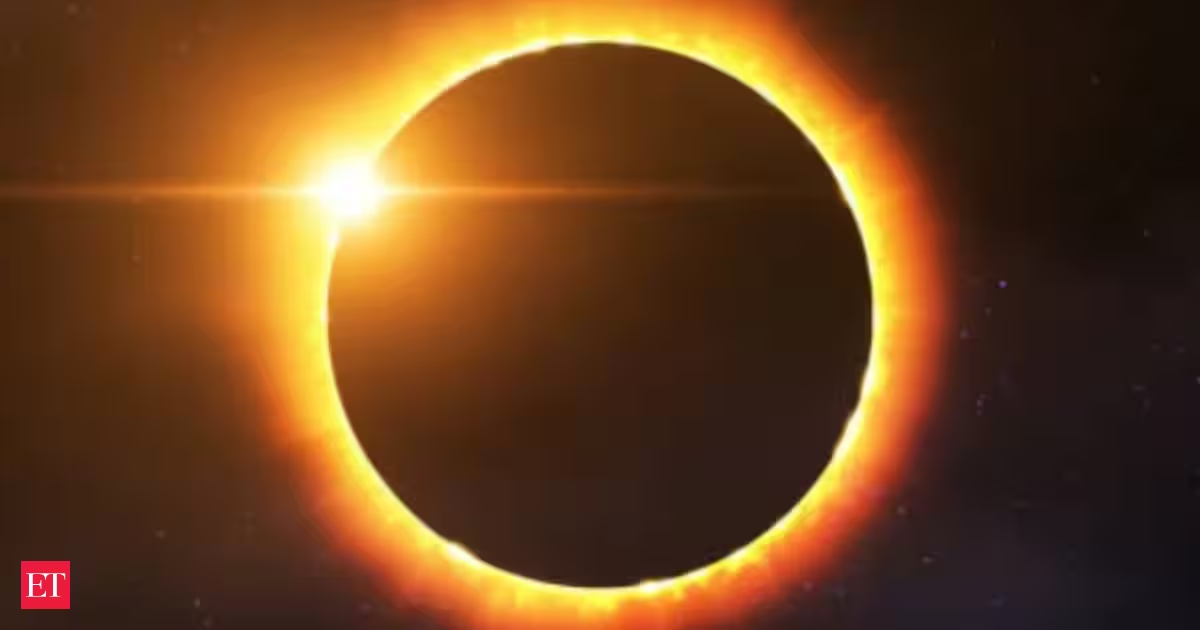
The second eclipse season of 2026 is set to bring more than breathtaking views of the sky. According to astrologers, this powerful cosmic period is often linked to turning points, fresh beginnings, emotional breakthroughs, and life-changing decisions that can unfold over the months ahead.Eclipse Season 2026Beginning in late July and continuing through the end of August, this eclipse season features a total solar eclipse on August 12 and a partial lunar eclipse on August 28. While astronomers explain these events through the movement of the Sun, Moon, and Earth, astrologers believe eclipses symbolize moments when life speeds up, bringing endings, opportunities, and unexpected changes.Why is the eclipse season considered so powerfulAccording to NASA, a solar eclipse happens because the Sun is roughly 400 times larger than the Moon but also about 400 times farther away from Earth, making both appear almost the same size from our perspective. When the Moon passes directly between Earth and the Sun during a new moon, it can partially or completely block the Sun.A lunar eclipse occurs about two weeks later during a full moon, when Earth moves between the Sun and Moon, casting its shadow across the lunar surface.You Might Also Like:Astrologically, however, eclipses carry a different meaning. They occur when the Sun and Moon align near the lunar nodes, often called the Nodes of Destiny, which many astrologers associate with accelerated growth, major decisions, and unexpected life changes.What happens during eclipse season?Astrologers often describe eclipse season as a period where old chapters begin closing while new ones quietly open. A solar eclipse, which takes place during a new moon, is generally linked to fresh starts, new opportunities, and important life directions that may continue developing for months.A lunar eclipse, occurring during a full moon, is associated with emotional clarity, endings, letting go of what no longer serves you, and reaching significant milestones.Together, these two eclipses create what many astrologers describe as a bridge between the past and the future.You Might Also Like:The key eclipse dates to knowAccording to astronomical schedules, the current eclipse season runs from approximately July 27 through August 31, 2026.The first major event is a total solar eclipse on August 12 at 1:36 p.m. ET, taking place in Leo.The second is a partial lunar eclipse on August 28 at 12:18 a.m. ET, occurring in Pisces.You Might Also Like:Astrologers believe the first eclipse encourages bold new beginnings, while the second focuses on closure, healing, and emotional release.Four zodiac signs at the center of the solar eclipseAccording to astrological interpretations as per a report by People, the August 12 total solar eclipse in Leo places the spotlight on the fixed signs.LeoFor Leo, this eclipse is deeply personal. Astrologers suggest it marks the beginning of a new chapter involving identity, confidence, personal goals, and self-expression. It's a period that may encourage embracing change instead of resisting it.TaurusTaurus may experience significant developments connected to home, family, living arrangements, or long-term security. The eclipse encourages reassessing what truly provides stability and where lasting foundations need to be strengthened.ScorpioCareer ambitions move into sharper focus for Scorpio. New responsibilities, leadership opportunities, or greater public visibility may arrive, but astrologers also suggest these developments could require greater accountability and commitment.AquariusRelationships take center stage for Aquarius. Whether in love, friendships, or professional partnerships, this eclipse may clarify which connections deserve deeper commitment and which no longer fit your future.Mutable signs may feel the lunar eclipse differentlyThe August 28 partial lunar eclipse in Pisces shifts attention toward the mutable signs:GeminiVirgoSagittariusPiscesRather than encouraging new beginnings, this eclipse is expected to highlight areas requiring closure, acceptance, emotional healing, or releasing outdated situations before moving forward.How to watch the eclipses safelyViewing precautions depend on which eclipse you're watching. For the August 12 total solar eclipse, NASA advises never looking directly at the Sun without certified solar viewing glasses or approved solar filters. Ordinary sunglasses do not provide adequate protection. Cameras, binoculars, and telescopes should also use approved solar filters, as per a report by People.The August 28 lunar eclipse, however, is completely safe to observe with the naked eye. A location with dark skies and minimal light pollution will provide the best experience, while binoculars or a small telescope can reveal additional detail.A season that blends astronomy and astrologyWhether you see eclipses as remarkable astronomical events or meaningful astrological milestones, this year's eclipse season is expected to capture plenty of attention.Astronomically, these alignments showcase the extraordinary precision of our solar system. Astrologically, many believe they represent periods when important life chapters begin, others conclude, and unexpected opportunities appear.Astronomical information is based on guidance from NASA. Astrological interpretations and zodiac sign forecasts are based on the original eclipse-season report by People.Disclaimer: This article is intended for general informational purposes only and does not constitute professional or expert advice. Readers are advised to consult a qualified professional or seek expert guidance before making any decisions based on the information provided.
August 2026 Total Solar Eclipse could change everything-These zodiac signs could feel the biggest life shifts
The 2026 eclipse season is set to unveil transformative opportunities and new adventures. The total solar eclipse on August 12 will profoundly influence fixed signs, urging them to take daring steps towards personal evolution. Subsequently, the partial lunar eclipse on August 28 brings a wave of closure and healing, allowing mutable signs to process emotions and foster acceptance during this pivotal time.
815 words~4 min read