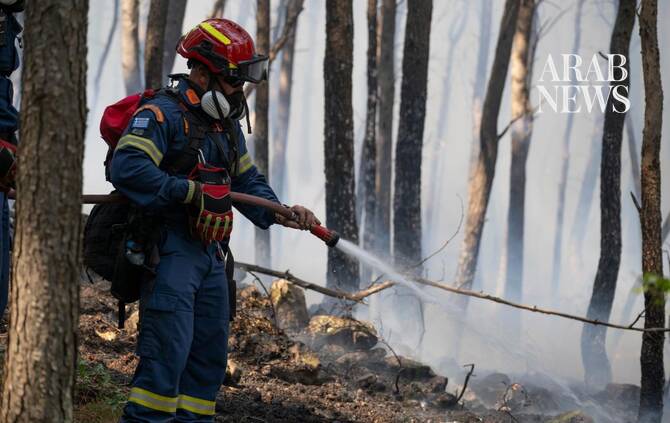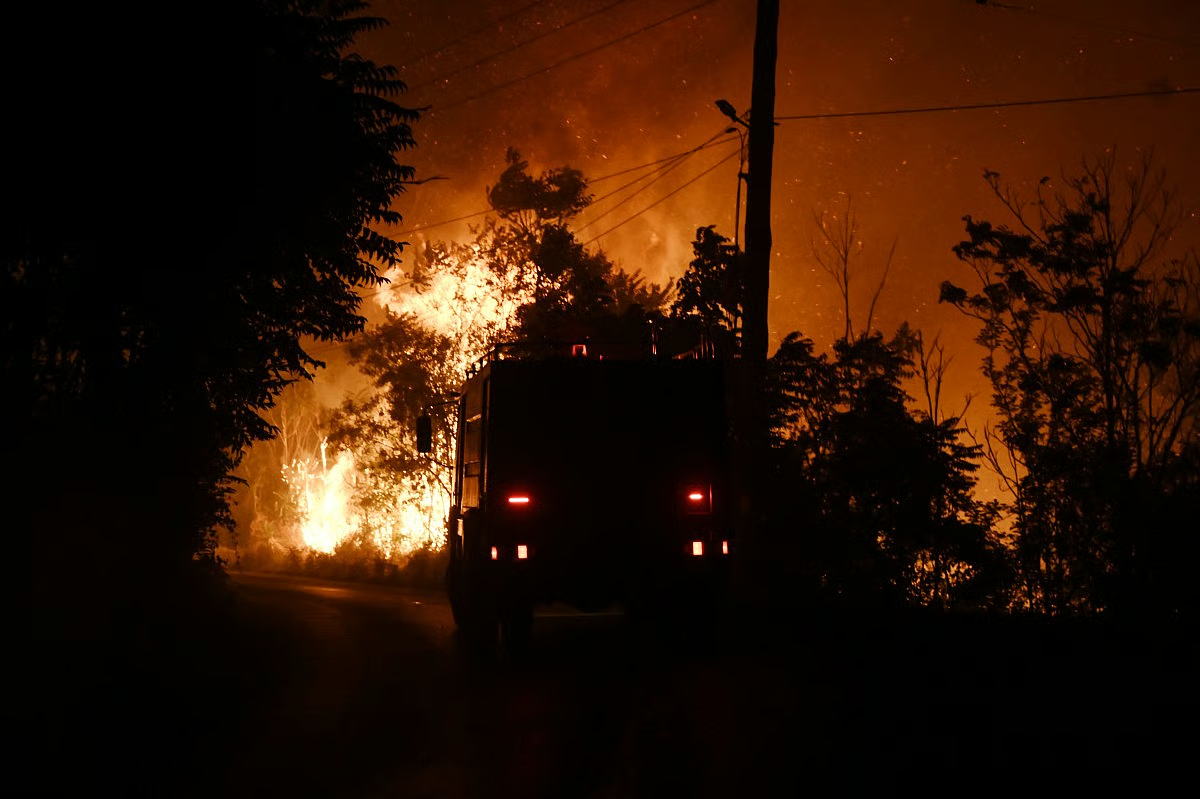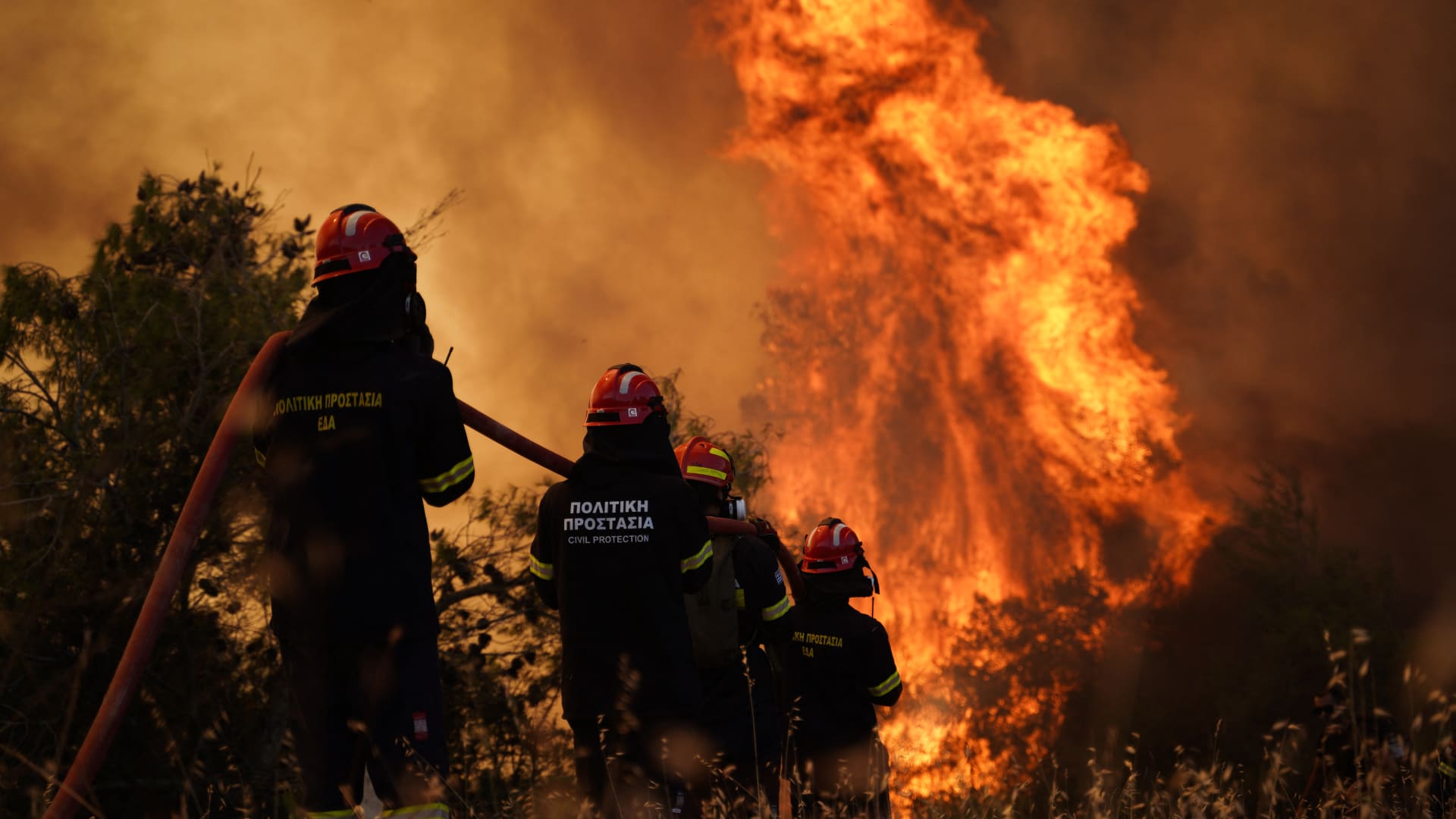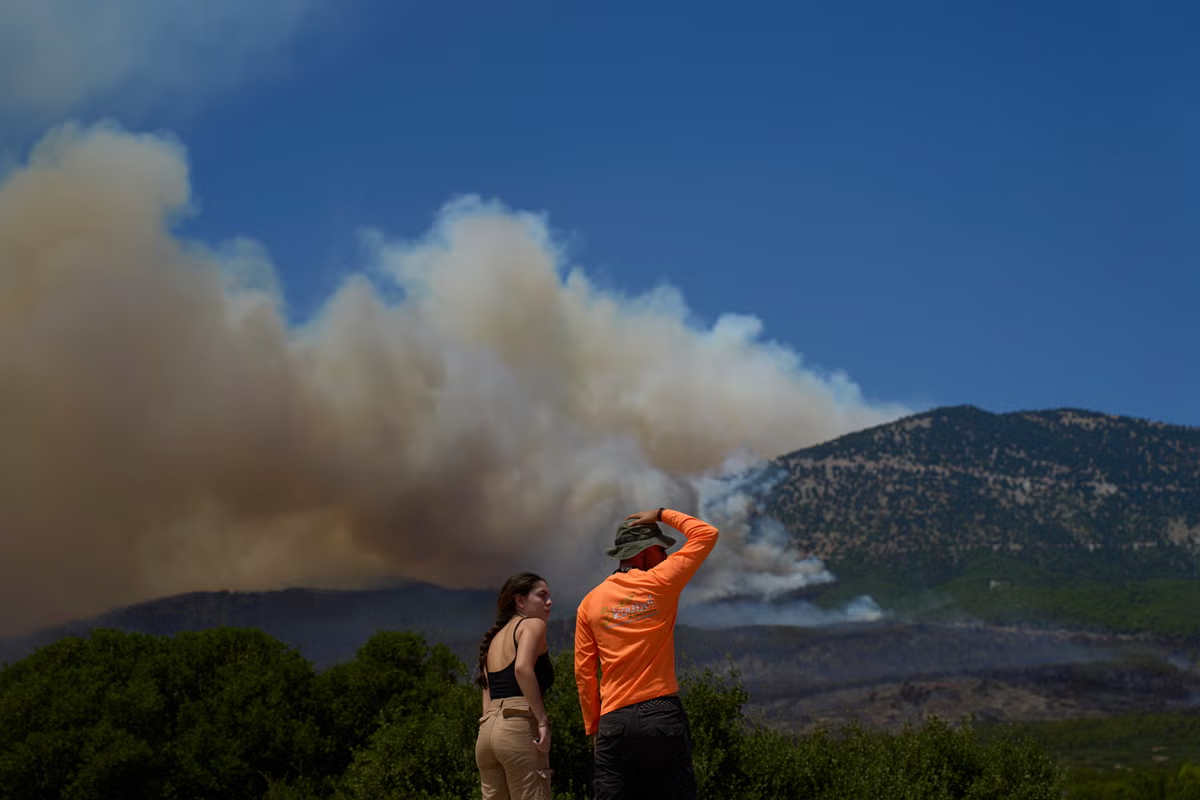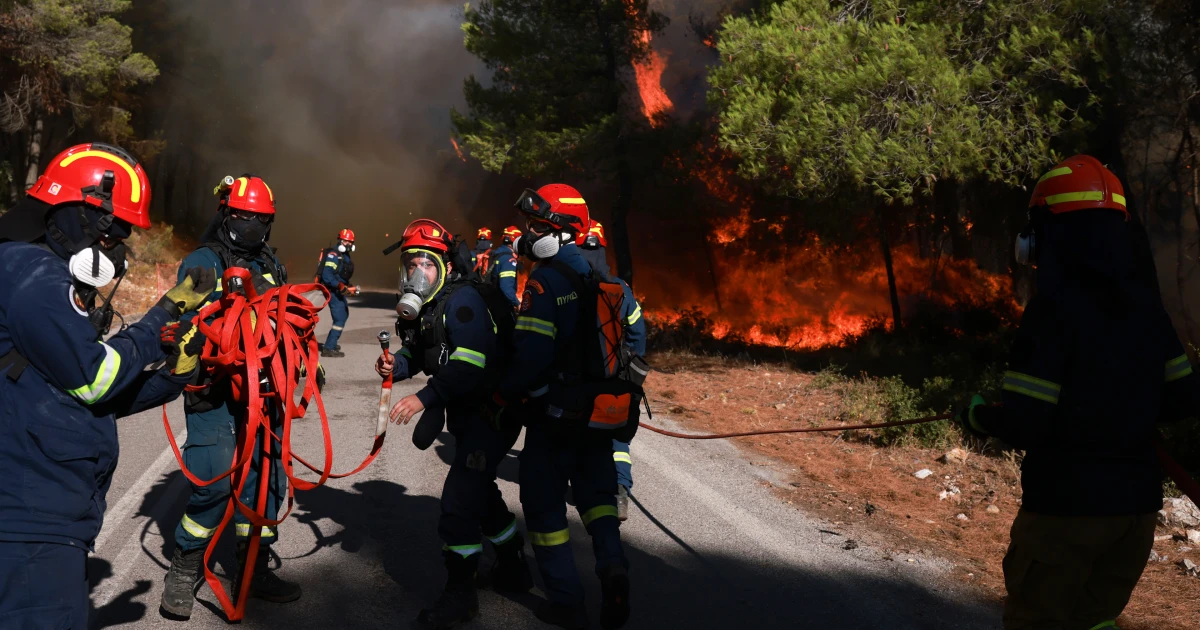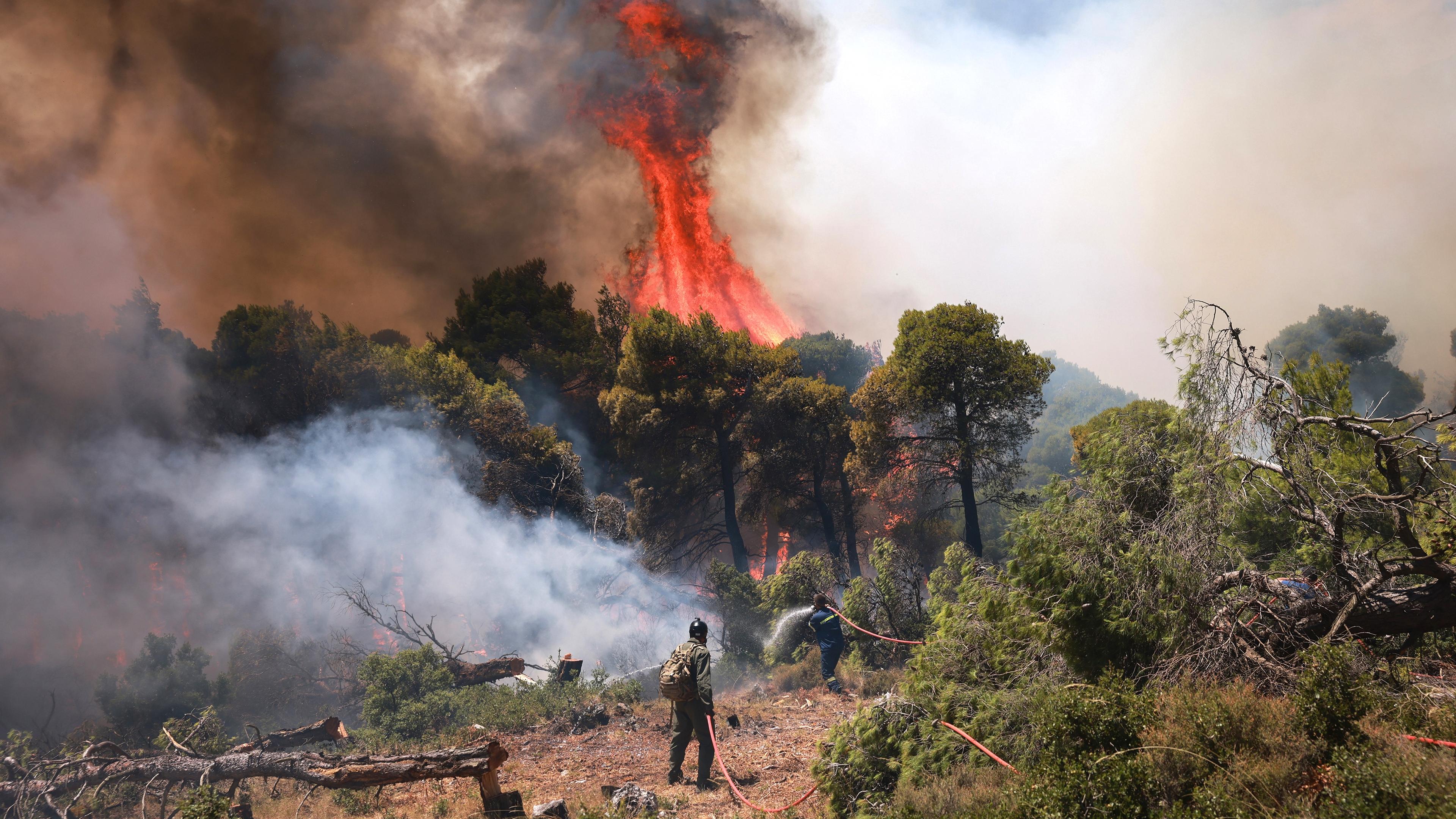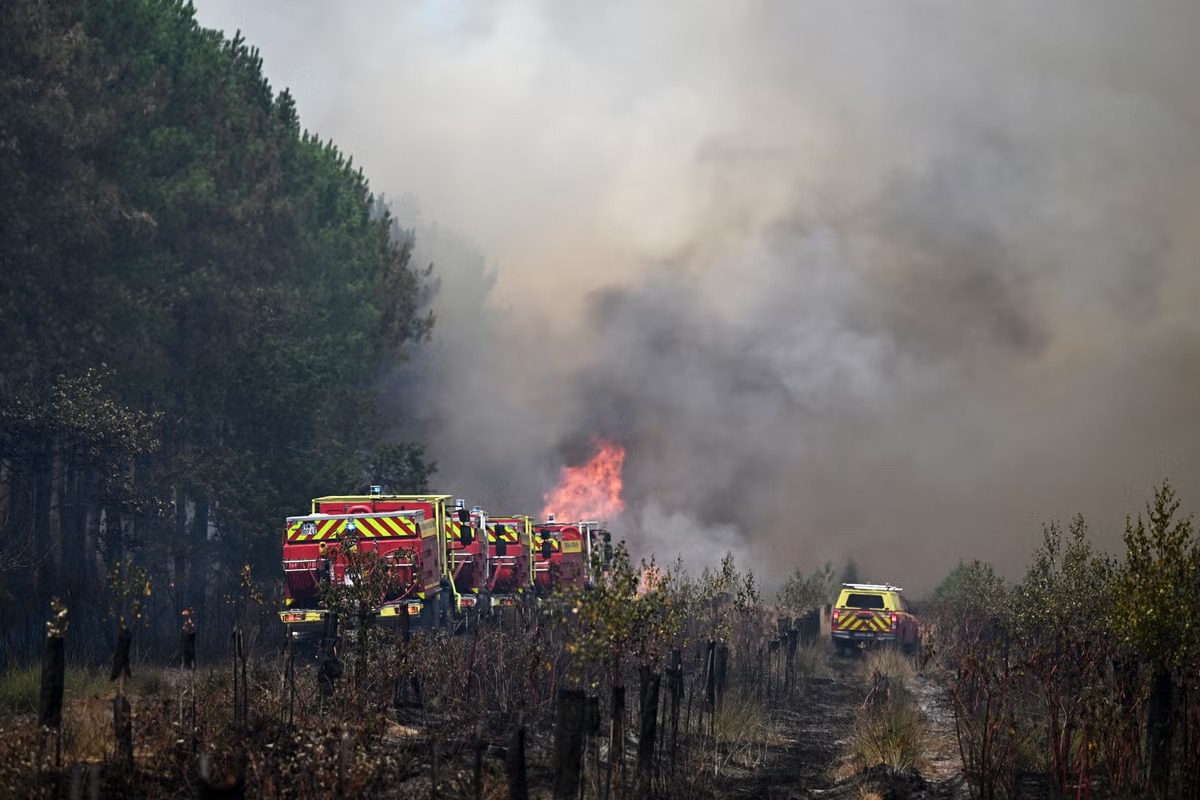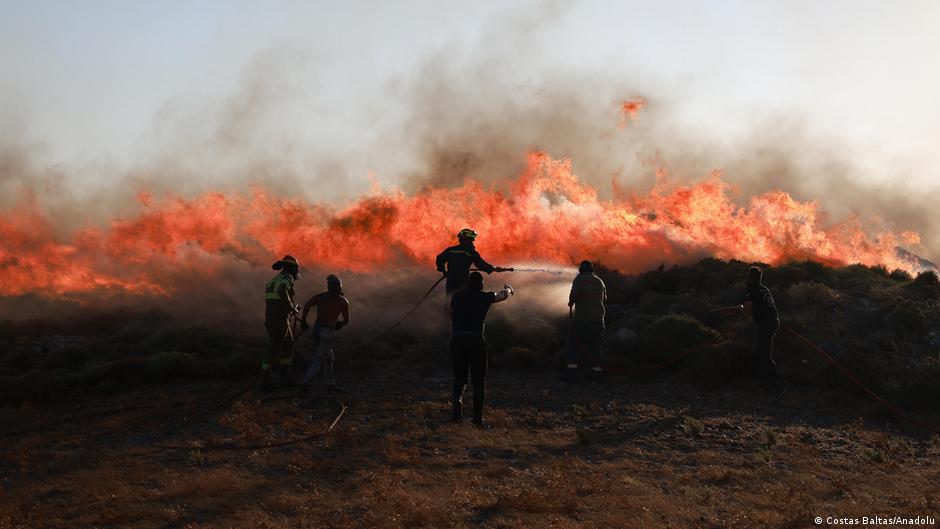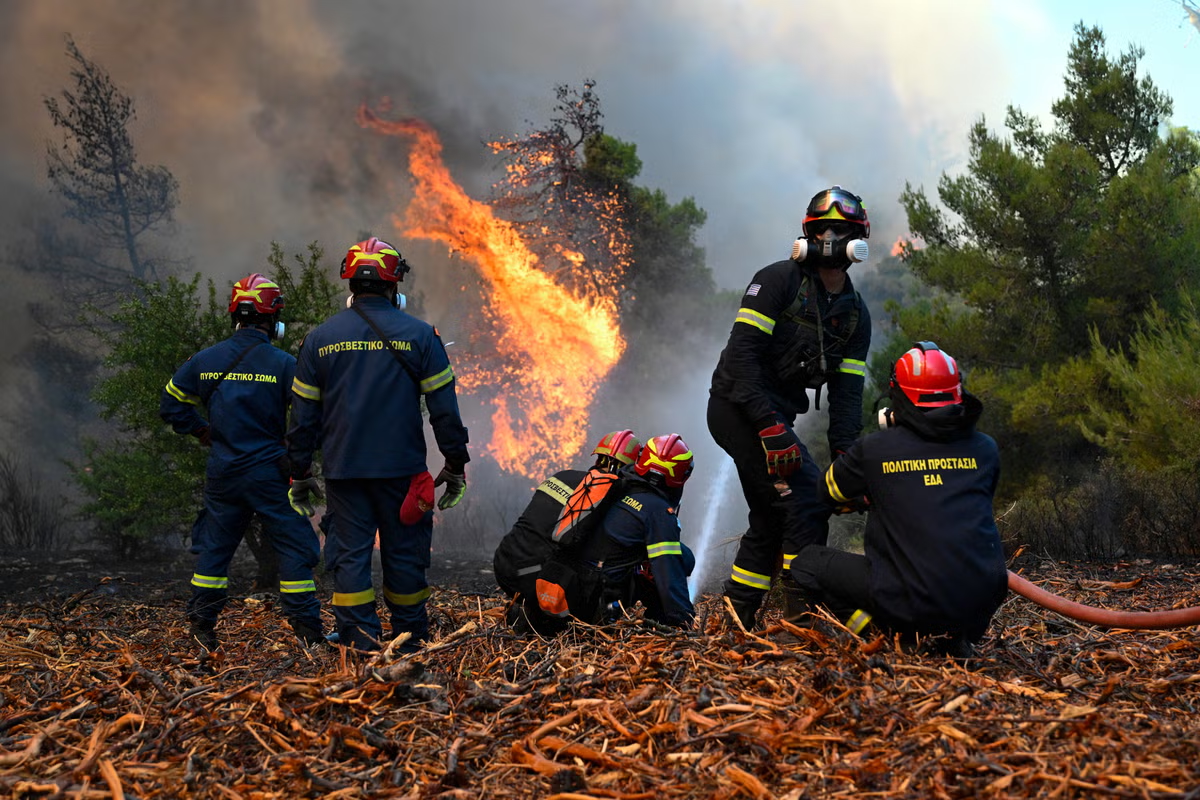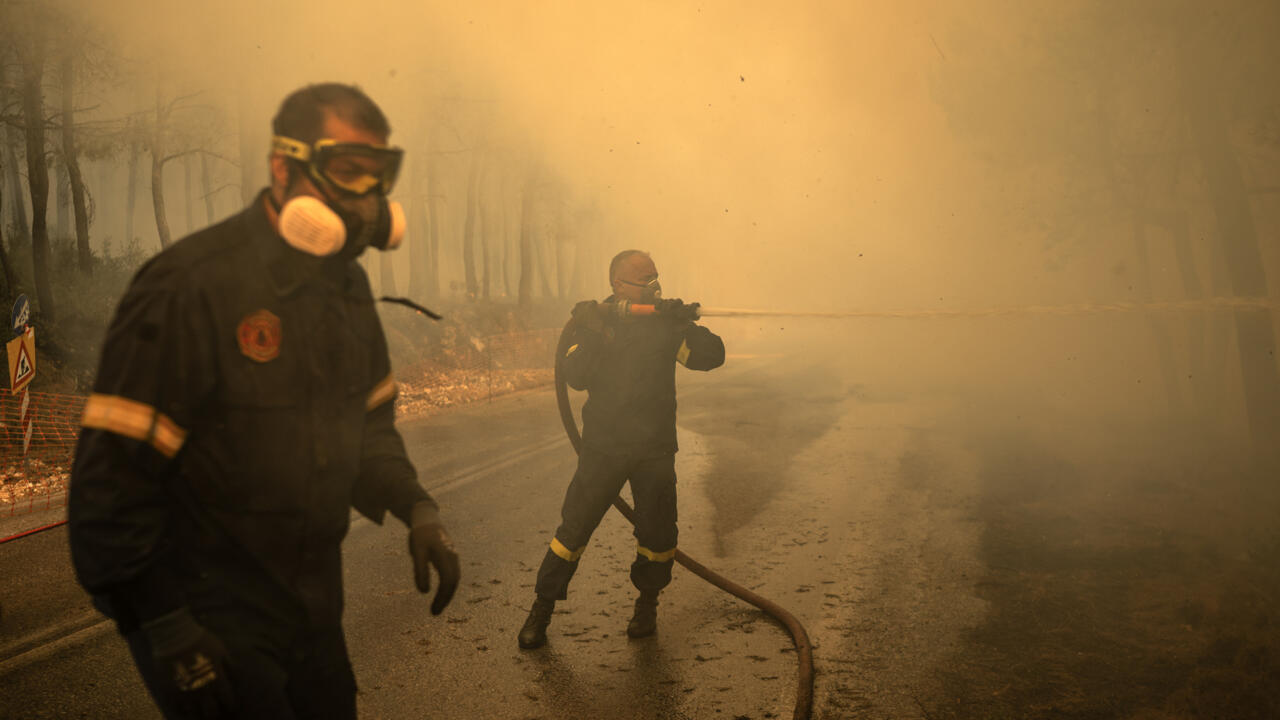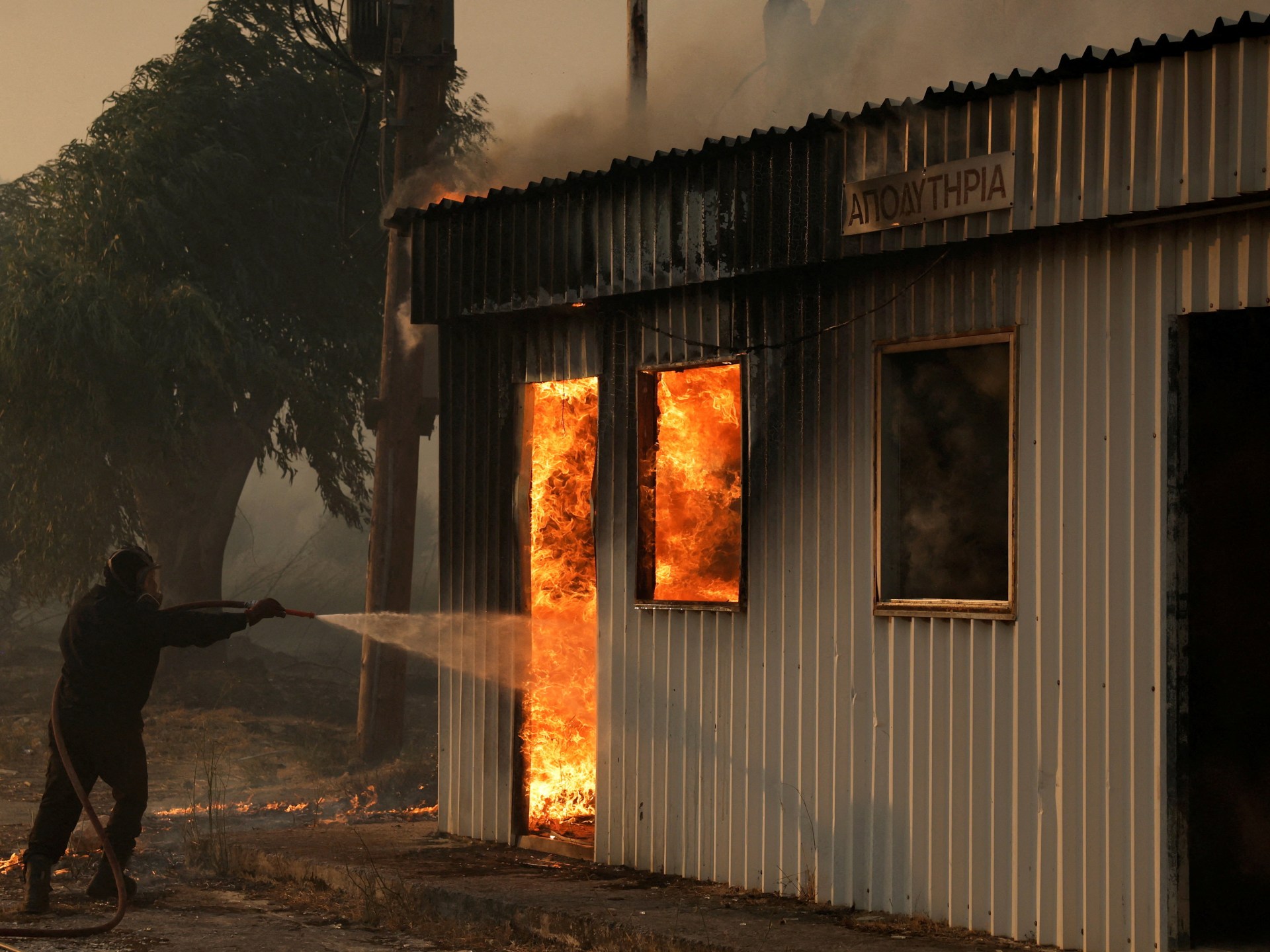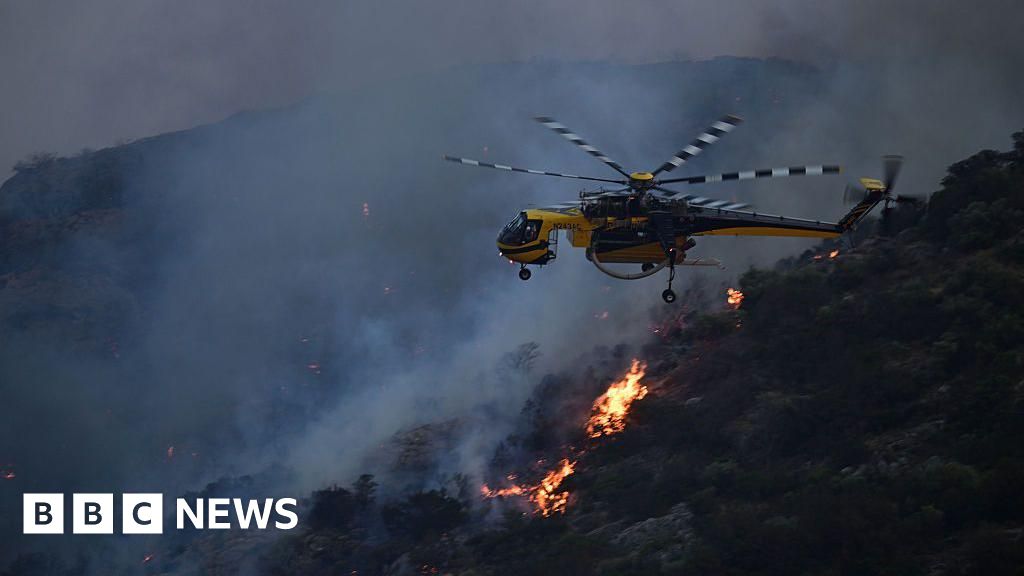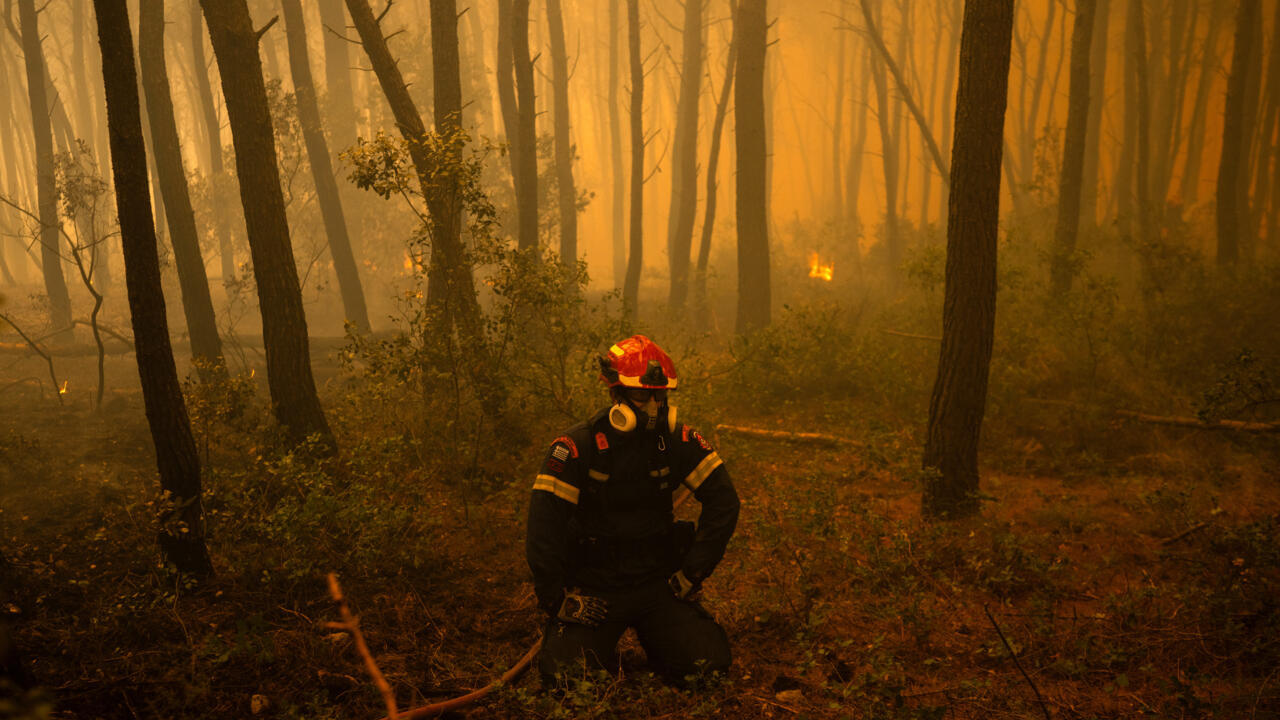
Hundreds of firefighters have been battling multiple blazes across Greece, which have claimed five lives over the past two weeks. "I would say that it is definitely one of the worst fire crises I've seen in the past, maybe eight to 10 years."But he added they cannot make right now a direct comparison in terms of burnt areas or number of ignitions."We will have to wait until the end of the fire season to do such a quantitative comparison," he added. More than 12,000 hectares of forest and agricultural land have burned over the past week, according to analyses by the European Union's Copernicus Earth observation programme. Explaining the drivers behind the fires, Giannaros said it would be easy to blame climate change and weather alone. "Climate change is indeed creating conditions that are highly conducive to these kinds of fires, allowing them to spread very easily and become uncontrollable," he said. But, he argued, the broader picture in Greece and across Europe also points to failures in land management. 'Human activity'"Climate change definitely sets the stage for fire, but climate change and weather do not ignite fires. Unfortunately, 95 percent, or even more, of ignitions are caused by human activity, either through arson, negligence or land management," he said.Greece, he added, has long neglected many of its rural and forested areas. "We have abandoned our rural areas. Our forests are not being managed efficiently," he said. "The climate crisis is simply increasing the toll." Over the weekend, Giannaros said the fires around Porto Germeno, about 70 kilometres (45 miles) by road northwest of Athens in the region of Viotia, were likely to be classified as a megafire.
Greece wildfire expert says season 'one of the worst' in a decade
As Greece grapples with a succession of massive wildfires, Theodore Giannaros, a senior wildfire meteorologist at the National Observatory told AFP on Monday the country faced "one of the worst fire…
600 words~3 min read