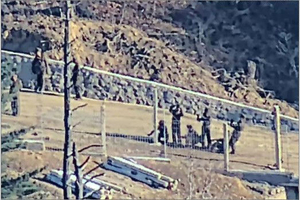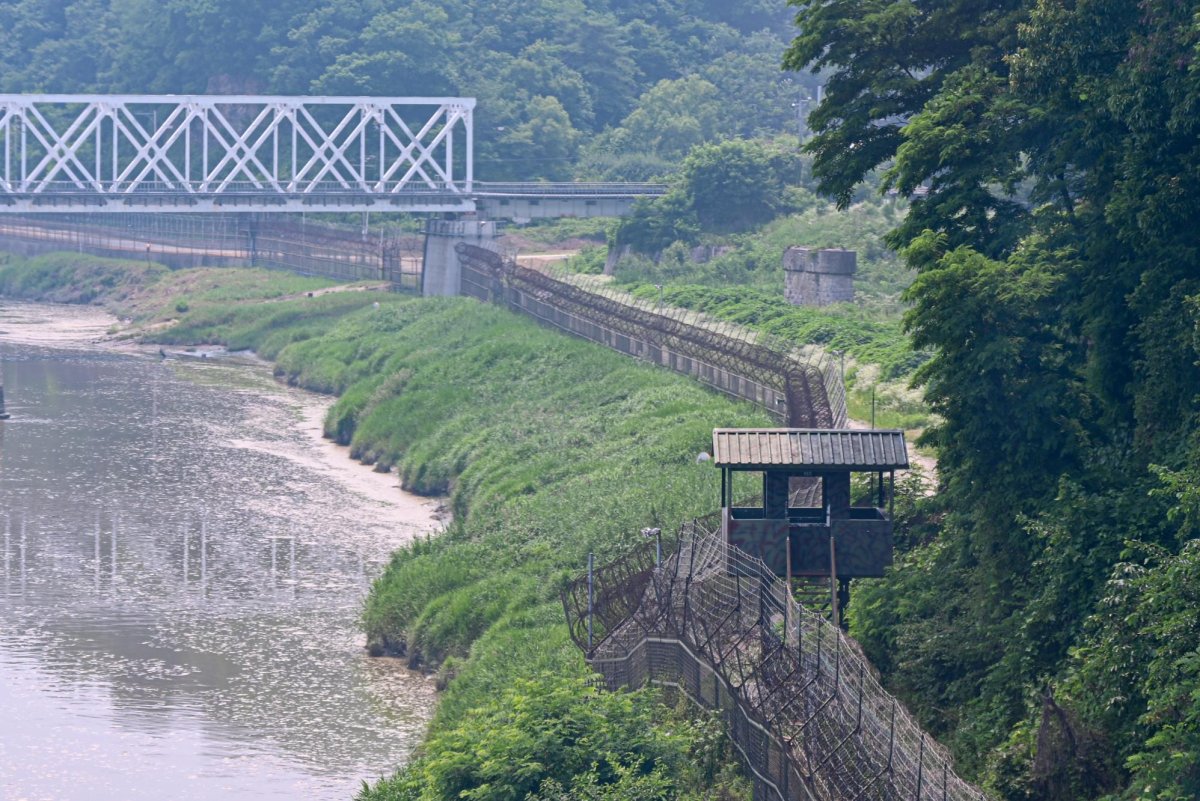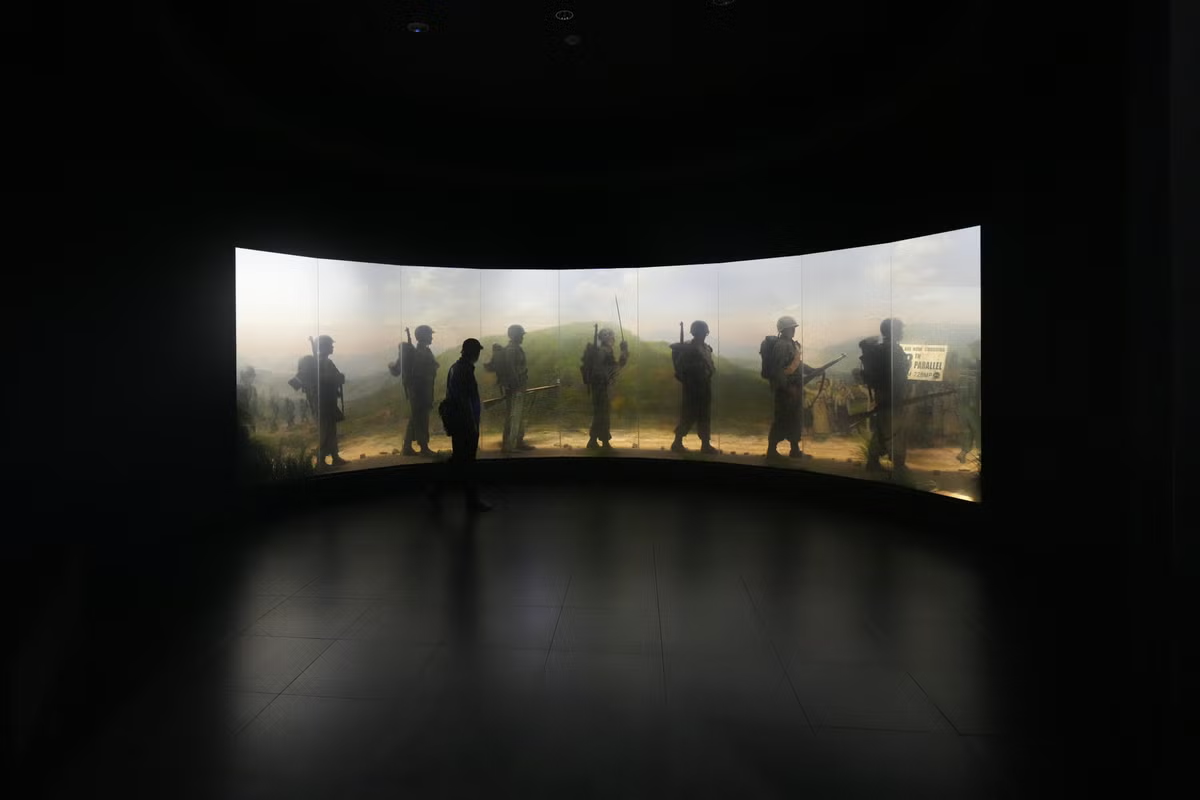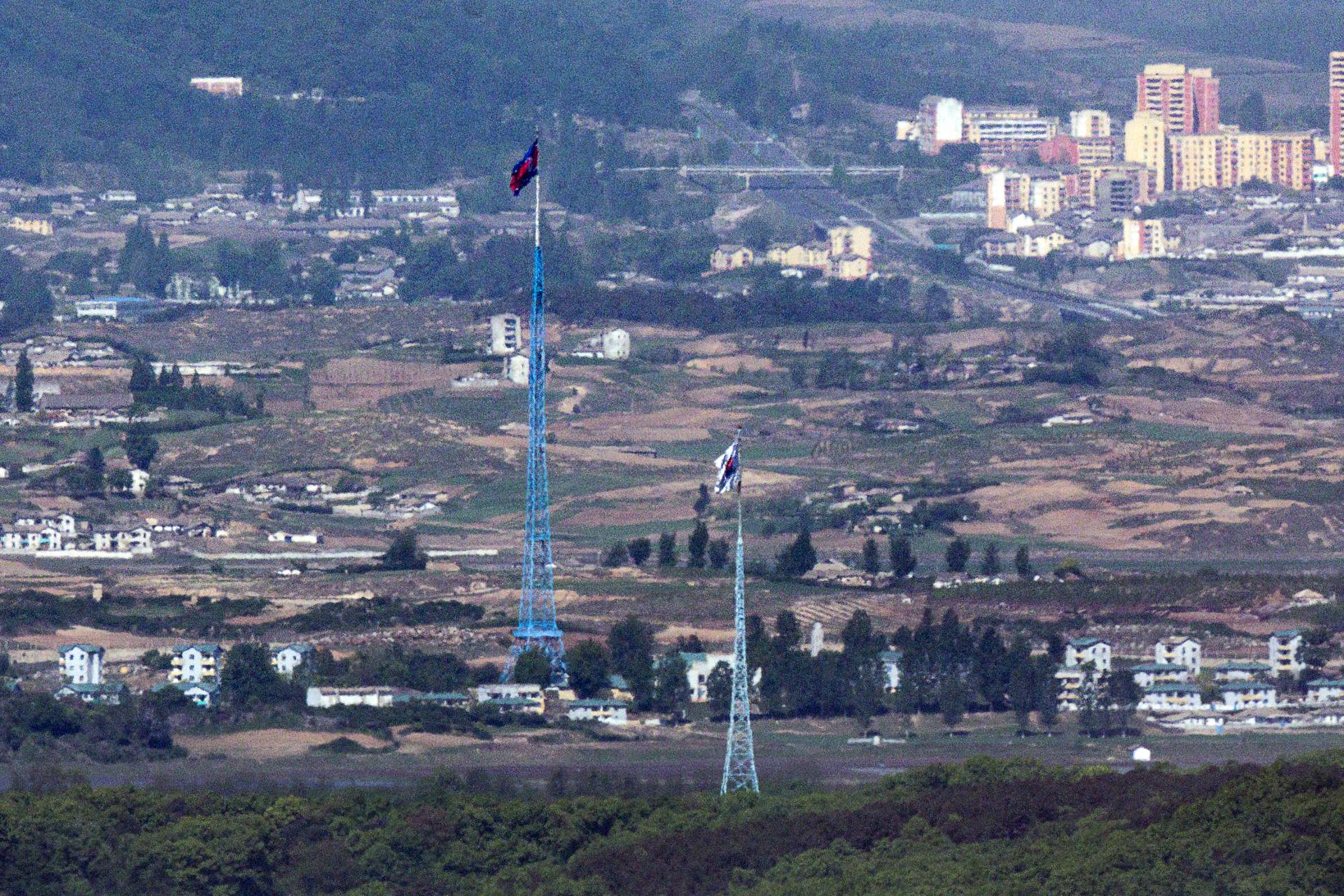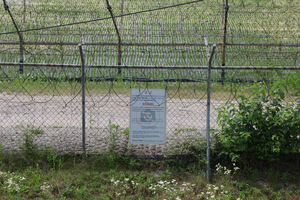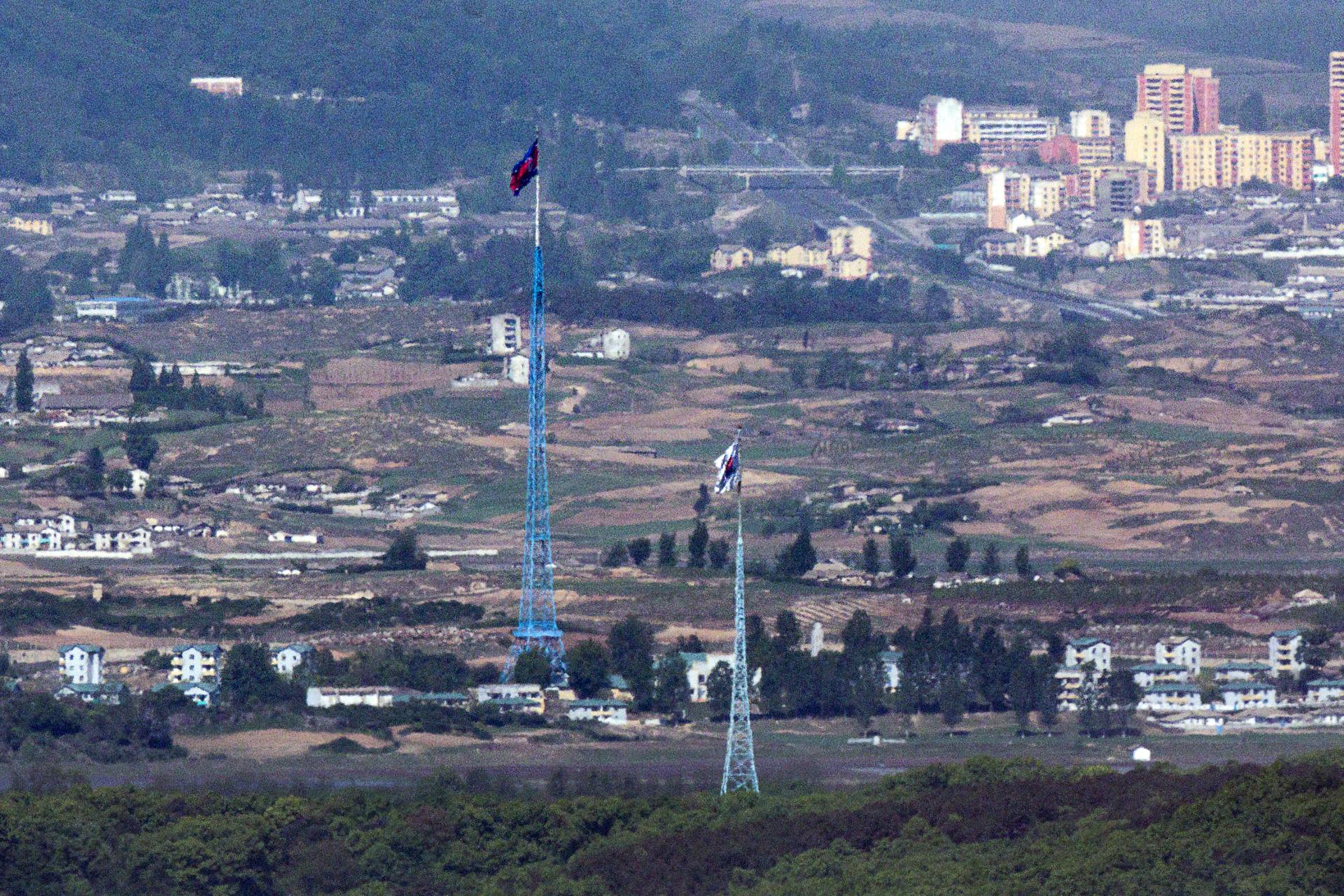
The Military Demarcation Line, established by the 1953 Armistice Agreement, was originally intended as a temporary boundary to separate warring armies. The hope was that once a formal peace regime was built, its significance would simply fade away. Yet, more than 70 years later, the MDL still scars the Korean Peninsula. Seeing North Korea’s recent efforts to reinforce this boundary with barbed wire, barriers, and various defensive structures, one is compelled to ask: Can we truly still call this a “Military” Demarcation Line?States reveal their intentions more clearly through actions than through rhetoric. Diplomatic statements are fluid — they can shift with the political winds, promising peace, proposing dialogue, or pledging de-escalation. But the structures built along a border are honest. Barbed wire, walls, and mines expose exactly what a state fears and what it is desperate to protect. In this light, North Korea’s recent activities carry significance far beyond mere engineering work.On the surface, North Korea might claim these fortifications are a necessary response to external threats. For decades, Pyongyang has labeled the United States and South Korea as its primary adversaries, using the maintenance of military tension as a pillar of its domestic legitimacy. However, viewed objectively, the reality around the MDL has changed. There is no evidence that the Republic of Korea is preparing a military invasion of the North. South Korea’s focus is overwhelmingly fixed on the economy, public welfare, global competitiveness, and future industries. Yet, North Korea continues to make its border increasingly impenetrable.
North Korea isn’t building a military line. It’s building a new Berlin Wall
North Korea's fortified border is no longer just a military line, but a permanent divide between two opposing political systems.
897 words~4 min read