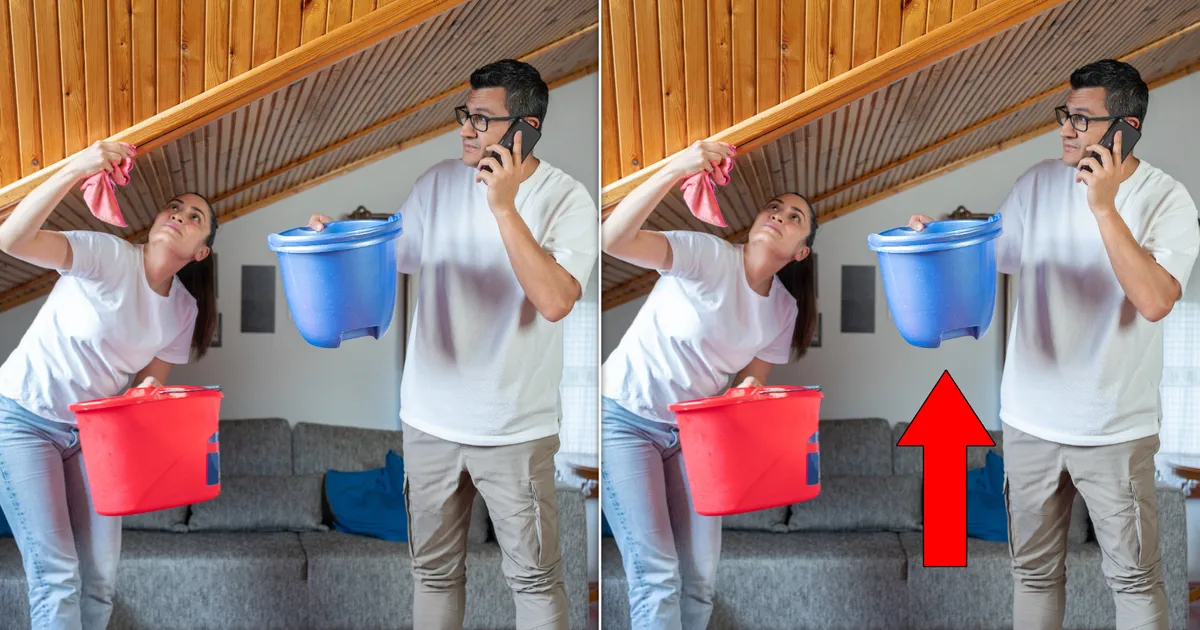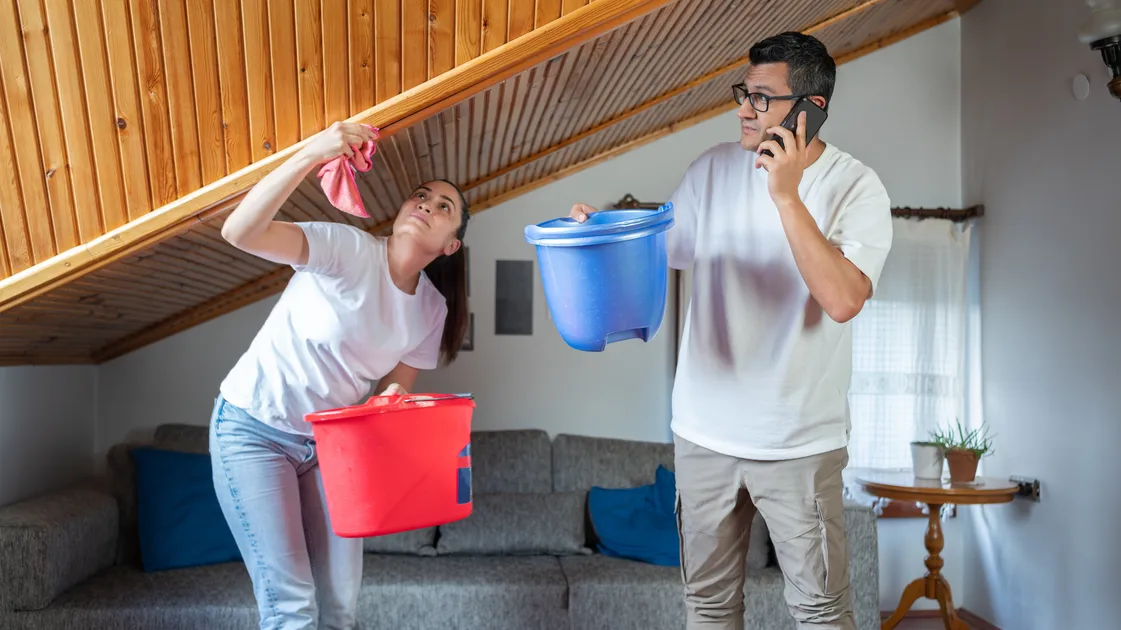
Summer is the season for family barbecues and leisurely pool days –– and leaky houses.Checking your home for clogged fixtures can make all the difference between a relaxing summer and a stressful one. “It could mean the world,” said Jamarr Hall, a Philadelphia-based plumber. “Trust me, because there’s nothing like having a pool in your basement that you can’t swim in.”Here are the biggest complaints plumbers hear about in summer, so we can learn to avoid these expensive mistakes: 1. Slow Kitchen Drains And Clogged Garbage DisposalsAndri Ansyah via Getty ImagesDon’t throw everything down your sink or a plumber call will be in your near future.Hall said one of his top calls in the summer is due to kitchen sinks that are draining too slowly and clogged garbage disposals, because of what people are eating this time of year. “We go a little fruit-crazy in the summer,” Hall said. Hall recalled a recent service call where he saw watermelon seeds that didn’t get crushed up and a piece of a coconut stuck in the garbage disposal.“These pieces of the fruit are just very hard for those [garbage disposal] teeth to get, because a lot of times, it would get stuck on the side wall of the garbage disposal,” he said. To prevent these emergency calls, Hall advised against throwing hard seeds and fruit peels down the kitchen sink drain. “If you can see it, then scoop it out and throw it into the trash, because you never want to run the risk,” he said. “The strength of the unit is going to really depend on the age of the unit as well.”2. Basement FloodingSummer is the season of torrential downpours, and it’s when your home plumbing system gets put “to the test,” Hall said. To prevent major home flooding, make sure all your drains for groundwater are clear –– or else your home will pay a price. Hall recalled a recent visit where the home’s rear yard drain got clogged by trash and leaves, and “the drain wasn’t able to take on all the groundwater that it needed to, so it caused a huge flood in the basement,” he said. “The basement was actually a finished basement. There was a bedroom down there, there was a bathroom down there, and it completely just flooded the entire basement.”If your home has a sump pump –– which is a device designed to pump away groundwater in basements –– Hall said now is the time to make sure it’s working; it could help prevent these emergencies.“You can test it by just taking a five-gallon bucket of water and pouring that water directly into the sump pit,” and see if your sump pump is able to drain the water effectively, he said. Ideally, this sump pump should also have a battery backup if it’s electrical so you don’t end up with 2 feet of water in your basement if your power goes out, Hall added.3. Split Hose BibsA hose bib, which is commonly a small faucet mounted on the outside of your home, is often used in summer to fill pools, water gardens and wash cars. But this important fixture can become trouble if it is not properly shut off or maintained during colder seasons. Catherine McQueen via Getty ImagesHow you treat your hose bib in the winter could lead to major problems in the spring and summer.“Most of the time, people don’t winterize their hose bib, and they leave their hose on, and if you leave the hose on, it traps the water in there, and then the hose bib ends up splitting,” said Philadelphia-based plumber Kelly Ireland, who noted she’s done 20 calls related to hose bibs this season. “People aren’t washing their cars in the winter or watering the garden, so once you turn the valve back on,” that’s when water will appear through wherever the pipe split, she said. Common signs your hose bib is not working well are when it starts leaking or the wall around it starts leaking, it can’t be turned off, or when the hose gets stuck to it, Ireland noted.Ideally, people should double-check that the shutoff valve within their house that regulates the water supply to the hose bib can be turned off. “A regular hose bib that is not frost-free, you have to go inside and shut the water off on the inside,” Ireland said. “And then go outside and open it up to let the water drain out.”And make sure to disconnect the hose from the hose bib when not in use, Ireland added. 4. Clogged Gutters aquaArts studio via Getty ImagesIf your roof starts leaking, your gutters may be to blame. Before a major storm, Hall also recommends checking to see if your roof gutters remain clear, “because water needs a path, and if the gutters are clogged, that path is now eliminated, and you’re going to either have a pool on your roof or that water is going to find another place to go,” he said. To avoid these costly mistakes, plumbers said tenants and homeowners should be inspecting their houses once a month by making sure there are no faucets that are dripping or clogged drains outside. “We all know when something isn’t quite right,” Hall said. “We can’t wait to the last minute.”
Plumbers Reveal The Summer Problems They See Every Year — And You're Going To Need A Seat
Avoid costly mistakes by checking these areas in your house ASAP.
884 words~4 min read