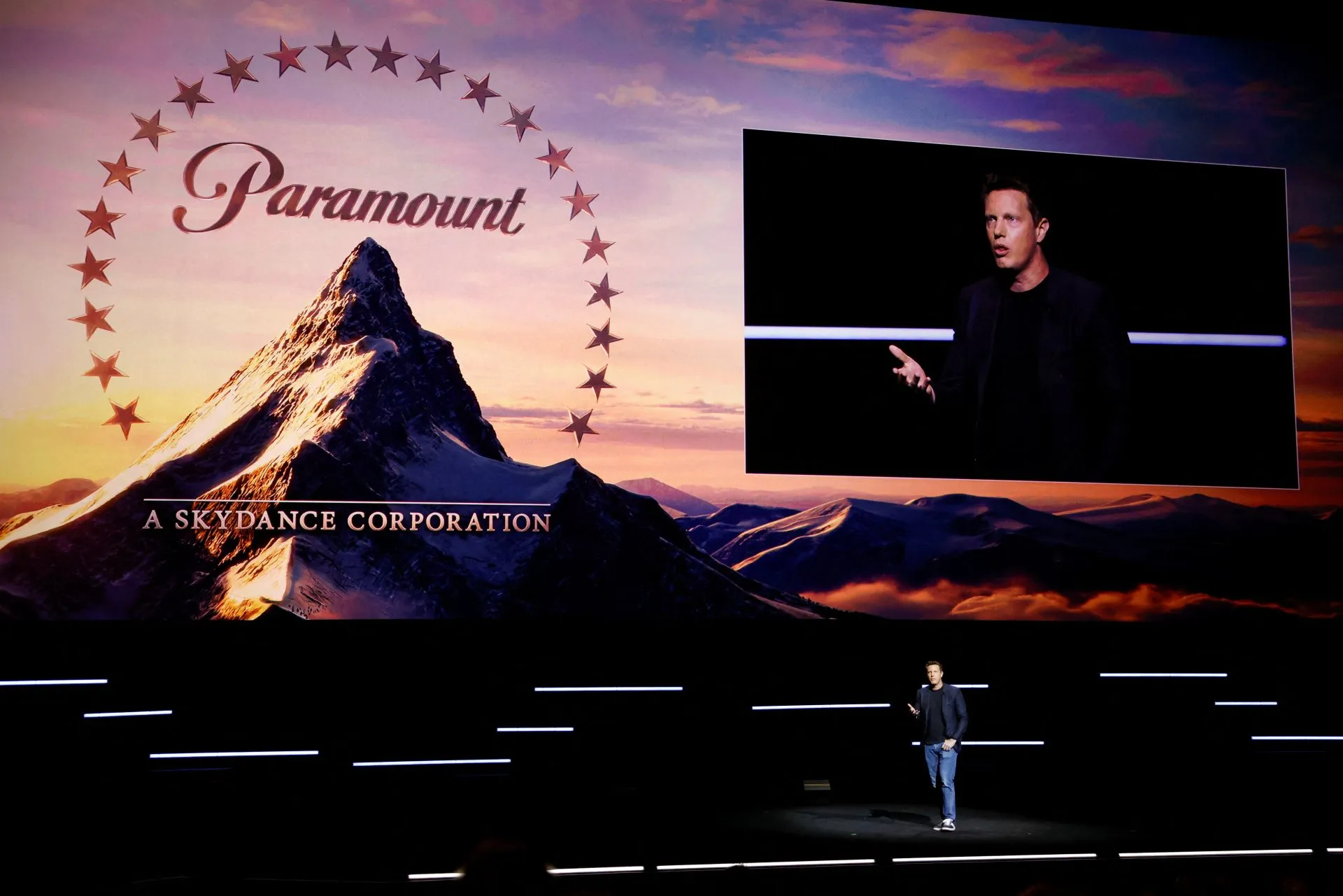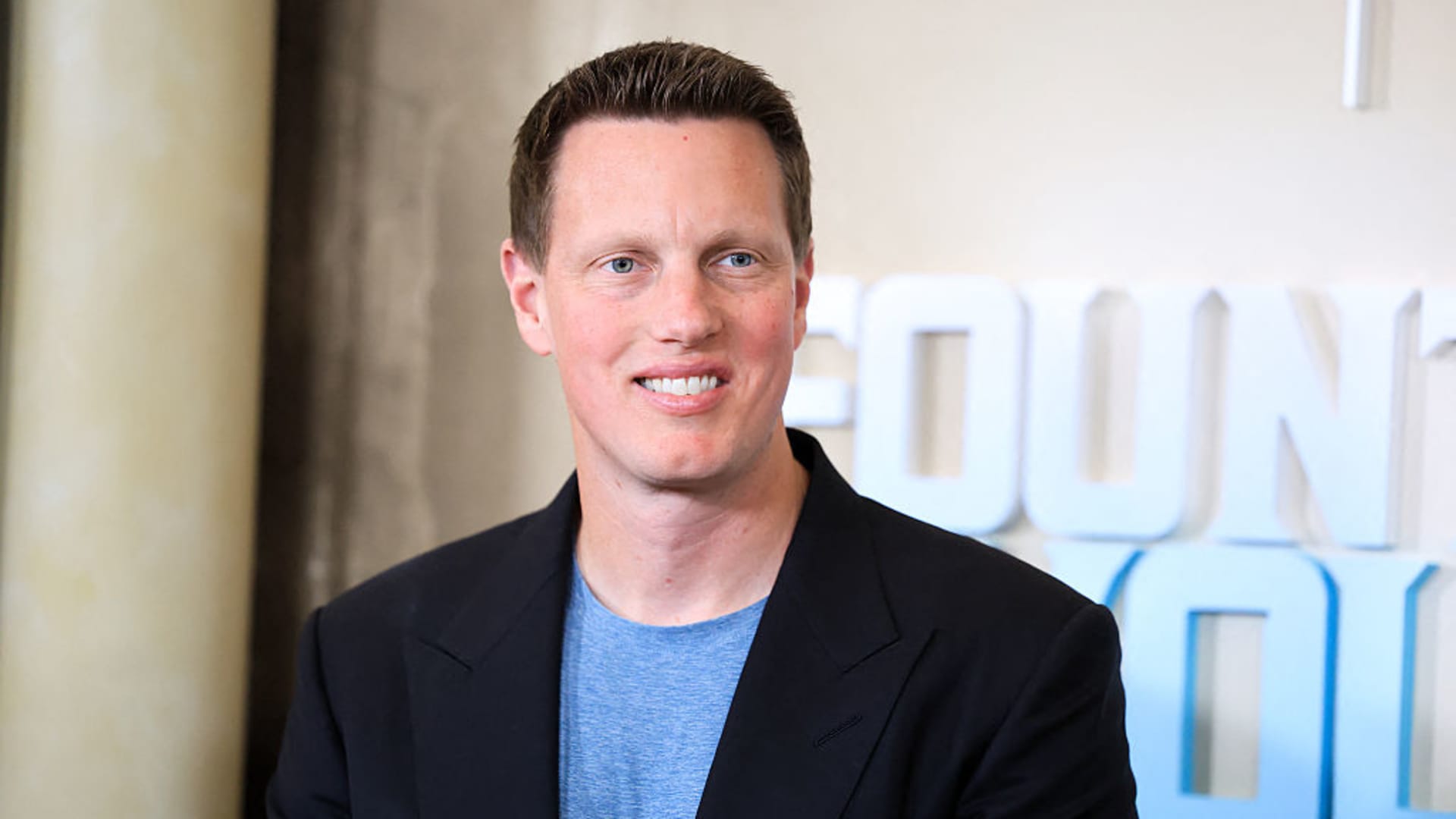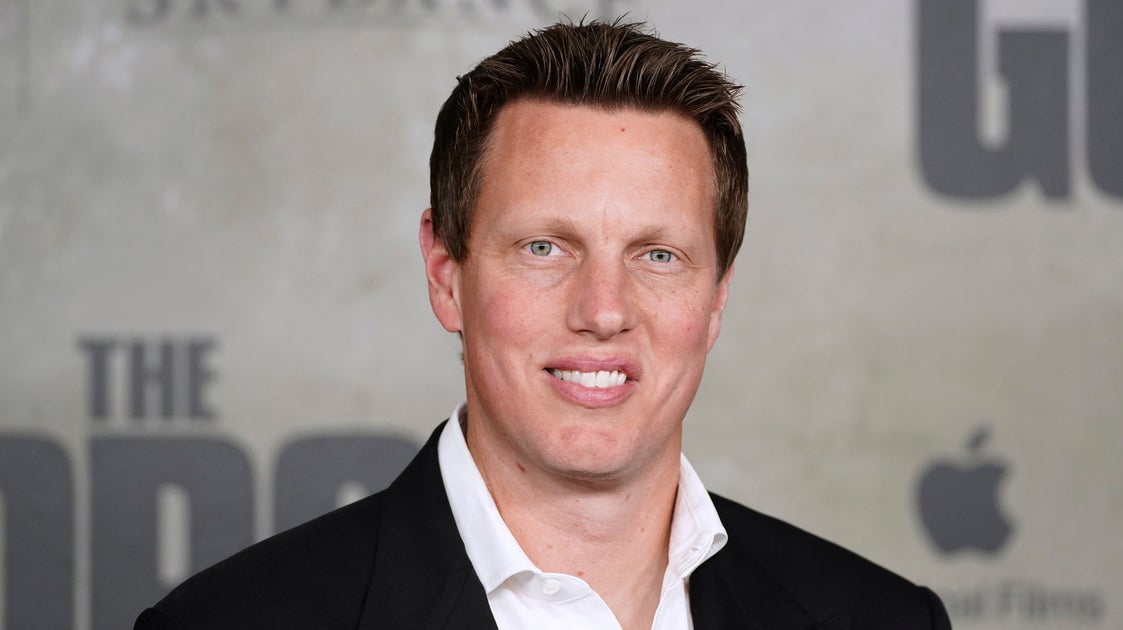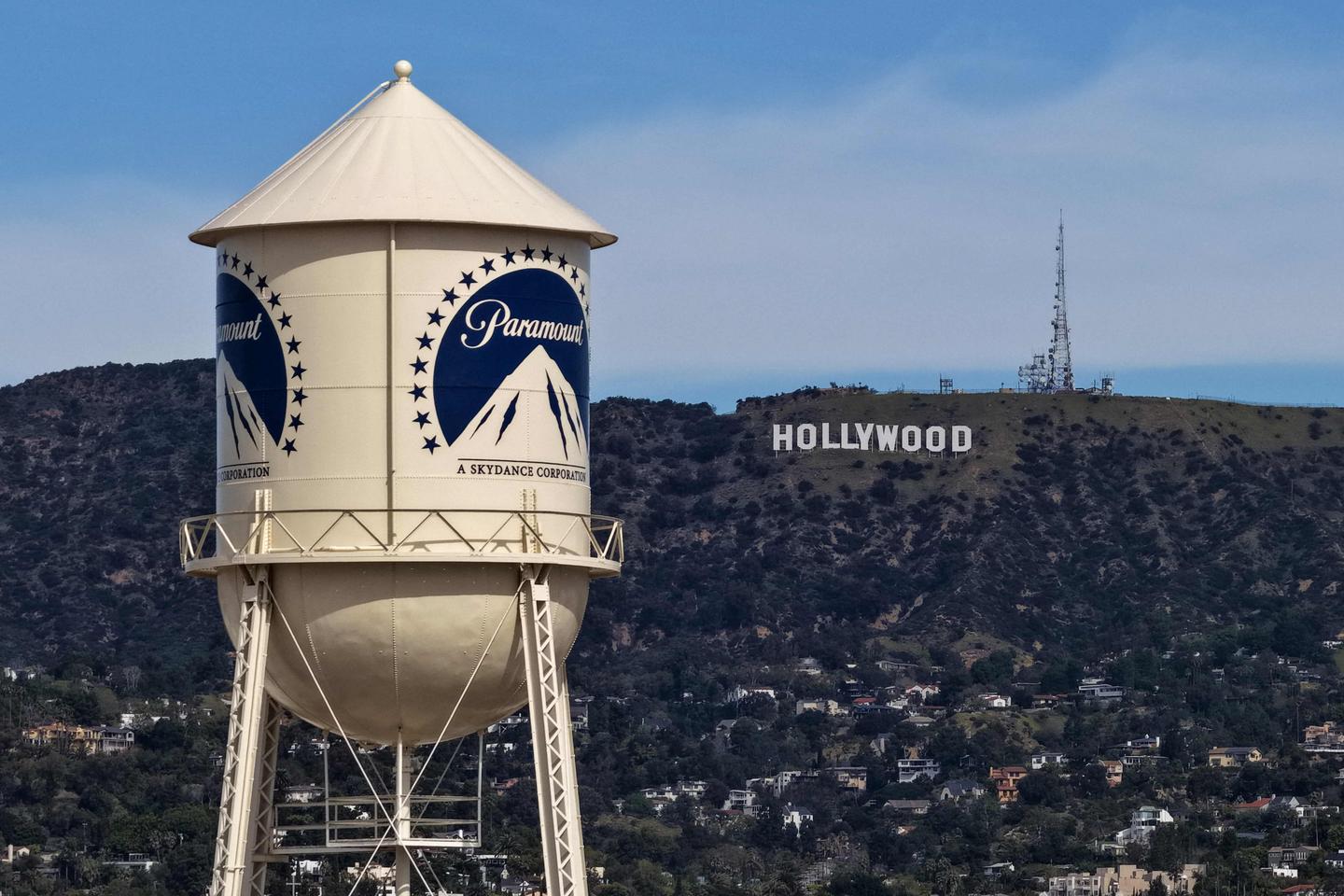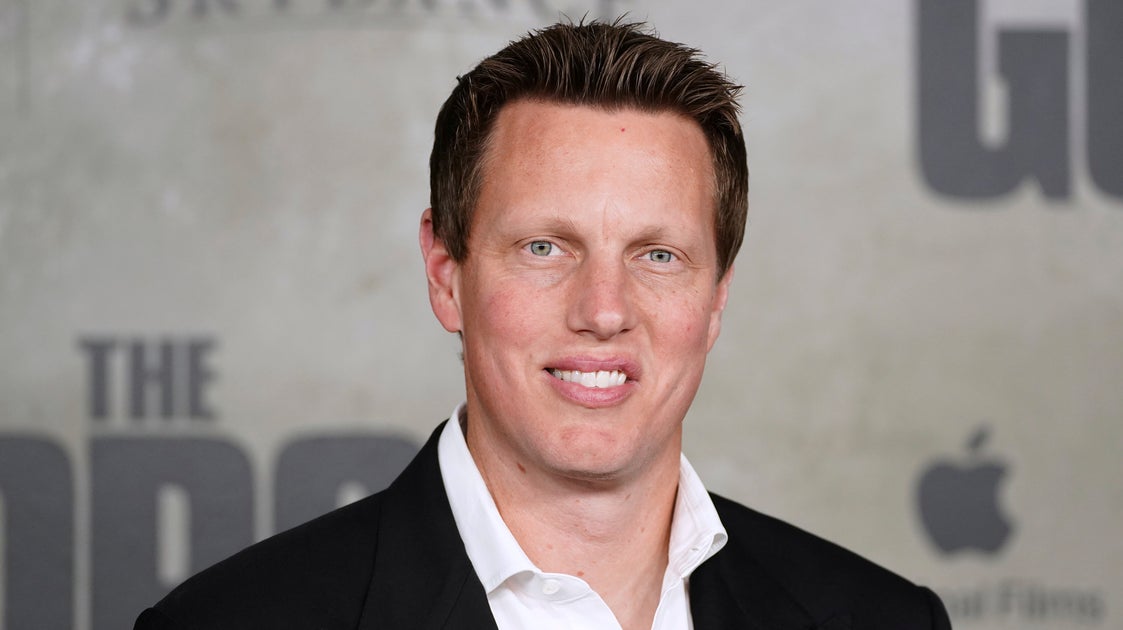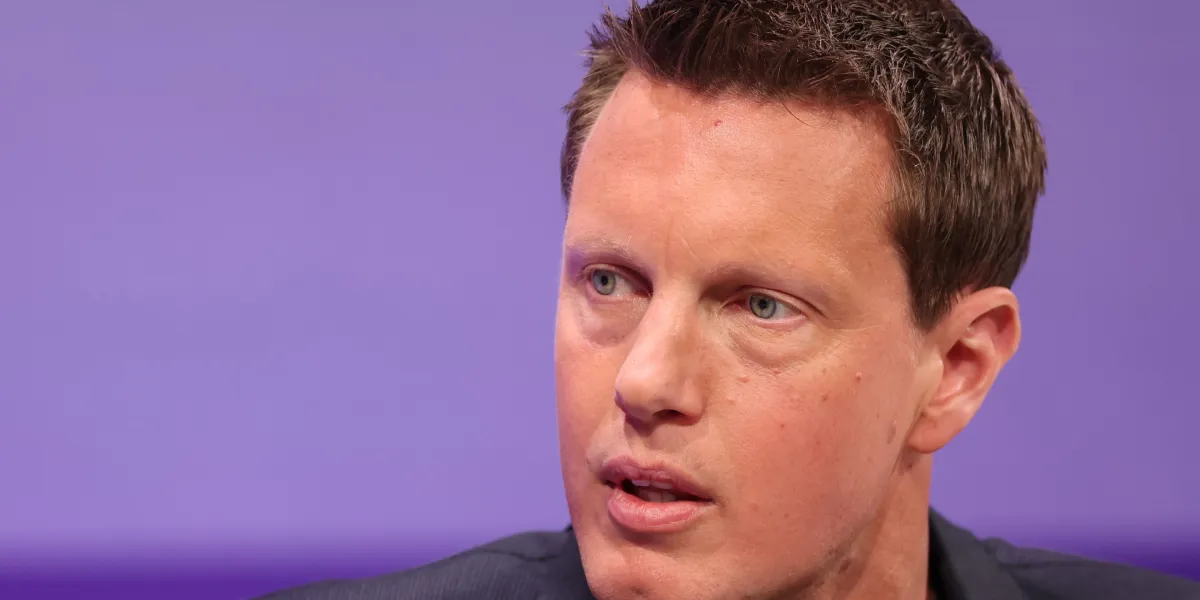
David Ellison finally got the “yes” he wanted. After eight rejections, a hostile tender offer, a Delaware lawsuit, and a bidding war that Netflix declined to escalate, Paramount Skydance signed its $110 billion agreement to acquire Warner Bros. Discovery in February. In Hollywood romance terms, the boy got the girl. But every must-watch franchise gets a sequel. The premiere came in mid-July, after a coalition of state attorneys general led by California’s Rob Bonta filed suit to block the deal.
Consolidation at this scale, the states contend, would hand one company a share of American screens that antitrust law has eyed with suspicion for six decades, and the damage would reach far beyond the box office. Fewer studios means fewer employment opportunities, and often weaker paychecks, for the writers, crews, and craftspeople who create the movies. More than 5,500 industry professionals, Robert De Niro, Glenn Close, Jane Fonda, and Lin-Manuel Miranda among them, have signed an open letter urging regulators to block a merger they warn would leave the country with just four major studios.
Leading Paramount’s defense is chief legal officer Makan Delrahim, who as President Trump’s antitrust chief sued to block AT&T’s purchase of Time Warner, the last time the same Warner assets changed hands. The man who once fought a Warner merger all the way to trial now argues the largest one in media history is good for competition. Where you stand apparently depends on where you sit.