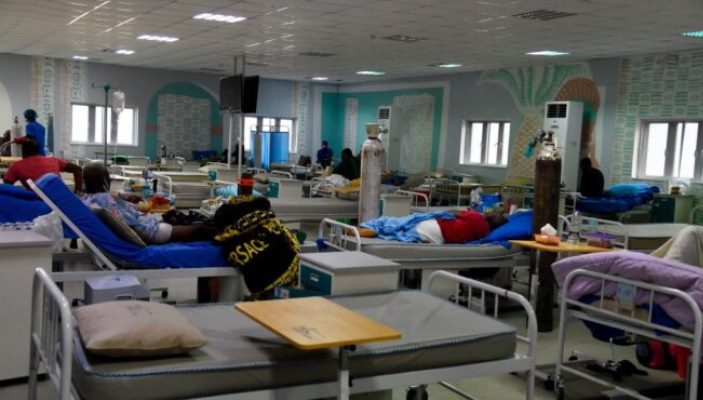
Every time a health tragedy dominates the headlines, we ask the same questions. Why wasn’t help available? Why didn’t the system work? How could this have happened?
These are important questions, but there is another one we rarely ask. Why have we accepted a culture where health only becomes a priority when something has already gone wrong?
Every major health tragedy typically follows the same script. A shocking incident captures public attention, social media is filled with outrage, expert interviews are conducted to dissect the tragedy, and collective clamour for policy reform dominates the news. Then, somewhere between one tragedy and the next, our attention moves on, the conversation fades, and the underlying issues remain exactly where we left them, waiting for another incident to remind us they exist.
Our public discourse understandably centres on hospitals, funding, and government accountability. Those conversations matter, but beyond the need for a resilient health system, we must also become a population that is prepared long before a crisis occurs, because personal responsibility cannot be outsourced.
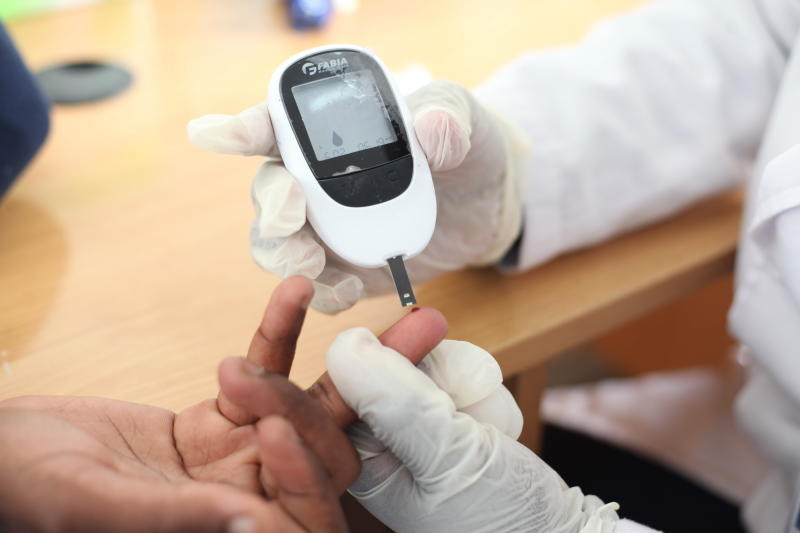
We invest in our careers, save for our children’s education, retirement plan, and even prepare for power outages. Yet many of us move through life without knowing our blood pressure, having a trusted healthcare provider, recognising the warning signs of common medical emergencies, knowing how to perform CPR, or even keeping a stocked first-aid kit at home.