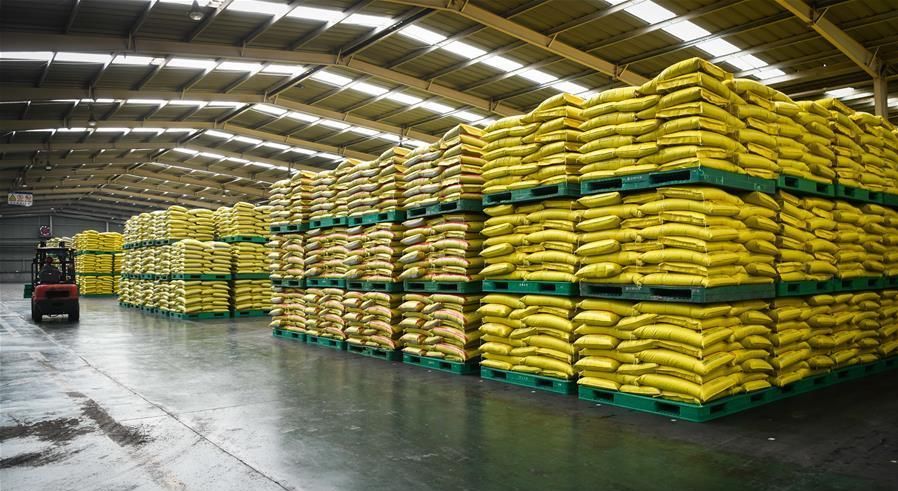
Fertilizers are seen at a phosphatic fertilizer factory in Yichang City, central China's Hubei Province
For decades, discussions about geopolitical risk have centred on oil. Every major conflict in the Middle East has been analysed through the lens of energy security, shipping lanes and crude prices. Yet a quieter strategic challenge is emerging, one that could prove even more consequential for developing economies. Fertiliser is rapidly becoming one of the world's most important geopolitical commodities, with profound implications for food security, inflation and economic stability across the Global South.
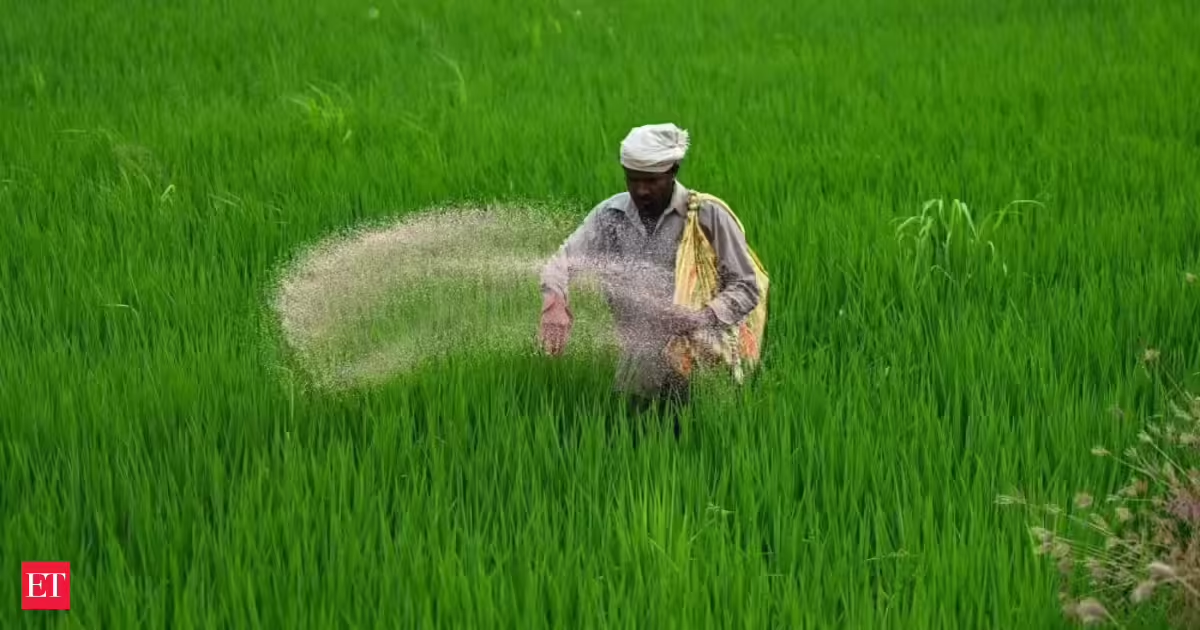
Modern agriculture is inseparable from nitrogen fertilisers such as urea and ammonia. These products underpin crop yields for staples including maize, rice, wheat and sorghum, feeding billions of people every year. Unlike many manufactured goods, fertiliser shortages cannot simply be absorbed by delaying purchases. Missing an application season can reduce harvests for an entire year, affecting food availability, farm incomes and national inflation simultaneously.
This vulnerability has become increasingly apparent as geopolitical conflicts spread beyond traditional military theatres and begin disrupting critical industrial supply chains. Energy infrastructure, natural gas facilities and maritime shipping routes have all become targets in regional conflicts, exposing how interconnected the world's food system has become. Since natural gas is the primary feedstock for nitrogen fertiliser production, any disruption to gas markets quickly cascades into agricultural markets.