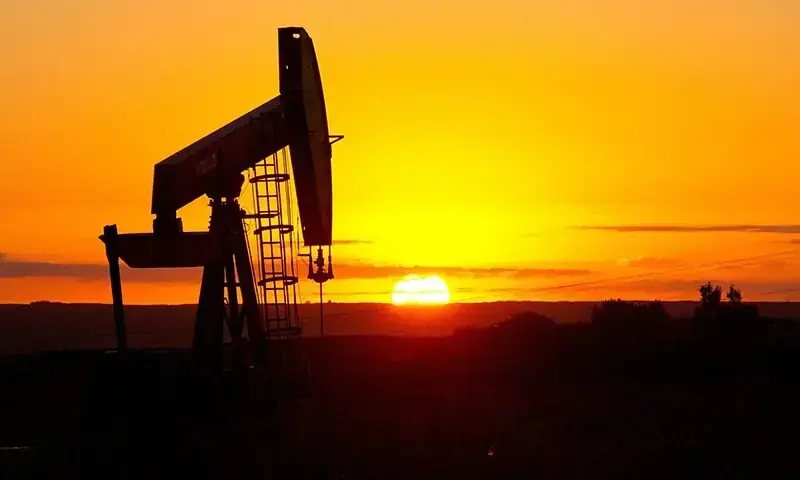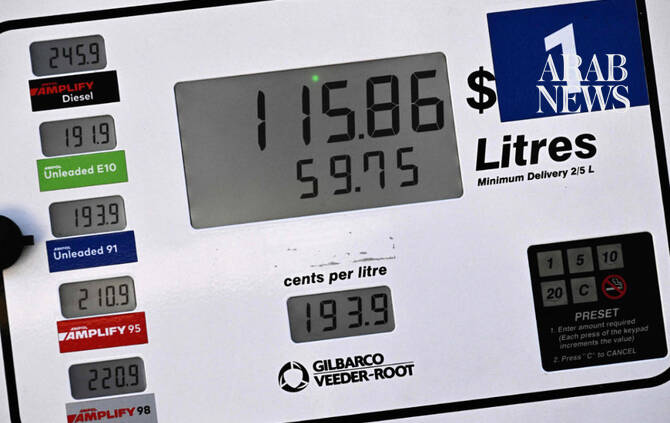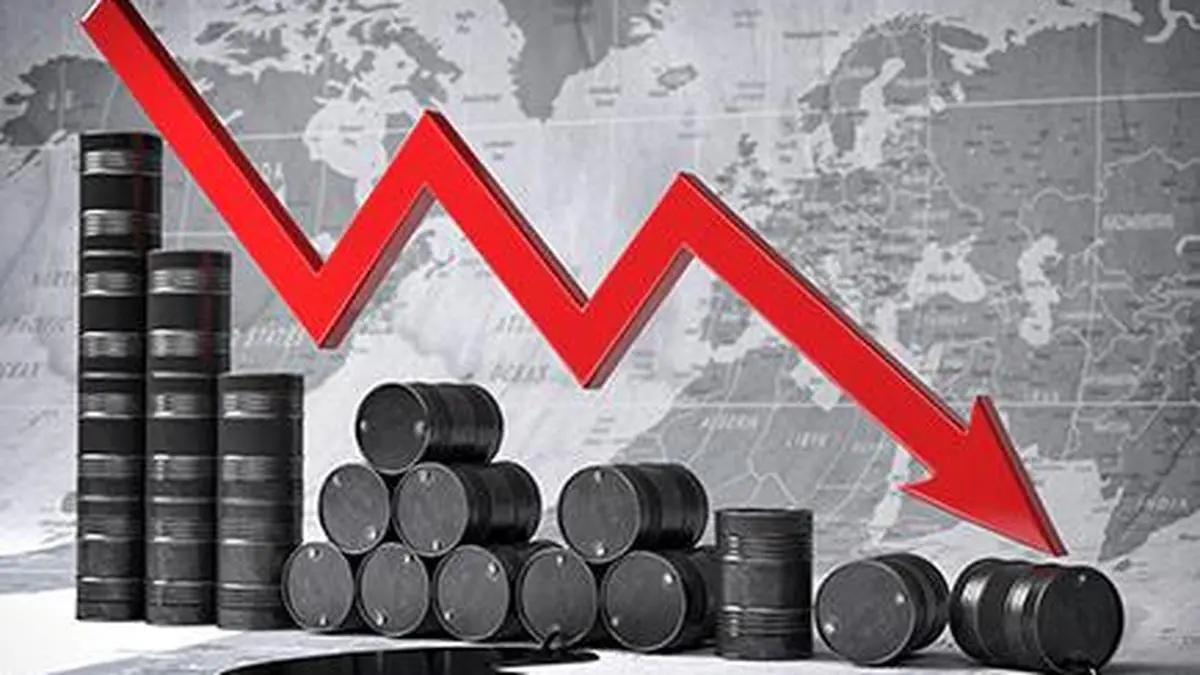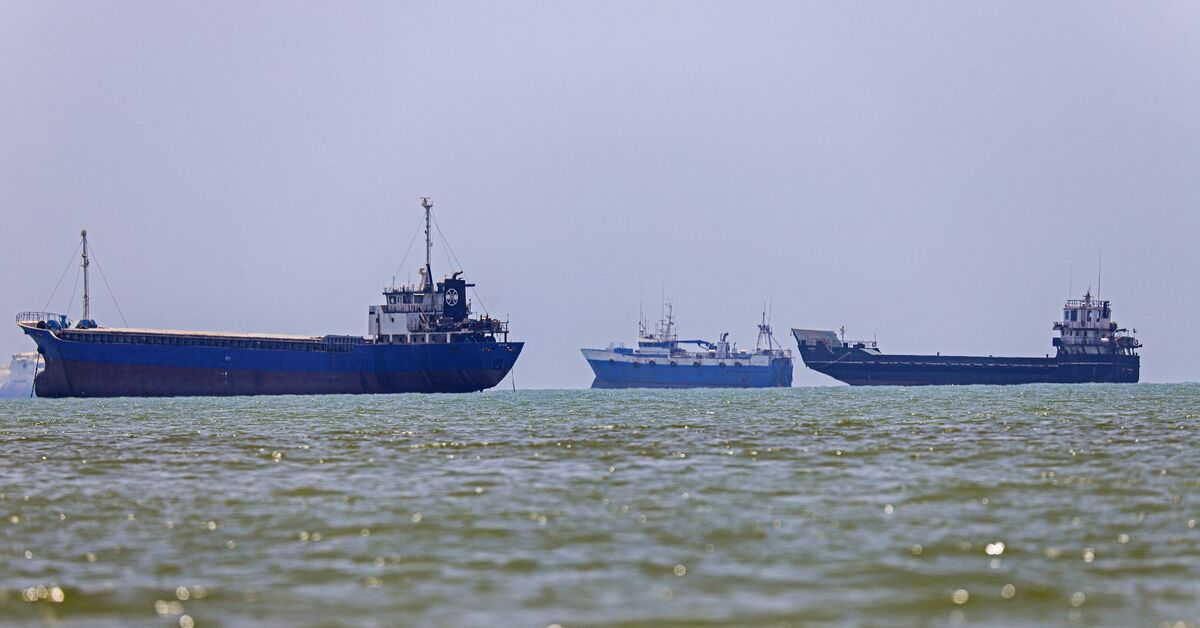
Oil prices retreated more than 5% on Monday after President Donald Trump again called off planned strikes on Iran and claimed the United States and Iran had reached a deal to reopen the Strait of Hormuz.What happened: Brent crude, the international benchmark, fell to as low as $82.67 a barrel on Monday before recovering slightly to $83.29 at 10:08 a.m. EDT, down 5.27% from the day before. Oil prices retreated after Trump said early Sunday that he had suspended planned strikes on Iran following a request from Tehran and other countries in the Middle East.“We have just been asked by Iran, and other Middle Eastern Countries, to hold off any attack in that the perimeters of a deal has been agreed to,” Trump wrote on his Truth Social platform.The deal would include the “Immediate, Complete, and Total OPENING OF THE HORMUZ STRAIT, and an end to Iran’s nuclear threat,” Trump added.Tehran, however, said there were no talks with Washington. On Monday, Foreign Ministry spokesperson Esmaeil Baghaei said in a statement that Tehran was not engaged in any talks with the United States and was instead focused on negotiations with Oman to designate a "temporary" route for resuming maritime traffic through the Strait of Hormuz.Trump said that negotiations between Washington and Tehran would continue on Monday.Why it matters: Trump's announcement raised hopes that the conflict could be nearing an end after more than five months. Yet similar ceasefire and diplomatic efforts have repeatedly broken down, leaving markets cautious about whether the latest proposal will translate into a durable agreement.The proposed agreement includes reopening the Strait of Hormuz, a strategic waterway bordered by Iran, Oman and the United Arab Emirates. In peacetime, around a fifth of global crude oil and liquefied natural gas shipments pass through it. Since the US-Israel-Iran war began on Feb. 28, the strait has been nearly closed due to attacks on shipping by Iran's Islamic Revolutionary Guard Corps and a US blockade of Iranian ports imposed in April, sending oil prices up sharply. Brent crude peaked at nearly $115 a barrel in May.Last month, attacks on Saudi tankers in the Red Sea by Yemen's Houthi rebels and another by unidentified attackers on a US tanker at Egypt's Damietta port heightened fears of supply disruptions along key regional energy trade routes and pushed crude prices higher.Know more: Oil prices were also bolstered on Sunday after the OPEC+ group agreed to hike oil production in September, completing the rollback of a layer of voluntary output cuts.OPEC+ is made up of 21 member countries, including the Organization of the Petroleum Exporting Countries along with Russia and other allies.The 188,000-barrel-per-day increase agreed by the group's core members — Saudi Arabia, Russia, Iraq, Kuwait, Algeria, Kazakhstan and Oman — completes the phased rollback of a 1.65 million bpd voluntary supply cut first agreed in 2023.The seven OPEC+ producers are due to reconvene on Sept. 6 to determine October's production levels.
Oil falls 5% after Trump calls off Iran strikes, says Hormuz deal agreed
Oil prices fell after President Donald Trump said on Sunday that he had suspended planned strikes on Iran following a request from Tehran and other Middle Eastern countries.
513 words~2 min read