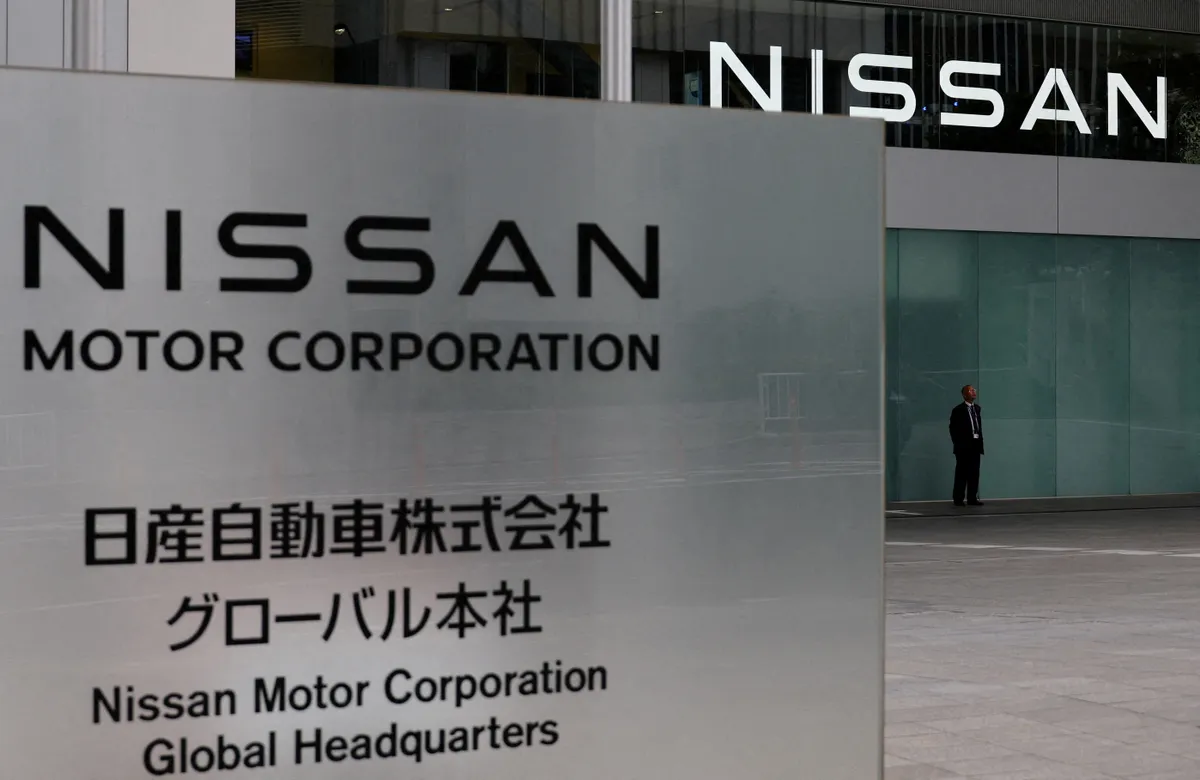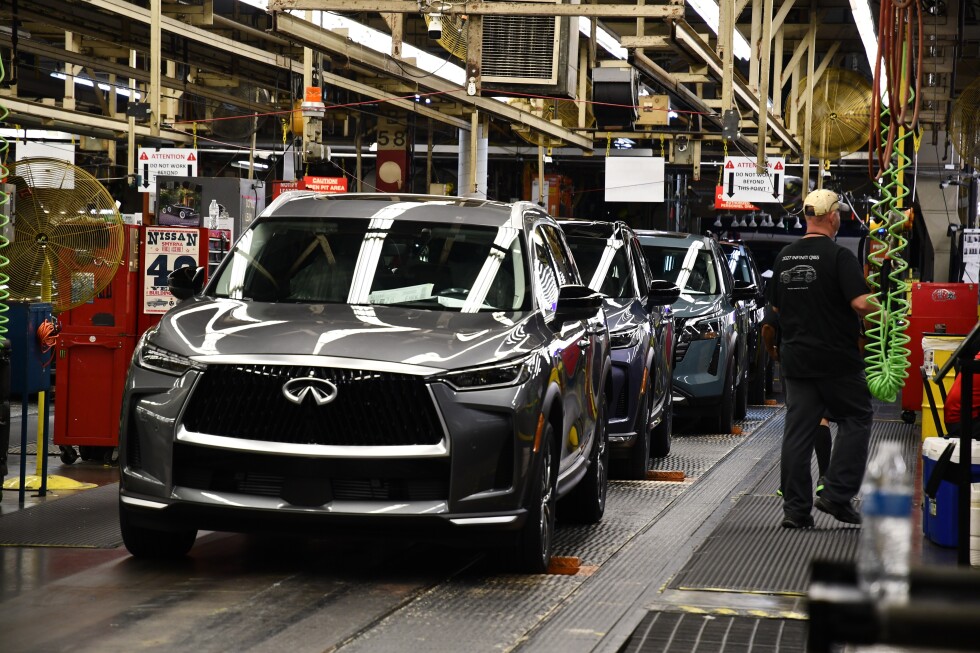
Tokyo — Nissan reported Monday that it returned to profit in the first quarter of the year, helped by cost-cutting measures and improved sales in some markets.Nissan, based in the port city of Yokohama, said it recorded a ¥3.8bn yen ($24m) net profit in January-March, a reversal from the ¥115.8bn loss it racked up in the same period of 2025.Quarterly sales totalled ¥2.96-trillion ($19bn), up 9.5% from ¥2.7-trillion a year earlier.Nissan has been in the red for the last two fiscal years, posting billions of dollars in losses, but its leadership has promised to return it to profit in this fiscal year, which ends in March 2027.CEO Ivan Espinosa told reporters cost reduction efforts were gaining momentum. But difficulties remain in some global markets like the Middle East, while sales were growing in the US and Japan, he said.“We are managing disruption where it exists, building momentum where we see opportunity,” Espinosa said.Fierce competitionThe war in Iran has recently effectively closed the Strait of Hormuz, a key route for Japan’s exports to the Middle East.Nissan’s sales have suffered in China because of fierce competition from Chinese automakers that have taken the lead in electrification.The maker of Leaf electric vehicles and Infiniti luxury models lowered its annual sales projection to 3.15-million vehicles, on a par with the year before and down from an earlier forecast of 3.3-million units, largely because of the problems in China.Nissan is allied with Renault SA of France and Mitsubishi Motors Corp of Japan and also has a partnership with Japanese rival Honda, sharing technology and some parts.Espinosa said production lines were partially stalled due to the magnitude 7.1 earthquake that struck Kumamoto, southwestern Japan, last week. But no employees were hurt and no facilities, including those of Nissan’s partners, were damaged.The disruption is expected to last until Wednesday and affect 5,000 vehicles, he said.In the US, Japanese automakers are dealing with the negative impact from tariffs imposed by President Donald Trump. After negotiations the tariffs were lowered to 15% from an initial 27.5% rate. They remain higher than the earlier 2.5% rate.Higher material costs are another challenge.Nissan stuck to its earlier forecasts for a ¥20bn ($127m) profit on ¥13-trillion ($83bn) in sales in this fiscal year.“Our focus is unchanged: creating value for customers, improving profitability and free cash flow, and building a stronger, more resilient Nissan for the long term,” Espinosa said.AP
Nissan returns to quarterly profit on cost cuts
Japanese automaker rebounds into black despite China's weakness and tariff pressures
396 words~2 min read