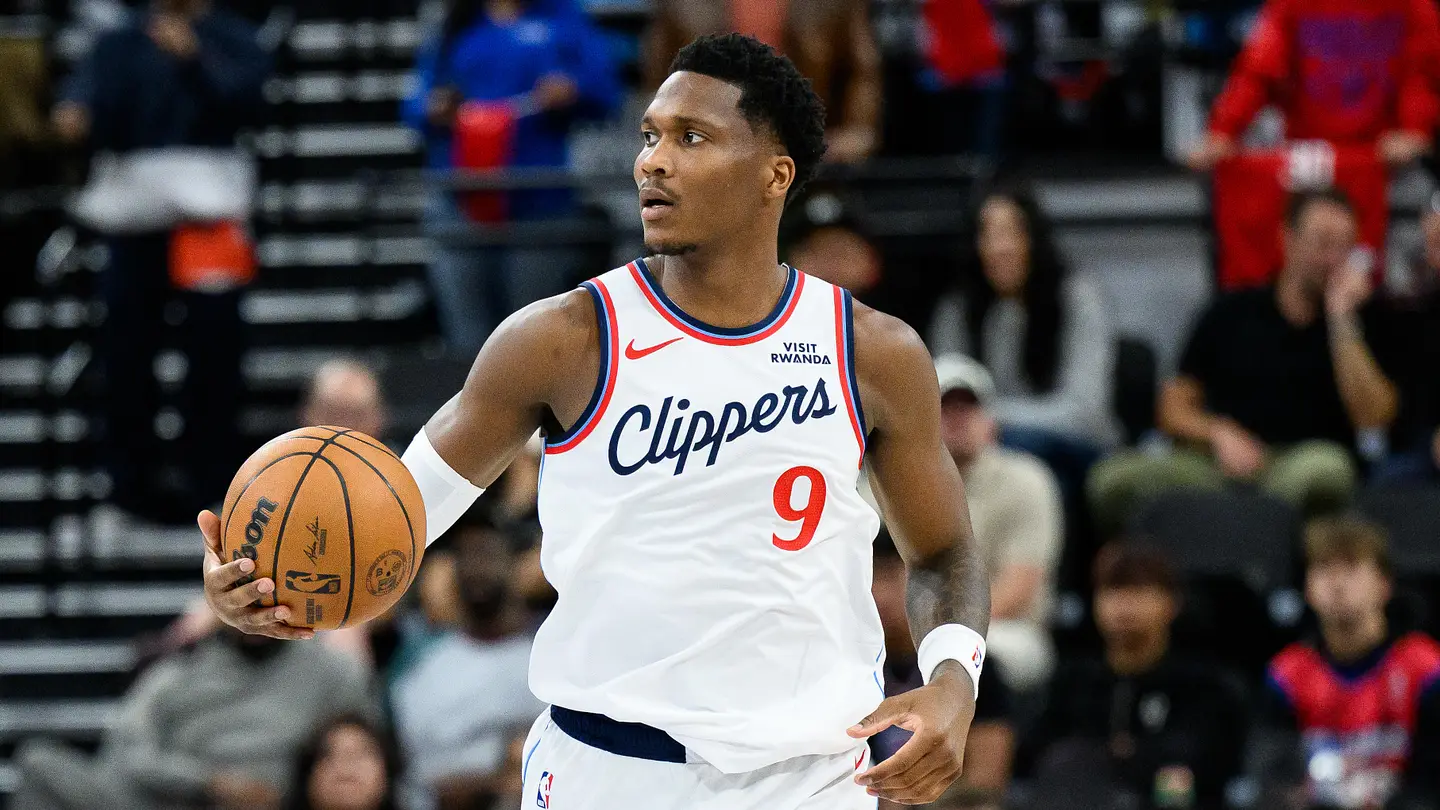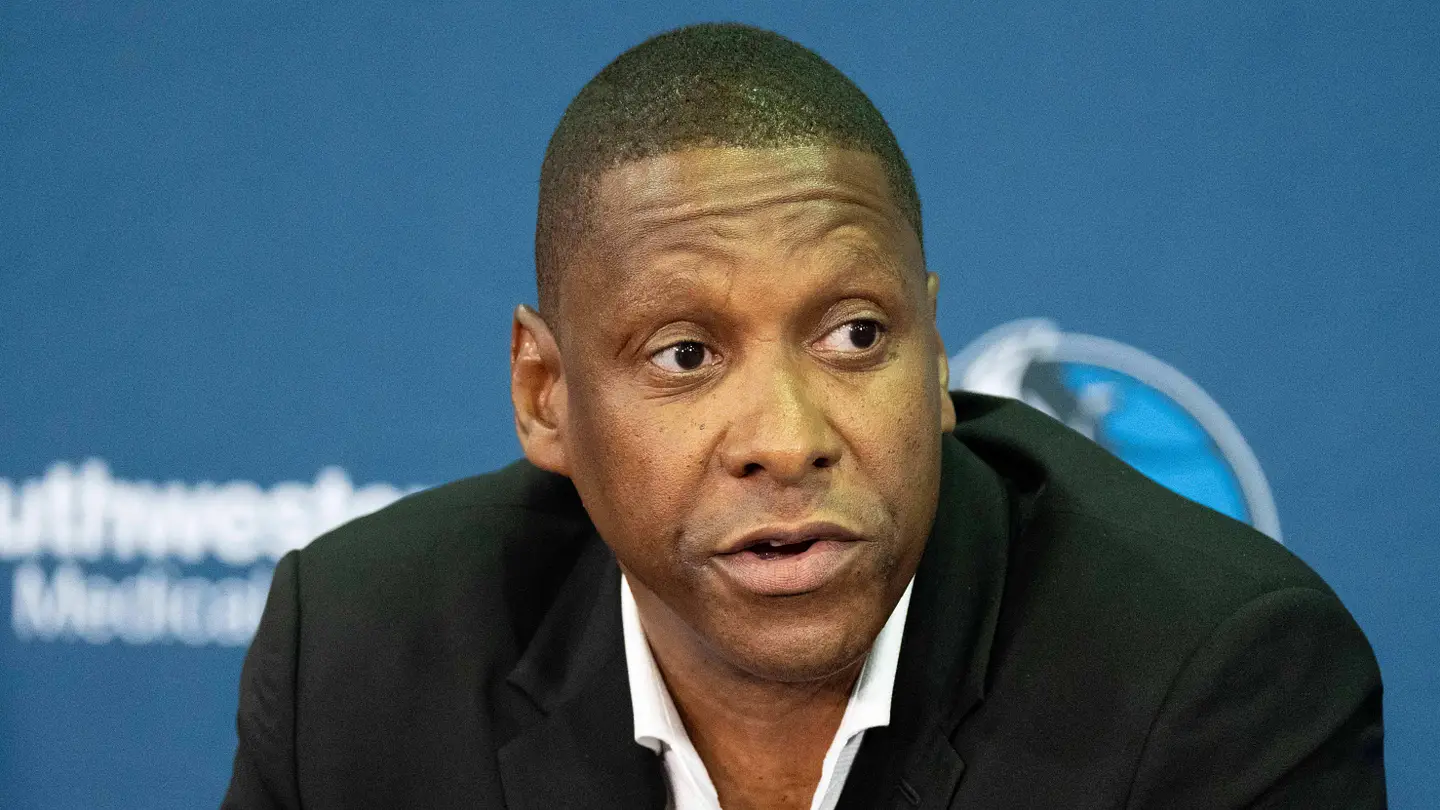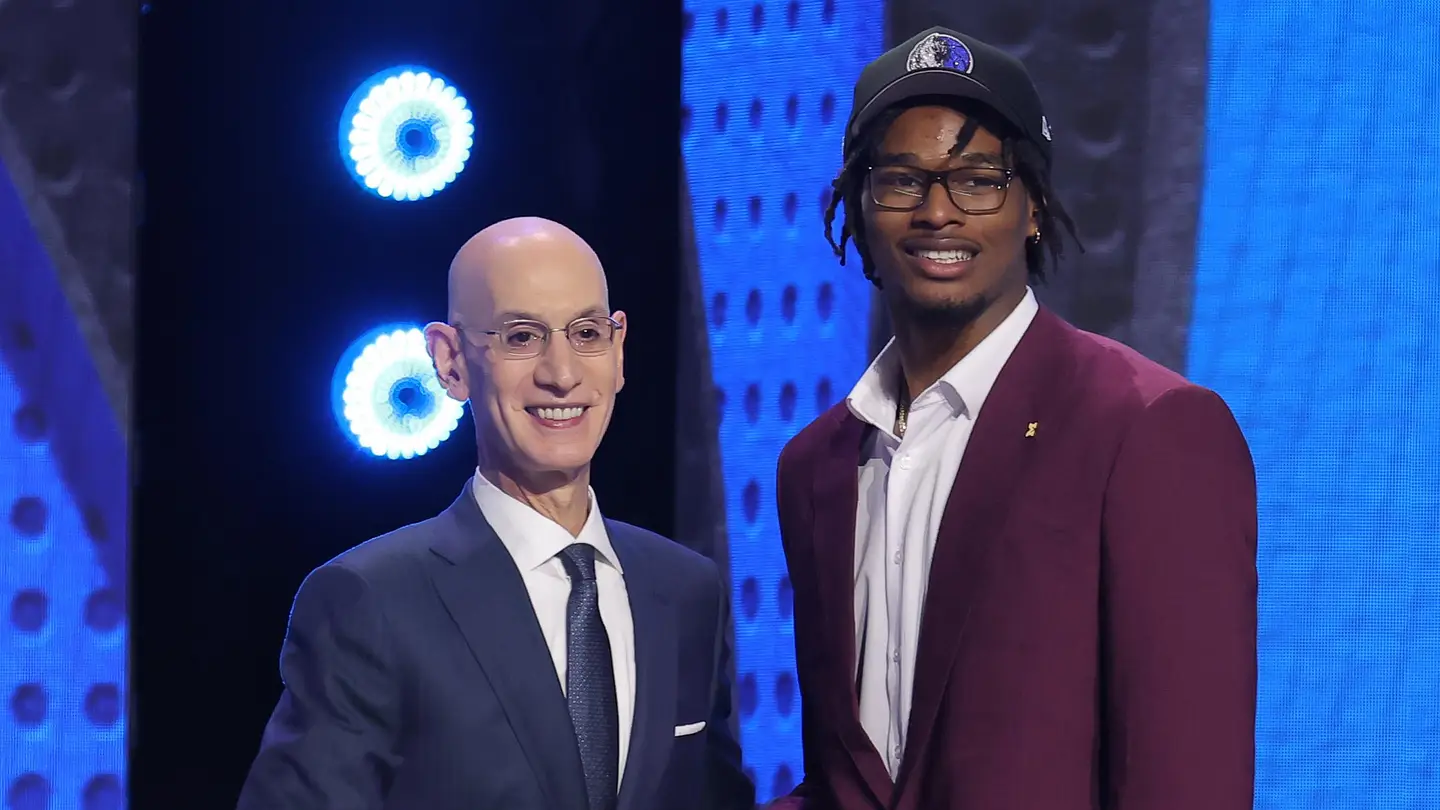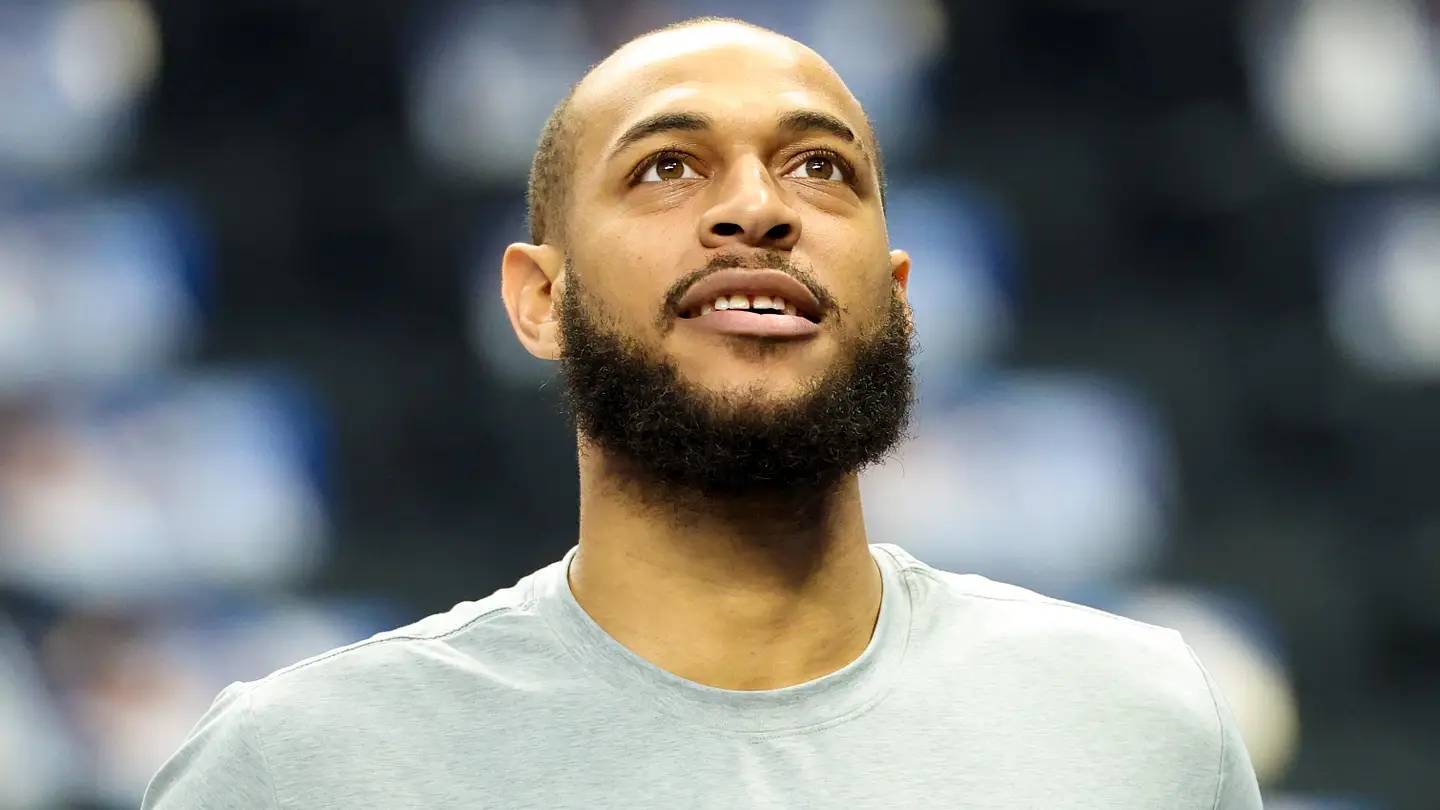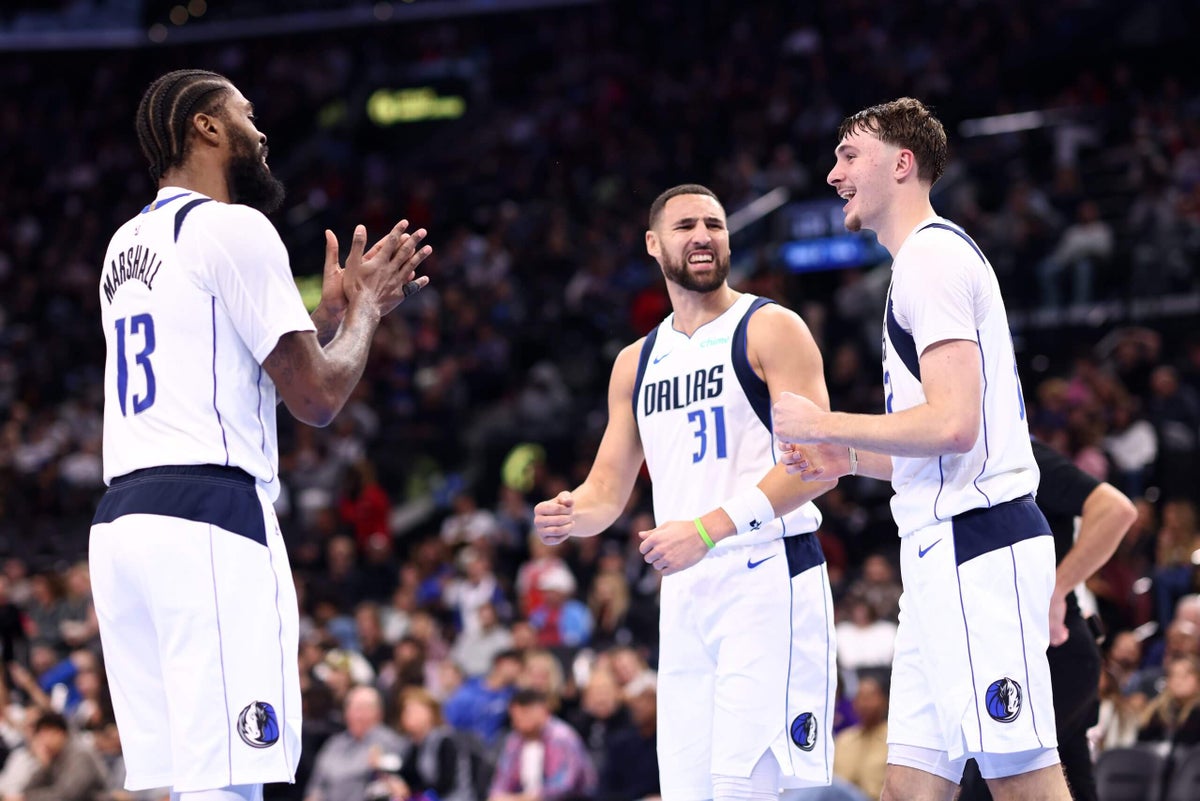
Since the Dallas Mavericks hired Masai Ujiri as president and alternate governor in early May, he has wasted little time giving the organization a makeover.In his first major move, Ujiri fired coach Jason Kidd and hired Dusty May away from the college ranks as Kidd’s replacement. On the same day the Mavericks made May’s hiring official, they used the No. 9 pick in the NBA Draft to take Morez Johnson Jr., who starred on May’s title team at Michigan. Later in the first round, the Mavericks did some maneuvering to acquire Spanish guard Sergio De Larrea.After the draft, the Mavericks kept adding to their roster. They got involved in a six-team swap that netted them three new players: Marcus Sasser, a backup point guard option who’s a confident playmaker off the dribble; Tarik Biberović, a 3-point specialist who’s spent his entire pro career in Europe; and Santi Aldama, a floor-stretching 7-footer who spent the first five seasons of his NBA career with the Memphis Grizzlies. Eleven days later, the Mavericks made another trade, sending Ryan Nembhard and a second-round pick to Atlanta for former No. 1 pick Zaccharie Risacher.Ujiri has been extremely active in three months on the job — and he isn’t done making moves.Because the Mavericks chose to retain Moussa Cissé, a reserve center the New York Knicks had interest in, they now have 16 standard contracts on their books. As the regular season approaches in October, the Mavericks will need to reduce that number to 15, whether that’s through a trade, a buyout or waiving a player.Here are three thoughts about the state of the Mavericks’ roster, which is guaranteed to look a little bit different on opening night than it does now:The Mavericks are massiveThe Mavericks’ decision to draft Johnson with a top-10 pick in June said a lot about what this front office values. Even though the Mavericks already had a glut of frontcourt options on their roster, they chose the 6-foot-9 Johnson ahead of perimeter players like Brayden Burries, the combo guard who had an excellent freshman season at Arizona.At Michigan, Johnson was an excellent rebounder and an interior deterrent who had no problem defending north of the 3-point line. The Mavericks felt that his size, his defensive aptitude and — perhaps, most importantly — his competitiveness were worth betting on.“It’s not always about position,” Mavericks general manager Mike Schmitz said on draft night. “A lot of it is about mentality and what are you bringing from an intangibles standpoint and a competitiveness standpoint. He’s a home run in all those areas.”My sense is that Johnson is going to play power forward and center this season, and that he will be a part of some massive lineups. A frontcourt combination of Cooper Flagg, Johnson and Dereck Lively II could be scary defensively. And like the frontcourt trio of Yaxel Lendeborg, Johnson and Aday Mara that May relied on to go 37-3 last season at Michigan, the Flagg-Johnson-Lively triad are all 6-foot-9 or taller.Ujiri has a long track record of betting on players with size, and the beginning of his tenure in Dallas suggests his time with the Mavericks will be no different. Of the 16 players the Mavericks have on standard contracts, only two are shorter than 6-foot-5: Kyrie Irving (6-2) and Sasser (6-1).In 2019, Ujiri helped steer the Toronto Raptors to their first and only championship in franchise history. The Raptors’ most-used lineup during their postseason run that year included Kyle Lowry (6-1), Danny Green (6-6), Kawhi Leonard (6-6), Pascal Siakam (6-8) and Marc Gasol (6-11). These Mavericks aren’t close to being ready to contend, but they should be similar to that Raptors squad in that they are going to surround their starting point guard — Irving — with a ton of size elsewhere.There’s more shootingLast season, the Mavericks were one of the worst outside shooting teams in the NBA. With Irving sidelined for the entire year, Dallas finished 27th in 3-point attempts and 26th in 3-point percentage. The Mavericks’ lack of marksmen forced Flagg to operate on a cramped floor.Irving’s return to the lineup this season should be a major help here. The Mavericks’ front office also took additional steps to address the team’s shooting deficiency, primarily with the additions of Aldama and Biberović.Over the last four years, Aldama can credibly claim to be one of the most productive 3-point shooting big men in the entire NBA. He’s made 390 3s since the start of the 2022-23 season, which is the 11th-most out of all players who are 6-foot-10 or taller, according to Basketball Reference. The 25-year-old Spaniard was a good addition next to Flagg, whose first instinct on offense is to get downhill.Flagg averaged 12.8 drives per game last season, per NBA tracking data. The numbers he posted out of these actions — 9.1 points per game on 49.2 percent shooting with 0.9 assists per contest — were good, but I believe they will look much more robust in his second season now that he has more shooting around him.Biberović shot a sizzling 42.3 percent from distance in eight seasons with Turkish club Fenerbahçe and was considered one of the best 3-point shooters in Europe before signing with the Mavericks. Biberović’s ability to hit fallaway jumpers helped him regularly convert contested looks from all over the floor in the EuroLeague.At this point, it remains unclear if Klay Thompson — the Mavericks’ leading 3-point shooter in each of the past two seasons — will be back in Dallas for a third year. The Mavericks have explored his trade market but have yet to find a deal, multiple sources with rival teams told The Athletic on the condition of anonymity because they were not authorized to discuss any potential negotiations. Thompson is owed $17.5 million this season and is set to become an unrestricted free agent in the summer of 2027.My understanding is that Thompson would welcome a return to Los Angeles, where he spent part of his childhood and still owns a home. The Miami Heat are another team frequently mentioned in NBA circles as a potential landing spot for the future Hall of Famer.Kyrie Irving averaged 24.7 points and 4.8 assists during the 2024-25 season before tearing the ACL in his left knee on March, 3, 2025. (Thearon W. Henderson / Getty Images)Can Dallas avoid wearing Kyrie down?When the Mavericks traded for Irving in 2023, Nico Harrison was the team’s lead basketball executive, Kidd was the coach, and Luka Dončić was the franchise player. More than three years later, Ujiri, May and Flagg now occupy those respective roles.Amid all that change, the Mavericks and Irving still remain committed to each other. Ujiri has said he holds “great curiosity” to see Irving and Flagg play with each other, while May has likened Irving’s basketball skills to “watching Picasso paint a picture.”Irving is going to be busy trying to paint portraits this fall. His job is to help resuscitate a Mavericks offense that ranked 27th in points scored per 100 possessions last season, their worst finish in that category in 28 years.Before Irving went down with a torn left ACL in a March 3, 2025, game against the Sacramento Kings, he was playing at an All-Star level. He averaged 24.7 points on a 59.4 true-shooting percentage with 4.8 assists in 50 games during the 2024-25 season. If Irving can return to this form, the Mavericks can easily get themselves back into contention for a Play-In Tournament spot or aim even higher.But that’s a big ask.By the time Irving takes the floor in October, he will have gone 19 months in between playing NBA games. Irving is also 34 years old and entering his 16th NBA season. The Mavericks are going to have to walk a fine line between relying on Irving to be a play creator and go-to option in crunch time without running him into the ground.Irving has only been able to play more than 65 games once in the past nine seasons. It’s not realistic to expect him to be in the lineup every single night. Sasser and De Larrea need to be ready to spell him. Flagg could also take on more of those on-ball reps. He got plenty of experience playing point guard as a rookie.
The Mavericks have 16 standard contracts. What’s their next move?
With a new GM, head coach, rookies and a returning star, the Mavericks will face plenty of intriguing questions next season.
1,377 words~6 min read