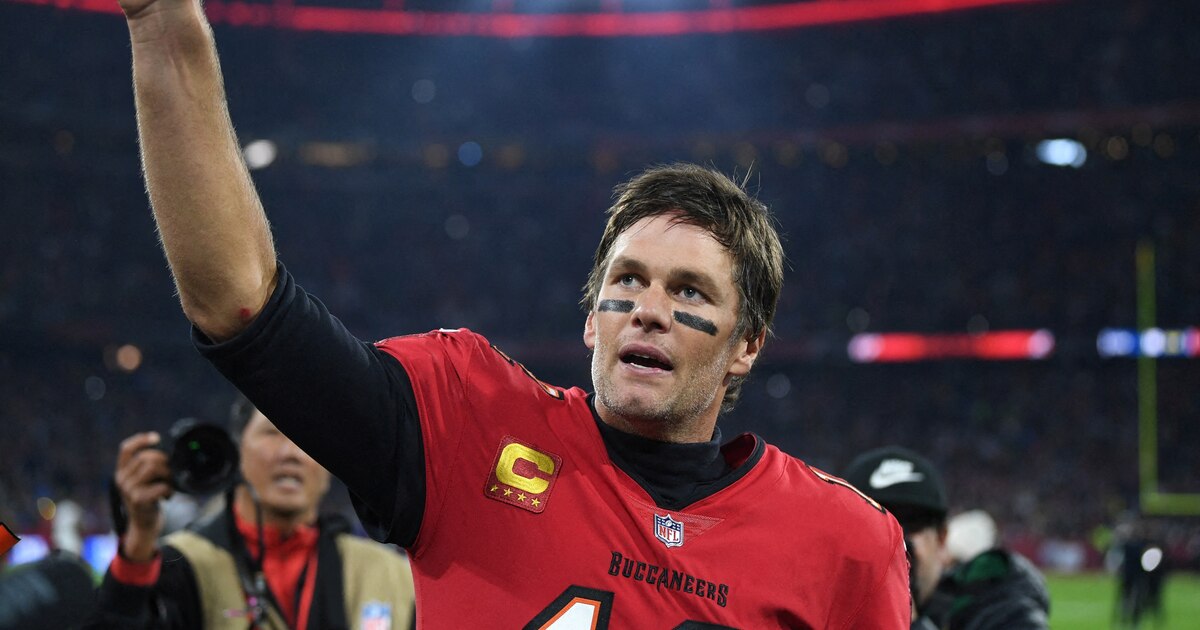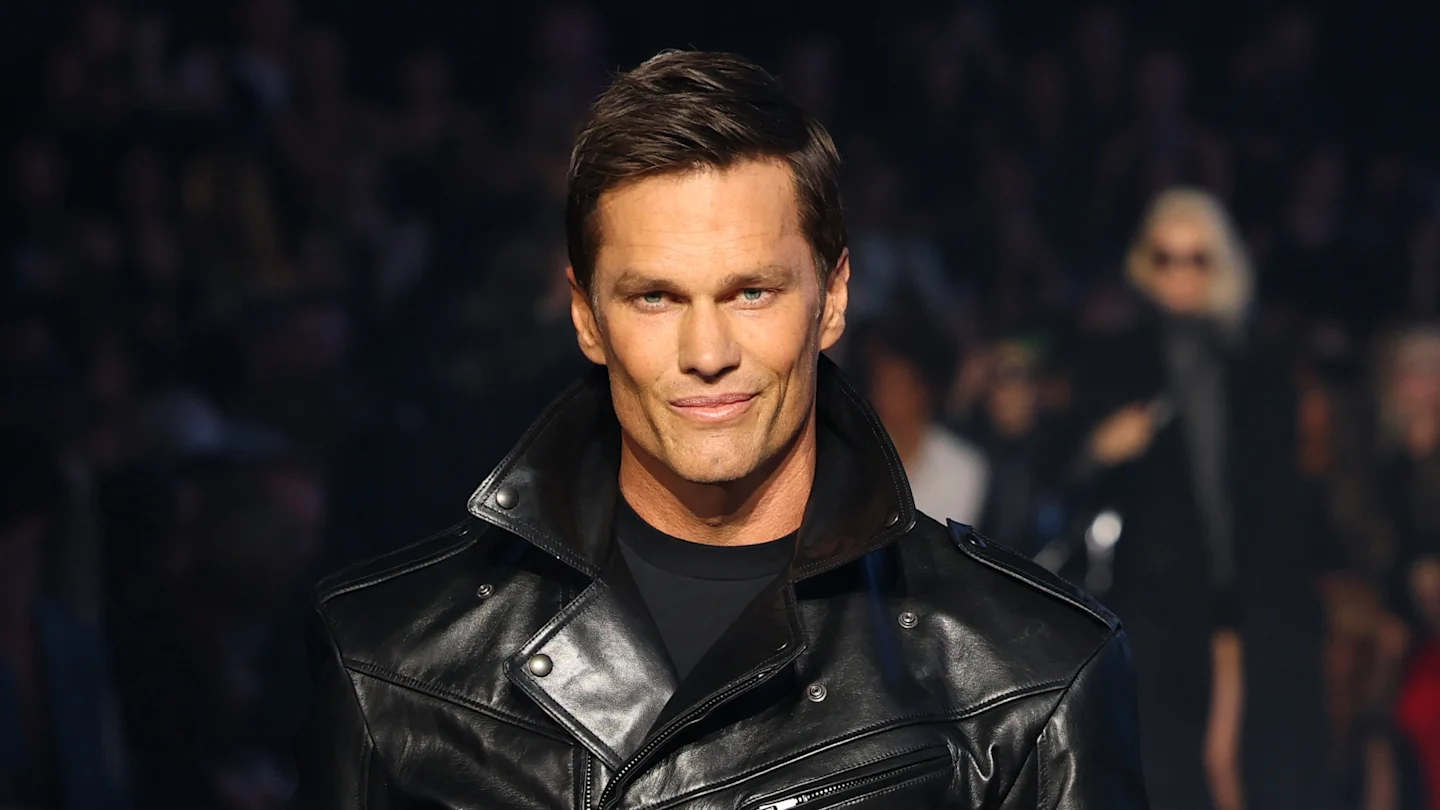
How one tough lesson at Michigan helped Tom Brady become an NFL legend(Getty)Tom Brady's story is often told through the numbers. Those achievements helped him build a legacy that many believe will never be matched. But the foundation for that remarkable career was laid long before he became an NFL star.Years before hearing his name called in the 2000 NFL Draft, Brady was a college quarterback at the University of Michigan fighting for something much smaller than championships. He simply wanted a chance to play. There were days when he questioned whether his hard work would ever be rewarded because every practice seemed to remind him that someone else was ahead of him. Looking back, Brady believes that one conversation during those difficult years completely changed the way he approached football and, ultimately, the rest of his career.The advice Tom Brady still calls the biggest turning point of his careerWhen Brady arrived at the University of Michigan in 1995, he was far from the superstar fans know today. The Wolverines already had talented quarterbacks on the roster, and Brady spent his first season as a redshirt while learning the system and adjusting to college football.Even after beginning to climb the depth chart, nothing came easily. He first found himself behind Brian Griese, who would go on to lead Michigan to a national championship in 1997 before beginning his own NFL career. After Griese left, Brady expected the path to become easier. Instead, another challenge arrived almost immediately when highly regarded quarterback Drew Henson entered the program.Henson was one of the country's most celebrated recruits, and many believed he represented the future of Michigan football. During the 1998 season, head coach Lloyd Carr rotated Brady and Henson, splitting playing time between them. The arrangement left Brady in a constant battle to prove that he deserved to stay on the field.The competition frustrated him. Years later, Brady admitted that as a sophomore he regularly visited Michigan sports psychologist Greg Harden because he could not stop thinking about the opportunities other quarterbacks were getting instead of his own.Recalling that period, Brady said: "When I was a sophomore in college, I had a sports psychologist, a mentor of mine. And I would go and bitch and complain to him all the time that I wasn't getting the same opportunities that other guys were."From Brady's point of view, the situation felt impossible. The starting quarterback received most of the practice repetitions. The backup got several more. Brady believed he could never catch them if he was only getting a handful of chances each day.Greg Harden listened before offering advice that Brady has never forgotten. Instead of discussing the quarterbacks ahead of him, Harden asked Brady to stop focusing on everything he could not control.As per Tom Brady, Harden said, "Why don't you quit b**ching about all the things you're not getting and worry about the things you are getting and don't worry about anybody else. So many times we focus on what everyone else gets and we lose track of what we're getting and the opportunities we're getting. If they give you three opportunities in practice to go out there and do your best, go do it.”Those lines stayed with Brady because they completely changed how he viewed competition. Rather than counting the repetitions he was missing, he decided to make every opportunity impossible for the coaches to ignore. Speaking about that shift in mindset, Brady explained: "I only get two reps. I'm going to do the best with the two I've got."That simple mindset actually transformed the way he practiced. Every throw became important. Every drill became an audition. Instead of wasting energy wondering why another quarterback received more chances, Brady focused on making sure his own repetitions were as close to perfect as possible.The results did not appear overnight, but his coaches began noticing the difference. Brady earned more responsibility, developed greater confidence and slowly established himself as someone the team could trust when games were on the line.Looking back years later, Brady realized that the lesson reached far beyond college football. He said, "Looking back, that was really the turning point in my football career."The quarterback who once believed success depended on receiving more opportunities now understood something completely different. Success depended on maximizing the opportunities already in front of him.That lesson helped Brady finish his Michigan career on a high note. He led the Wolverines to a share of the Big Ten title in 1998, remained the team's starting quarterback despite the competition surrounding him and closed his college career by leading Michigan to a dramatic Orange Bowl victory over Alabama following the 1999 season. Above all, he left Ann Arbor carrying a mindset that would define everything that came next.How did Tom Brady carry that lesson into an unforgettable NFL career?The lesson Brady learned at Michigan stayed with him long after his college career ended. Even after leading the Wolverines to an Orange Bowl victory over Alabama, NFL teams still doubted his potential. During the 2000 NFL Draft, he waited until the sixth round before the New England Patriots finally selected him with the 199th overall pick. Instead of thinking about the disappointment, Brady relied on the same mindset Greg Harden had taught him years earlier and focused on making the most of every opportunity that came his way.That approach changed everything. When starting quarterback Drew Bledsoe suffered a serious injury during the 2001 season, Brady stepped into the lineup and led the Patriots to victory in Super Bowl 36. It marked the beginning of one of the greatest careers in professional sports. Over the next two decades, Brady won seven Super Bowls, earned five Super Bowl MVP awards and three NFL MVP honors while becoming the league's all-time leader in passing yards and passing touchdowns.Today, Brady's legacy extends beyond the field as he serves as FOX Sports' lead NFL analyst and a minority owner of the Las Vegas Raiders. Looking back, the biggest turning point in his journey was never a championship or a record-breaking performance. It was the moment he stopped worrying about the opportunities he wasn't getting and learned to make every chance count, a lesson that ultimately helped shape the greatest quarterback career in NFL history.
Career turning point: “Quit b***ching about all the things you're not getting..." How one tough lesson at Michigan helped Tom Brady become an NFL legend
Tom Brady's story is often told through the numbers. Those achievements helped him build a legacy that many believe will never be matched.
1,040 words~5 min read