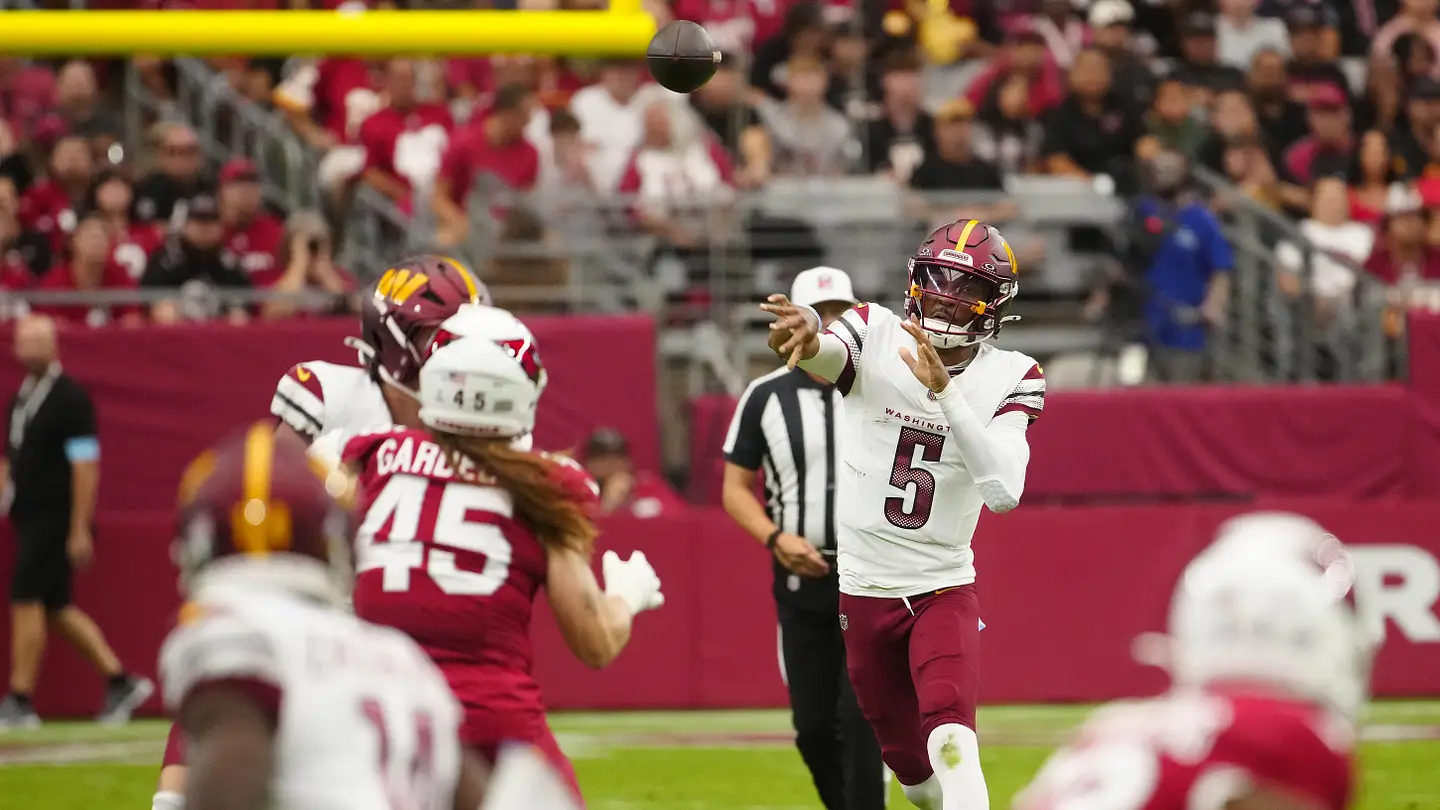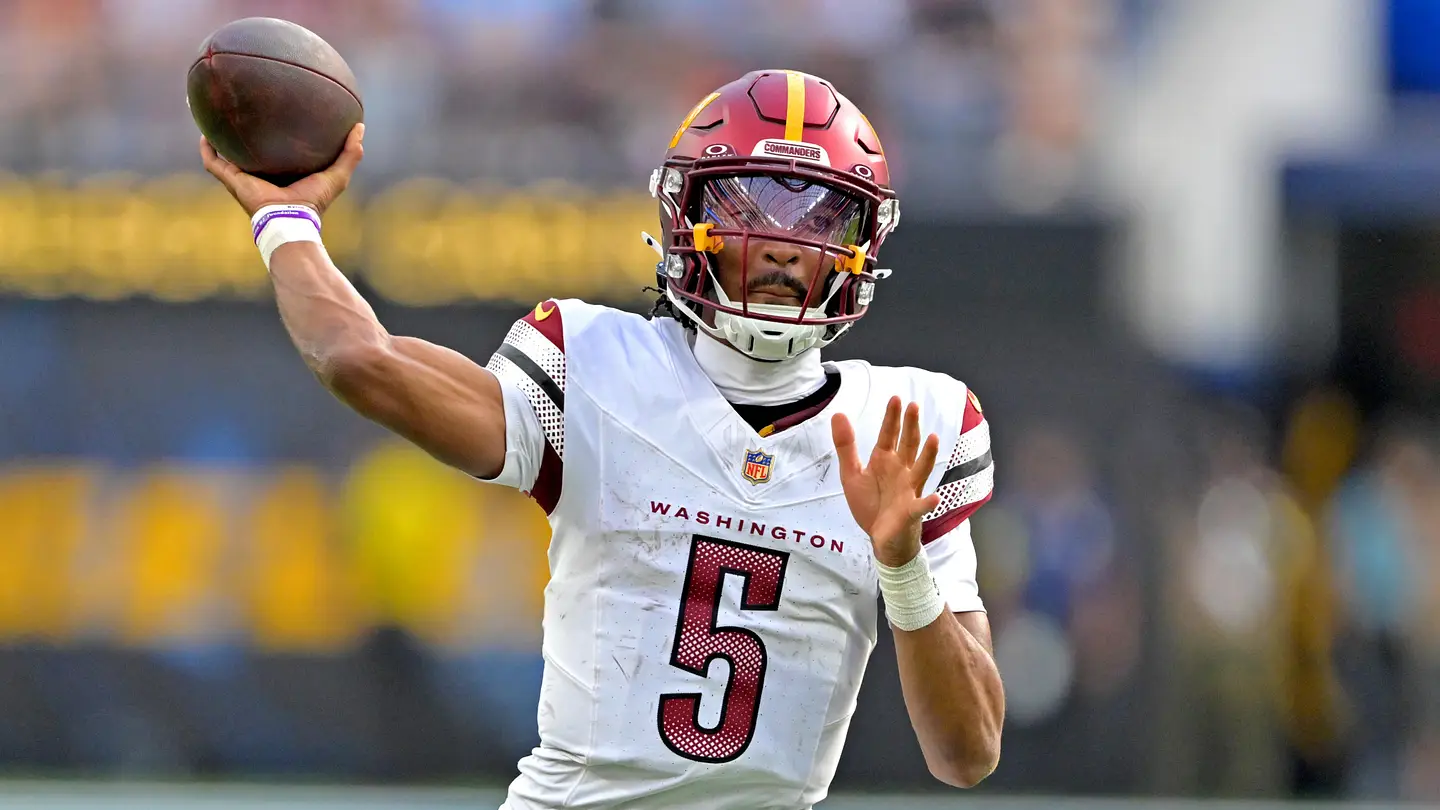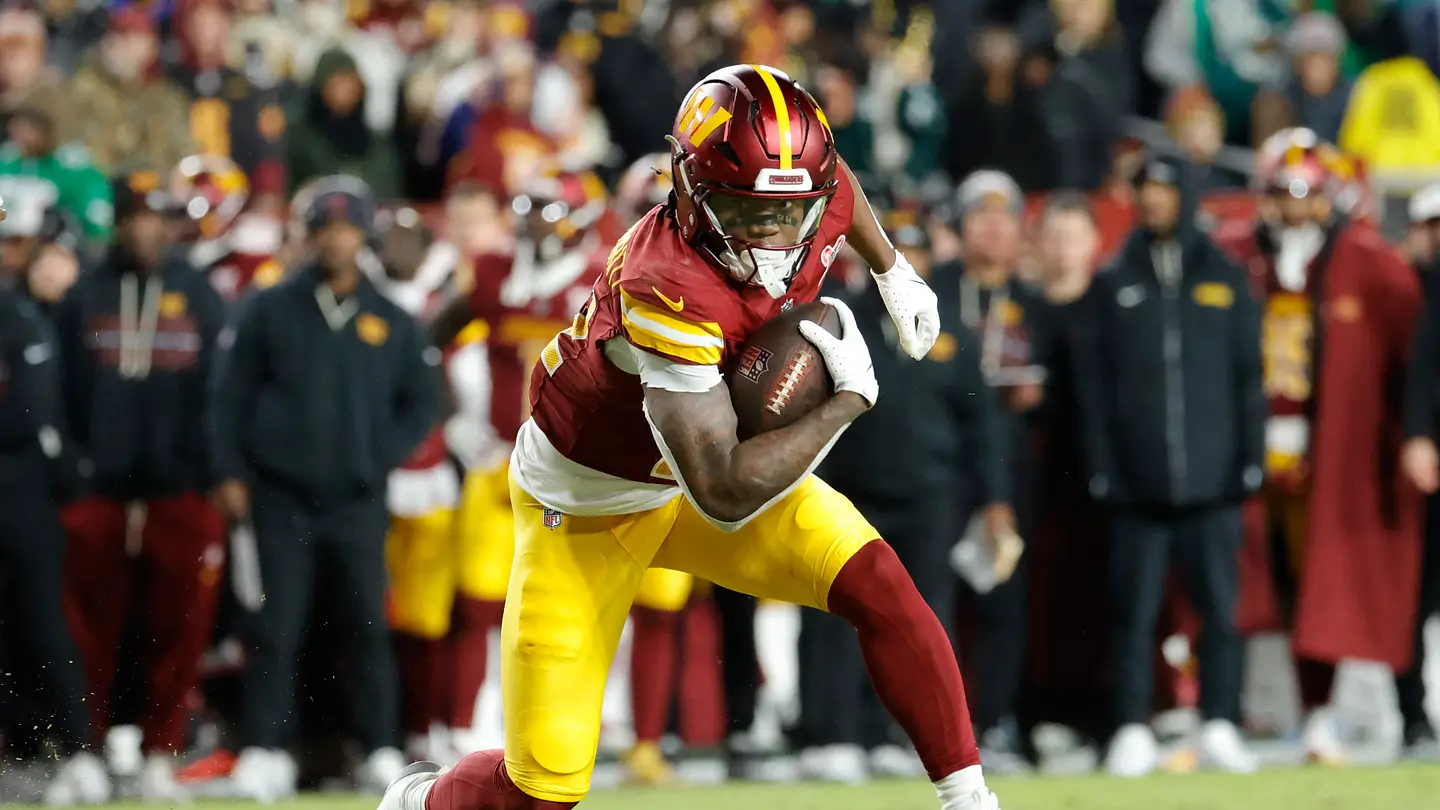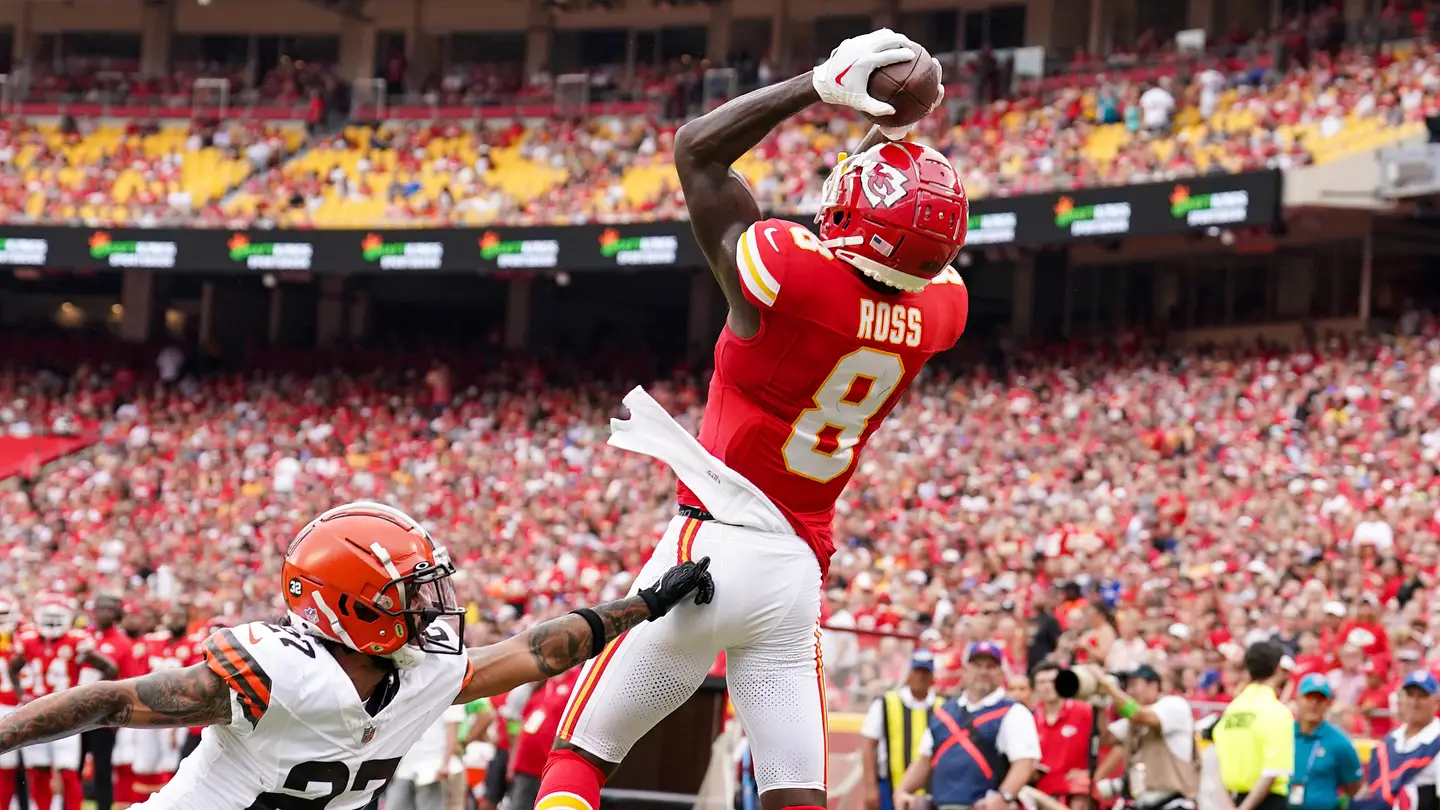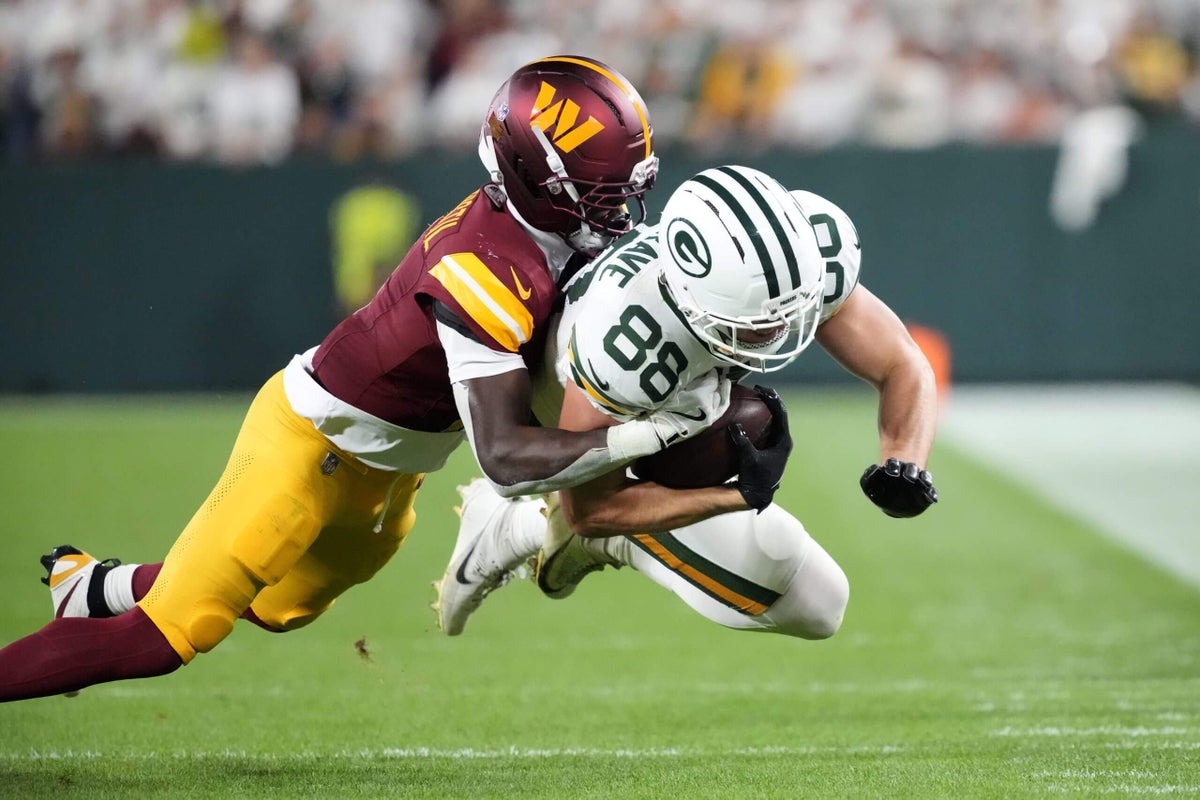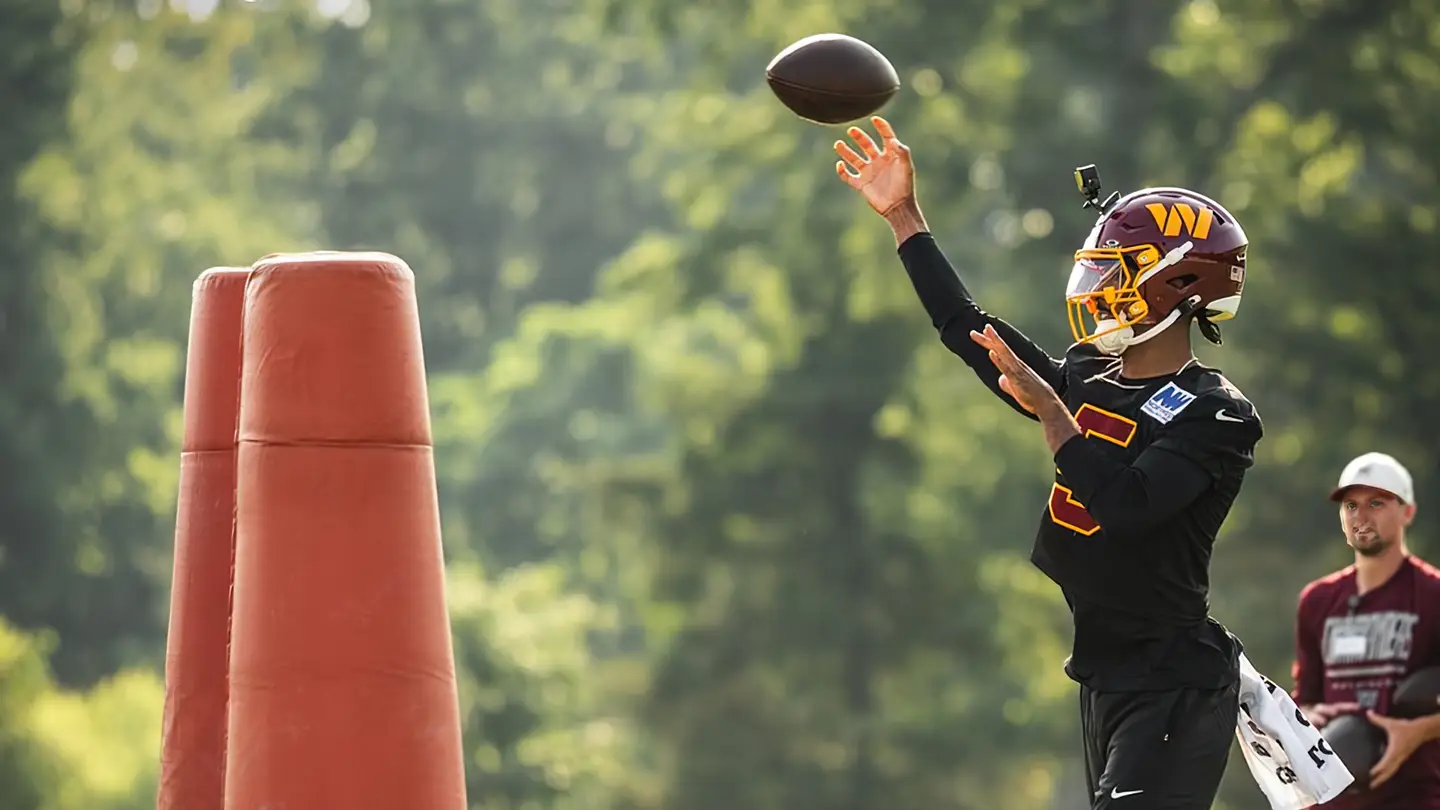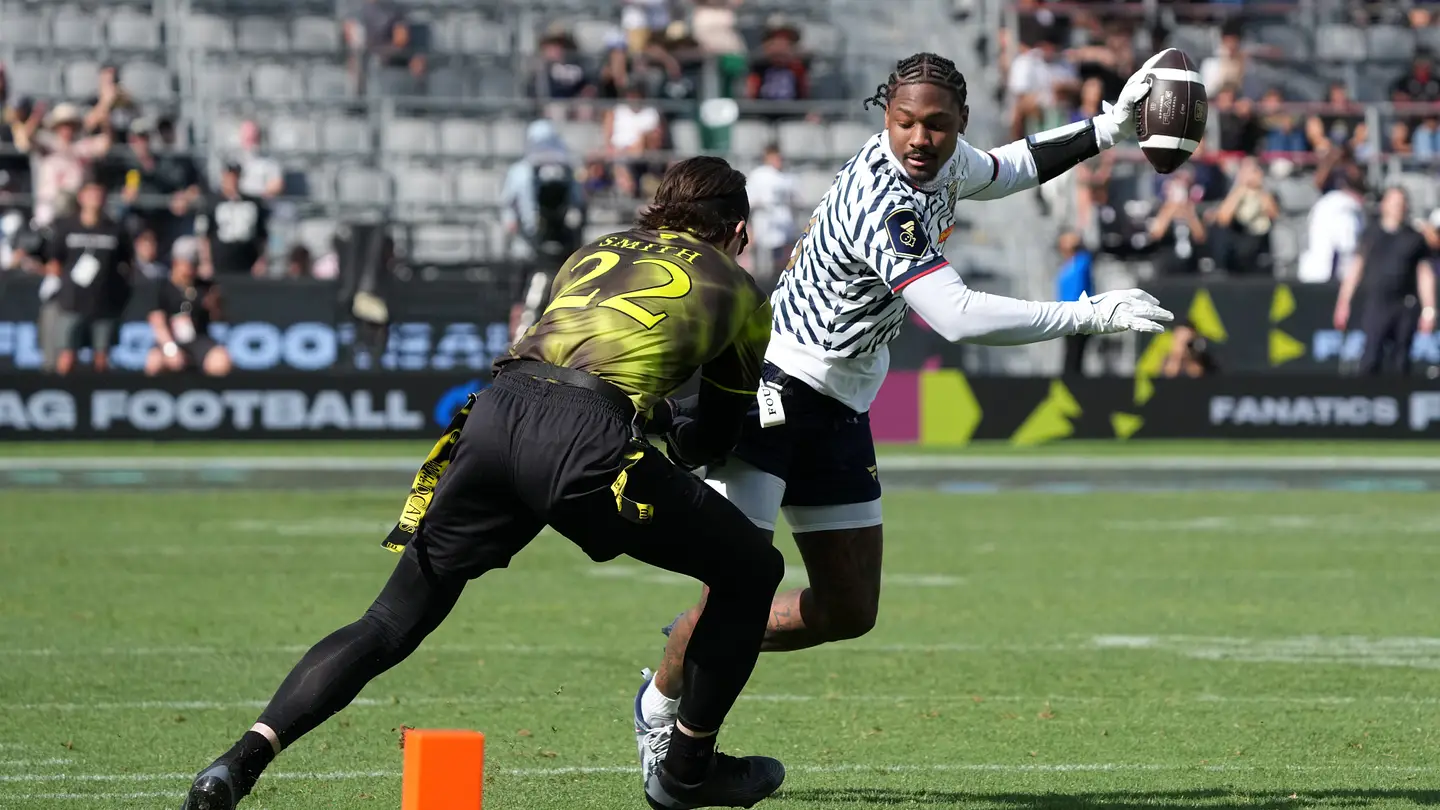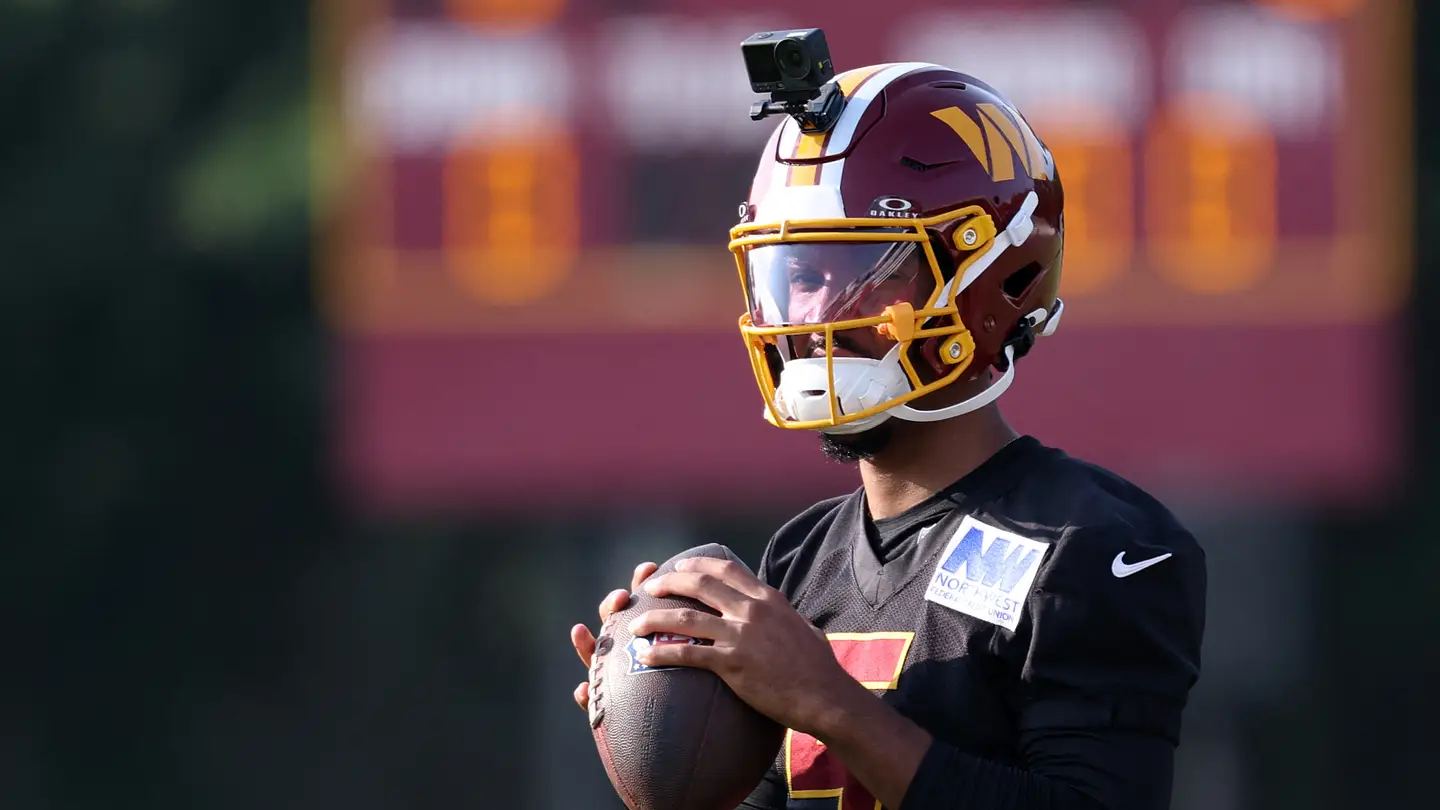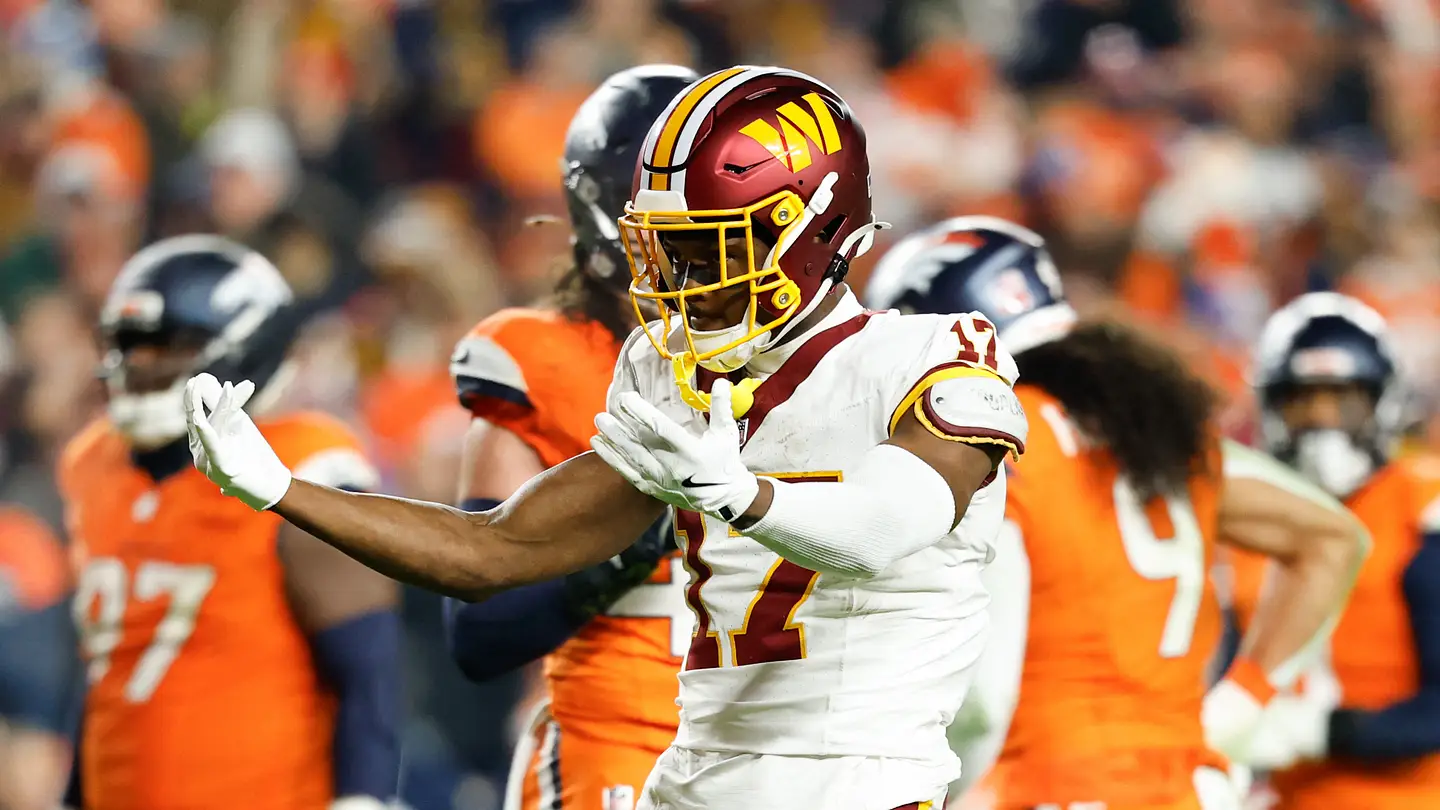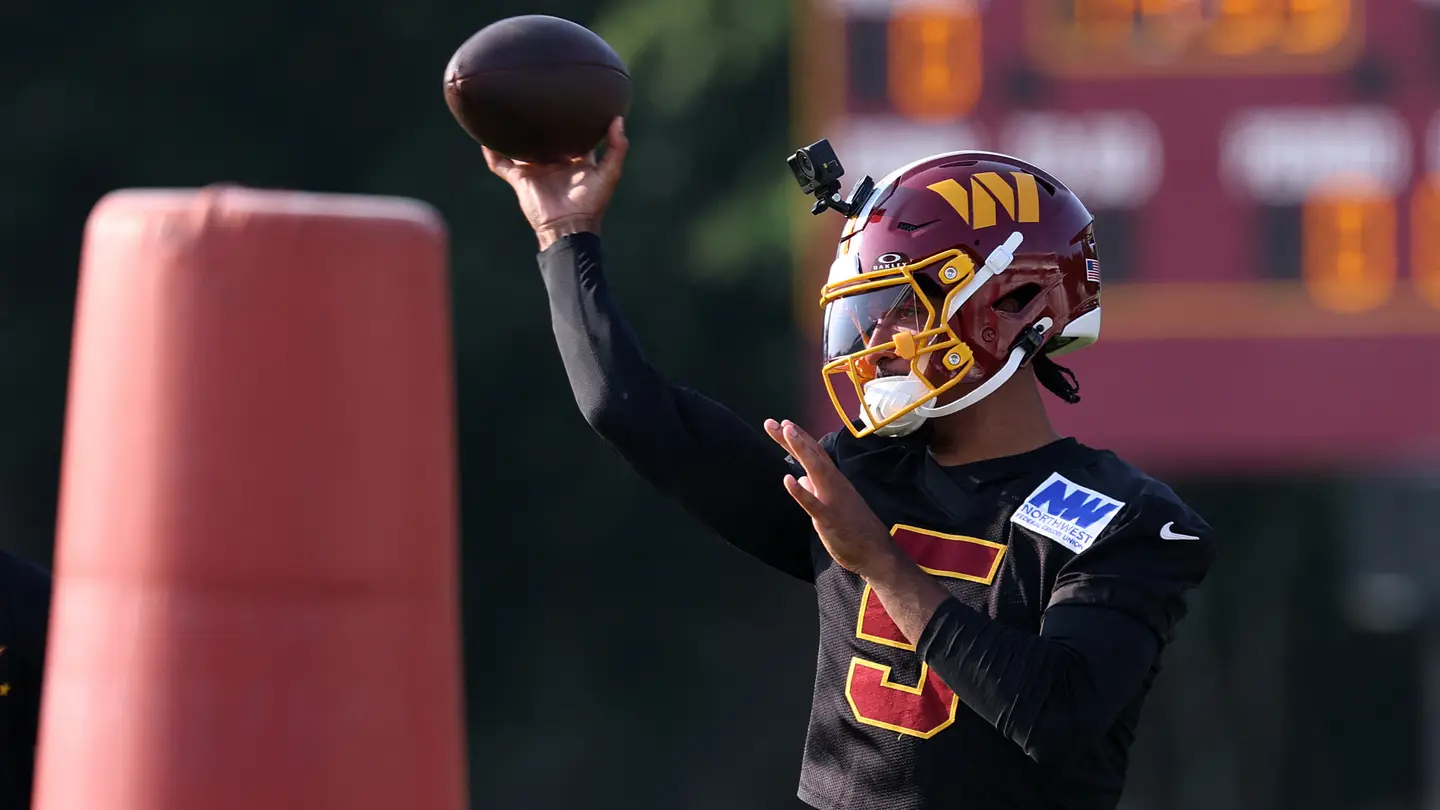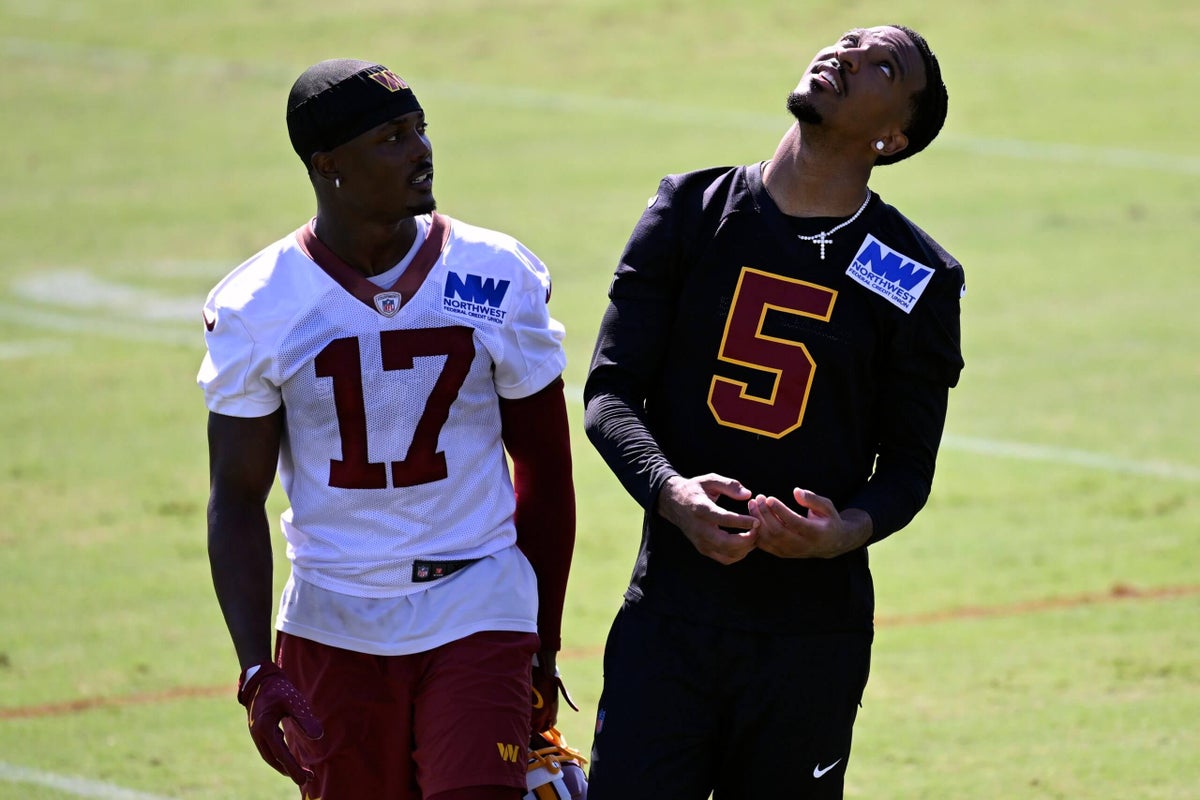
In an ideal world, the Washington Commanders would have a pair of proven No. 1 receivers who could be used interchangeably on the right and left sides of the field to give quarterback Jayden Daniels more options in the pass game.Ideal would be nice. Ideal would be easier.But ideal hasn’t been Washington’s reality for most of this century (and beyond), and it’s fair to wonder if the team is headed for another season without ample pass-catching help.The Commanders’ overall talent and depth at receiver have been concerns for much of the last few years and reached a tipping point last season when Terry McLaurin and Noah Brown missed a combined 20 games because of injuries. But after general manager Adam Peters admitted at season’s end that their absences offered “a good lesson for sure,” the team still hasn’t acquired — at least, as of Monday morning — a second proven playmaker in the pass game to complement McLaurin.Watch Terry McLaurin work on his eye tracking at practiceNicki JhabvalaThe Commanders changed systems and play callers, and overhauled much of their roster this offseason, and yet the biggest storyline facing the team for much of the offseason was whether it would sign one of the top remaining free-agent receivers, such as Stefon Diggs or Brandon Aiyuk, if the San Francisco 49ers cut him loose.Three days into training camp, that what-if is as relevant as ever. Will the Commanders add another veteran receiver? Should they?It’s too early to make any broad judgments about the roster and its fit within first-year offensive coordinator David Blough’s system; the Commanders’ first fully padded practice is Monday, and three practices in the ramp-up portion of camp hardly show much.But context also matters.Injuries tested Washington’s depth across the board last season, and its receivers certainly weren’t the only reason the team finished 5-12. But finding another pass-catching threat — be it a wideout, tight end or a running back — was a stated priority for Washington going into the offseason, and its moves in free agency and the draft did little to quash any outside concern.After moving on from receiver Deebo Samuel, who recently reunited with the San Francisco 49ers, the Commanders signed veteran wideouts Dyami Brown, Van Jefferson and Treylon Burks — all to one-year deals for the veteran’s minimum. And after using a 2025 fourth-round pick on Jaylin Lane, the Commanders used their third-round pick this year on Antonio Williams, whom Peters and coach Dan Quinn have lauded as a versatile and polished route runner. Williams might be used both inside and outside, but he played primarily in the slot in college, much like 2024 third-rounder Luke McCaffrey.Washington seems heavy on slot receivers and thin on potential outside receiving threats. The player with the best shot to play outside opposite McLaurin could be Burks, the 2022 first-round pick by the Tennessee Titans who signed to Washington’s practice squad last season when injuries depleted its receiving corps. Burks showed plenty to like in his eight games, but he hasn’t started more than nine games in a season, and after one day of camp this year, he was sidelined with what Quinn described as “foot soreness.” Burks was back on the field Saturday, and his availability going forward may ultimately determine his value to the team.“But just the way the guys have progressed, how much we’ve invested in that position in terms of draft capital, I think we’ve invested a lot,” Peters said of the receivers ahead of training camp. “And then our (front office) guys have done a really good job in the free-agent market too, bringing in some real good competition there. So what it does is create great competition, and … the cream will rise to the top. I’m confident that those guys will take a step up.”Washington remade its other skill position groups, too, this offseason. Chig Okonkwo, a yards-after-catch machine, leads the tight ends room in place of Zach Ertz, and Rachaad White brings some pass-catching ability to a running backs room that lost Austin Ekeler.For now, the Commanders have essentially created a No. 2-receiver-by-committee, with a multitude of skill sets — slot experience, ability to play outside, yards after the catch, speed, route running, shiftiness and so on.“I think what we learned is it’s not necessarily (Nos.) 1 and 2 in that space,” Quinn said when asked about the receivers in March. “… You’ve got to be a little more creative about where you put people. How do they go there? If you can find players and train them to have different types of versatility, I think that’s a big deal.”Washington can point to 2024 to support its claim that it can succeed without a proven “No. 2” on the roster. Olamide Zaccheaus, an unheralded offseason signing, proved to be a key contributor throughout that season, and there’s no reason to think any of Washington’s additions this year couldn’t do the same.But that model also required Daniels having the greatest rookie season of any quarterback and leading the team in rushing yards as well as passing yards, and for the team to have nearly everything fall in its favor; it won six games (playoffs included) on the last play from scrimmage.On the other hand, Washington knows first-hand the risk in not having a deep and proven receiving corps. McLaurin, who will be 31 in September, was healthy for all but three games in his career before suffering a quad injury early last season and missing seven games. Should he suffer another injury and miss an extended period this season, Washington would lose its primary playmaker outside of Daniels.Signing Diggs wouldn’t guarantee Washington a second playmaker. He’ll be 33 in November and has had his share of off-field concerns.Given Washington’s recent history of veteran signings, Peters likely wouldn’t want Diggs on more than a one-year deal, and injuries in training camp might give the Maryland native options. But if the deal is right, it would seem silly to not add competition and let the cream rise to the top.
The Commanders have a plan at wide receiver. But is it good enough?
Will the Commanders add another veteran receiver? Should they? Those questions aren't going away as training camp continues.
1,006 words~5 min read