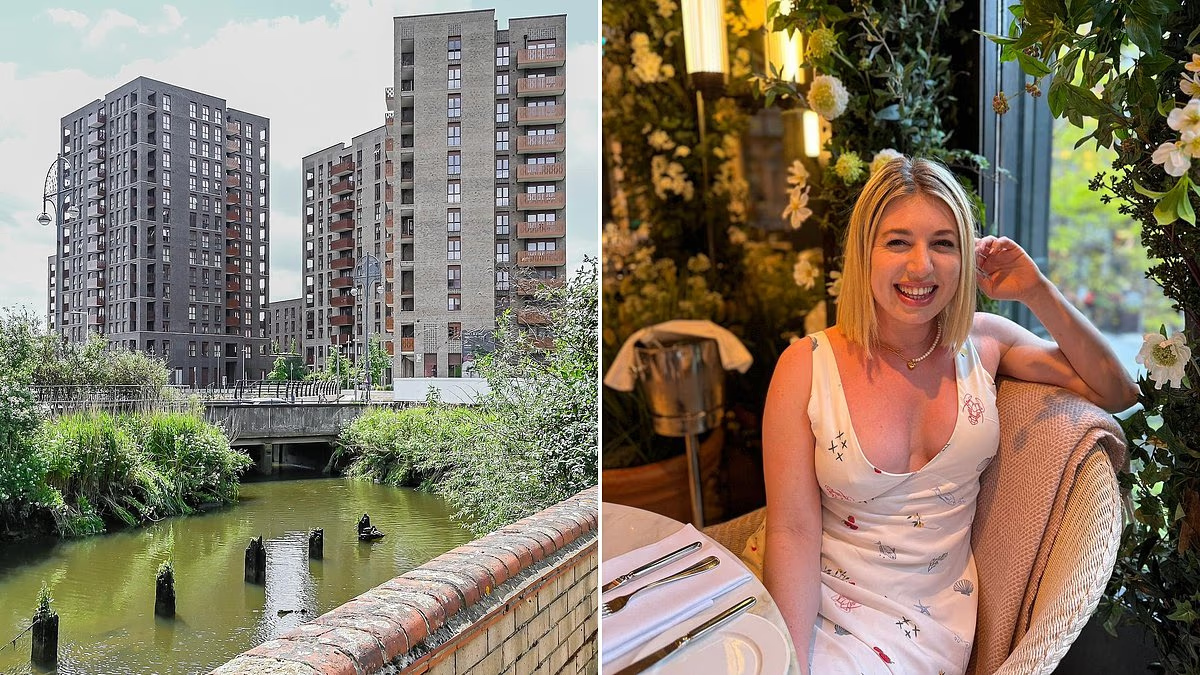
Turmoil in the London flat market has now spread to other cities around the country, stark figures show.Flat owners in city centres across Britain are seeing the price of their properties plummet.A majority of owners selling flats in Sheffield, Birmingham, Leicester and Newcastle are now selling at a loss of almost £40,000 on average, This is Money can reveal.A staggering 62 per cent of flat sellers in Sheffield city centre (S1 postcode) have sold for less than they bought their homes over the past 12 months, according to research from analytics firm PropertyData.It's a similar story in Birmingham city centre (B1), where 61 per cent of flat sellers have sold at a loss over the past 12 months. The analysis looked at every sale in England and Wales in the 12 months to the end of May 2026 and matched them against the price the seller originally paid for the same property within the past 20 years.The average flat owner sold for £39,509 less than what they had paid for it, while the average length of ownership was just under nine years.
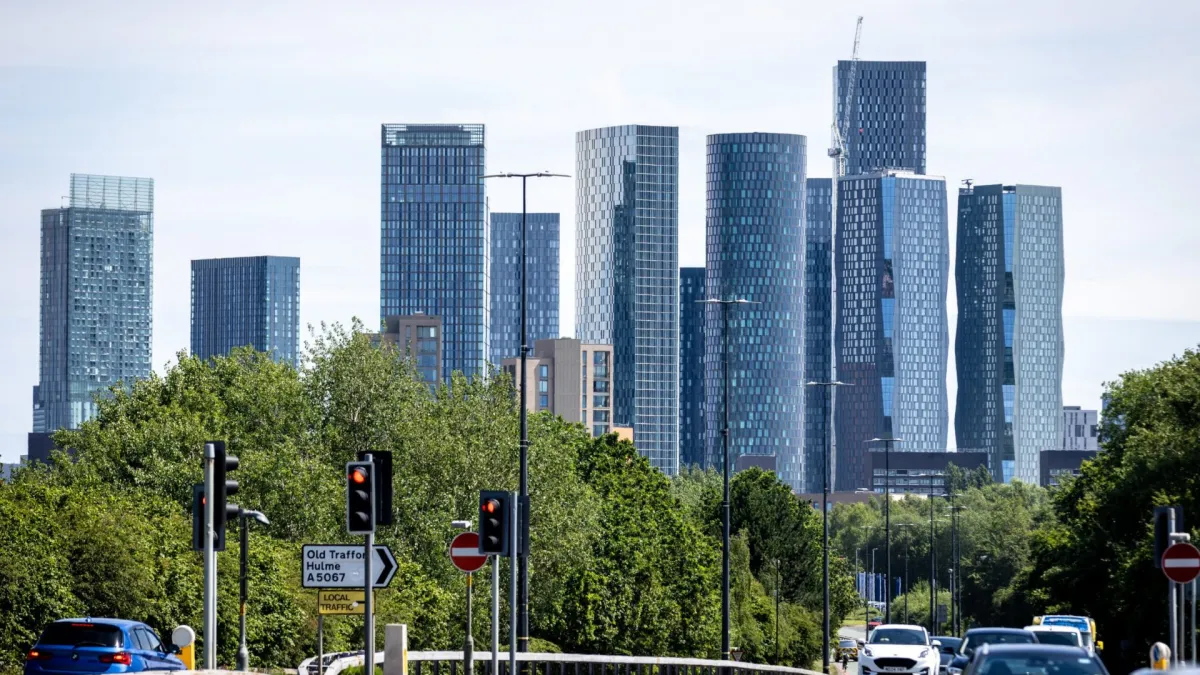
It is no secret that flats are currently out of favour and therefore dropping in value across the country. The average flat sold on the market today is typically valued at less than it was worth four years ago, official Land Registry data shows. Average flat prices peaked in August 2022, when the typical property sold for above £200,000. As of May this year, the average price is back down to £192,000. Across the country as a whole, 25 per cent of flat sellers have sold at a loss over the past year. But it is in city centres where owners are taking the biggest hit. Philip Jackson, of Maguire Jackson estate agents in Birmingham, says he is deeply troubled by the current state of the market in the city centre.'The chill of London has hit Birmingham,' says Jackson. 'It is the worst sales market I have ever known. We have been through a lot of depressions but we can’t quite work out how and when this one will end.'The market here is flooded with apartments to sell, most bought over the past 20 years. My quick analysis shows 1,400 flats for sale within a mile from my office.'In one building there are 30 identical one-bedroom flats available for sale at the moment. Sellers have to price lower than all the others to stand a chance of selling.'Why are flat prices plummeting?The trend of falling prices has shifted up a gear in the past year.Buying agent Nicholas Finn, of Garrington Property Finders, says this is mostly down to an oversupply of flats on the market. 'We always talk about there being a UK housing crisis, but I'm not so sure we have a flats crisis,' he says. 'It seems like the number of flats being built is just so much higher than the number of houses. 'The skyline across so many cities is dominated by cranes. Birmingham has so many new developments being built and completed. The same goes for Sheffield. 'Even places like High Wycombe and Maidenhead have seen lots of flats developed. It's the locations where supply has exceeded demand where many owners will now be selling at a loss.'In the case of new builds, they are often sold at a premium to similar homes on the second-hand market.This means you would expect it to take longer for these properties to increase in value. Anyone selling a new build in the first few years can typically expect a loss.While the market is flooded with properties for sale, Jackson says that there is more at play than just an imbalance in supply and demand. He says there has been a fall in interest from investors, too. 'In the city centre here in Birmingham, a disproportionate number of homes are owned by investors as opposed to owner-occupiers. Given there is less interest from new investors, the current investors are struggling to find buyers.'Generally speaking, investors who bought between 2015 and 2020 are now selling for either the same or less than they paid. He adds: 'Aside from that, the market here was hit badly by the cladding crisis post-Grenfell. There are still a lot of flats locked by cladding and people can’t sell unless they are prepared to consider a major price cut.'Another major problem is the leasehold tag that flats, whether new build or not, are burdened with. Leasehold flats often come with some off-putting strings attached. For a start, many have ground rents they pay to their freeholder in return for no services given.While ground rents have now been outlawed for all new leaseholds, many still endure these costs.Many leaseholders, especially those in apartment blocks, also pay annual service charges which go towards the upkeep of the building.It commonly covers things such as insurance, cleaning, gardening, repairs of communal areas, surveyors’ fees, fire risk assessments and managing agents fees.For some apartments, it can also include a gym, concierge and parking.Service charges have increased by an average of 41 per cent between 2019 and 2024, according to The Property Institute. It says the average leaseholder is now paying £3,634 a year. A staggering 61.8 per cent of flat sellers in Sheffield city centre (S1 postcode) have sold at a loss over the past 12 monthsWhere else are flat owners cutting their losses?Areas in the North East, including Sunderland's SR2 postcode, Darlington's DL3 postcode and the Newcastle city-centre postcode of NE1 are all among the top ten areas where flat sellers are incurring the highest proportion of losses.Richard Donnell, of property website Zoopla, puts it down to the lower property prices in these locations and the heavy exposure to city centre new-build flat schemes run in the 2000s and 2010s, which were aimed at buy-to-let investors. He says that many of these flats were secured at high initial prices on low mortgage rates. These owners now face a smaller pool of buyers today.The lack of house-price growth in these areas means some flats are worth less than they were 15 to 20 years ago.However, severe flat losses are not limited to the North. Many affluent southern commuter-belt areas, alongside central London postcodes, have also seen flat owners bear widespread losses. Runnymede, Mole Valley, Hart, Woking, Uxbridge, Windsor and Maidenhead, Winchester and the London borough of Kensington & Chelsea have all seen large proportions of flat owners sell at a loss.In Uxbridge (UB10) in west London, which includes parts of Hillingdon and Ickenham, 58 per cent of flat owners have sold their property for less than they bought it for over the past year.Meanwhile, in Winchester's SO22 postcode, 55 per cent sold at a loss.Donnell attributes this to the fact many of these flats were bought in the disproportionately low mortgage-rate window of 2016-2021. Flats bought in London and the South East between 2016 and 2022 have a higher likelihood of selling at a loss today, according to Zoopla's analysis. 'These buyers are being hit by the mortgage rate shock on larger mortgages since 2022,' Donnell explains.'Prime London has specifically faced weak overseas demand and stamp duty drag on demand, [which impacts] what people will pay.'