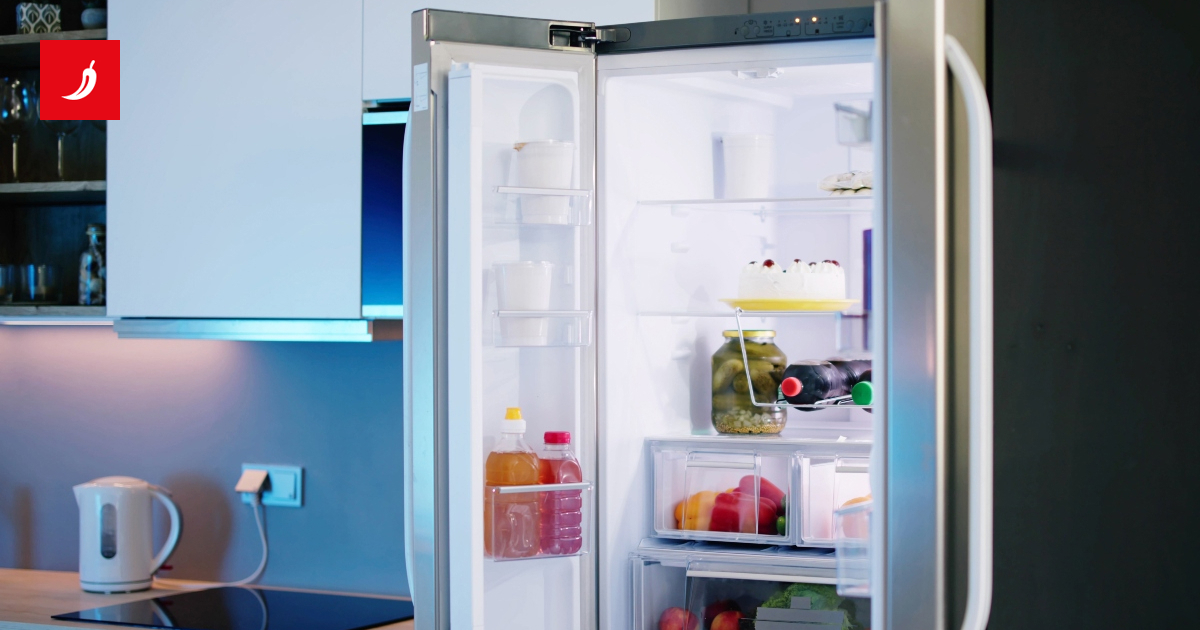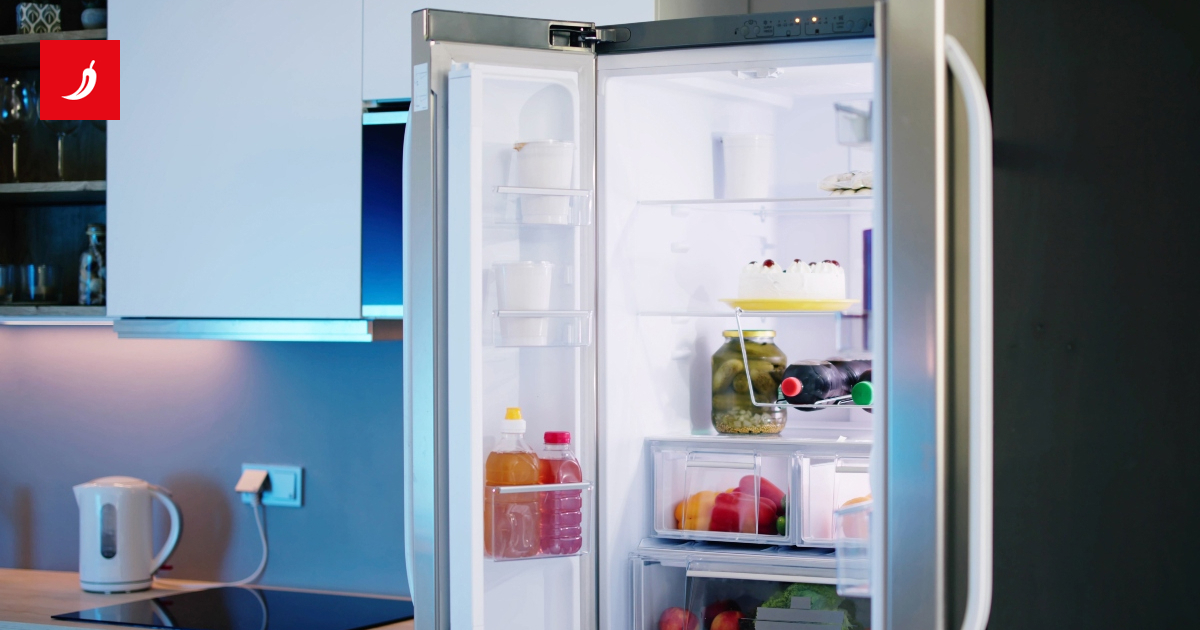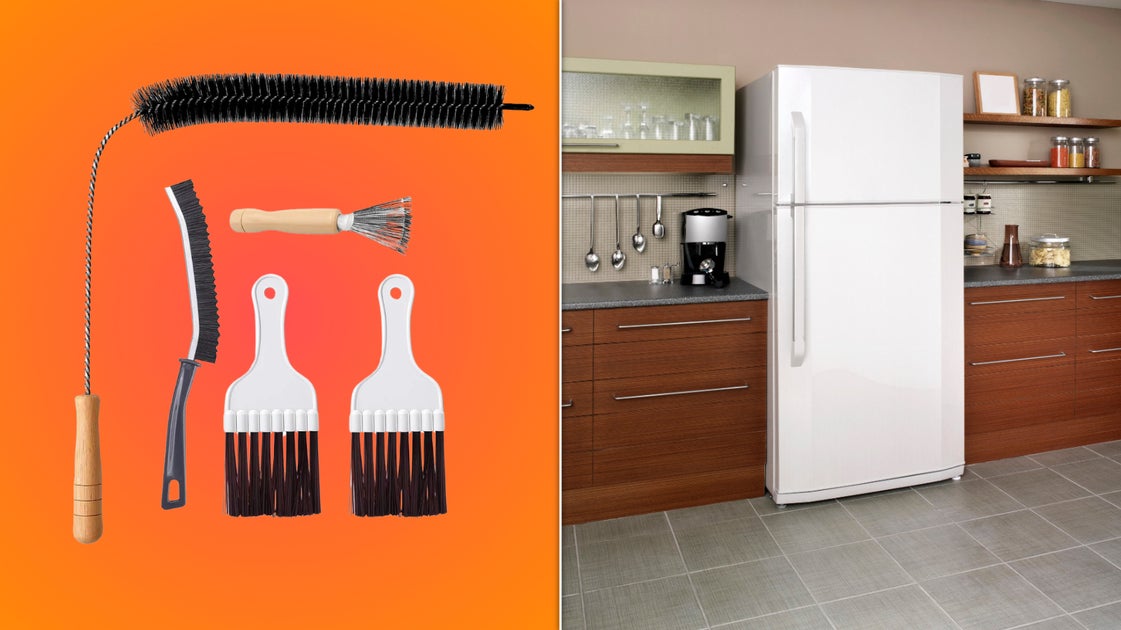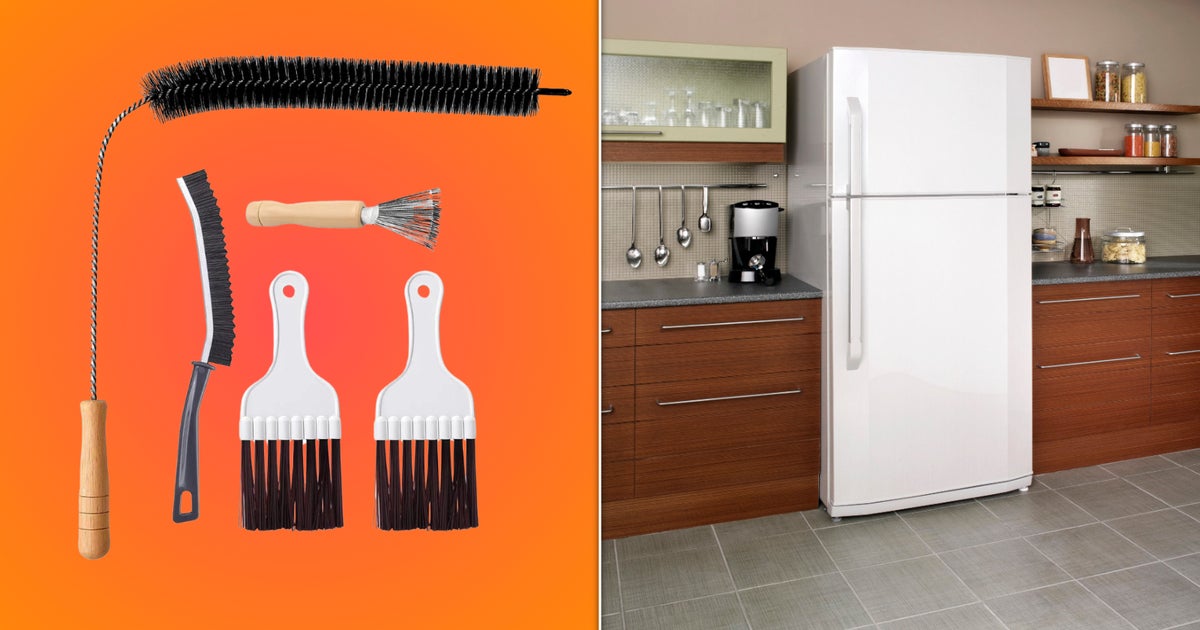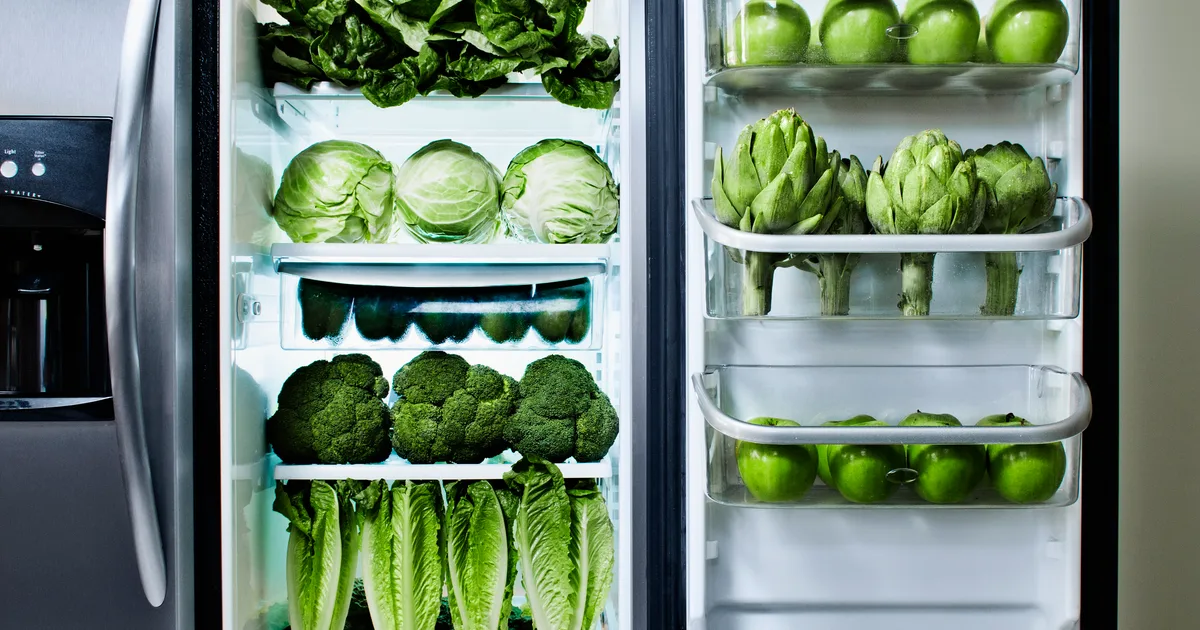
Your refrigerator is the one appliance in your home that never gets a day off. It hums along 24 hours a day, holds your groceries at a safe temperature and just sits in the kitchen, which is probably why most of us never think about it until the milk goes warm. But the small things you do every day, from how you pack your refrigerator to where you put your leftovers, can have a real effect on the appliance’s longevity.According to Ian Palmer-Smith, an appliance repair expert at Domestic & General, the average refrigerator should last about 10 to 15 years, but that number can drop to “eight or nine years if you don’t follow best practices.”The good news is that almost all of those best practices are simple, and several of the worst habits that negatively impact fridges are easy to break. We asked three repairmen about the mistakes they most often see when it comes to fridge upkeep and what to do instead. Andrii Zorii via Getty ImagesIf your fridge is so packed that you can't see any gaps between the food, it's too full.Mistake #1: Not cleaning the condenser coilThe repairmen agreed on one thing: the part of your fridge most likely to fail is the one you’ve probably never looked at.“The biggest driver of fridge breakdowns is the condenser coil, where the gas gets condensed and forms refrigerant,” Palmer-Spring explained. It’s a metal grid that, depending on the model, sits at the back of the unit, underneath it or, on some high-end refrigerators, up top. Because it’s tucked out of sight, it collects dust, grease and pet hair, and that buildup keeps it from doing its job.“That stops the coil from dissipating heat, so the motor ends up overheating,” Palmer-Spring said. “The inside of the fridge might not feel hot, but the motor is overheating.”Tony Andrade, service manager at Abt Electronics, described the same chain reaction: a dirty condenser “makes the compressor work harder and can cause it to overheat. Once it reaches a certain temperature, it may shut down and cool inefficiently.”The fix: Clean the area and don’t crowd it. Andrade recommends cleaning the condenser every six months if you have pets and roughly once a year if you don’t. You can buy a slim condenser brush made for the job at your neighborhood Home Depot or Walmart for about $5, slide it under or behind the unit, then vacuum up what you loosen. Palmer-Spring suggests pulling the fridge out every winter and going over the coil with a handheld vacuum, also giving the appliance room to breathe in the first place: people “often place the appliance right up against a wall or in a tight space,” which traps heat and starts the whole problem.Mistake #2: Overpacking the fridgeWe’ve all crammed a fridge to the brim before a holiday, and the repairmen say that’s fine every once in a while for a night or two. The trouble starts when it becomes your everyday default.“Overpacking a fridge ... makes the cooling system work harder, leads to uneven temperatures and can cause the compressor to work much harder,” Palmer-Spring said. The issue isn’t just weight but airflow. Cold air needs room to move, and a wall of groceries blocks that from happening.Andrade explained that overstuffing “doesn’t affect the condenser itself, but it does affect air circulation inside the unit. If you accidentally block the vents where the cold air comes out, the refrigerator won’t cool properly, and you’ll end up with uneven temperatures.” The fix: Use the eyeball test. “If you can’t see any space inside, it’s overloaded,” Palmer-Spring said. “It’s a simple visual exercise: if I can’t see space, it’s too full.” Keep the vents, especially the one up top, clear and treat a packed-to-capacity fridge as a one-night dinner party situation, not a permanent state.Mistake #3: Opening the door too oftenThe problem with this one is moisture. Every time the door opens, warm room air rushes in to meet the cold. “If you’re constantly opening the fridge just to see what’s inside, moisture can build up because the 70-degree air in your home is entering a 37-degree refrigerator,” said Dennis Godynuk, a fridge repairman and owner of Comfort Appliance Repair TN. Repeated openings also undo the cooling cycle: he tells customers a fridge can take four to six hours to cool down properly and “people often keep opening the door to check on it, which resets the cooling process.”AndreyPopov via Getty ImagesOpening the refrigerator door too often in a short timespan can cause problems.To be clear, some level of constant use is completely fine. “If you’re cooking and leave the fridge open for a minute, then close it and don’t open it again for 20 minutes, that’s generally not an issue,” Godynuk said. The damage comes from rapid, repeated openings, seven or eight times in an hour, which can leave the interior panels “very wet,” with water potentially dripping down into technical components.The fix: Grab everything you need in one trip and resist the urge to keep “checking.” After a repair or a big restock, give the fridge a few uninterrupted hours to recover its temperature.Mistake #4: Putting hot food straight inHot food releases steam, and steam is just moisture in disguise. “If you’ve just finished cooking something, like noodles, and they’re still very hot when you put them in the fridge, they’ll release steam and create immediate moisture inside the unit,” Godynuk said. He sees the fallout regularly. “Customers call us saying their refrigerator stopped cooling, and we find that moisture has become trapped in a fan motor or cooling components,” he said.Because those components run near freezing, trapped moisture can ice over, making the fridge louder or stopping it from cooling altogether.It’s also a strain on the hardest-working part of the machine, the compressor (clearly, the most important part of the fridge). “Putting hot food in the fridge also puts pressure on the compressor,” Palmer-Spring said. “If you’re doing it continually, it’s not a good habit.”The fix: Let food cool to room temperature before it goes in. An occasional warm container won’t doom your appliance, but as a daily routine it adds up.Mistake #5: Setting the wrong temperatureA fridge that’s set too cold or too warm is constantly fighting itself, and that effort shortens its life. “A lot of people set their fridges either too warm or too cold,” Palmer-Spring said. “If it’s too cold or too warm, the fridge has to work harder, which reduces its lifespan.”So what’s the sweet spot? Godynuk recommends keeping your refrigerator between 36 and 39 degrees Fahrenheit. He cautions against drifting higher even though regulations technically allow it. Some fridges let you set temperatures as high as 42 degrees, and because units cool to a set point and then float within a range. “If it’s set to 42 degrees, the temperature may rise to 44 degrees before the cooling cycle starts again,” Godynuk said. For him, that’s “too close for comfort,” so he warns against going below 36, since “32 is freezing.” (In the U.K., Palmer-Spring noted, the commonly cited range runs about 3 to 5 degrees Celsius.)The fix: Set your fridge temperature to the high 30s.Mistake #6: Neglecting the door sealThat rubber gasket running around the door keeps cold air in and outside air out. But when the seal falls off or isn’t cleaned properly, the appliance may become damaged.“Often it isn’t cleaned enough or harsh cleaning products cause it to deteriorate,” Palmer-Spring said. “If the seal is damaged, outside air can get in and create moisture.” Andrade described the knock-on effect of a door that no longer shuts tightly: the unit simply can’t keep up. With cold air escaping, he said, the fridge “will run longer and more frequently,” forced to overwork to make up the difference.The fix: Clean the seal with mild soap every six months and skip the harsh cleaners that break it down. Check it now and then for cracks or gaps and replace it if it’s no longer sealing snugly.None of these common mistakes require much effort to undo, and considering that a refrigerator is built to run for well over a decade if you let it, you should try your best to avoid these issues. As Palmer-Spring put it: “Most fridges can have a long lifespan as long as they have proper airflow, are cleaned regularly and you’re not putting unnecessary stress on the compressor or other components.”
Repairmen Say These 6 Common Kitchen Habits Are Shortening Your Fridge's Lifespan
A refrigerator should last 10 to 15 years but the ways most of us pack it, clean it and open the door could be cutting that short.
1,408 words~6 min read