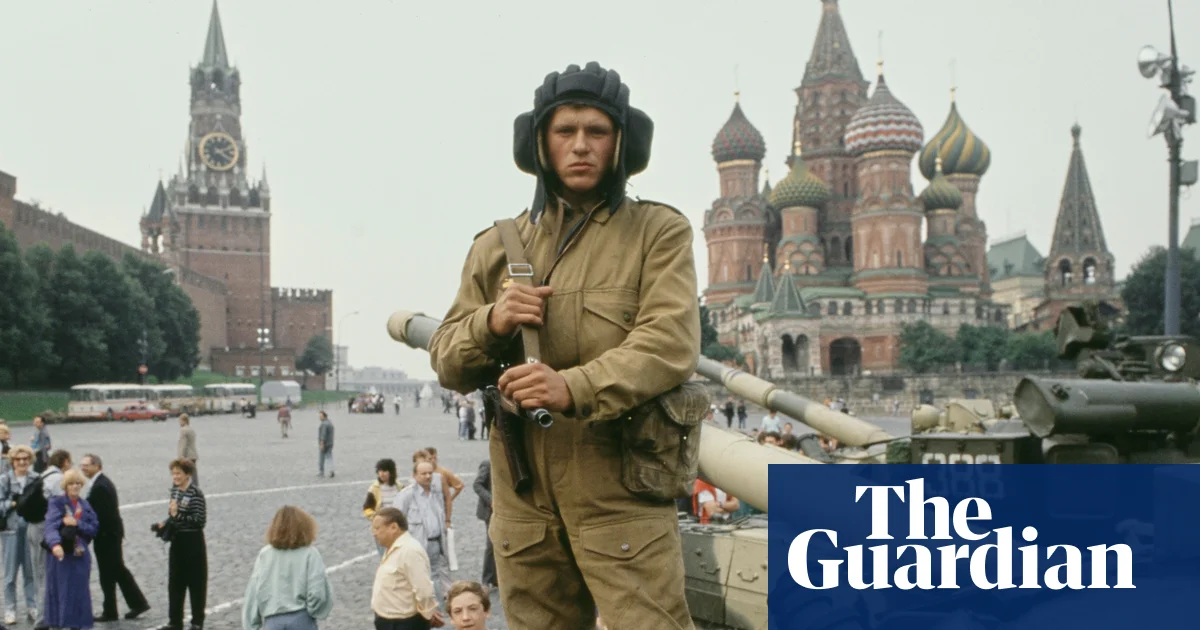
August is known as the “cursed month” in Russia, and with good reason. The August coup of 1991 led to the final downfall of the Soviet Union. I was the Economist’s newly arrived Moscow correspondent when the August financial crisis of 1998 broke. Russia defaulted on its debts and devalued the rouble. Most colleagues were on holiday. I was not.
A year later, the plot in Moscow that put Vladimir Putin in power took shape. An embattled Boris Yeltsin made Putin, then a political nobody, prime minister. A mysterious terrorist attack in Dagestan that month was the first in a string of staged atrocities blamed on Chechen terrorists. Putin’s tough response to these outrages made him a national hero.
In August 2000, the Kursk nuclear submarine sank, highlighting the new Russian leader’s KGB reflexes, notably his callous incompetence.
August 2008 brought the Georgian war, proving that Russia could attack other countries with impunity: a fatal lesson. Other Augusts have brought deadly floods and wildfires, plane crashes and other disasters.
As my New Yorker colleague Julia Joffe wrote in 2011, “every August, Russians wait for history, and they are rarely disappointed.”