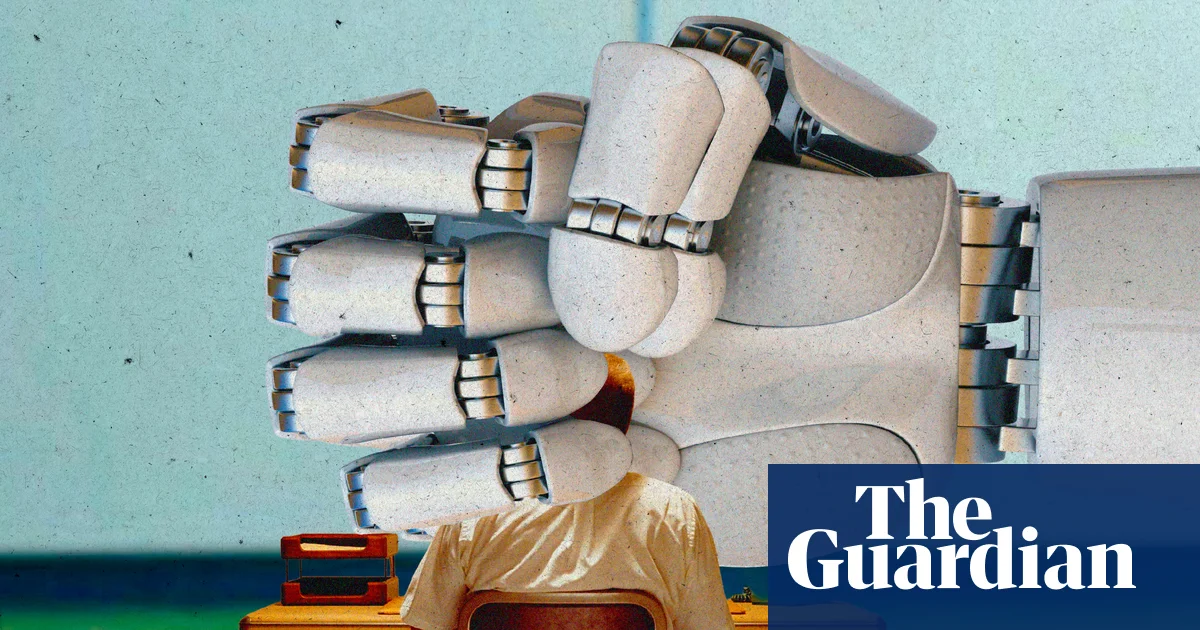
Good morning. Remember the AI jobs apocalypse? OpenAI’s Sam Altman and Dario Amodei of Anthropic both forecast it—and have since scaled back predictions. Meta CEO Mark Zuckerberg now expects net job growth and an “AI future for everyone.” Then there are folks like Vinod Khosla and Elon Musk, who predict people won’t need money or jobs, without telling us how this utopia/dystopia will come to pass.
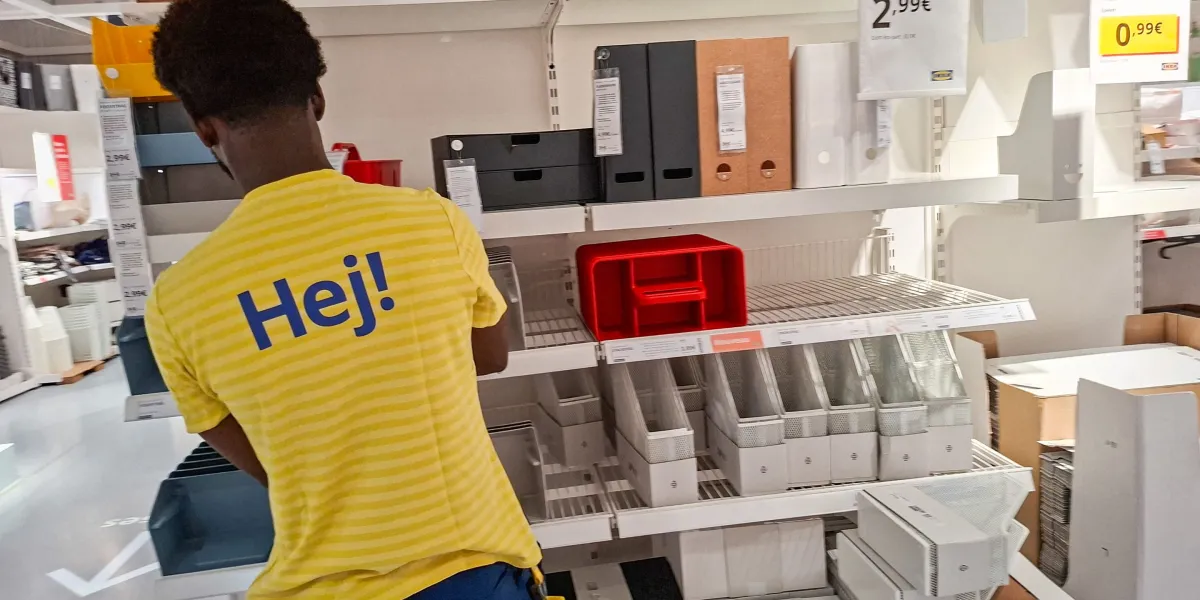
The reality thus far is that AI is reshaping roles rather than eliminating them. My colleague Claire Zillman just wrote about how Ikea is reskilling its workforce. It’s been five years since Ikea launched the AI-powered customer service bot Billie that now assists three-quarters of customers who come to it with queries. Instead of laying off the call center workers whose jobs the bot had partly taken over, though, Ikea has retrained them. And now those centers have become the retailer’s fastest-growing sales channel over the past three years, with year-on-year growth of between 15% and 20% annually.
It’s a story that I’m hearing more in my conversations with leaders. Last week, my colleague Sheryl Estrada and I co-hosted a dinner for CFOs in partnership with IBM. Throughout the wide-ranging conversation, it became clear that these finance leaders—who arguably should be motivated to keep headcount down in volatile times—are thinking about AI as a driver of productivity, growth, and engagement. Their challenge is getting colleagues to use the tools more often, to get over the fear that AI is there to one day replace them.