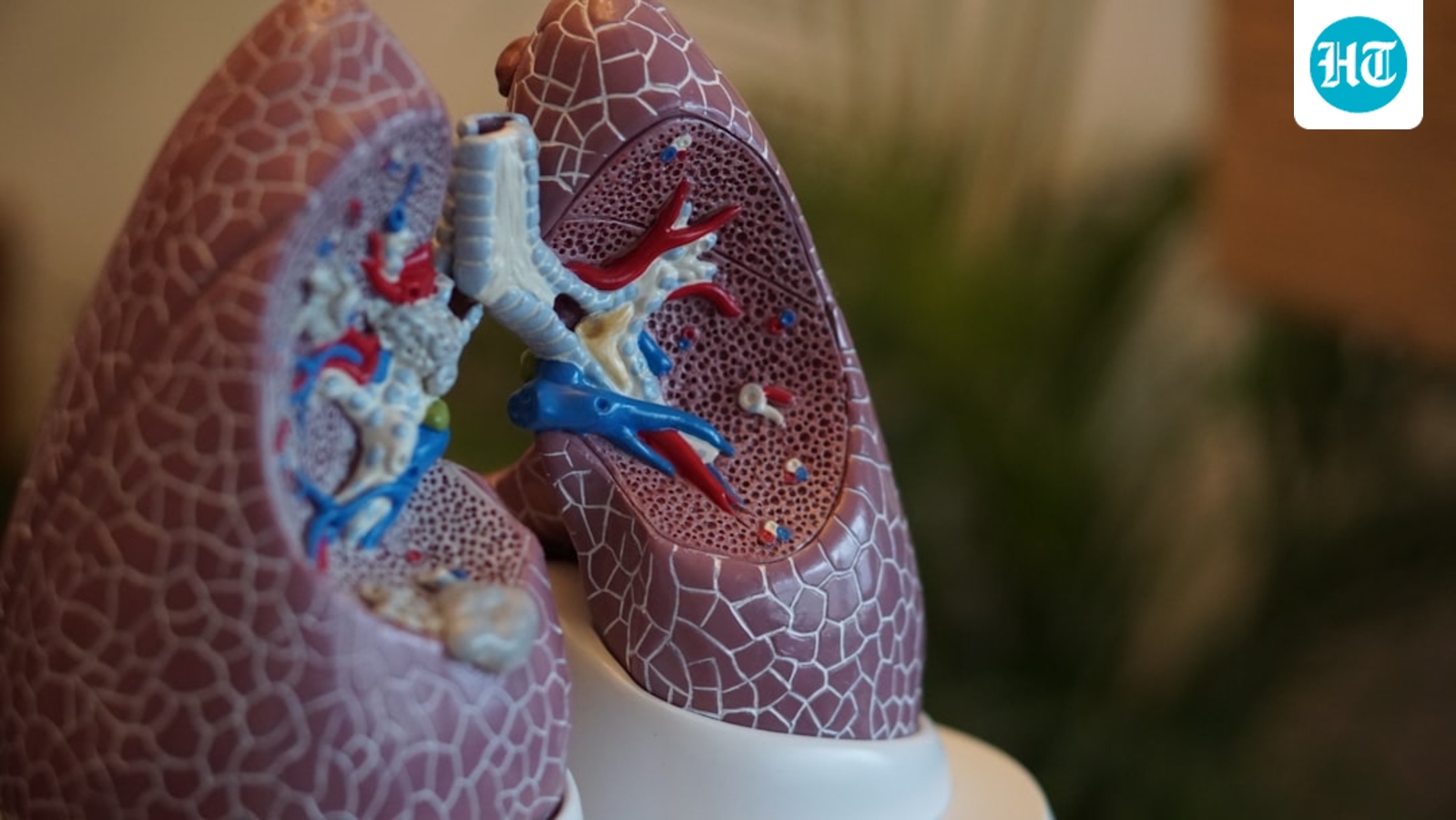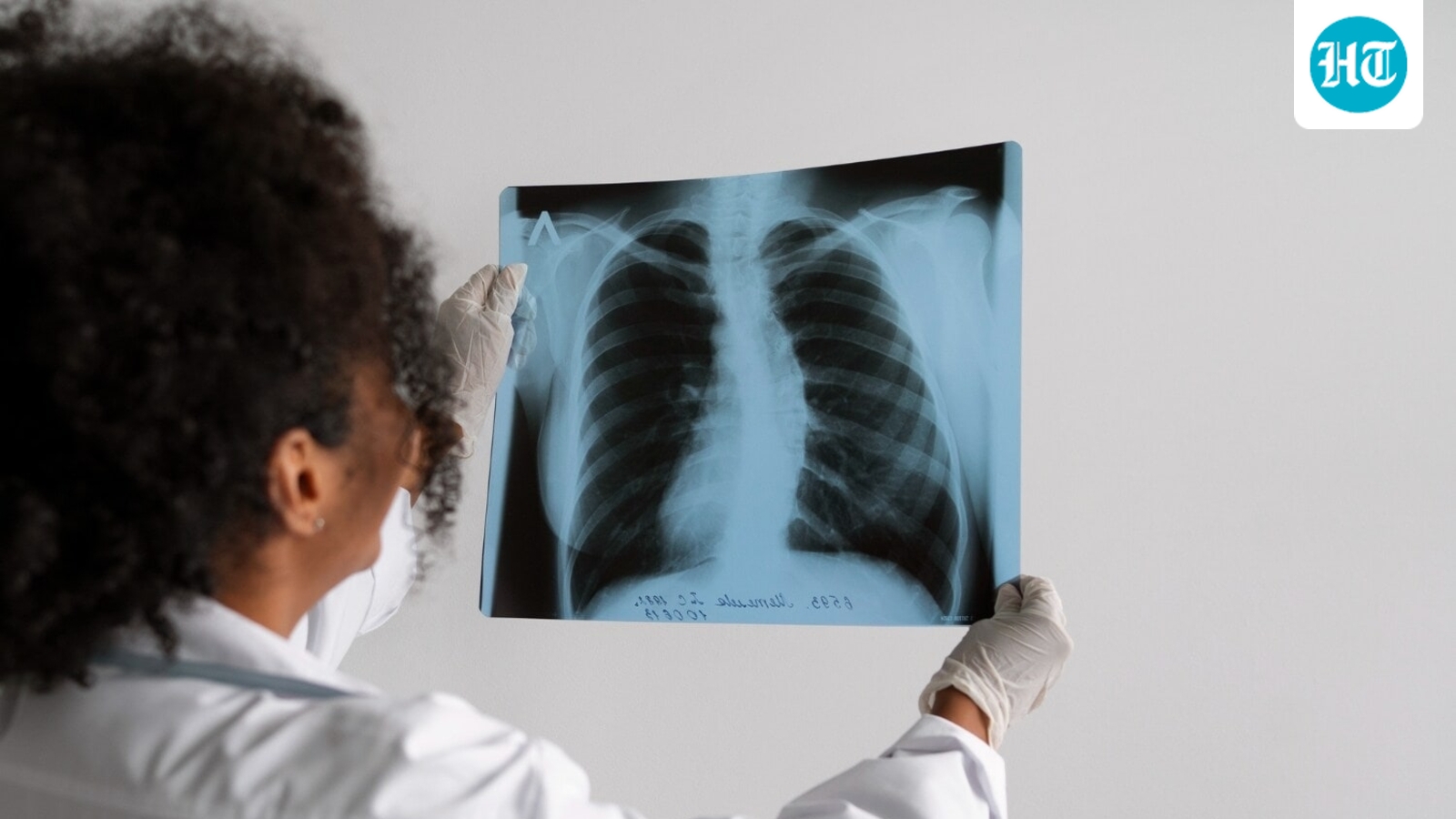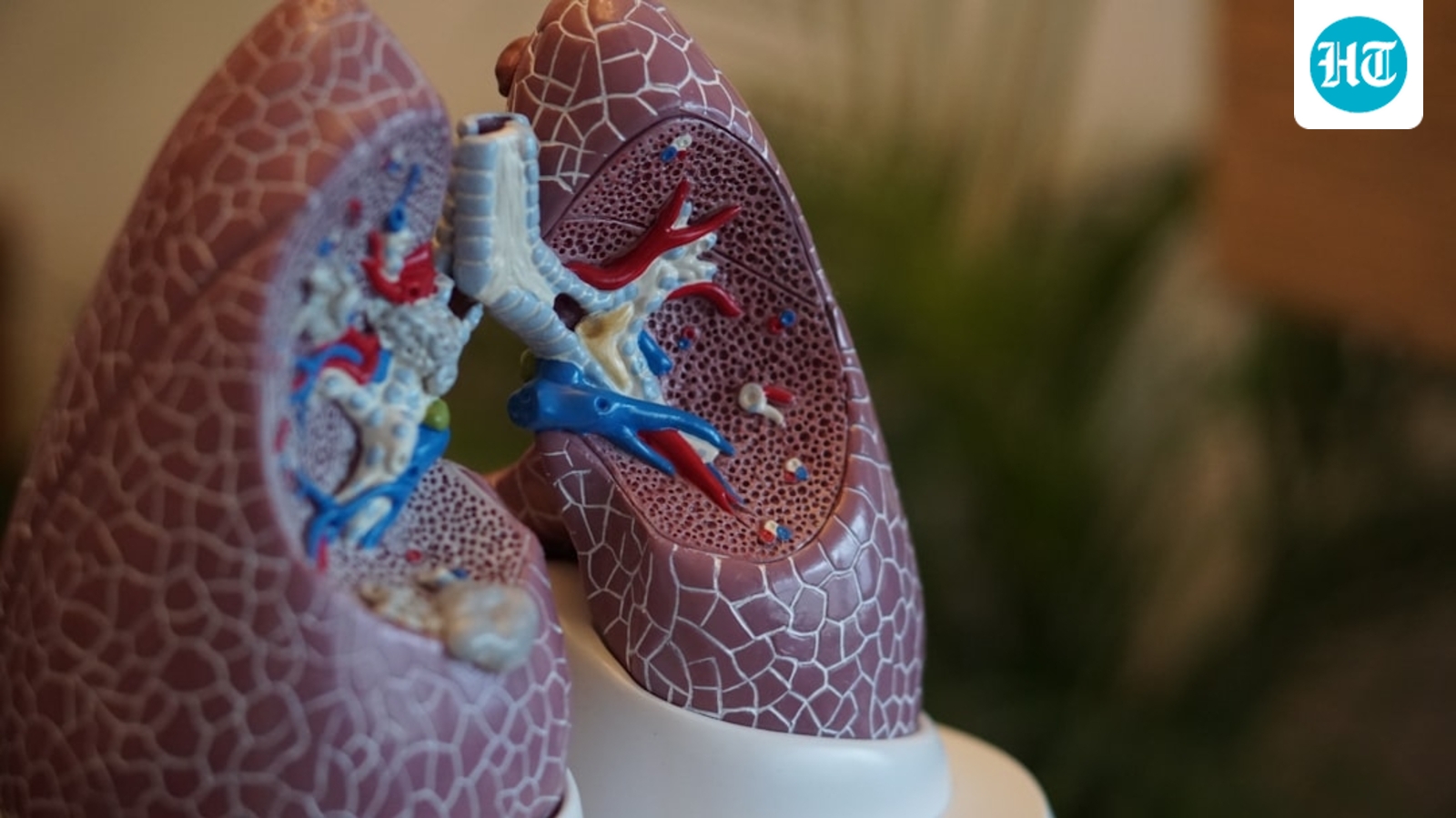
How lung cancer develops and the warning signs to watch for. (Unsplash) Lung cancer doesn't always show obvious signs. Pulmonologist Dr Apar Jindal explains how the disease progresses.Cough is one of the most common reasons people visit a doctor. Most coughs are harmless and settle within a few days or weeks. But what if the cough refuses to go away? Could it be a warning sign of something more serious? Dr Apar Jindal, director, pulmonology and transplant physician, Max Smart Hospital, Saket, shared warning signs of lung cancer.Also read | Oncoplastic surgeon shares why breast cancer is rising among younger women and the early signs we often overlookEarly signs of lung cancerDr Apar Jindal highlighted that lung cancer often begins quietly. In its early stages, it may cause no symptoms at all, or only a mild cough that is easily mistaken for a lingering infection or the effects of smoking, or, at best, an allergy. Unfortunately, this is one of the reasons many patients are diagnosed only after the disease has advanced.“A cough that lasts for more than three weeks, changes in nature, or is associated with blood-stained sputum should never be ignored,” said Dr Jindal. It is usually indicative of chronic conditions such as Tuberculosis, lung cancer, or other chronic lung diseases like Interstitial Lung Disease (ILD).A cough that lasts for more than three weeks, changes in nature, or is associated with blood-stained sputum should never be ignored. (Pexel)According to Dr Apar Jindal, other warning signs include increasing breathlessness, chest pain, recurrent chest infections, wheezing, unexplained weight loss, loss of appetite, persistent fatigue, or a hoarse voice. While these symptoms do not always indicate lung cancer, they certainly warrant a thorough medical evaluation.Causes of lung cancerContrary to popular belief, lung cancer is not confined to smokers. Although tobacco remains the leading cause, many patients diagnosed with lung cancer have never smoked. Exposure to second-hand smoke, air pollution, occupational dust and chemicals, toxic gas fumes, and genetic susceptibility can all contribute to the development of the disease.The advances in diagnostic techniques have made it possible to detect lung cancer much earlier than before. (Pexel)Treatment of lung cancerDr Apar Jindal highlighted that the advances in diagnostic techniques have made it possible to detect lung cancer much earlier than before. A detailed medical history, clinical examination, chest imaging, and CT scan are the first steps. If an abnormality is detected, procedures such as bronchoscopy, EBUS, or image-guided biopsy help establish the diagnosis. Molecular testing now allows doctors to identify specific genetic alterations, enabling highly personalized treatment.Treatment options have also undergone a revolution. Depending on the stage of the disease, patients today may benefit from minimally invasive surgery, advanced radiation therapy, chemotherapy, targeted therapy, immunotherapy, or a combination of these approaches. For many patients diagnosed early, a cure is an achievable goal, and moreover, oral outpatient therapy is a possibility for many patients.Note to readers: This article is for informational purposes only and not a substitute for professional medical advice. Always seek the advice of your doctor with any questions about a medical condition.Anukriti Srivastava thrives at the intersection of words and voice, where journalism meets storytelling. A digital editor and journalist with over 5 years of experience, she has written across lifestyle, women issues, relationships, entertainment, fashion, and travel. She did her Masters in Broadcast Journalism and has published more than 500+ lifestyle content pieces across platforms.
Persistent cough, chest pain, or breathlessness? Pulmonologist explains when these could signal lung cancer
Lung cancer doesn't always show obvious signs. Pulmonologist Dr Apar Jindal explains how the disease progresses. | Health
762 words~3 min read