The conflict, now in its sixth month, halted most shipping through the Strait of Hormuz, a narrow waterway that previously served as a delivery route for a fifth of the world's oil and natural gas. With global supplies constrained, prices for Brent crude, the international standard, soared from about $70 (€60.20) to above $100 (€86.00) a barrel for much of March, April and May, and at one point reached $126 (€108.36).
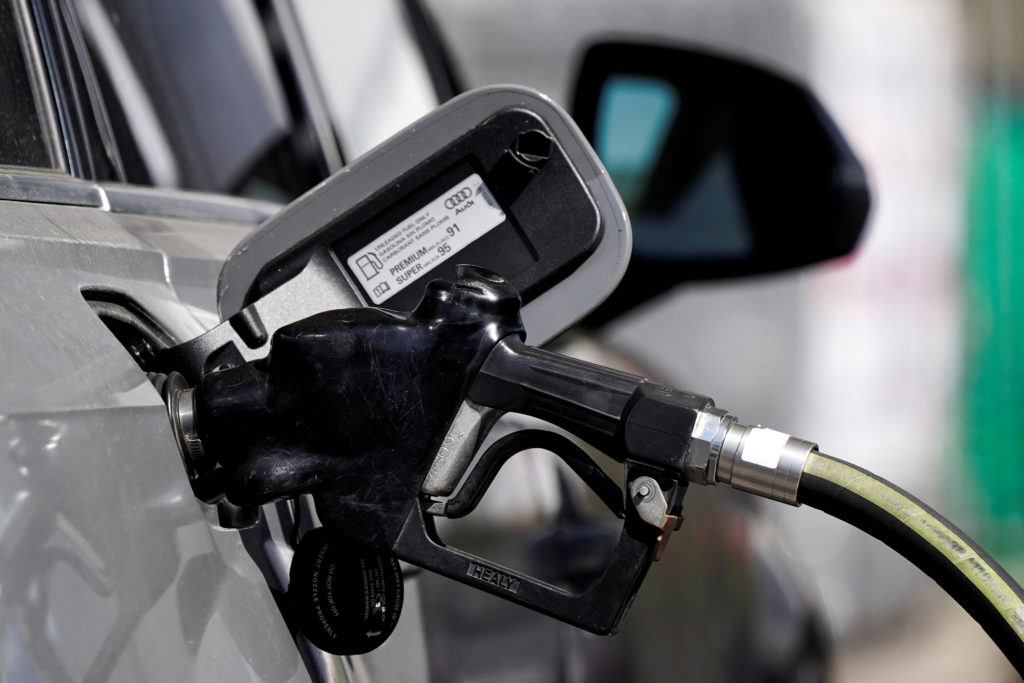
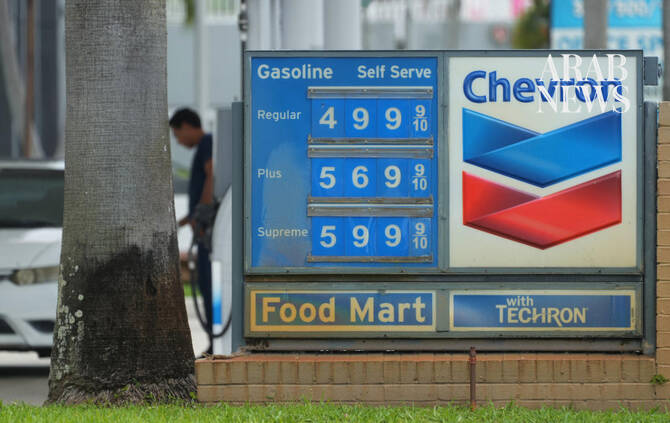
The money that oil companies accrued between the beginning of April and the end of June could receive extra scrutiny this year. Petrol, diesel and jet fuel prices climbed sharply during that period, increasing costs for drivers and air passengers. Supplies ran low in some countries, leading to sporadic fuel rationing in Australia and government office closures in Nepal and Sri Lanka.
Exxon Mobil on Friday reported that its second-quarter profits doubled to $14.53 billion (€12.50 billion), boosted by record diesel production. The oil giant, based in Spring, Texas, generated $116.02 billion (€99.78 billion) in revenue, up 42%.
Chevron, based in Houston, nearly quadrupled its profits to $12.07 billion (€10.38 billion) and revenue jumped 56% to $70.06 billion (€60.25 billion).