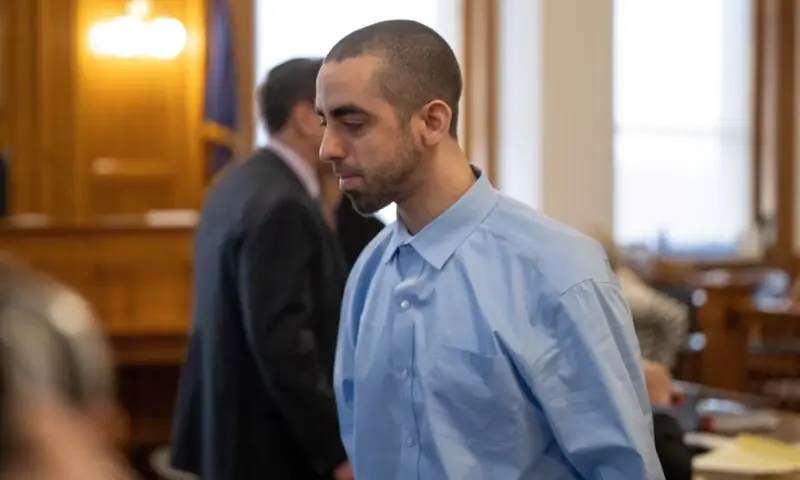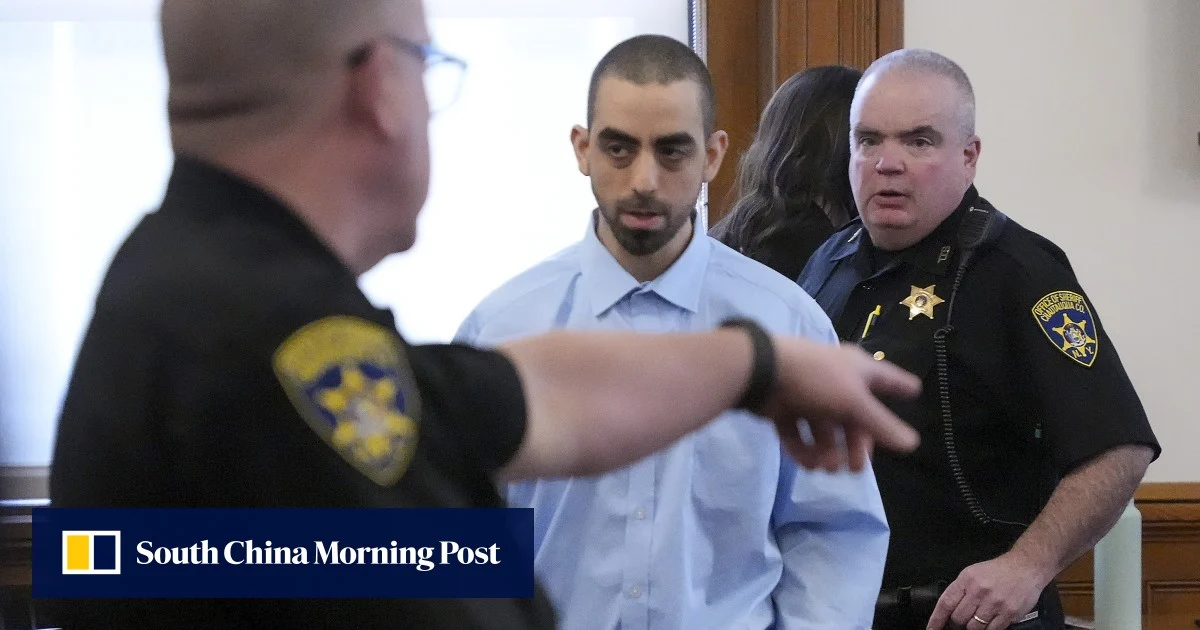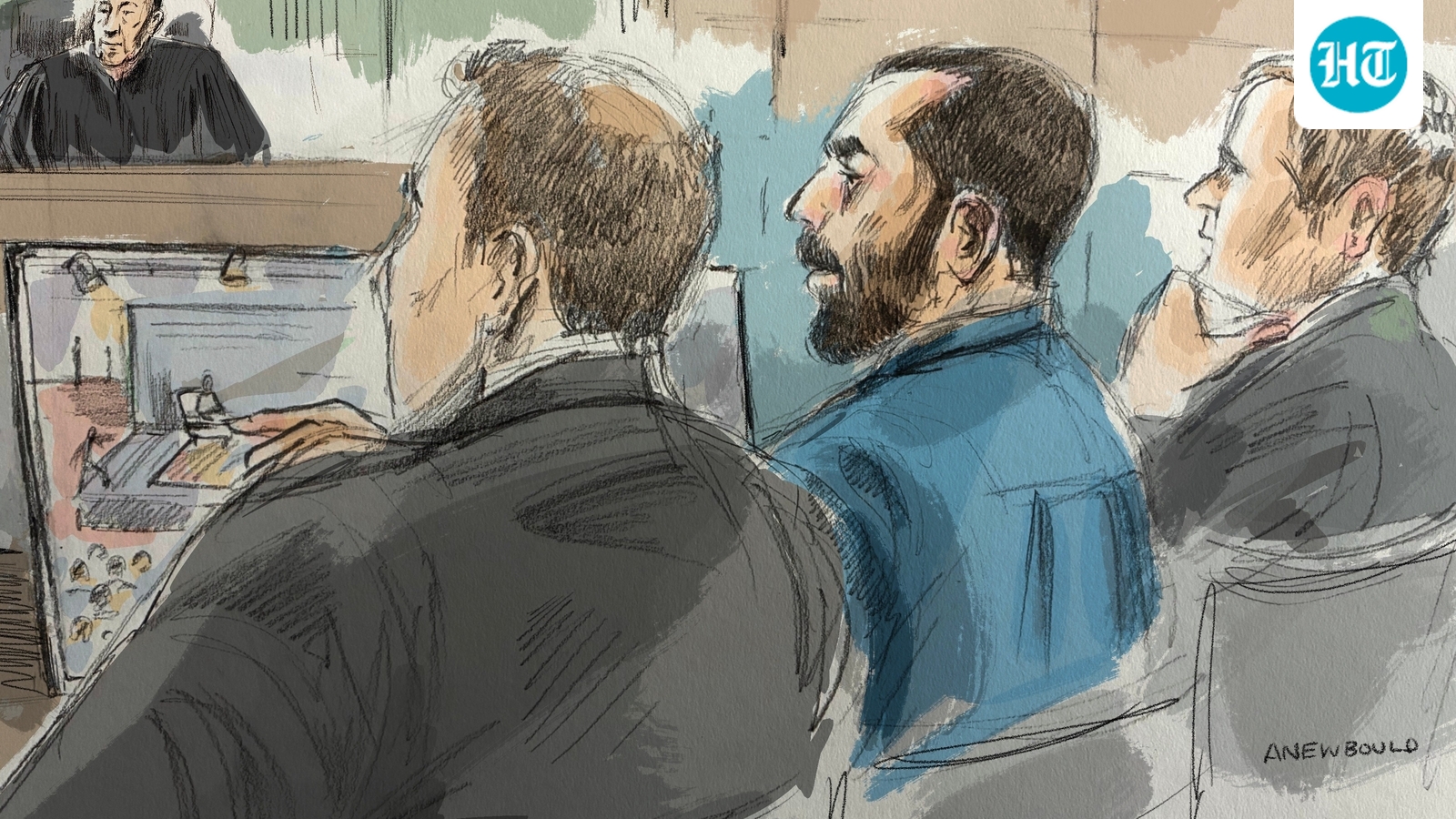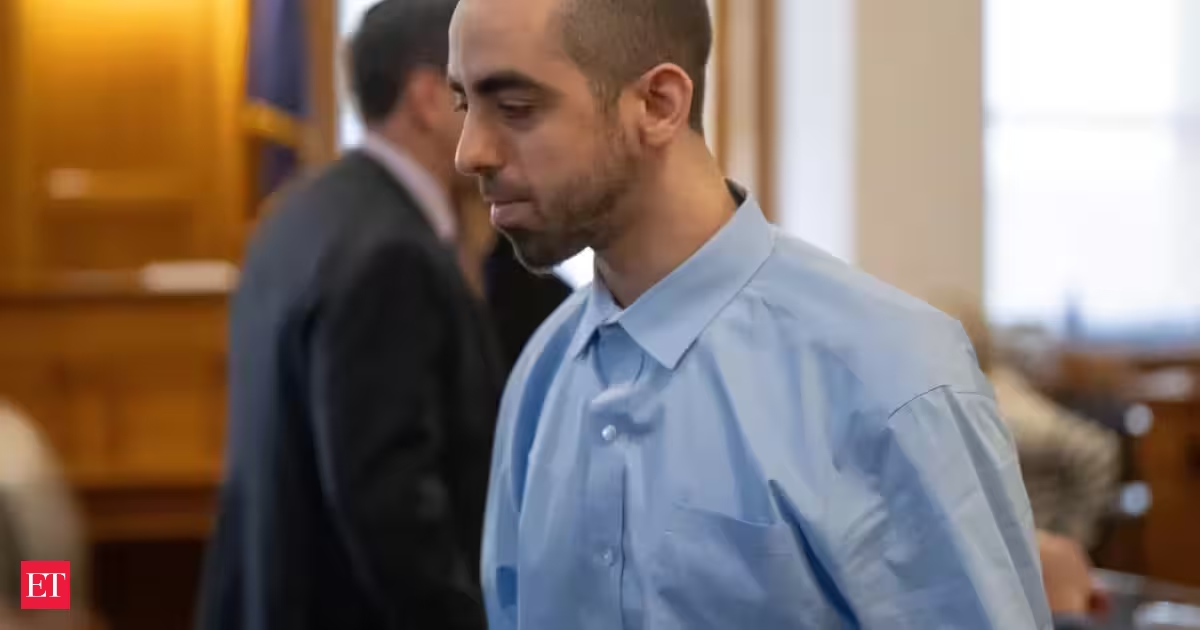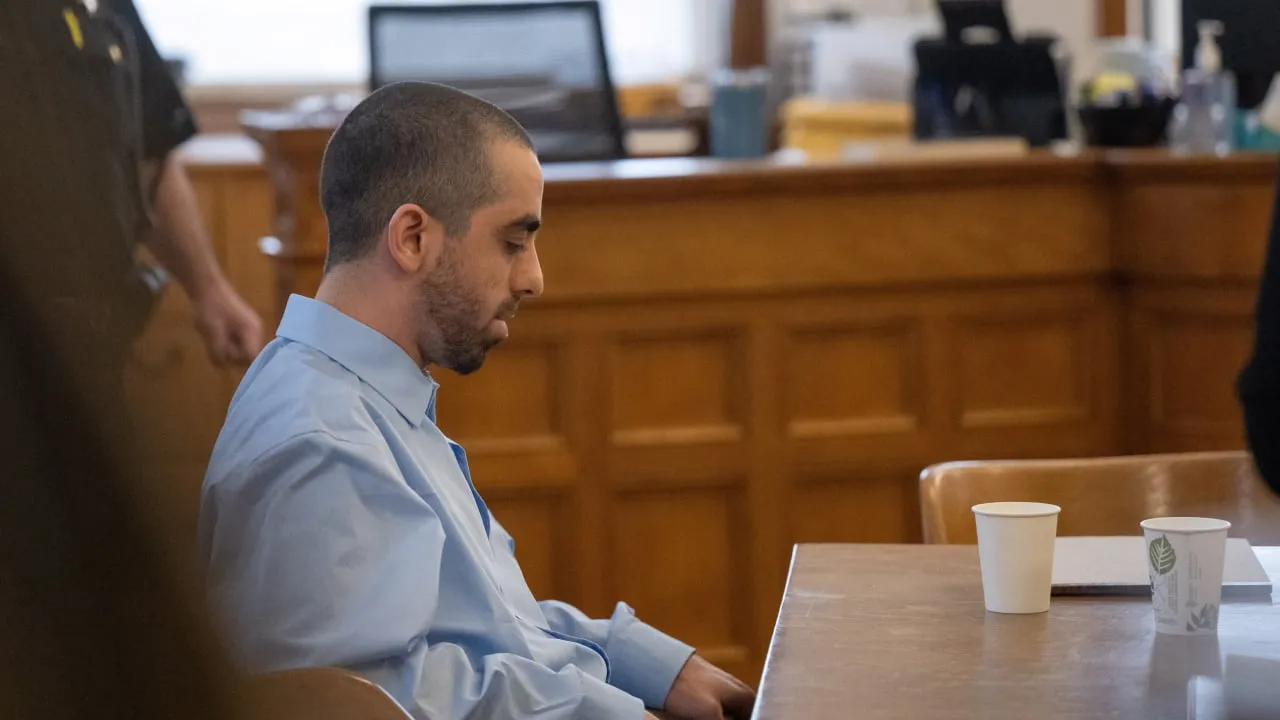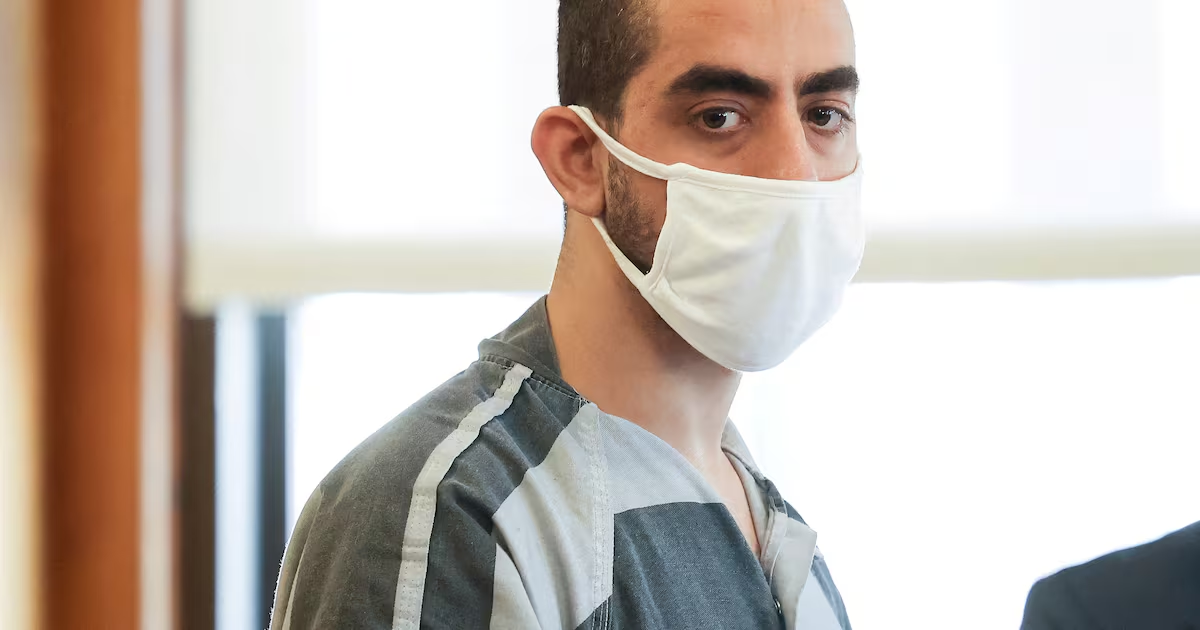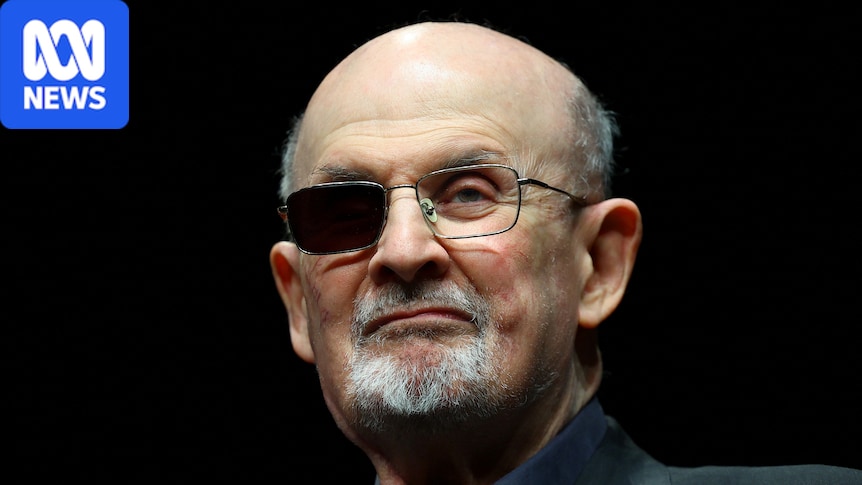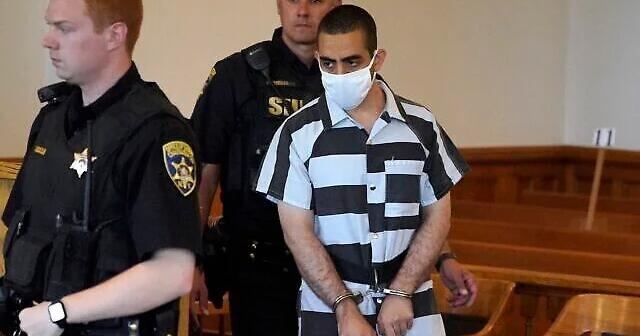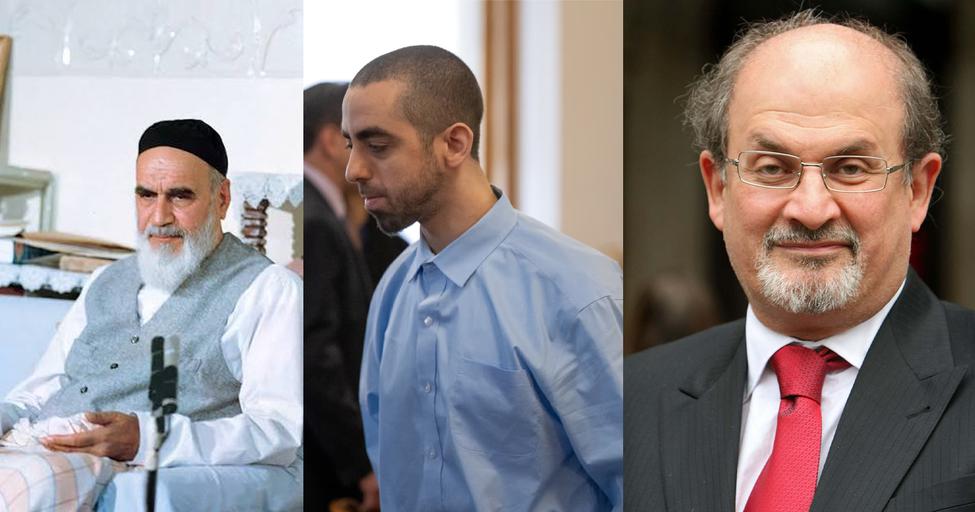
On Wednesday, July 29, Hadi Matar, the 28-year-old Lebanese-American citizen who attacked world-renowned author Salman Rushdie, was found guilty of all terrorism-related charges by a federal jury in Buffalo, New York. Matar, who had previously been sentenced in May 2025 by a New York state court to 25 years in prison for attempted murder, now faces the likelihood of spending the remainder of his life behind bars.
The trajectory of Matar’s life, however, was set long before his birth. In February 1989, months before his death, Ruhollah Khomeini, the founder of the Islamic Republic of Iran, issued a religious edict, or fatwa, calling for Rushdie’s execution on charges of apostasy.
According to investigative reports, Matar’s father maintains close ties to Hezbollah, the Iranian-backed Lebanese group designated as a Foreign Terrorist Organization by the United States since October 1997. Although he was raised in New Jersey, Matar made repeated trips to southern Lebanon in the years preceding the attack.
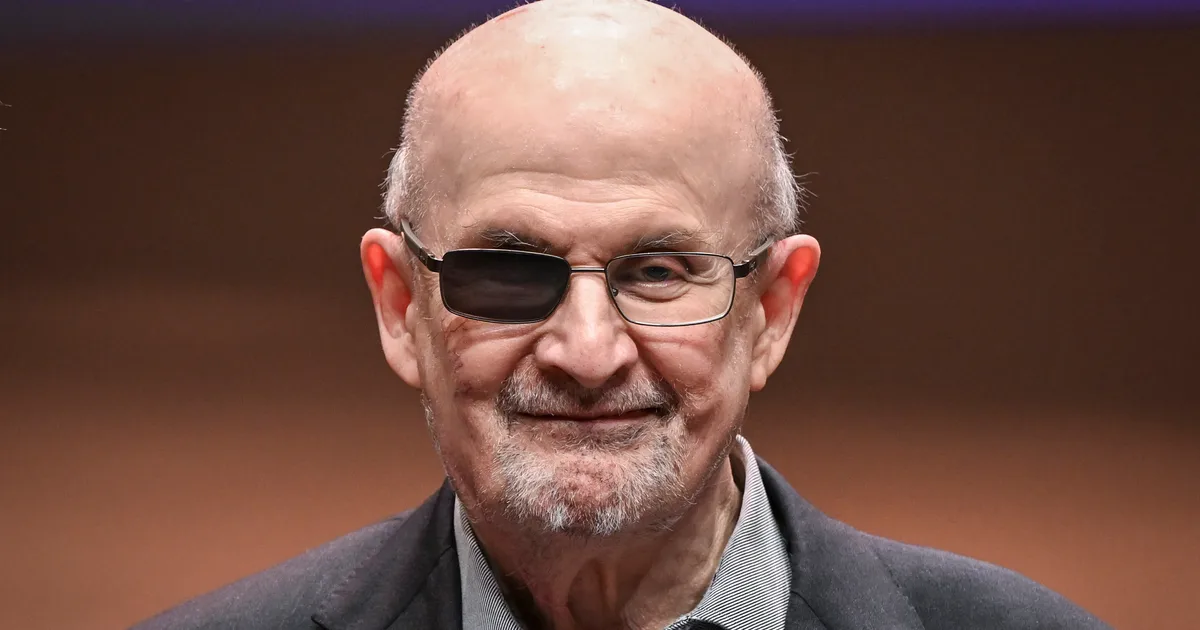
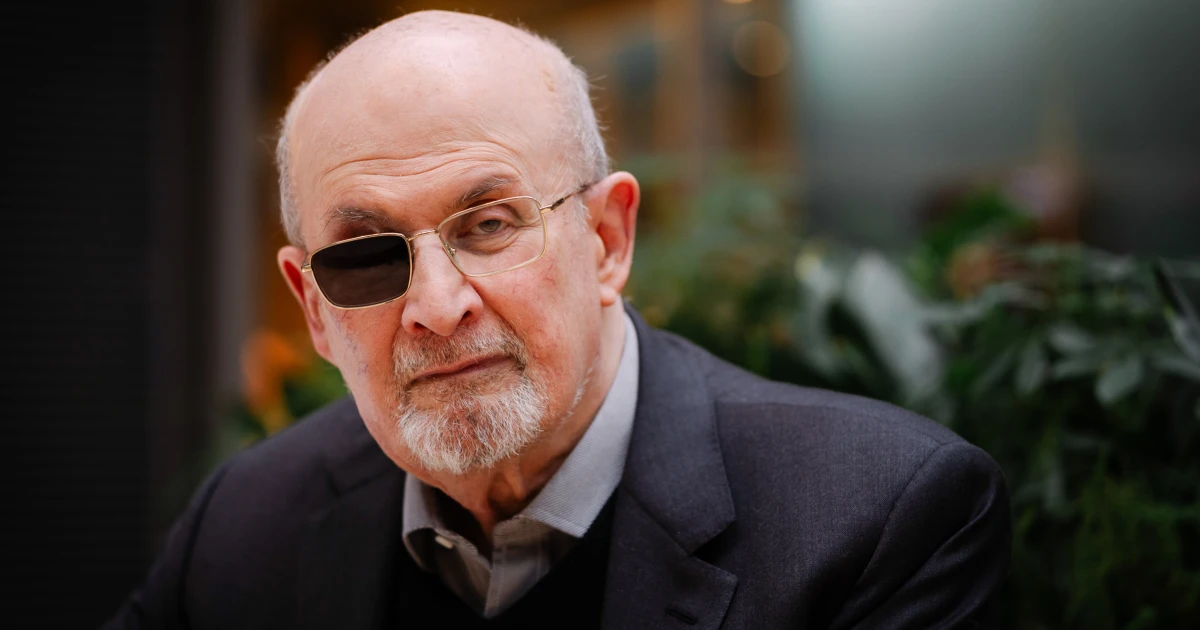
US federal prosecutors proved that Matar acted explicitly to carry out Khomeini’s fatwa. In a frenzied 30-second assault, he inflicted 15 knife wounds on Rushdie’s right eye, face, neck, chest, abdomen, and arms. Although Rushdie survived after months of intensive medical treatment, the attack left him permanently blind in his right eye, severed nerve function in one hand, and caused severe damage to his internal organs.