Deanne Fitzmaurice for NPR
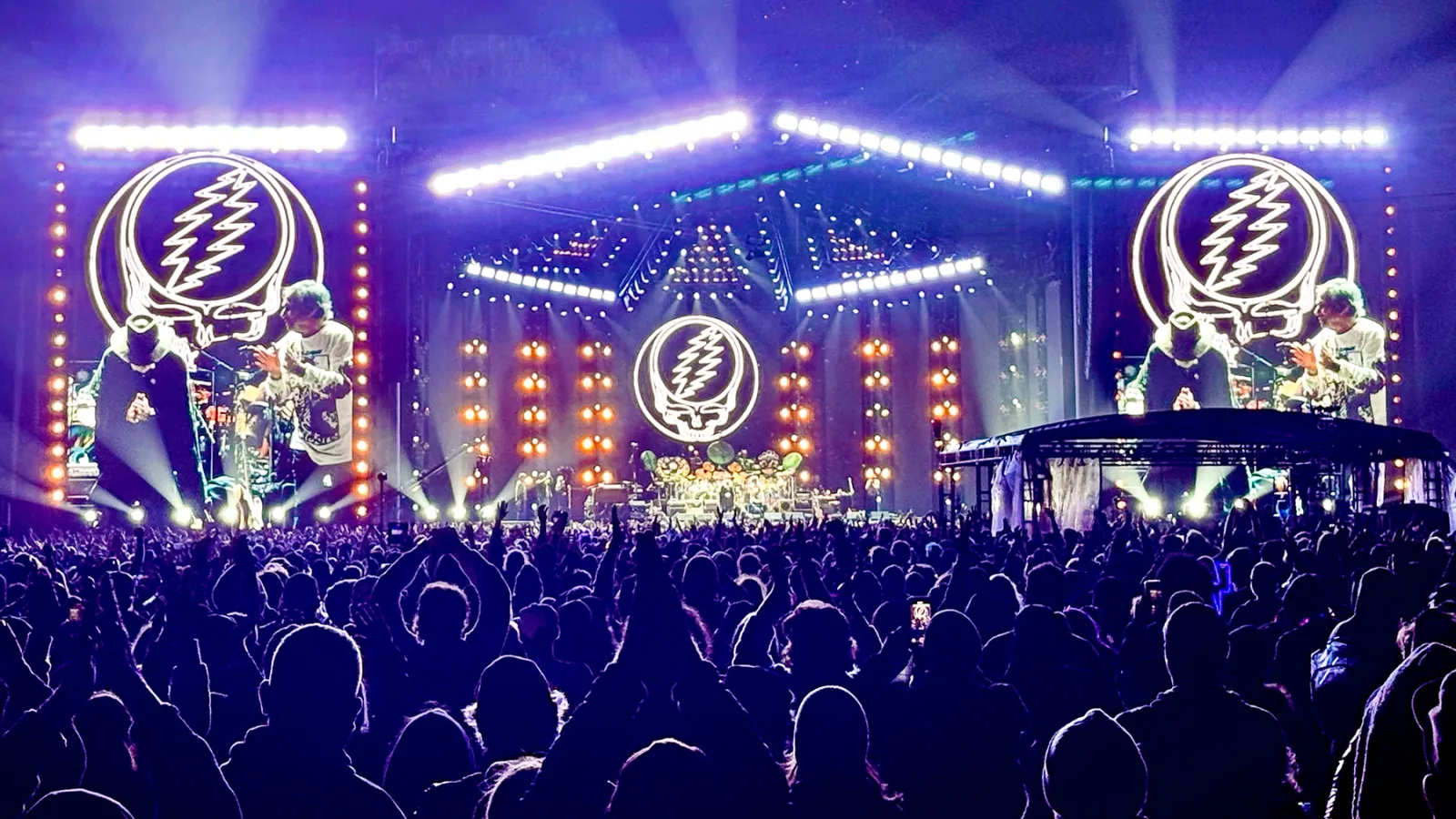
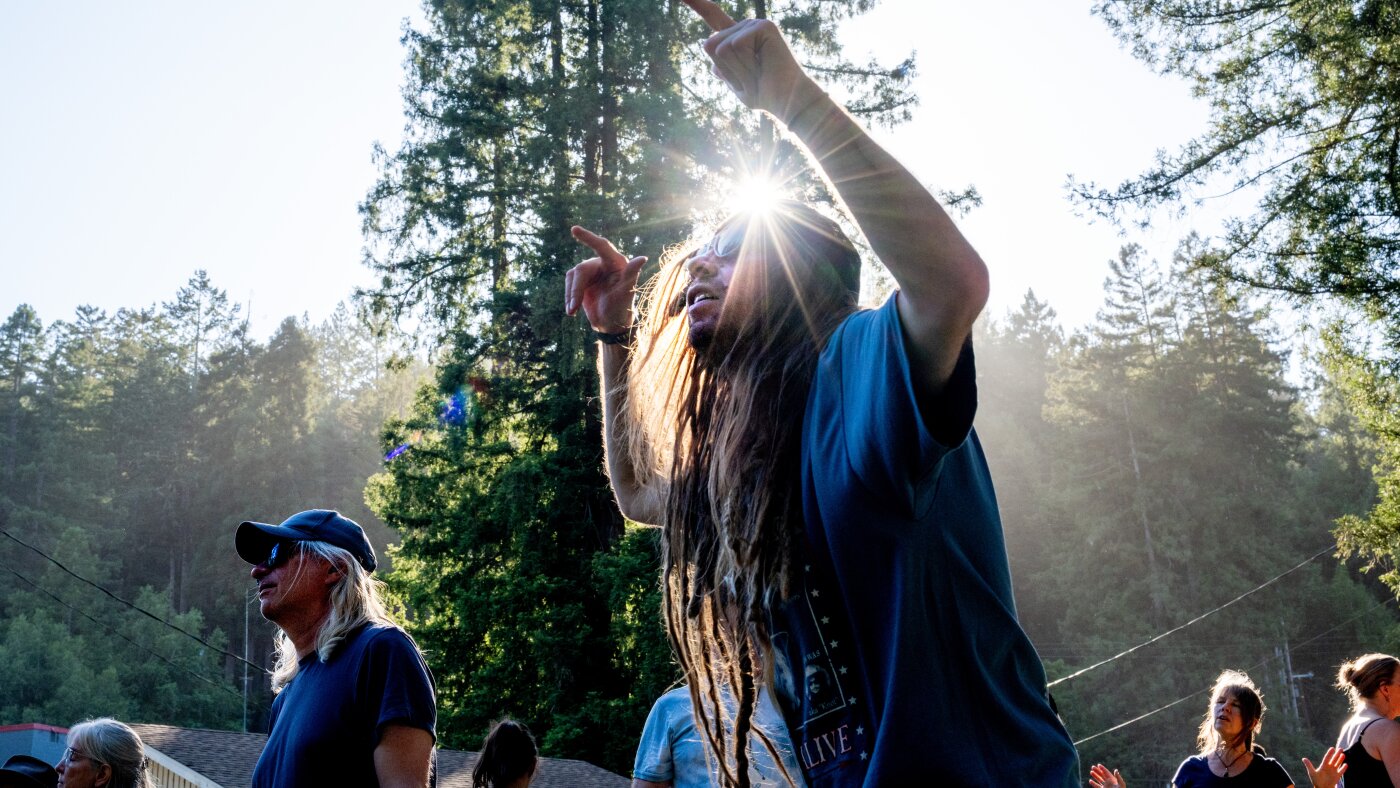
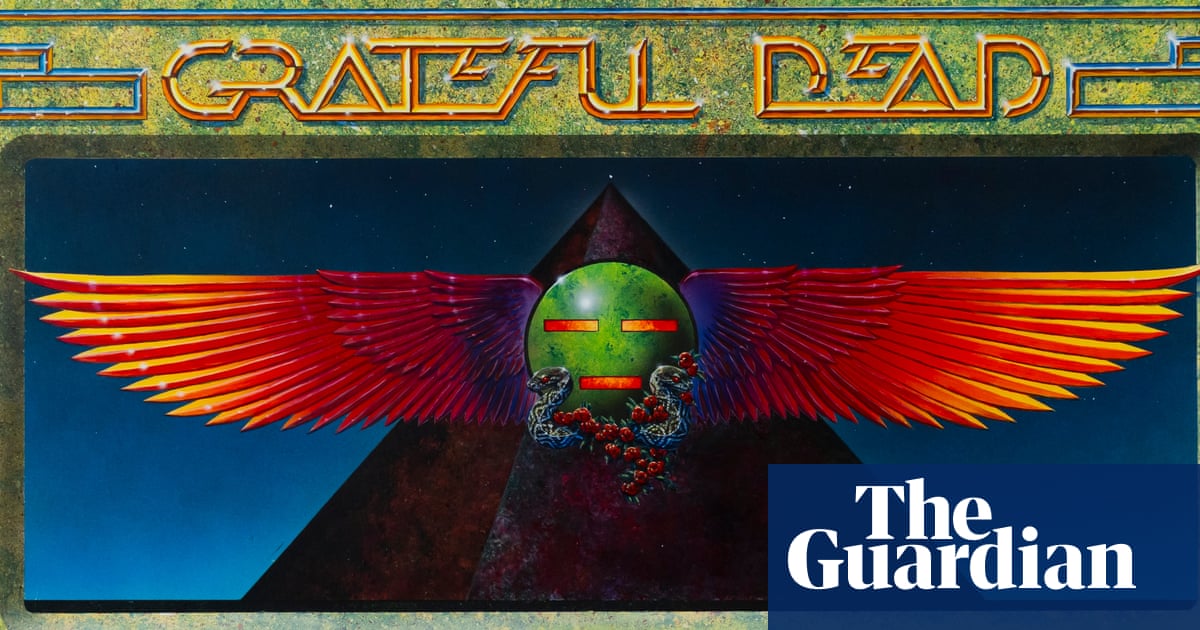
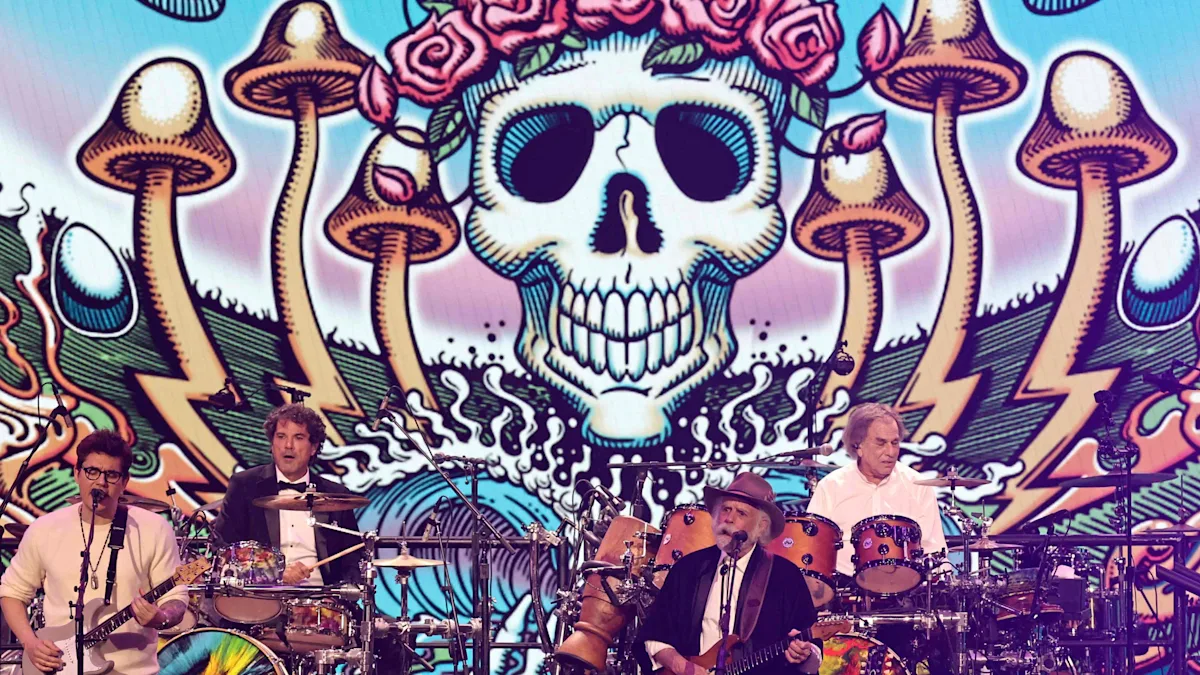
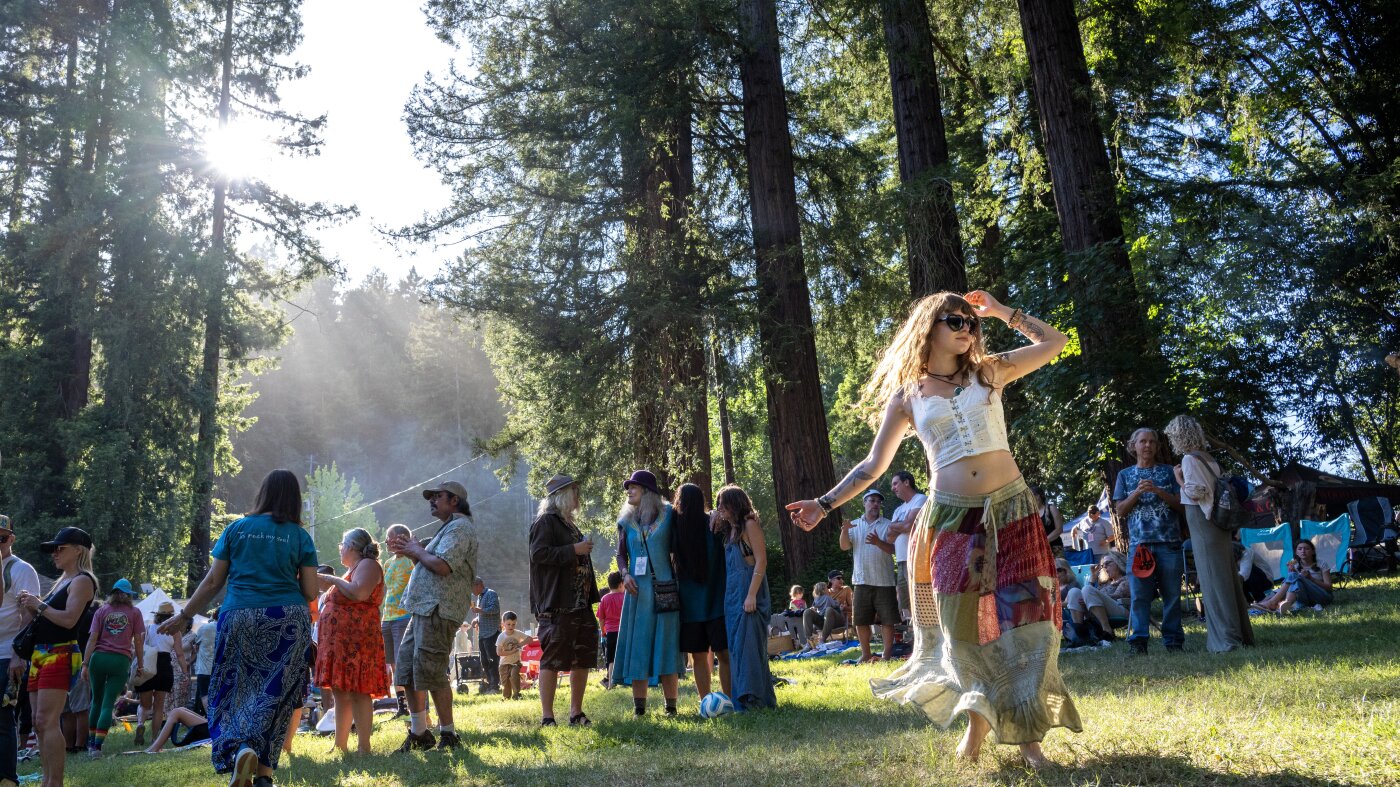
During this year's Days Between — from August 1 and August 9 — NPR Music is publishing a series of stories about what keeps drawing people to the Grateful Dead, and how they plan to carry the band's legacy forward. Bob Weir believed that the songs of the Grateful Dead had a life of their own. "It's my firm belief that these songs are visitors, that they're living critters," the band's co-founder and rhythm guitarist told NPR in 2022. "They're visitors from another world, another dimension or whatever you want to call it, that come through the artists to visit this world, have a look around, tell their stories."
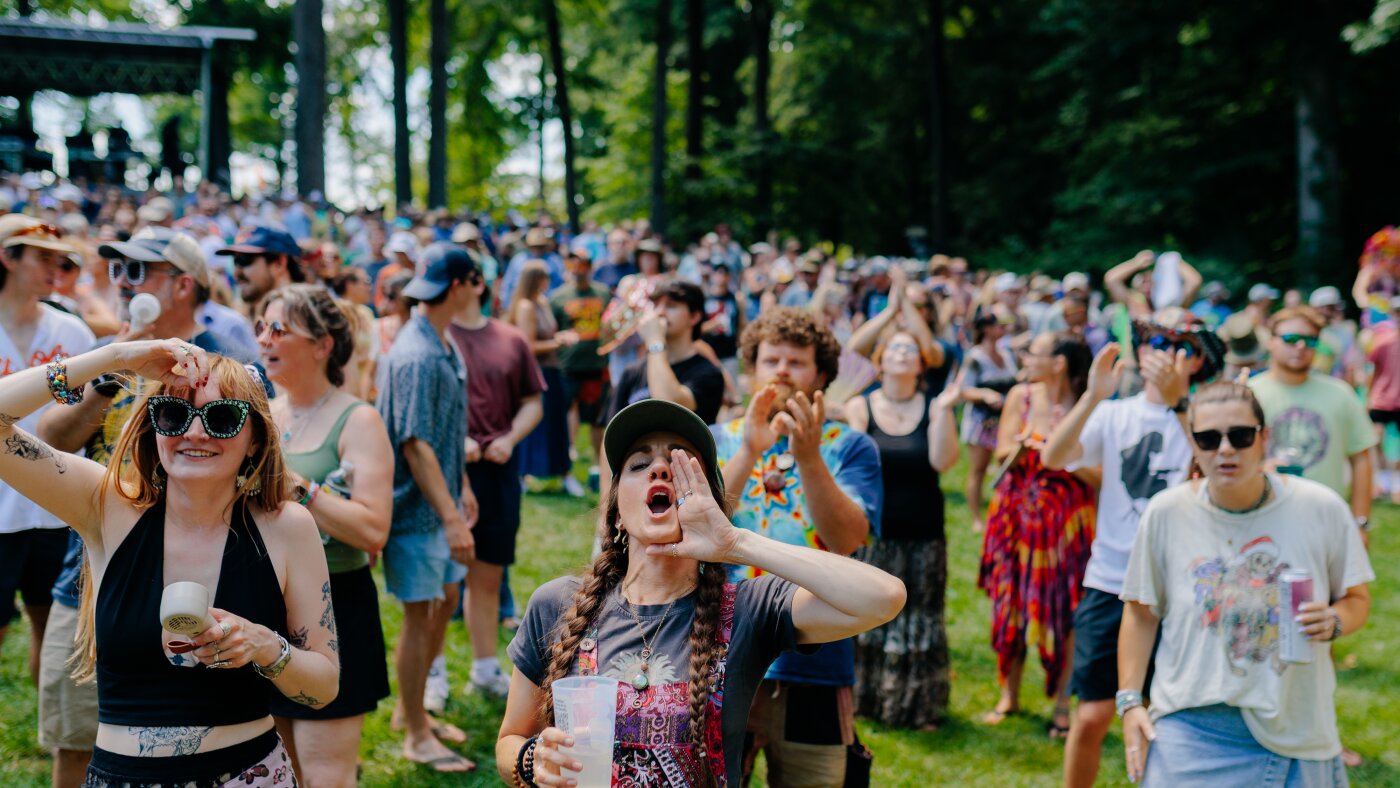
Weir described his philosophy as "hippie metaphysics" and his notion that the Grateful Dead acted as a vessel for the music, rather than its starting point, helps explain the band's longevity. The Grateful Dead endured an original run of 30 years, and by this point, its appeal has survived just as long in a world where the band itself no longer exists. The Dead's legacy is one that came to be defined, broadly, by collective ownership and responsibility — a sprawling, decentralized network of musicians, dancers and tapers (more on that later) that were all literally playing in the band, as the song goes. It's no wonder, then, that Weir always pictured the Dead's "critters" sticking around far longer than anybody on stage.