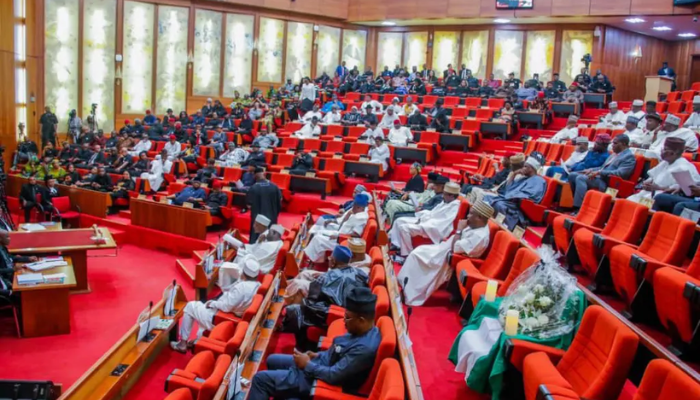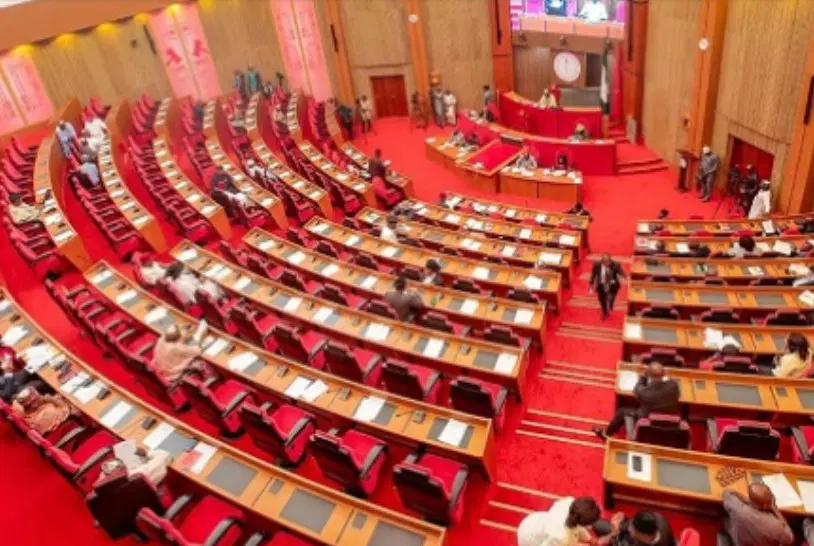
Senate’s amendment of the Federal Road Safety Corps Act has triggered nationwide debate, with controversy centring on claims that it seeks to ban street preaching. While lawmakers insist the legislation merely retains an existing provision and strengthens road safety enforcement, the episode highlights broader questions about legislative communication, proportionality of penalties and effective traffic governance. Sunday Aborisade reports.
The controversy that greeted the Senate’s consideration of the Federal Road Safety Corps (FRSC) (Amendment) Bill, 2026, illustrates how public perception can sometimes overtake legislative reality.
Within hours of reports that the National Assembly had approved stiffer sanctions for traffic offences, social media platforms became awash with claims that lawmakers had moved to criminalise street preaching across Nigeria.
The reaction was swift. Religious organisations, civil society groups and many citizens questioned what they believed was an attempt to restrict constitutionally guaranteed freedoms.
The narrative gathered momentum before the Senate eventually issued a formal clarification, insisting that the widely circulated interpretation of the bill did not reflect its actual contents.