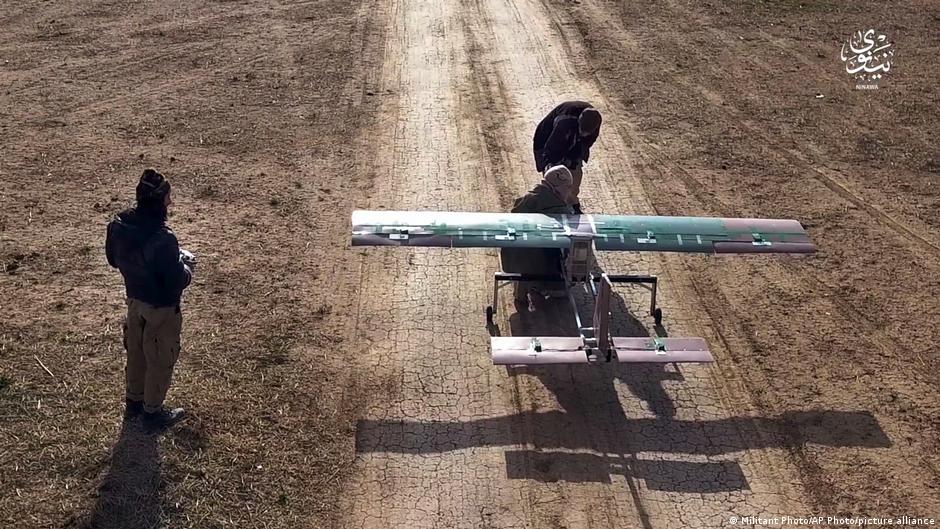
Over hours of interviews with former Boko Haram members, Cambridge researcher Antonia Juelich gained insight into how terrorist groups are using artificial intelligence.“Trial and error can kill you. AI gives you accuracy,” one former fighter told her.The interviews, conducted in 2025 and 2026, explored who introduced militants to AI tools, how they incorporated the technology into daily operations, and how they worked around safeguards intended to prevent misuse.
Juelich’s findings suggest extremist organizations have already moved beyond simply experimenting with AI. Instead, she found the technology becoming embedded in routine operations as a general-purpose tool to solve problems, improve efficiency, and overcome logistical obstacles.“What surprised me the most was that AI adoption and use has been faster, more extensive, and more systematic than I thought,” Juelich told the Washington Examiner. “AI misuse by terrorist groups is no longer some kind of hypothetical future threat, but a present and growing reality.”Much of the public discussion around AI and terrorism has focused on catastrophic scenarios, such as terrorists using AI to develop chemical or biological weapons. Juelich argued that this emphasis overlooks how extremist groups are actually adopting the technology.“There was very little evidence on what was happening on the ground,” she said. Existing research, she argued, has largely focused on what AI models are theoretically capable of rather than how terrorist organizations are using them in practice.Instead, she found AI functioning as an “operational assistant,” helping militants answer everyday questions, troubleshoot problems, and improve existing capabilities.“They really understood that it’s a general-purpose technology that they can use for any kind of questions that come up,” she said.That “operational middle ground” is where Juelich believes governments and AI companies should concentrate their attention. Juelich said her interviews demonstrate the need to better understand how AI is already helping extremist groups overcome routine operational challenges before those capabilities evolve into something more dangerous.An intelligence problem with no single solution