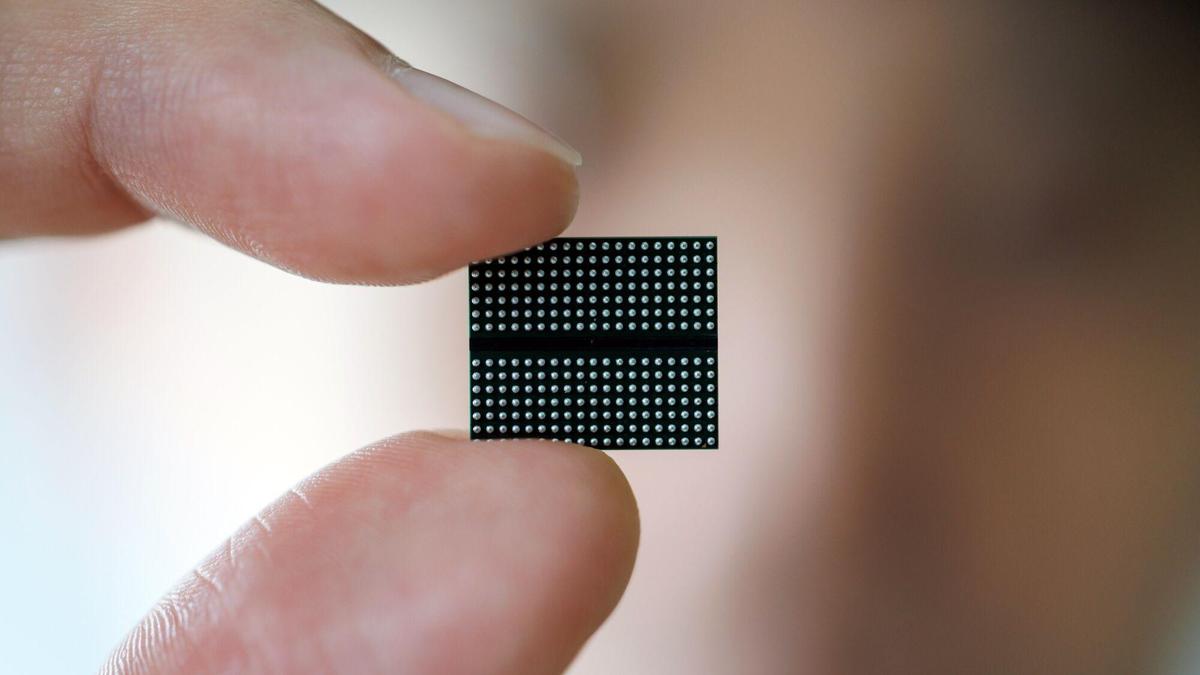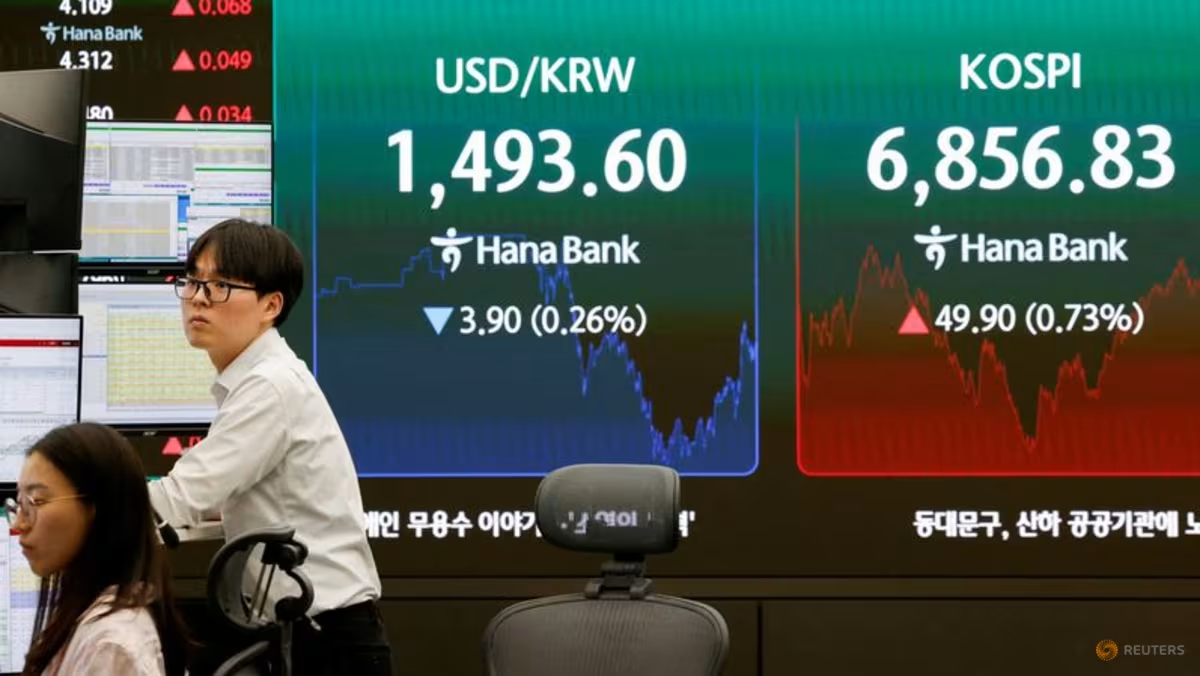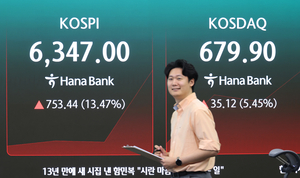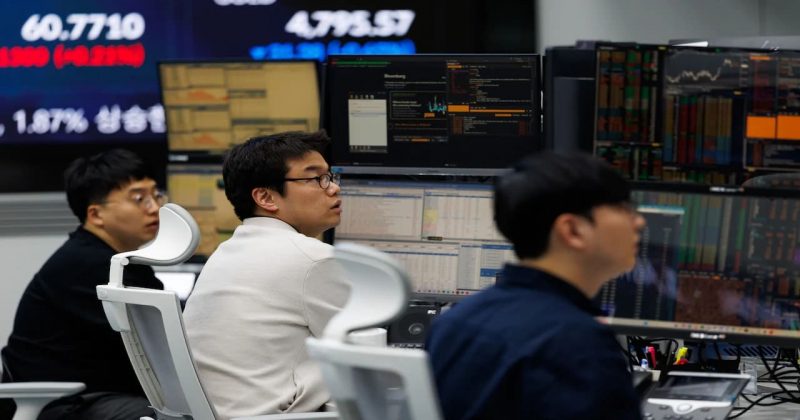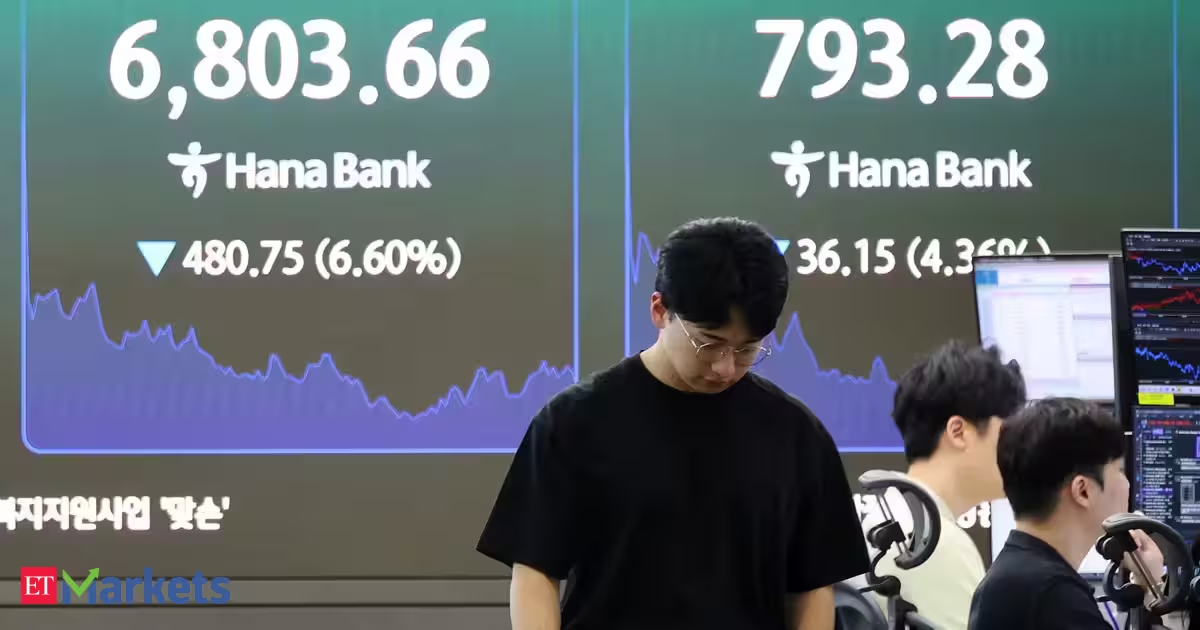
Global investors are beginning to rebuild confidence in South Korean equities after a turbulent July, with renewed interest in the country's leading semiconductor companies despite one of the sharpest market corrections in recent years. According to a Reuters report, market participants believe the worst of the leverage-driven selloff has passed, while the long-term growth outlook for major chipmakers remains intact.The shift in sentiment was evident on Friday when foreign investors purchased a record 7.2 trillion won (around $5 billion) worth of South Korean stocks in a single trading session. The buying spree more than doubled the previous daily record and marked a significant reversal after foreigners had remained net sellers of Korean equities throughout the year.Leverage Unwind Drives Market RecoveryReuters reported that analysts largely attribute the recent market collapse to excessive leverage rather than weakening corporate fundamentals. A rapid unwinding of leveraged positions, particularly through single-stock exchange-traded funds (ETFs) tied to semiconductor giants Samsung Electronics and SK Hynix, triggered widespread selling pressure across the market.Research by J.P. Morgan showed that assets in leveraged ETFs linked to Samsung Electronics and SK Hynix plunged from nearly $50 billion in late June to about $17 billion by last week, highlighting the scale of deleveraging.The market downturn was also intensified by forced selling from hedge fund Situational Awareness, Reuters reported. The liquidation pressure appears to have eased after Citadel acquired most of the fund's remaining equity portfolio.Chip Fundamentals Remain StrongDespite the sharp decline in share prices, investors continue to see robust long-term prospects for South Korea's semiconductor sector.Samsung Electronics shares nearly halved from their June peak to late-July lows even as the company reported a dramatic surge in semiconductor profits and maintained a positive outlook supported by strong demand from artificial intelligence infrastructure and data centres, according to Reuters.SK Hynix followed a similar trajectory, with both chipmakers staging a strong rebound during Friday's volatile trading session.Analysts believe the correction reflected technical market factors rather than deterioration in earnings or business performance.Global Emerging Market Funds Maintain ExposureData from analytics firm EPFR, cited by Reuters, showed that allocations to South Korean equities by active global emerging market funds had steadily increased over the past 18 months before leveling off in June as volatility intensified.J.P. Morgan strategists estimate that the deleveraging process is now largely complete, with hedge funds believed to have completed around 90% of their balance-sheet reductions. The bank noted that previous emerging-market corrections have historically been followed by strong recoveries, with median returns of roughly 28% over the following 12 months.Leveraged ETFs Under ScrutinyThe correction has reignited concerns over the rapid expansion of leveraged investment products in South Korea.Single-stock leveraged ETFs, introduced in May, significantly boosted trading activity during the market rally but also magnified losses once prices began falling. According to Reuters, the sharp volatility prompted criticism from both investors and policymakers.South Korean Finance Minister Koo Yun-cheol publicly apologized for the rollout of these products without sufficient safeguards, and authorities have since introduced measures aimed at tightening oversight of leveraged ETFs.Citi's trading strategies desk estimated that retail investors lost approximately $38.7 billion in leveraged ETF positions, adding to growing public dissatisfaction over the products.Short Positions Ease as Selling Pressure SubsidesSome institutional investors believe the most intense phase of the correction may be nearing its end. Reuters reported that average short interest in South Korean equities has fallen to around 4.3% from a recent peak of approximately 5.3%, according to S3 Partners data, indicating reduced bearish positioning.Several investors who had previously bet against South Korean and Japanese equities have reportedly closed their short positions after the recent market washout.Risks Remain Despite Improved SentimentAlthough foreign investors have returned aggressively, volatility continues to dominate the market. After Friday's record 17.9% rally in the KOSPI, the benchmark index dropped nearly 5% on Monday, underscoring lingering uncertainty.Nevertheless, Reuters reported that some global institutional investors are beginning to reassess South Korean equities, particularly large-cap technology stocks, as valuations become more attractive following the steep correction and the completion of much of the leverage-driven selling.
Global investors rebuild positions in South Korean stocks after volatile July
Global investors are returning to South Korean equities after a sharp leverage-driven selloff, with renewed buying in semiconductor stocks such as Samsung Electronics and SK Hynix. While volatility persists, easing deleveraging, lower short interest and resilient AI-driven chip demand are improving sentiment toward the country's technology-heavy stock market.
665 words~3 min read