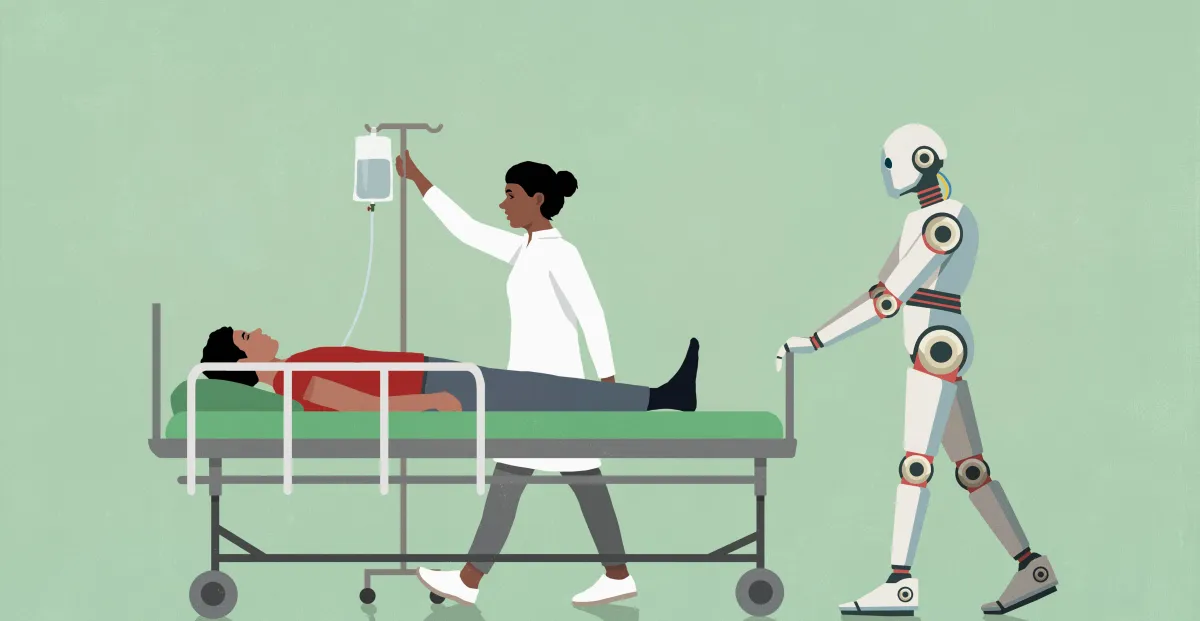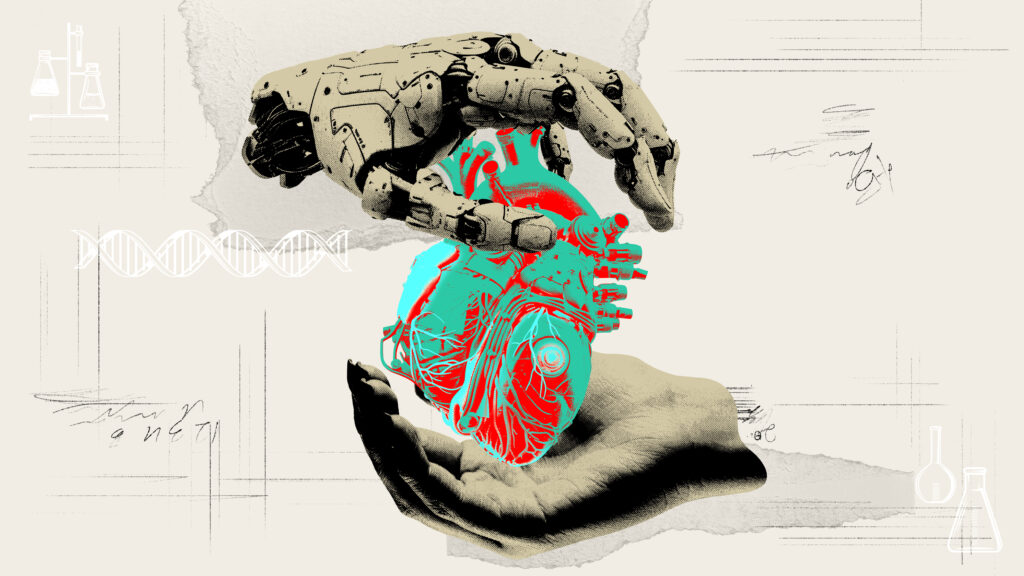
Artificial intelligence is moving fast — so fast that old questions about whether AI should be licensed to practice medicine, in whole or in part, have become pressing ones. These questions are arriving everywhere, in policy debates, pilot programs, and draft legislation, particularly at the state level.
The safest and most sensible answer today is that AI is not ready to be independently licensed like a physician. Medicine rests on a social contract: Society grants physicians unique privileges because they promise extraordinary duties of competence, ethics, and accountability in return. A medical license, therefore, isn’t just a permit to generate thoughtful and informed answers. It’s a legal and ethical grant of authority tied to human judgment, professional accountability, discipline, transparency, and a duty to put patients first.
The Federation of State Medical Boards, which we lead, occupies a unique position in this regard. While advisory, it serves all 69 state and territorial medical boards, which are statutorily charged with licensing and regulating physicians and, above all, protecting the public. From that vantage point, we view generative artificial intelligence as a powerful tool that should be governed within existing professional and institutional accountability structures, with responsibility aligned to its level of autonomy and human oversight, rather than treated as a separate “practitioner” licensed like an individual clinician.