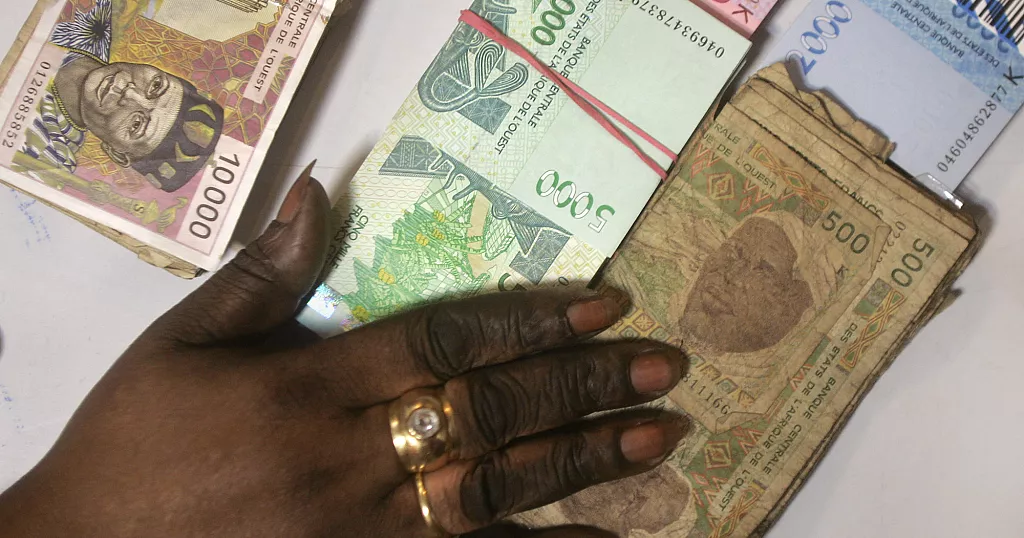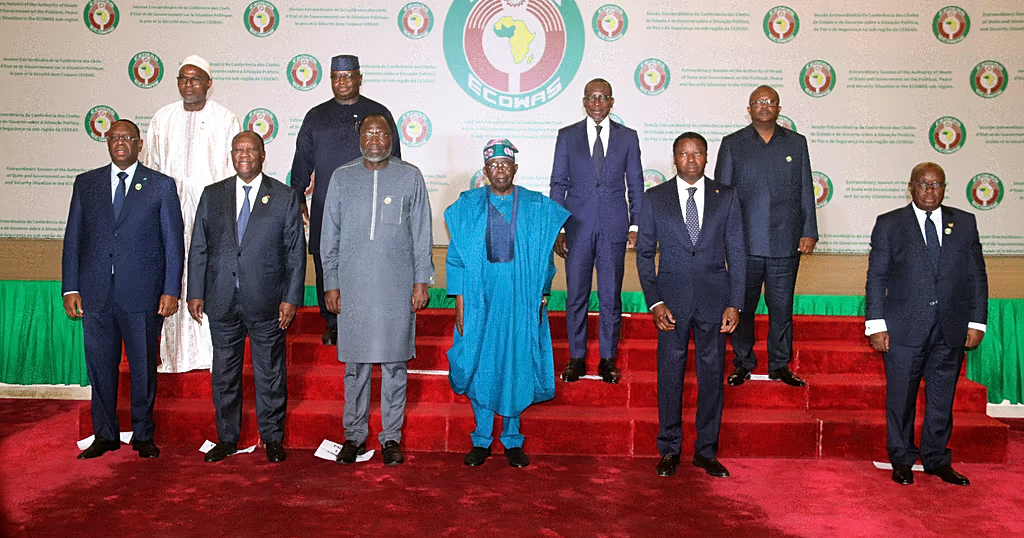
Guinea has become the first member of the Economic Community of West African States (ECOWAS) to officially refuse membership in the proposed Eco currency, opting to keep the Guinean franc as the regional bloc inches closer to forming a monetary union.
ECOWAS has slated the debut of the long-awaited common currency for July 2027, although authorities have suggested that the rollout would likely begin in stages rather than include all member states at once.
According to the proposed structure, only nations that meet key macroeconomic benchmarks, including objectives for inflation, public debt, fiscal discipline, and monetary stability, will be able to join the first wave of the monetary union.
Guinea's choice underscores worries about the possible economic consequences of giving up control of its national currency before increasing local production capability.
Economists say that having an autonomous monetary policy allows the country to better respond to economic shocks and manage its own development objectives.