Monday, August 3rd 2026 - 07:20 UTC
The newspaper The Objective reported that intelligence assessments had flagged a possible mass entry into Ceuta and Melilla coinciding with Morocco's Throne Day
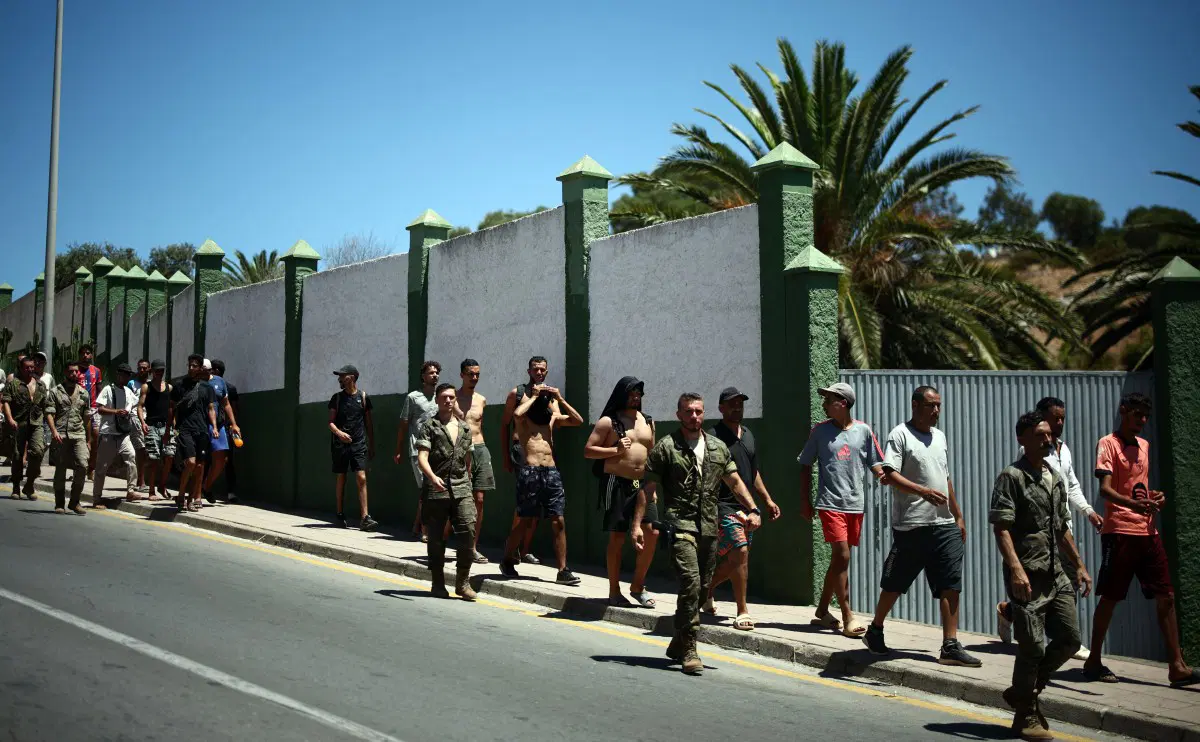
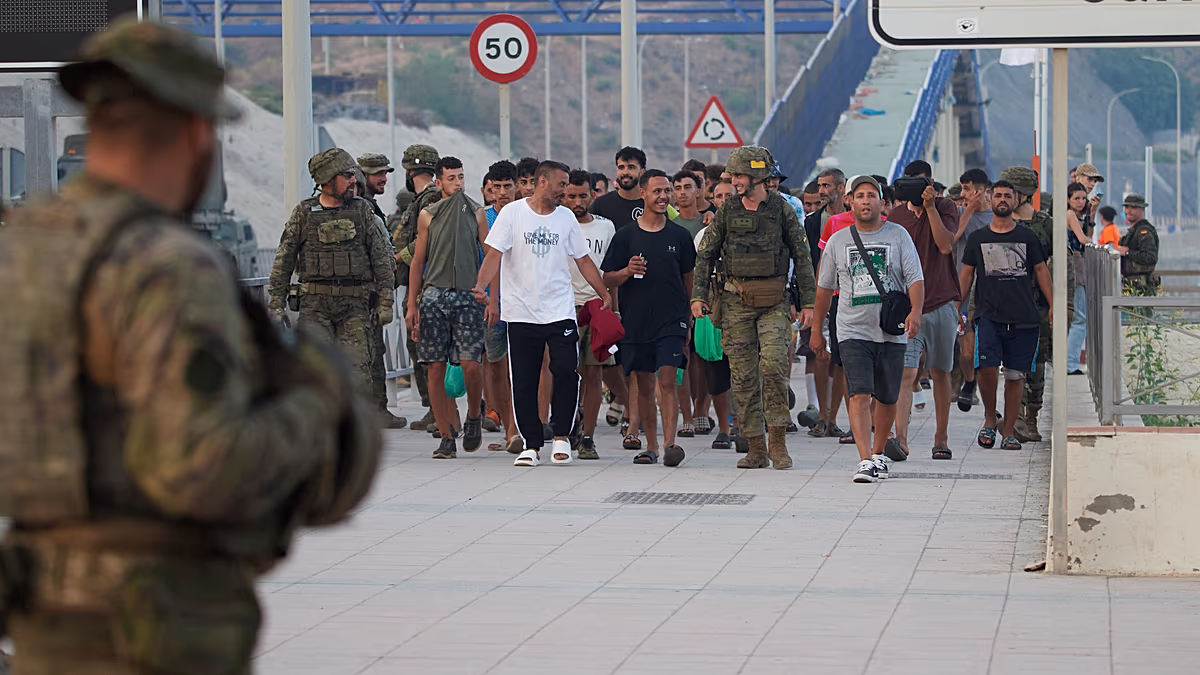
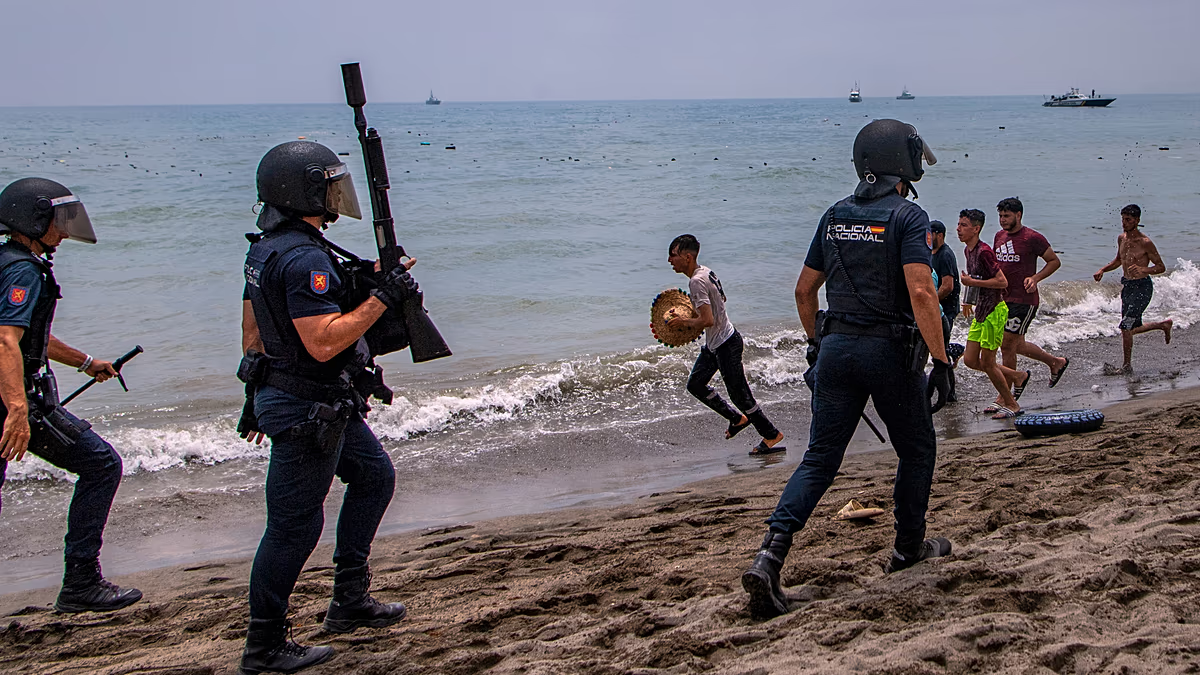
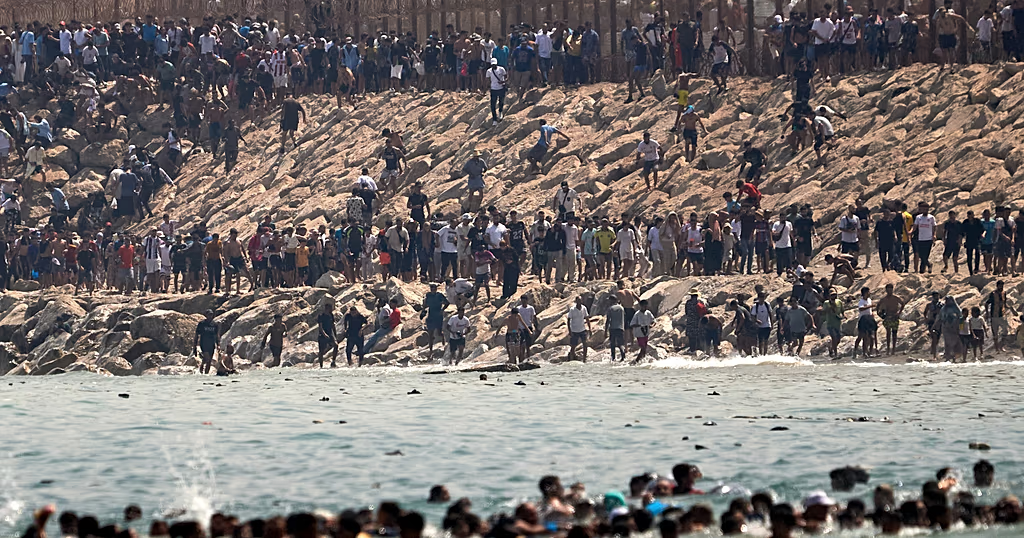
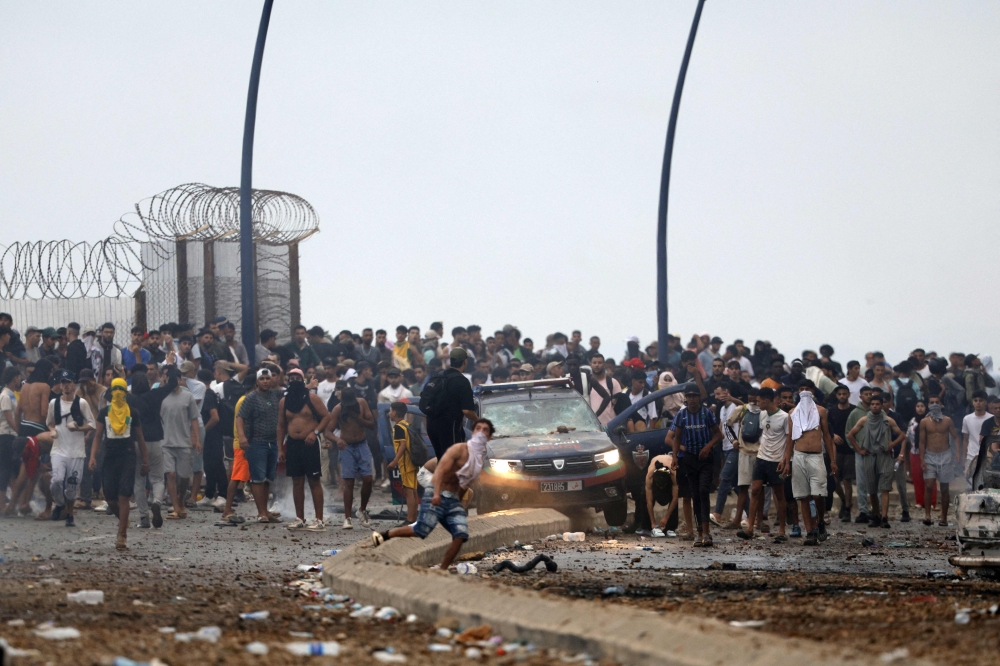
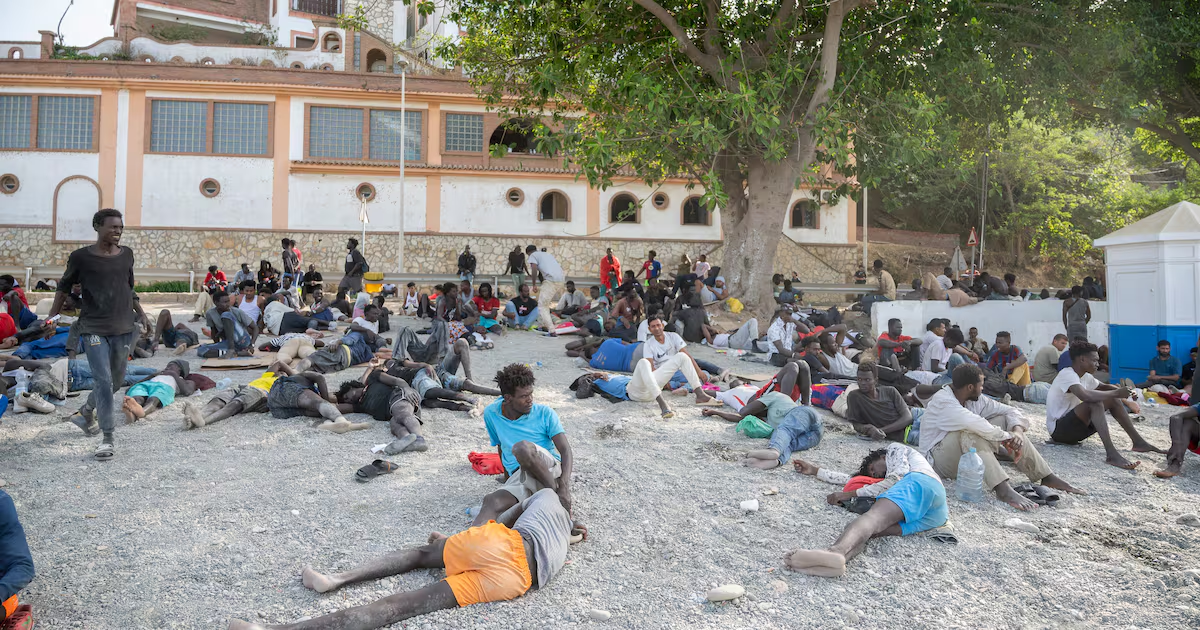
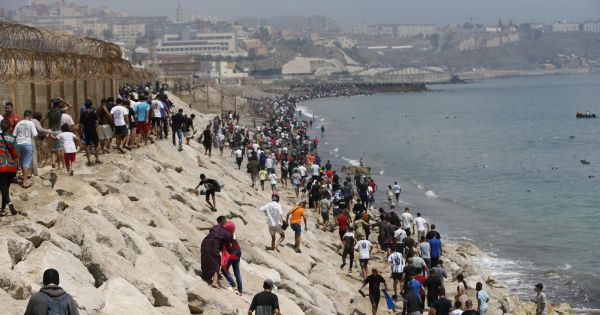
Spanish intelligence services concluded that Morocco did not plan last Thursday's mass entry of people into Ceuta, although it allowed the crossings and drew political benefit from the international attention, according to sources cited by El País. Other reporting contradicts that account on a key point: whether the government was warned in advance.
The newspaper The Objective reported that intelligence assessments had flagged a possible mass entry into Ceuta and Melilla coinciding with Morocco's Throne Day. Interior Minister Fernando Grande-Marlaska said in Ceuta on Saturday, by contrast, that the intelligence services gave no warning of what was building on the other side of the border. Both versions rest on unidentified sources, and the Defense Ministry has neither confirmed nor denied them, citing the classified status of National Intelligence Center reports.
Morocco commented publicly for the first time on Monday, attributing the events to human trafficking networks, disinformation and misreadings of a Spanish Supreme Court ruling. Spain's Interior Ministry and Prime Minister Pedro Sánchez hold the same view of the trigger.