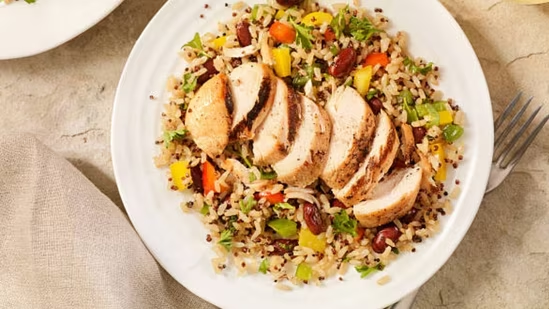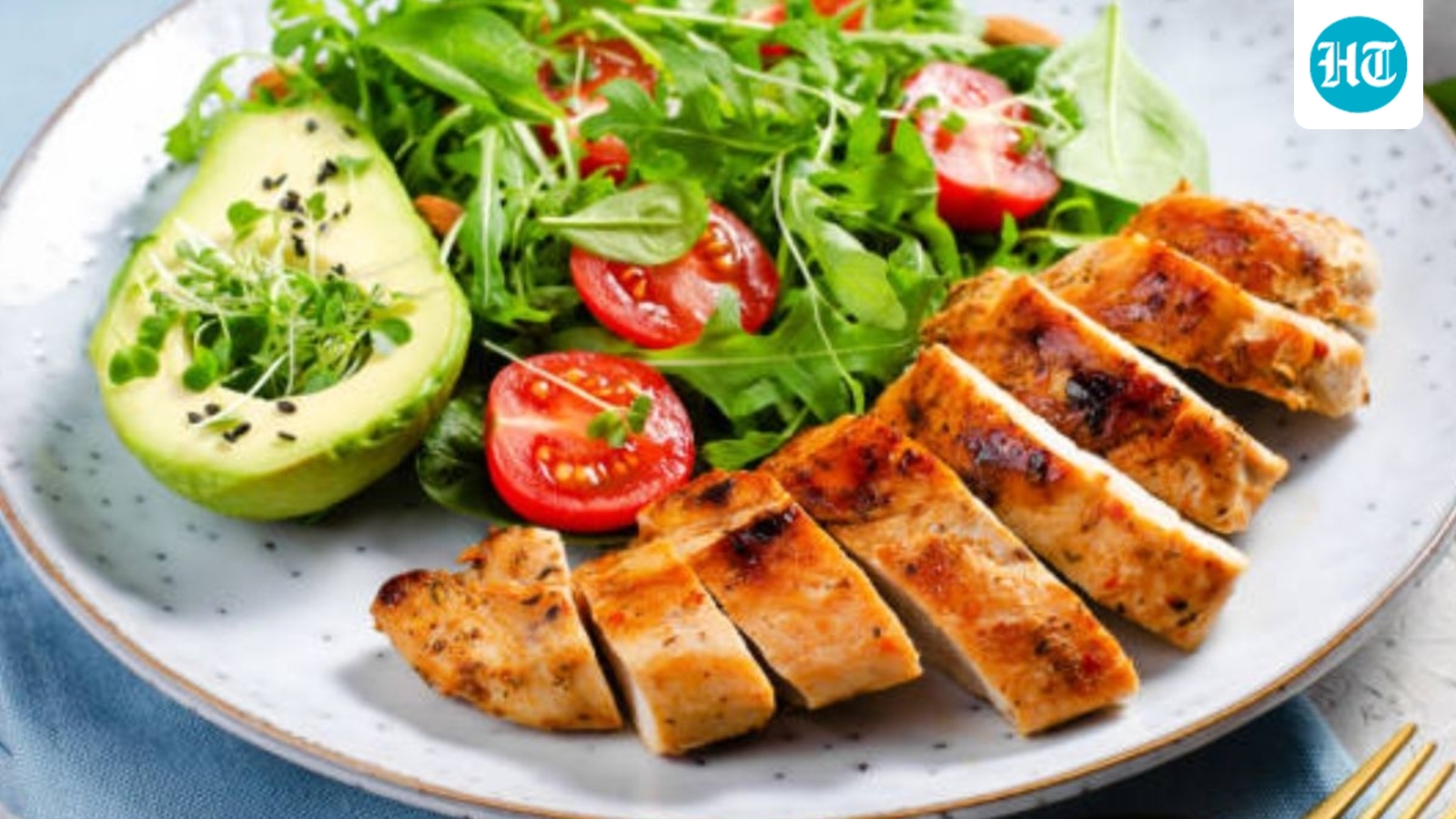
Changing the clock on your meals instead of counting every calorie has made intermittent fasting one of the most popular eating patterns across the world. Rather than focusing only on food choices, this approach alternates between periods of eating and fasting, giving the body time to use stored energy. Ancient cultures and many religious practices have followed fasting for centuries, while modern nutrition research has explored its role in overall health and metabolism.Intermittent fasting offers several health benefits when paired with balanced meals. It encourages the body to use stored fat for energy after glycogen stores are depleted, supporting weight management. Lower insulin levels help improve blood sugar control, while better insulin sensitivity may reduce the risk of type 2 diabetes. Research also links intermittent fasting with lower inflammation, healthier cholesterol levels, improved heart function, cellular repair through autophagy, and better brain health by supporting memory and protecting nerve cells.Several fasting schedules make it easy to adapt this eating pattern to different lifestyles. The 16/8 method involves fasting for 16 hours and eating within an 8-hour window, while the 14/10 method offers a gentler option for beginners. The 5:2 approach includes two lower-calorie days each week. Starting gradually by extending the fasting period over a few weeks, staying hydrated with water, black coffee, or unsweetened green tea, and breaking the fast with protein, healthy fats, and fibre-rich foods can make the transition smoother. Paying attention to body signals and avoiding overly processed foods also supports better results.Choosing the right meals is just as important as following a fasting schedule. Intermittent fasting-friendly meal recipes often include lean proteins, eggs, paneer, tofu, legumes, nuts, seeds, whole grains, and plenty of vegetables. These ingredients provide protein, healthy fats, vitamins, minerals, and fibre that help maintain steady energy levels, support muscle health, improve digestion, and keep blood sugar more stable during the eating window. Along with their nutritional value, these recipes also offer fresh flavours, varied textures, and ingredients that make every meal enjoyable while supporting long-term fasting goals.5 Delicious And Healthy Intermittent Fasting-Friendly Meal RecipesGrilled Chicken And Avocado SaladGrilled chicken and avocado salad is a balanced meal that fits well into an intermittent fasting eating window. Lean chicken provides high-quality protein to support muscle maintenance, while avocado adds heart-friendly monounsaturated fats that help provide steady energy. Fresh vegetables increase fibre, vitamins, and minerals, making this meal nourishing without feeling heavy. A simple olive oil and lemon dressing adds freshness while supplying antioxidants and healthy fats that support nutrient absorption.Quick ViewPrep Time: 15 minutesCook Time: 15 minutesTotal Time: 30 minutesServings: 2Calories: 360 kcalIngredients200g boneless chicken breast1 avocado, diced1 cucumber, chopped1 cup cherry tomatoes, halved1 cup lettuce1 tablespoon olive oil1 tablespoon lemon juiceSalt to tasteBlack pepper to tasteMixed herbsInstructionsGrill the chicken until cooked through and slice it.Combine lettuce, cucumber, tomatoes, and avocado in a bowl.Add the sliced chicken.Mix olive oil, lemon juice, herbs, salt, and pepper.Pour the dressing over the salad and toss gently.Serve immediately.Paneer And Quinoa BowlPaneer and quinoa bowl combine complete protein, healthy fats, and fibre to support long-lasting energy after breaking a fast. Paneer contributes calcium and protein, while quinoa supplies fibre and essential amino acids. Fresh vegetables increase nutrient intake, and the yoghurt-mint dressing adds probiotics that support gut health while keeping the meal light and refreshing.Quick ViewPrep Time: 15 minutesCook Time: 20 minutesTotal Time: 35 minutesServings: 2Calories: 390 kcalIngredients150g paneer, cubed1 cup cooked quinoa1 cucumber, chopped1 carrot, grated½ cup bell peppers2 tablespoons plain Greek yoghurt1 tablespoon mint leaves1 teaspoon lemon juiceSalt and pepperInstructionsLightly grill the paneer cubes.Place quinoa in a serving bowl.Add vegetables and paneer.Blend yoghurt, mint, lemon juice, salt, and pepper.Pour over the bowl and mix gently.Serve fresh.Tofu Vegetable Stir-FryTofu vegetable stir-fry is rich in plant-based protein, making it suitable for vegetarian intermittent fasting meals. Colourful vegetables add antioxidants, vitamins, and fibre that support digestion and overall health. A sesame and ginger dressing provides healthy fats along with a fresh, nutty flavour that complements the vegetables without making the dish overly rich.Quick ViewPrep Time: 15 minutesCook Time: 15 minutesTotal Time: 30 minutesServings: 2Calories: 310 kcalIngredients200g firm tofu1 broccoli, chopped1 carrot, sliced1 zucchini, sliced1 tablespoon sesame oil1 teaspoon grated ginger1 teaspoon soy sauce (low sodium)Sesame seedsInstructionsCut tofu into cubes.Heat sesame oil in a pan.Cook tofu until lightly golden.Add vegetables and stir-fry for 5–6 minutes.Add ginger and soy sauce.Sprinkle sesame seeds before serving.Chickpea And Spinach BowlChickpea and spinach bowls provide plant protein, fibre, iron, and folate that help support steady energy during the eating window. Chickpeas digest slowly and help maintain balanced blood sugar levels, while spinach adds vitamins A, C, and K. A tahini-lemon dressing contributes healthy fats, calcium, and a creamy texture that pairs well with the vegetables.Quick ViewPrep Time: 10 minutesCook Time: 10 minutesTotal Time: 20 minutesServings: 2Calories: 330 kcalIngredients1½ cups boiled chickpeas2 cups spinach½ cucumber½ onion1 tablespoon tahini1 tablespoon lemon juice1 teaspoon olive oilSalt and pepperInstructionsWash and prepare the vegetables.Combine spinach, cucumber, onion, and chickpeas.Mix tahini, lemon juice, olive oil, salt, and pepper.Pour over the salad.Toss gently and serve.Greek Yoghurt Berry ParfaitGreek yoghurt berry parfait makes a nutrient-rich first meal after a fasting period. Greek yoghurt delivers protein and probiotics that support muscle health and digestion, while berries provide antioxidants and vitamin C. Nuts and seeds add healthy fats and fibre, and a light cinnamon-yoghurt blend naturally enhances flavour without relying on excess sugar.Quick ViewPrep Time: 10 minutesCook Time: 0 minutesTotal Time: 10 minutesServings: 2Calories: 280 kcalIngredients2 cups Greek yoghurt1 cup mixed berries2 tablespoons chopped almonds1 tablespoon chia seeds½ teaspoon cinnamon1 teaspoon honey (optional)InstructionsAdd Greek yoghurt to serving glasses.Layer berries over the yoghurt.Sprinkle almonds and chia seeds.Dust with cinnamon.Drizzle honey if preferred.Serve immediately.FAQsCan intermittent fasting-friendly meals include carbohydrates?Yes. Complex carbohydrates such as quinoa, oats, sweet potatoes, and legumes provide steady energy and work well with protein and healthy fats.Which foods are best for breaking a fast?Protein-rich foods, healthy fats, fibre-rich vegetables, fruits, and whole grains help replenish nutrients while supporting balanced blood sugar levels.Can vegetarians follow intermittent fasting?Yes. Foods such as paneer, tofu, legumes, Greek yoghurt, nuts, seeds, and quinoa provide enough protein and nutrients for vegetarian meal planning.
Healthy Intermittent Fasting-Friendly Meal Recipes With Wholesome Ingredients For Better Nutrition And Steady Energy
Intermittent fasting-friendly meal recipes include balanced, nutrient-rich dishes with protein, healthy fats, and fibre to support energy, & weight management.
1,012 words~5 min read