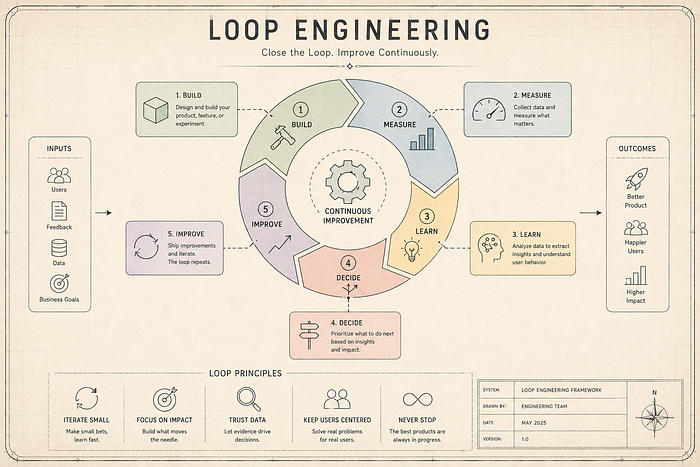
A few weeks ago Boris Cherny, who leads development on Claude Code, mentioned during a talk at Acquired Unplugged that he doesn't really write prompts for Claude anymore. Instead he writes loops that keep prompting Claude until the work is actually done. The clip went viral on X, racked up nearly 700k views in under 24 hours, and Loop Engineering became the latest term making the rounds in AI development circles.
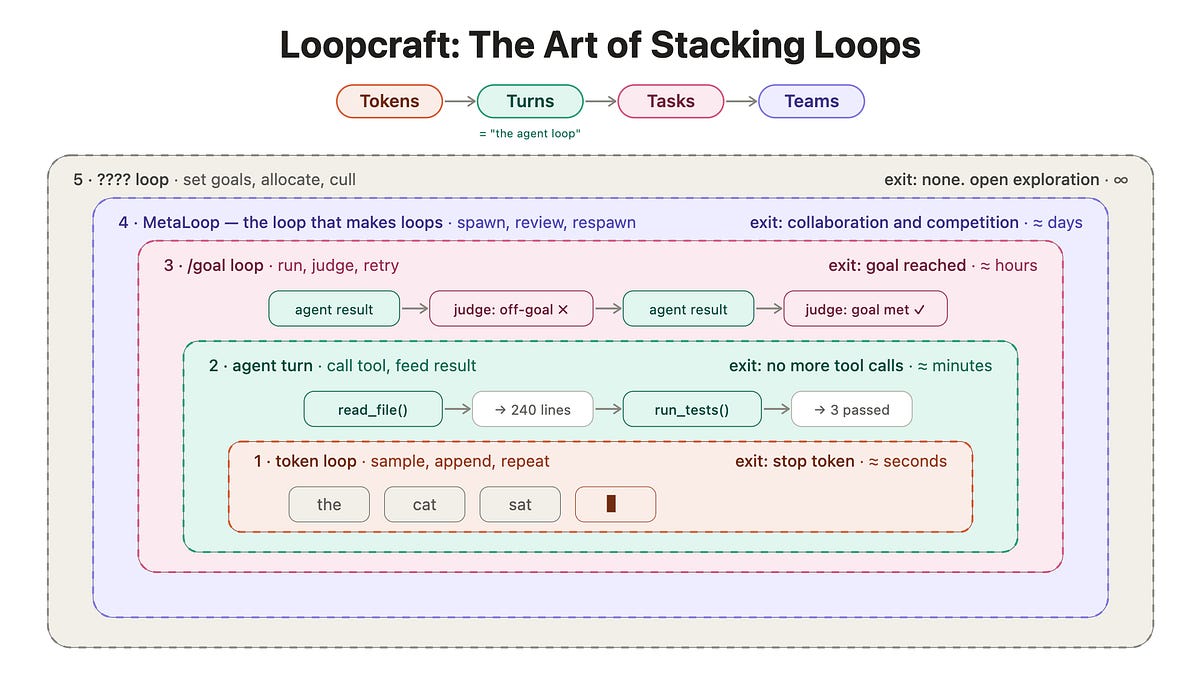
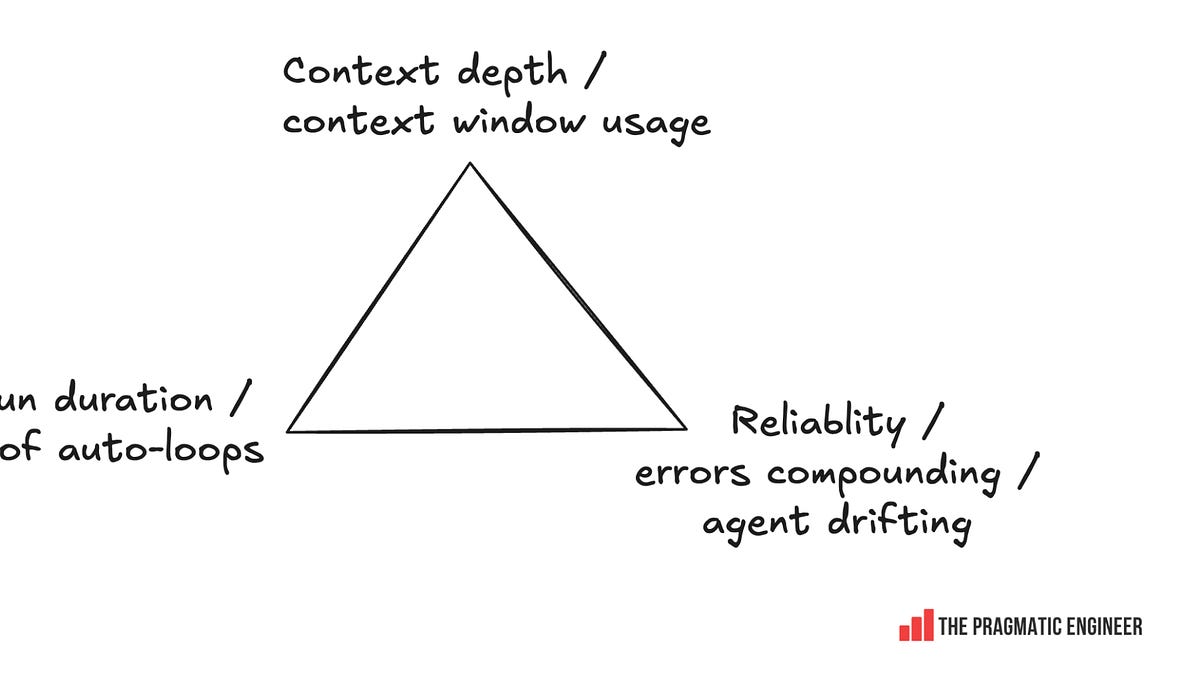
The core idea is straightforward enough. Rather than obsessively tuning a single prompt to get a perfect output on the first try, you build an iterative system around the model: give it a clear goal, feed it the right context, give it tools to work with, evaluate what it produces, and define conditions for when it can stop. Wire those pieces together and the agent stops being a one-shot call and becomes something that iterates, self-corrects, and keeps working until the output actually meets your bar. The efficiency gains over prompt-tuning are real, and that is why the concept resonated so quickly.
What struck us as we built and shipped the loop system for our own platform Octo is that almost all of the current conversation around Loop Engineering stays at the single-agent level. You have one model, one cleverly designed loop, one sandbox, and the agent grinds away iteratively until its output passes whatever checks you have set up. That solves a real problem: how one person works faster with AI. But real work, especially inside an organization, rarely fits cleanly inside a single agent loop. A product feature going from idea to shipped code needs someone defining requirements, someone designing the approach, someone writing the implementation, someone verifying quality, someone feeding back results. Those are not different iterations of the same loop. They are interconnected loops that need to pass context and outputs between each other. When loops need to share state, trigger each other, and respect organizational boundaries, single-agent loop design stops being sufficient. You need orchestration at the network level.