The brazen attack on an Independent National Electoral Commission (INEC) Permanent Voter Card (PVC) distribution centre in Okuku, Odo-Otin Local Government Area of Osun State has raised fresh concerns about the desperation of political actors ahead of the Osun State governorship election scheduled for 15 August 2026.
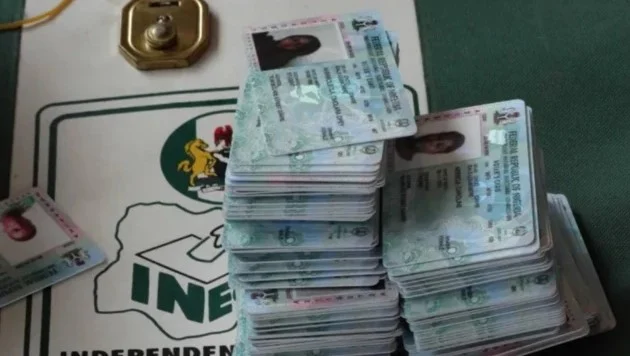
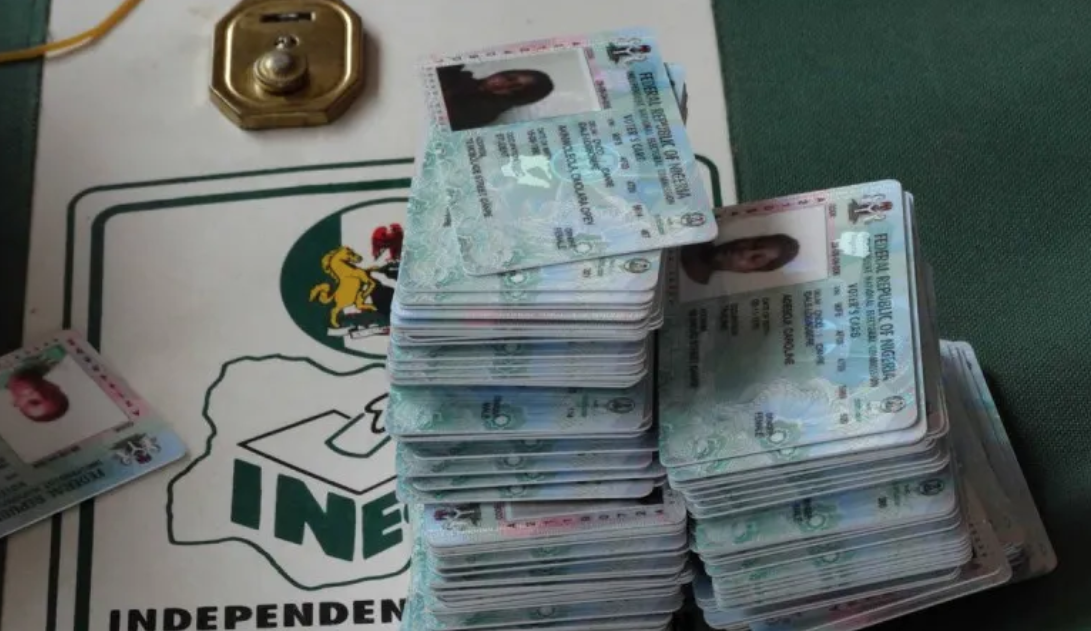
According to the Osun State Police Command, about ten armed hoodlums stormed the PVC collection centre at Oyinlola DC Primary School, Ward 2, firing gunshots into the air to disperse officials and prospective voters before carting away three packs of PVCs. No fatalities were reported, but the incident has understandably heightened public anxiety over electoral security.
The identity of the attackers remains unknown. Nevertheless, the operation bore the hallmark of a carefully planned mission rather than an opportunistic crime. The timing, location and target strongly suggest that the perpetrators believed the stolen PVCs could somehow be deployed to influence the forthcoming 15 August 2026 governorship election.
At first glance, the theft appears pointless. Nigeria’s electoral process has been significantly strengthened by the introduction of the Bimodal Voter Accreditation System (BVAS). Before a voter is accredited, the PVC is first verified electronically. The holder must then authenticate his or her identity through fingerprint or facial recognition. If both biometric checks fail, the person cannot vote. The accredited voter’s details are matched against the INEC register before a ballot paper is issued. Under this system, mere possession of another person’s PVC should not ordinarily enable anyone to cast a vote.