By Suleiman A. Suleiman ([email protected]; 07066451983 SMS)
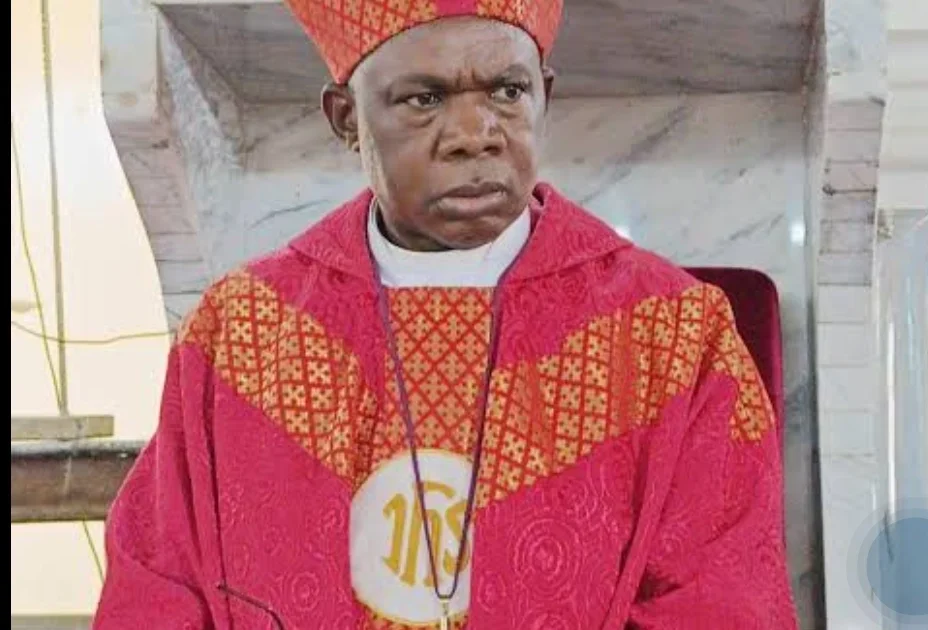
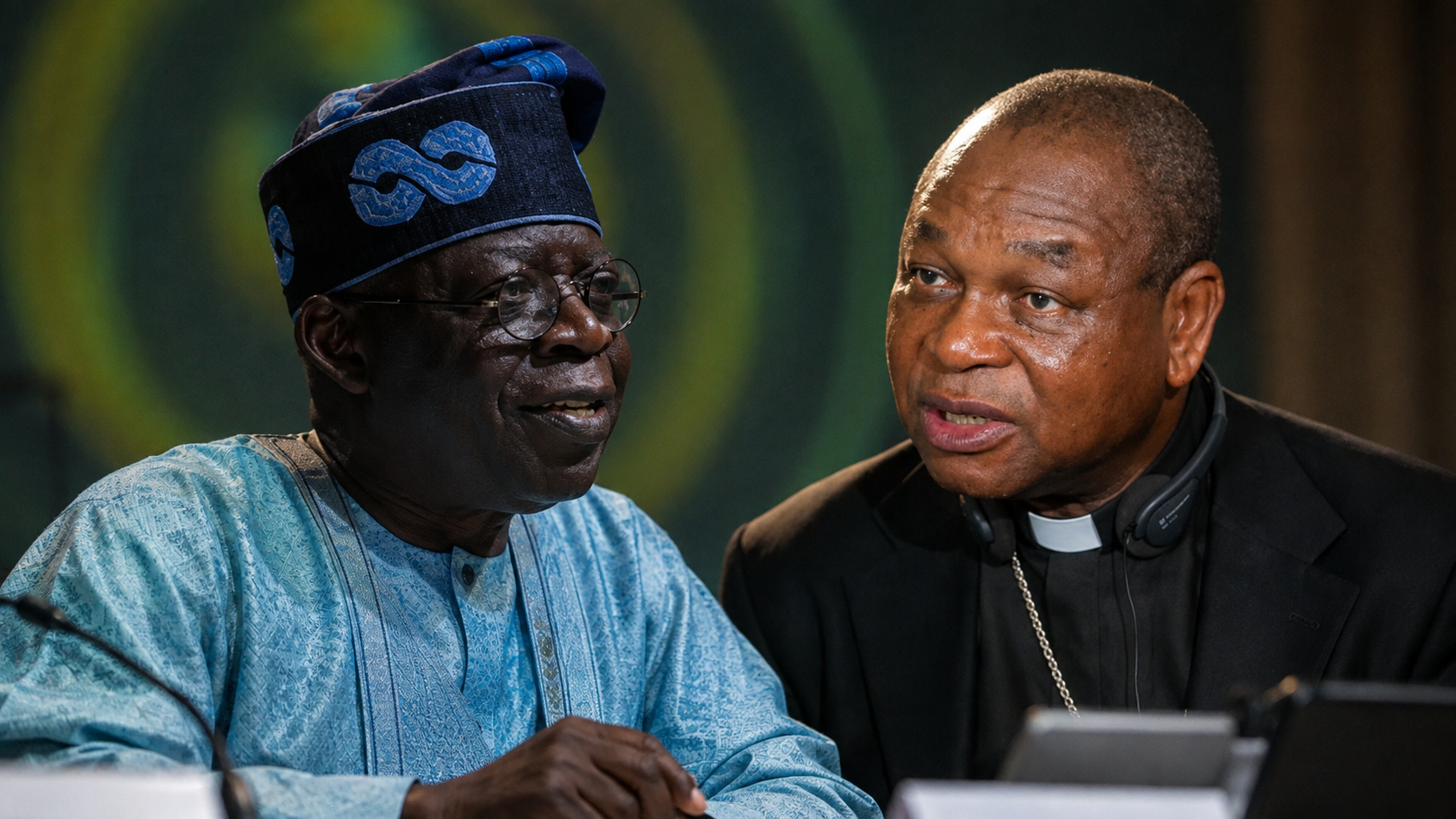
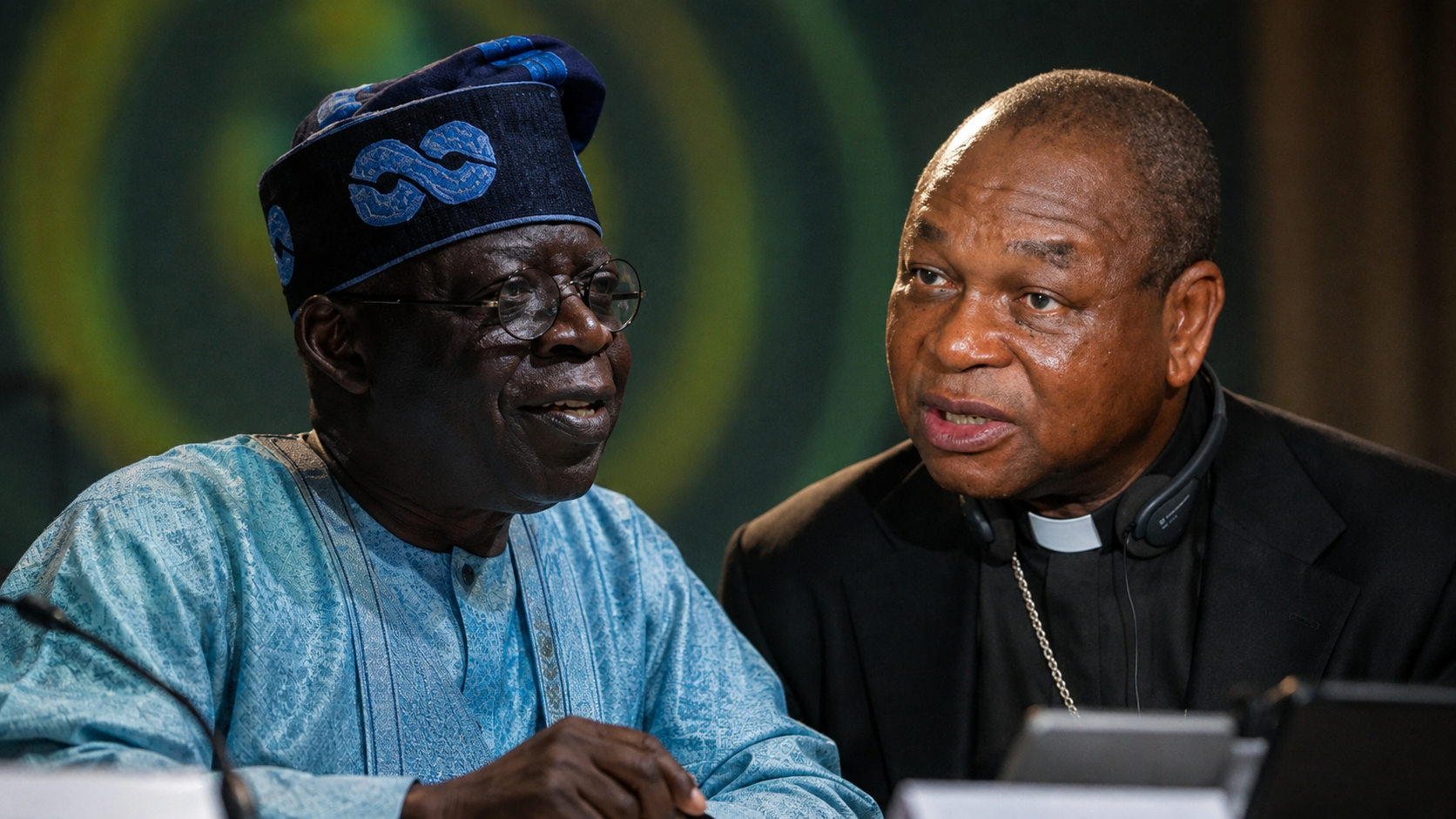
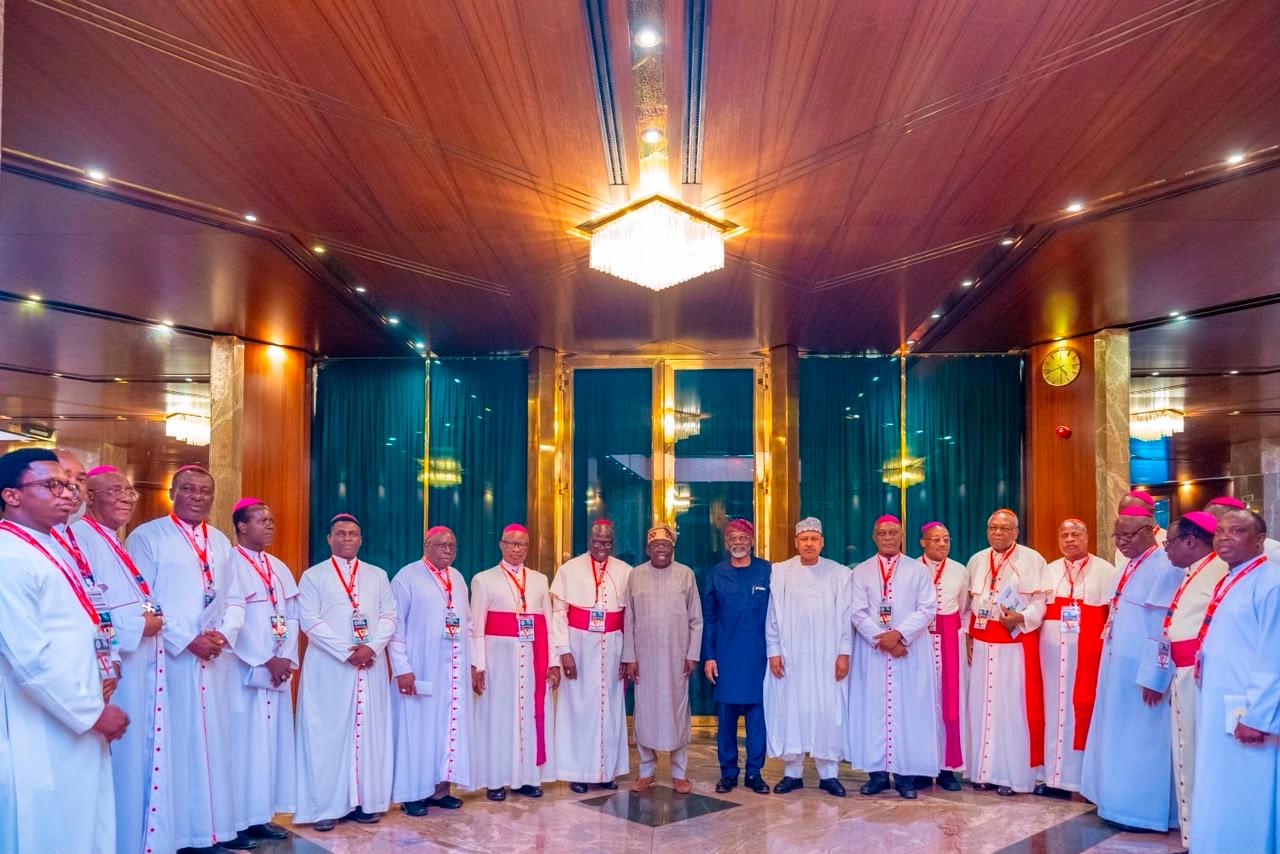
An otherwise routine meeting between President Bola Ahmed Tinubu and the Catholic Bishops of Nigeria Conference last week took a dramatic turn. In their memorandum to the President, the Catholic Bishops expressed serious concern about worsening economic hardship, insecurity, and the increasing danger of Nigeria drifting into a one-party state. The bishops said they were only passing on to the President the message they received from Nigerians.
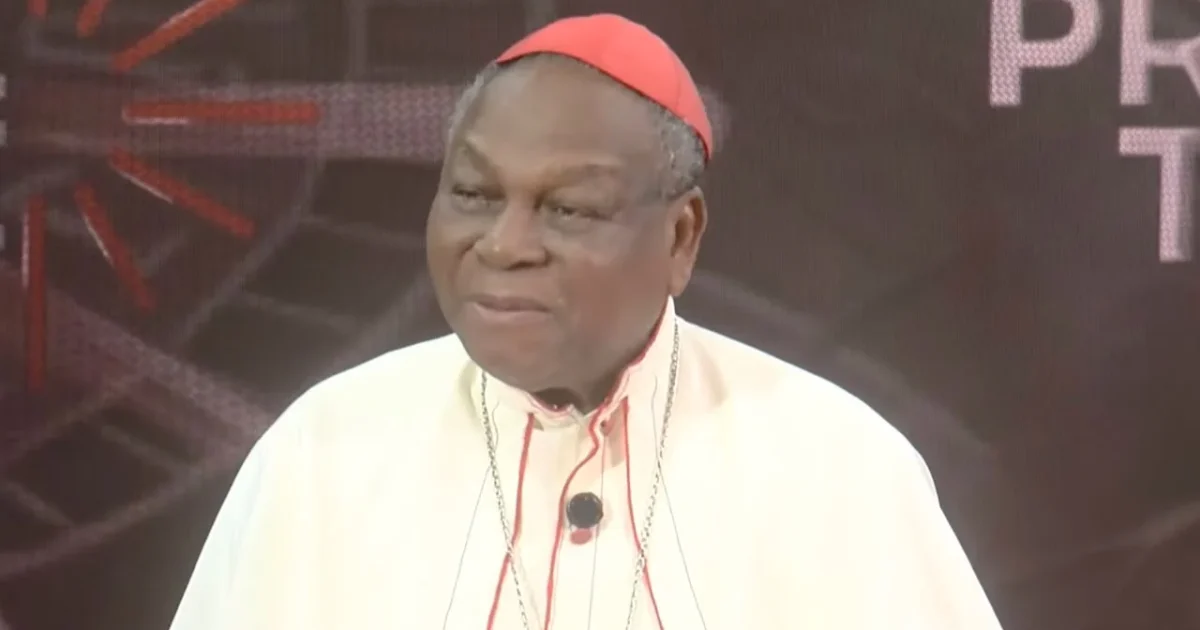
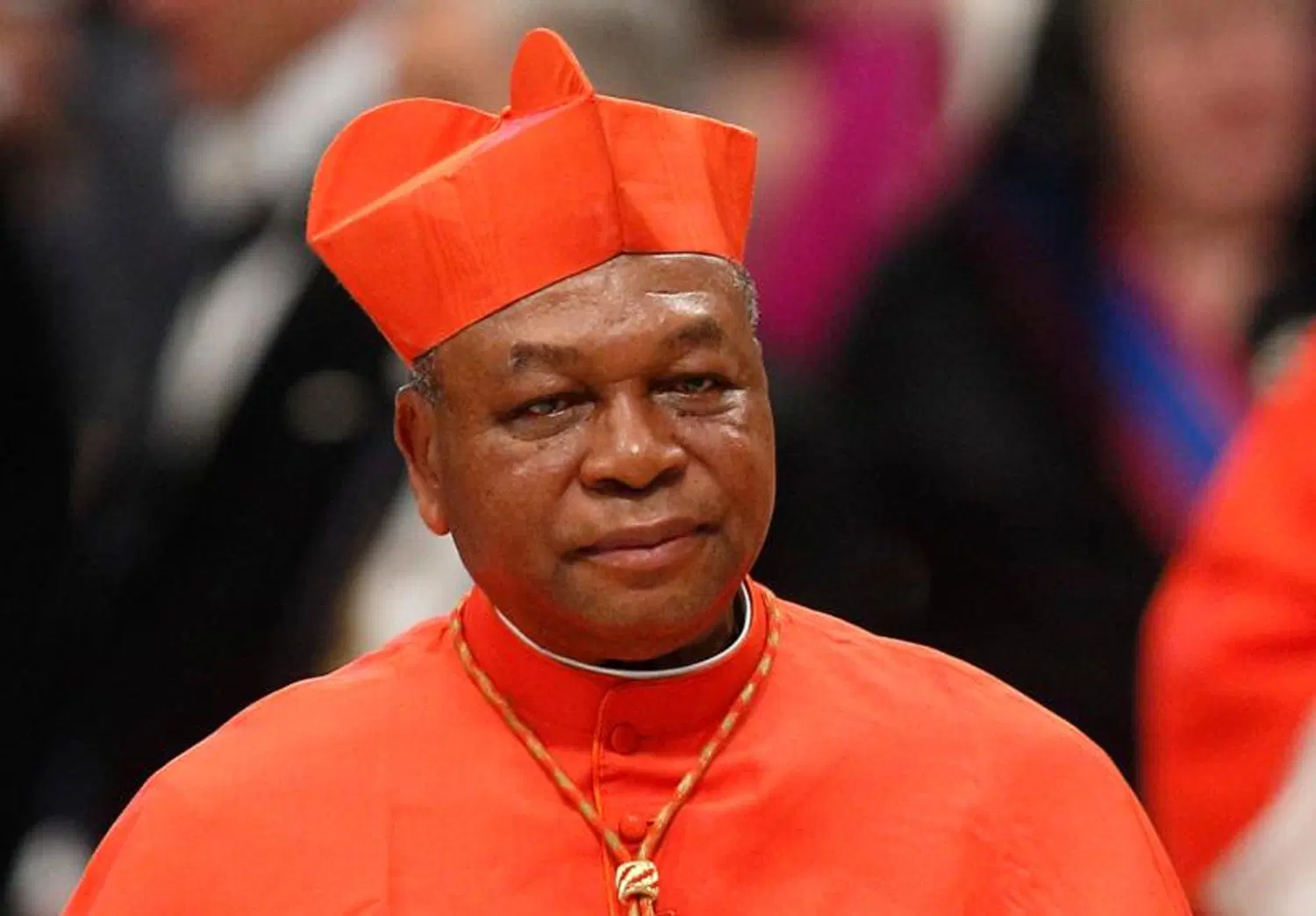
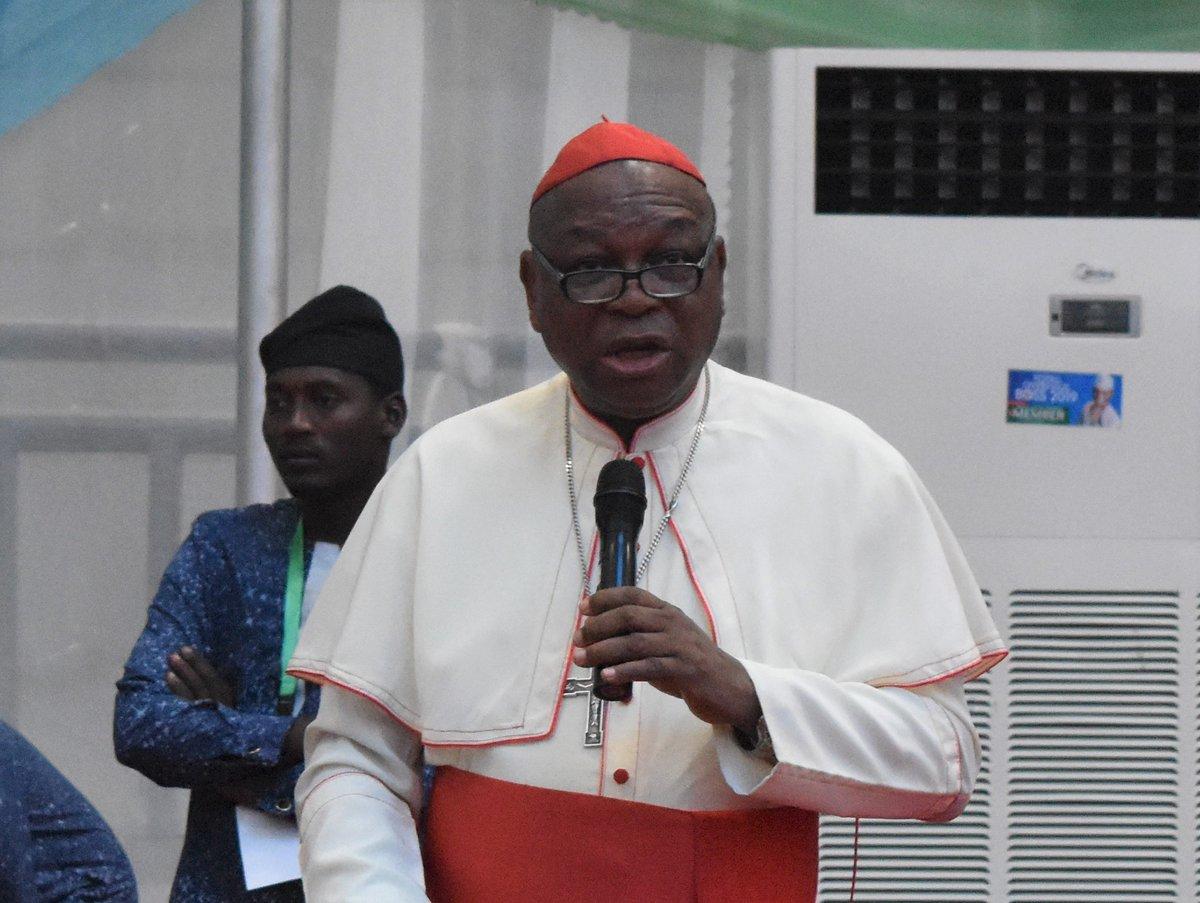
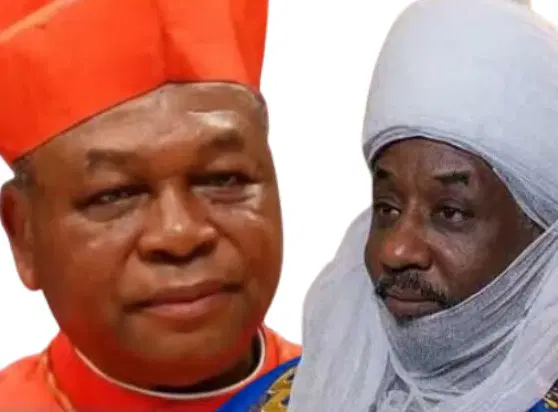
President Tinubu would have none of it, however. In response, he not only rejected the bishops’ assessment, he insisted that his economic policies are working and that Nigerians should be thankful to him for rescuing the economy from the brink of collapse. A leading member of the delegation, Cardinal John Onaiyekan, Archbishop Emeritus of Abuja, subsequently doubled down on the bishops’ message in a television interview, saying that “when a nation is bleeding, you cannot expect a polite meeting with the Head of State. We had to let him know”.
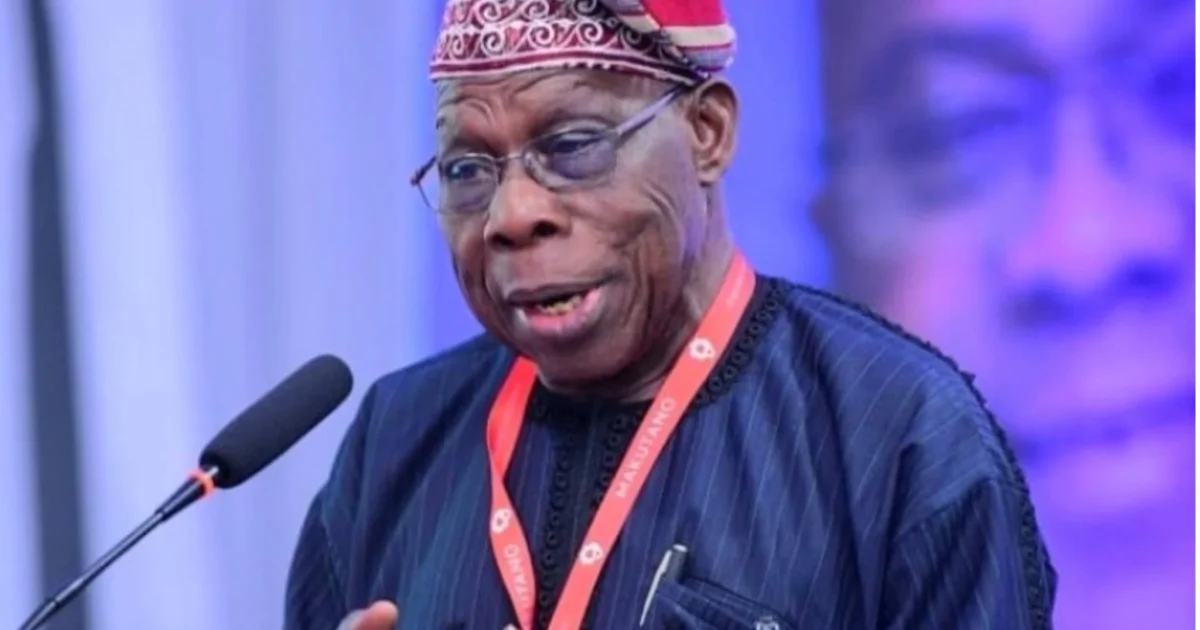
At an event in Kano only a few days earlier, the Emir of Kano, Muhammadu Sanusi II said much the same. Now, Sanusi II is a former Governor of the Central Bank of Nigeria, a self-declared friend of President Tinubu, and a long-standing advocate of the policies of this government. Yet, in his speech, he clearly warned that “any economic policy that does not improve the welfare of the people is inherently ineffective”. He agreed that “the country has recorded notable achievements”, but was still categorical that Nigeria “continues to face political instability, ethnic and religious tensions, insecurity, poverty and economic hardship”.