Governments must be open to scrutiny, and citizens and institutions must be free to engage those who govern them.
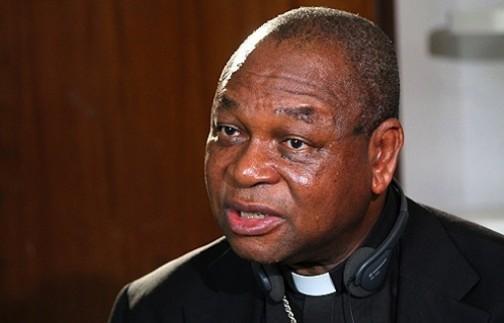
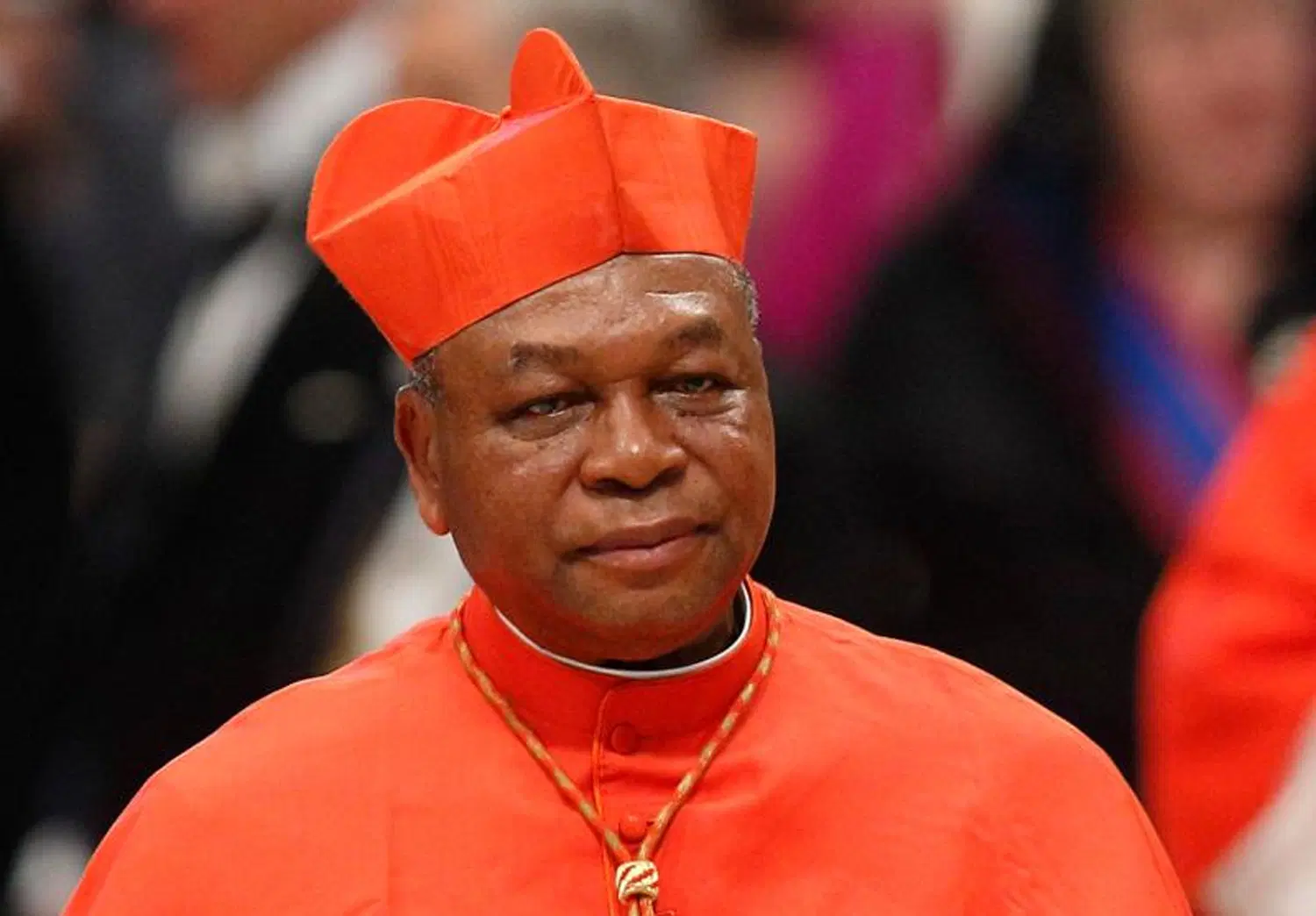
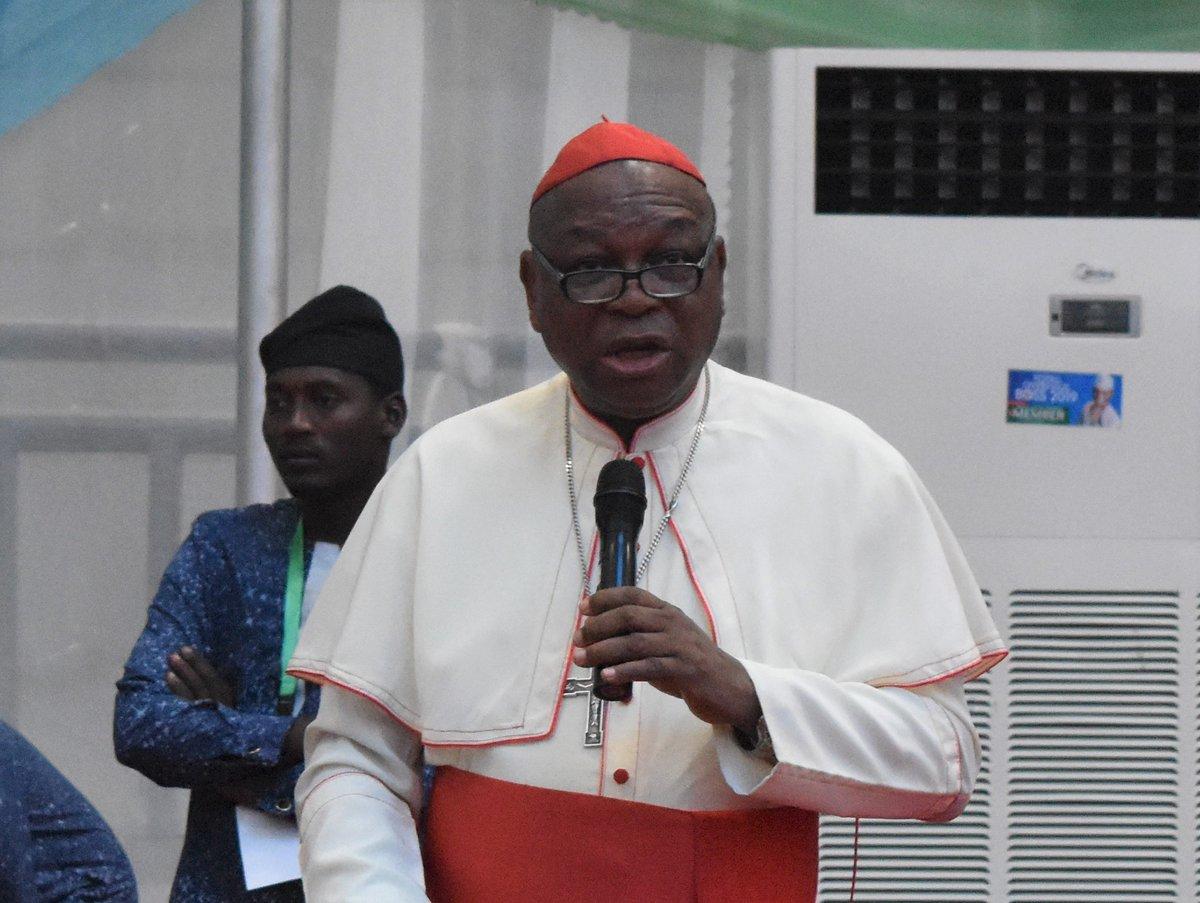
Temitope Ajayi's article, "Cardinal Onaiyekan's Abuse of Clerical Privilege," raises an important question about the relationship between religious leaders and political authority. Unfortunately, it answers that question in a way that is inconsistent with the principles of constitutional democracy and the role of moral leadership in society.
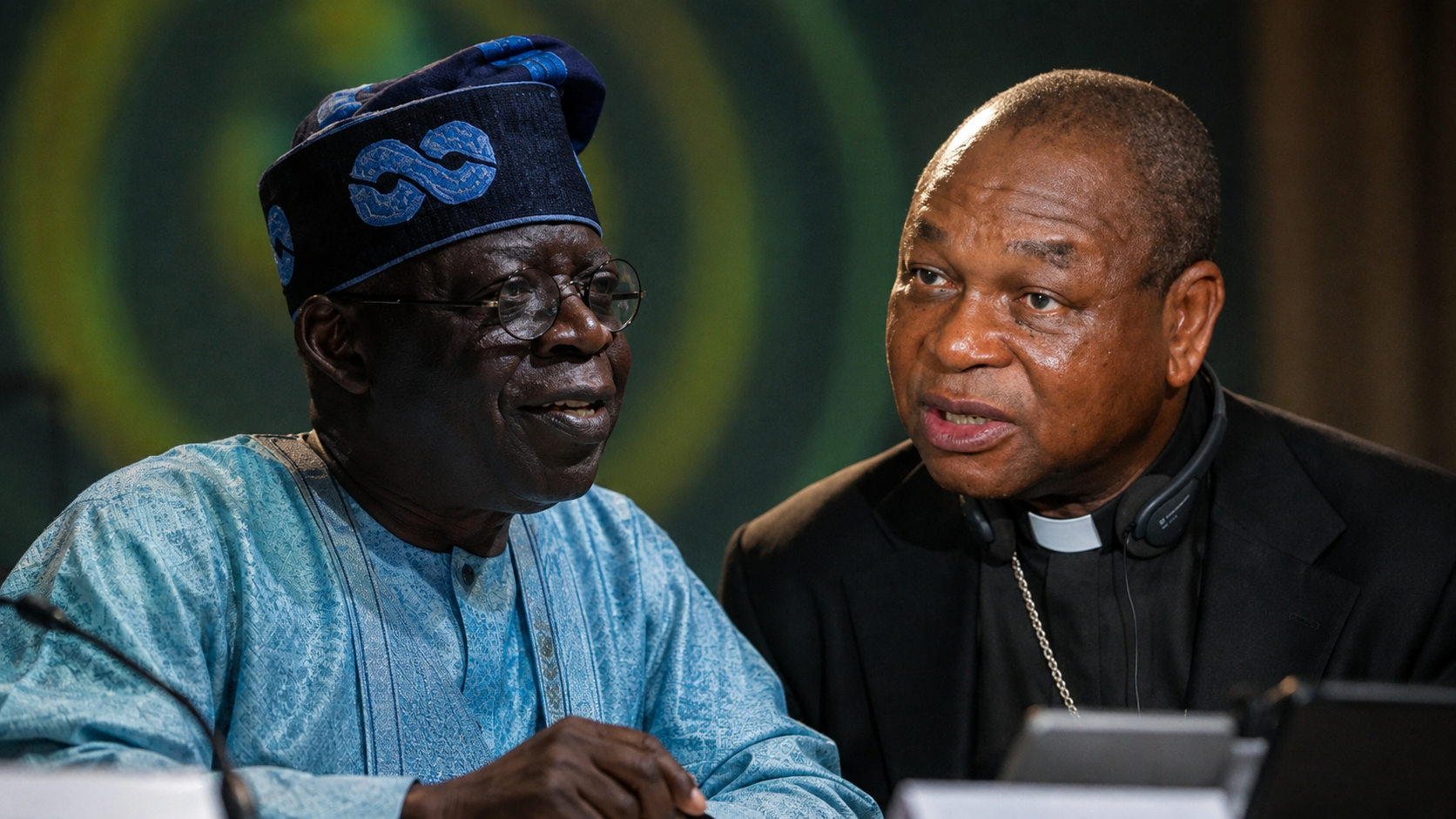
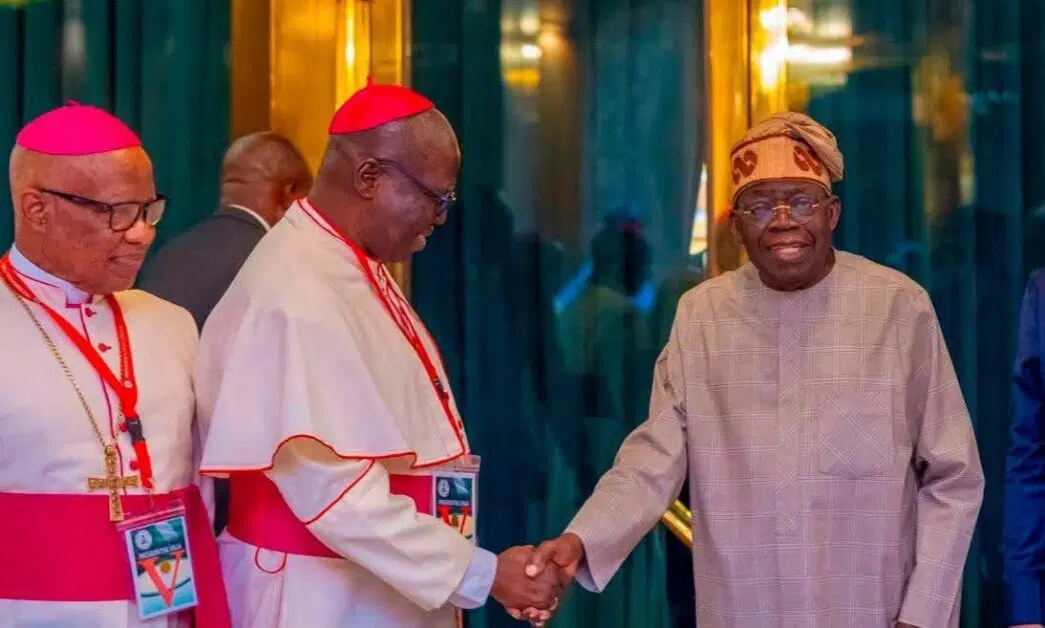
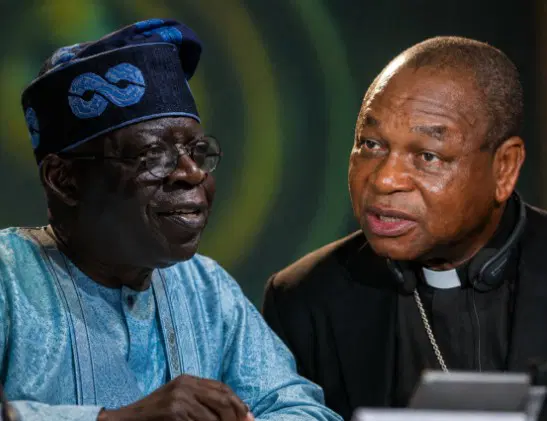
There is nothing inappropriate about the Catholic Bishops' Conference of Nigeria (CBCN) seeking an audience with President Bola Ahmed Tinubu to express its concerns over the state of the nation. Equally, there is nothing inappropriate about the President defending the policies and programmes of his administration. Indeed, that is how democracy should work. Governments must be open to scrutiny, and citizens and institutions must be free to engage those who govern them.
The Presidency has made it clear that President Tinubu disagreed with the bishops' assessment of the economy and the security situation and offered his own perspective, pointing to economic reforms, increased revenues to the states, improvements in salary payments and progress in security operations. The bishops, on the other hand, reflected the anxieties and lived experiences of millions of Nigerians who continue to grapple with inflation, insecurity, unemployment and declining living standards.